
The Story
Why it exists.
The beginning
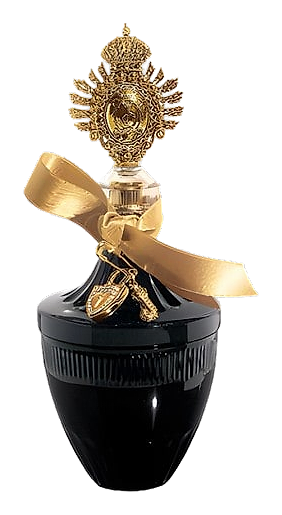
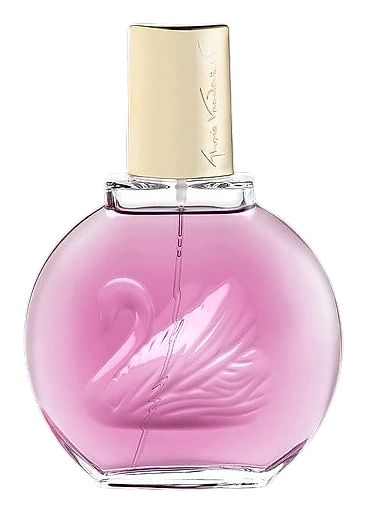
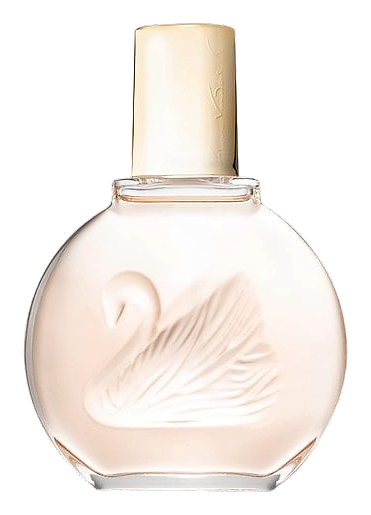
Sonia Constant built Miss Vanderbilt with the same philosophy that defined Gloria Vanderbilt's entire approach to fragrance: scent as self-expression, not performance. Launched in 2010, it arrived during a period when accessible luxury was shifting. Constant understood the assignment. This wasn't about projecting confidence through sheer sillage, it was about composing something that felt like an extension of who you already were, only slightly more polished.
What makes Miss Vanderbilt interesting is its refusal to fully commit to any one territory. The citrus-floral-fresh spicy-woody accords sound like a list of contradictions, but they hold. Heliotrope does the heavy lifting in the base, it's the powdery anchor that prevents the florals from floating away. The nutmeg and cardamom in the heart add warmth without heat. It's a composition that could have been forgettable in less careful hands. Constant kept it grounded.
The evolution
The opening hits bright, clementine and neroli over the slightly bitter hawthorn, which is the first sign this isn't another generic citrus floral. That edge fades within twenty minutes as the heart florals arrive: magnolia, tuberose, ylang-ylang in a creamy procession. Rose is there, but it's not dominant. By the second hour, the drydown takes over, heliotrope, vanilla, and sandalwood create a powdery warmth that stays intimate. On clothes, it lingers into the next morning as a soft, sweet trace.
Cultural impact
Miss Vanderbilt occupies a particular space: the fragrance that's always there when you need something reliable. Community reviews consistently describe it as versatile, non-offensive, and comfortable, qualities that sometimes read as forgettable in a market that rewards bold statements. But for anyone who's ever reached for the same bottle over and over because it simply works, Miss Vanderbilt earns its place.