Caribbean Magnolia
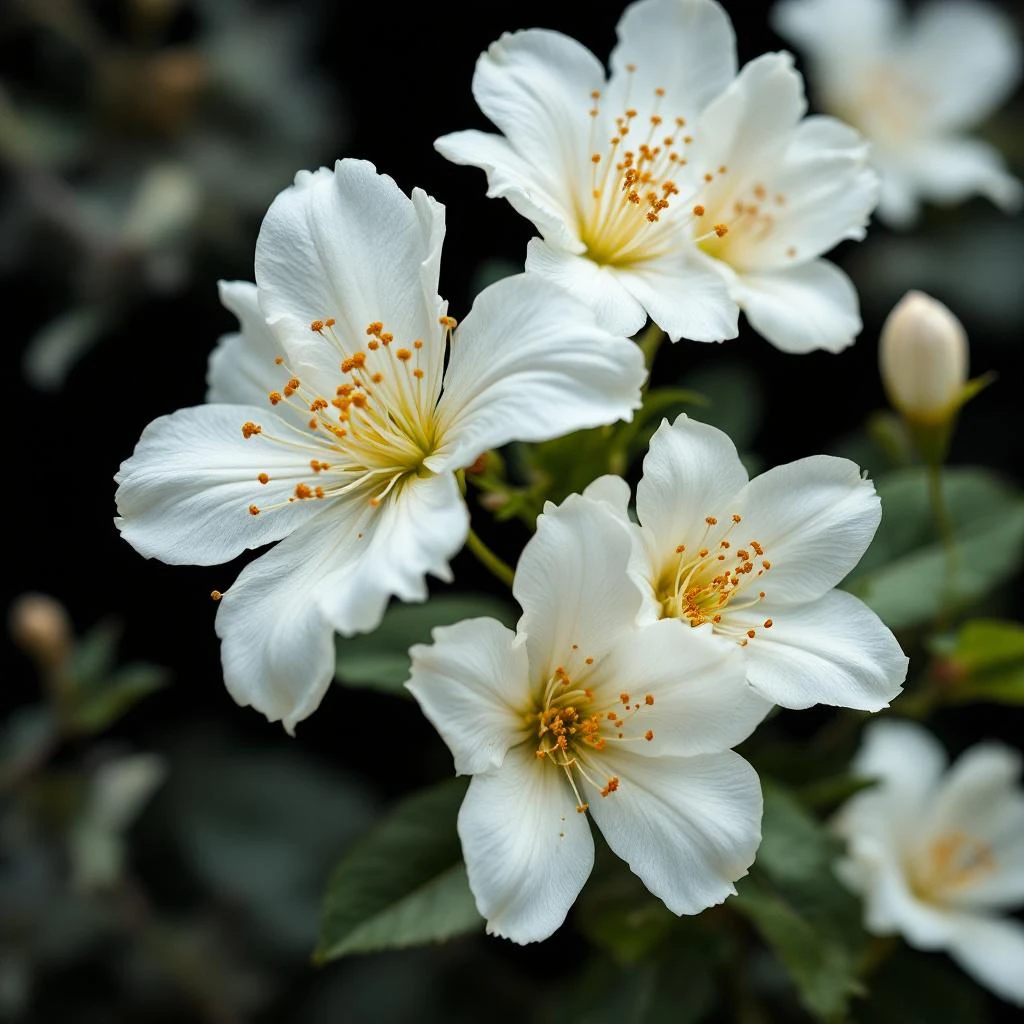
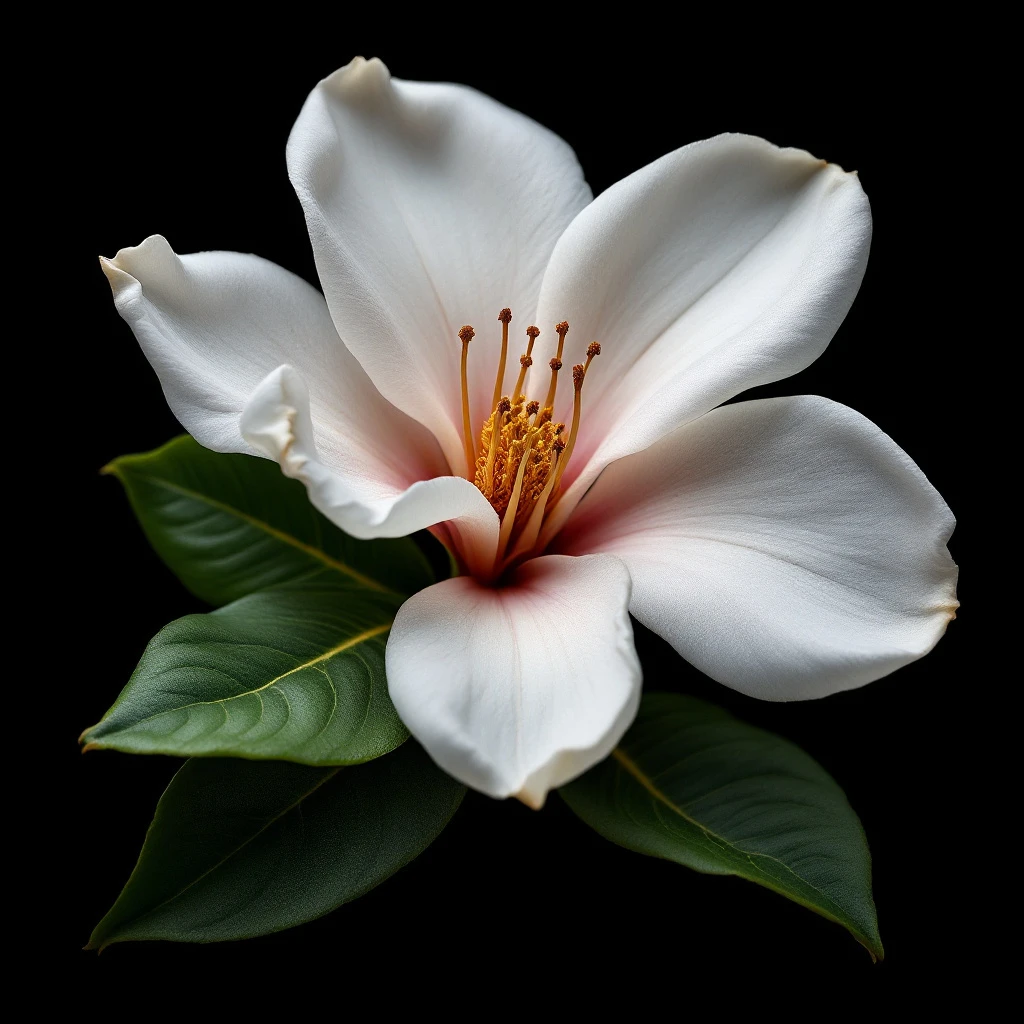
Caribbean Magnolia brings together sun-drenched floral sweetness with crisp citrus undertones. This white flower offers a luminous, multi-faceted scent that feels both fresh and opulent, making it a prized note in modern perfumery.
Character
How it smells
Solar white florals meet bright citrus.
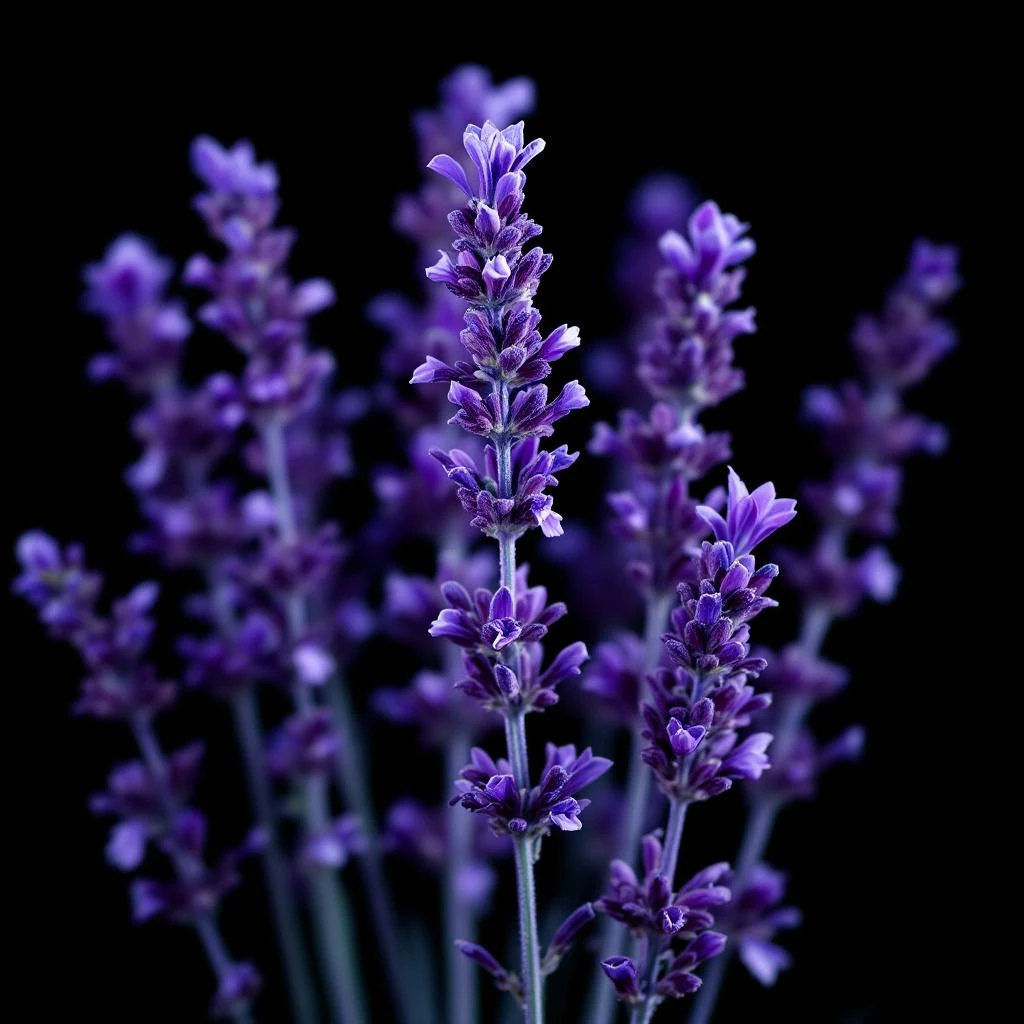
The magnolia flower's natural fragrance already contains linalool, the same compound that gives lavender its signature scent.






Origin
China
The magnolia flower carries a botanical legacy tied to Pierre Magnol, the 17th-century French botanist who pioneered the concept of classifying plants into families. His innovative system became the foundation of modern taxonomy. Indigenous peoples across the American South and Central America have long valued magnolia for its ornamental and aromatic qualities.
The flowering of Magnolia grandiflora marks seasonal transitions in its native habitat, while Caribbean fragrance traditions have increasingly incorporated this white flower into their compositions. Today, magnolia bridges Old World botanical science with New World natural perfumery.
Wears it best
Fragrances featuring Caribbean Magnolia
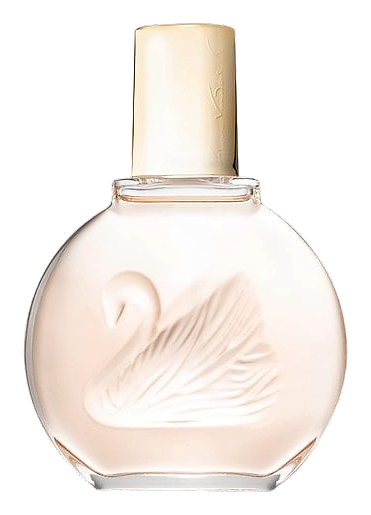
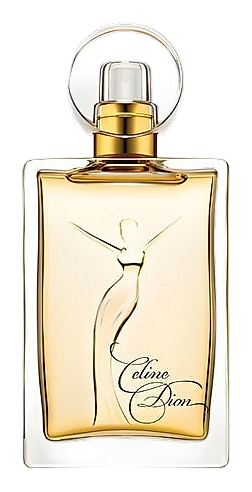
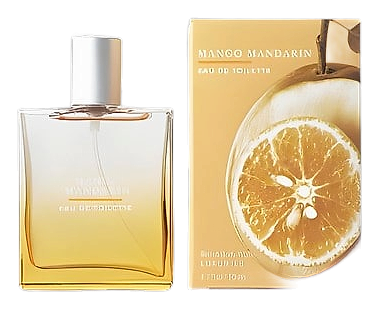
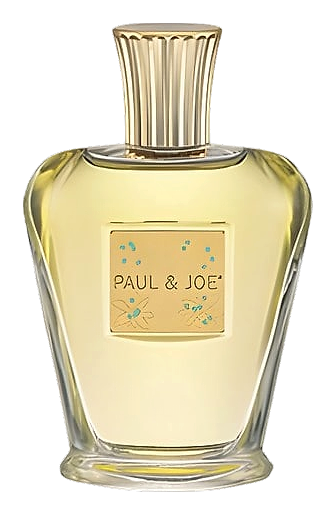
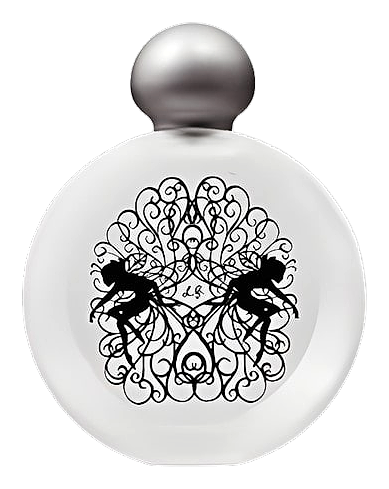
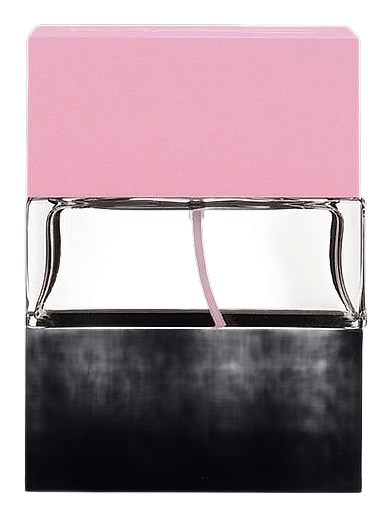

Brands
Brands known for Caribbean Magnolia
Good to know
Questions, answered
The essentials on Caribbean Magnolia in perfumery: how it smells, where it comes from, and how it behaves on skin.
What does magnolia smell like?
Magnolia combines creamy white floral notes with bright citrus and subtle green undertones. Think gardenia freshness with a lemon verbena lift and hints of cucumber. The result feels simultaneously lush and clean.
Is magnolia oil commercially available?
True magnolia absolute is rarely produced commercially. The flowers do not yield essential oil through steam distillation, so solvent extraction remains the only practical method for capturing their scent.
How does magnolia compare to jasmine or gardenia?
Magnolia shares gardenia's creamy white floral warmth but adds a distinctive citrusy brightness that jasmine lacks. The combination creates something more multifaceted than either flower alone.
Why is magnolia less common than other white florals in perfumery?
The scarcity of natural magnolia absolute keeps this note relatively rare in mainstream fragrances. Most perfumers work with synthetic recreations or use magnolia as a supporting accent rather than a dominant note.
What gives magnolia its citrusy character?
Natural magnolia fragrance contains citronellol and other aromatic compounds that contribute citrus and rose-like facets. This built-in citrus quality makes magnolia feel inherently fresh compared to heavier white florals.
Where does commercial magnolia absolute come from?
China supplies most commercial magnolia materials, primarily from Guangxi and Fujian provinces. The absolute comes from Michelia alba and Magnolia grandiflora blossoms processed through solvent extraction.
Are there synthetic alternatives to natural magnolia?
Yes, synthetic magnolia bases exist and cost significantly less than natural absolute. However, naturals offer subtle aromatic complexity that synthetics cannot fully replicate.
What makes Caribbean Magnolia different from standard magnolia?
Caribbean Magnolia refers to magnolias grown in Caribbean regions, where the terroir and growing conditions may influence the flower’s aromatic profile. The warm climate and soil conditions produce blossoms with distinct brightness and character.