
The Story
Why it exists.
The beginning
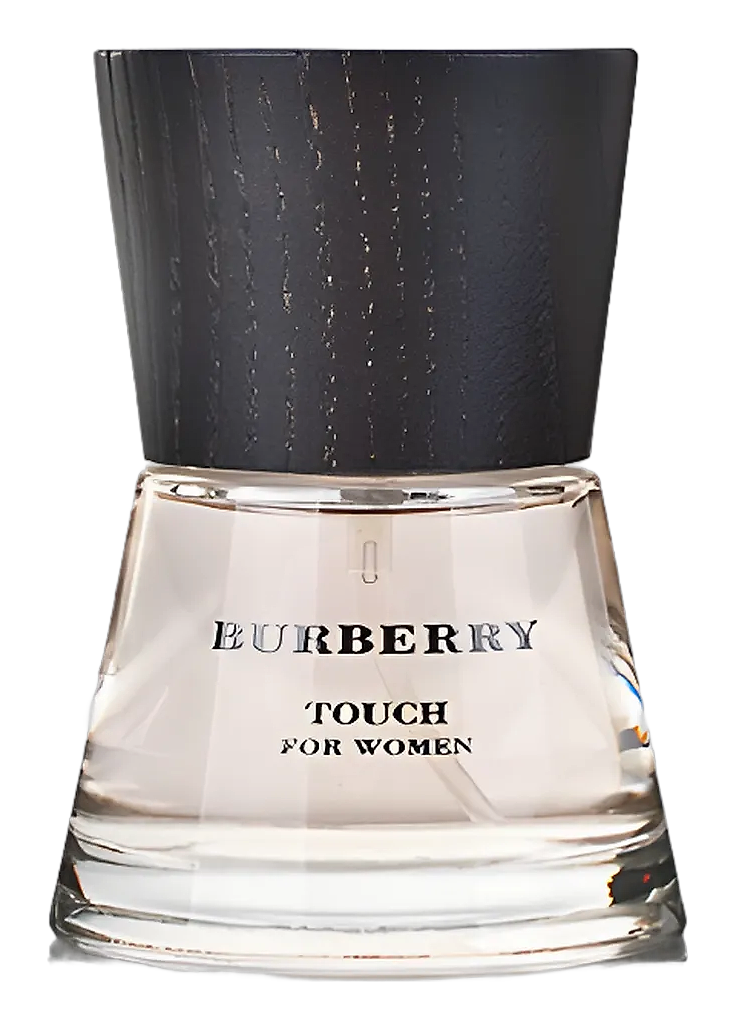
In 1998, Burberry found itself at an inflection point. A new creative director, Roberto Menichetti, had arrived with a mandate to honor the house's heritage without becoming imprisoned by it. It was into this atmosphere of careful renewal that Michel Girard composed Touch for Women, a fragrance designed to bridge the brand's tweedy past with a more modern sensibility. Girard, working with the house's brief, created something that reflected Burberry's British roots while reaching toward a broader, more universal appeal.
The note structure reveals a clear philosophy: start with brightness and charm, deepen into richness, then settle into warmth. The Californian orange and dewy berry opening is designed for immediate likeability. The tuberose-forward heart brings depth for those who linger. The vanilla and cedar drydown ensures the fragrance leaves a lasting impression without overwhelming. This progression mirrors the Burberry approach to fashion: approachable elegance rather than intimidating luxury.
The evolution
The fragrance begins with a burst of Californian orange and dewy berries, a cheerful opening that signals accessibility and warmth. Blackcurrant adds tart depth while rose whispers through the brightness. As the composition develops, tuberose emerges as the dominant presence, joined by jasmine's heady sweetness and lily's clean floral notes. Peach and raspberry keep the heart from becoming heavy, providing juicy contrast. The drydown shifts toward intimacy: vanilla wraps the skin while cedarwood provides structure and oakmoss adds a subtle, earthbound quality that feels British in the best sense.
Cultural impact
Touch for Women arrived in 1998 as part of a broader reset at Burberry under new creative leadership. The fragrance found its audience among women looking for something softer than the louder florals of the era, present but not projecting, warm but not sweet. It developed a quiet following rather than a blockbuster one. What keeps it relevant is that contradictory character: tart-fruity opening, powdery-soft heart, woody-warm base. It's not one thing. That makes it interesting.