Californian orange
Californian orange captures the sun-drenched brightness of citrus cultivated along the state's Mediterranean coastline. Unlike industrially grown varieties, Californian oranges develop slower in coastal microclimates, producing aromatic compounds with exceptional clarity and a distinctly clean, crisp character that translates beautifully to fragrance.

Character
How it smells
Pacific sunshine captured in every drop.
California's navel orange industry began from just two trees brought from Brazil in 1873, which became the foundation of the entire Southern California citrus economy.






Origin
United States
California's romance with citrus began in the 1870s when missionaries first cultivated oranges for sacramental wine. The variety that transformed the state's agricultural identity was the navel orange, descended from two trees imported from Brazil in 1873 and planted near Riverside. Within decades, the region became synonymous with citrus, and orange blossoms became so culturally embedded that communities named themselves and their industries after the fruit.
By the early twentieth century, California produced the majority of America's fresh citrus, and perfumers began sourcing local orange oil for its distinctive terroir-driven character. While Brazilian and Italian orange oil dominate industrial perfumery, Californian orange remains a sought-after ingredient for artisans seeking a cleaner, more restrained citrus profile with less of the lingering terpenic roughness found in oils from tropical growing regions.
Wears it best
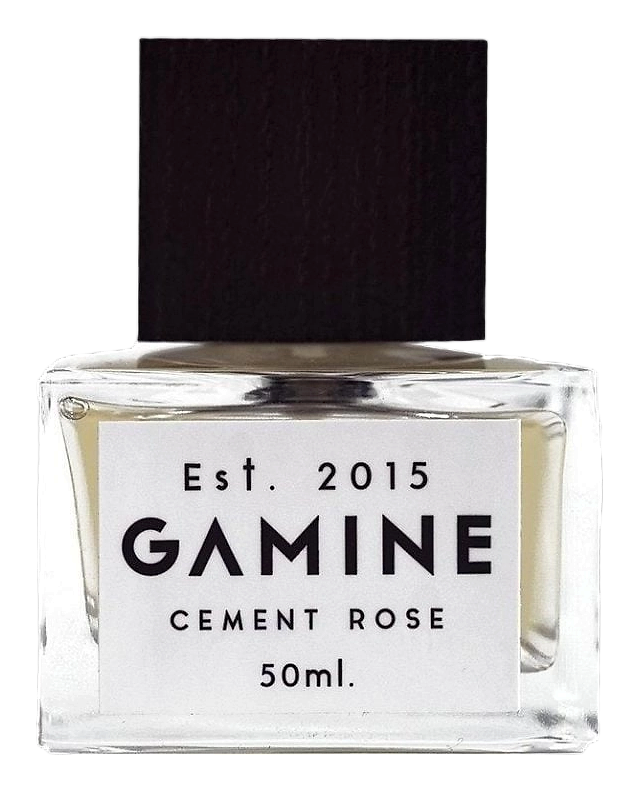
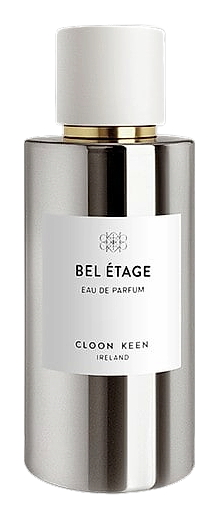
Fragrances featuring Californian orange





Brands
Brands known for Californian orange
Good to know
Questions, answered
The essentials on Californian orange in perfumery: how it smells, where it comes from, and how it behaves on skin.
What does Californian orange smell like in perfume?
Californian orange oil offers a clean, bright citrus character with less terpene sharpness than tropical varieties. It reads as fresh, crisp, and sunlit with subtle floral undertones from the blossoms.
How is Californian orange oil extracted?
Producers extract the oil through cold expression, applying mechanical pressure to freshly peeled zest without heat. This preserves delicate aromatic compounds that would degrade under thermal processing.
Why is California significant for orange cultivation?
The state's Mediterranean climate, with warm days and cool nights, produces oranges with slower development and higher aromatic complexity compared to tropical regions where fruit ripens rapidly.
How does Californian orange differ from Brazilian orange oil?
Brazilian oil tends toward a sharper, more terpenic character suited to industrial applications. Californian orange offers a gentler, cleaner citrus that works better in fine fragrances seeking nuanced brightness.
Is orange blossom the same as orange peel oil?
No. Orange blossom (neroli) comes from the flowers through steam distillation and carries a delicate floral character. Orange peel oil comes from the zest and delivers bright citrus aroma.
Can I find Californian orange in mainstream fragrances?
Artisan and niche perfumers more commonly feature single-origin citrus materials. Larger brands typically use Brazilian or Italian oil due to volume availability, though the terroir-driven quality is gaining attention.
How should fragrances containing Californian orange be stored?
Citrus oils degrade when exposed to light and heat. Keep these fragrances away from direct sunlight and temperature fluctuations to preserve their bright character.
What fragrance families pair well with Californian orange?
Californian orange works beautifully in citrus colognes, chypres with citrus top notes, and modern florals. It also adds sparkle to green and aromatic compositions seeking a California character.