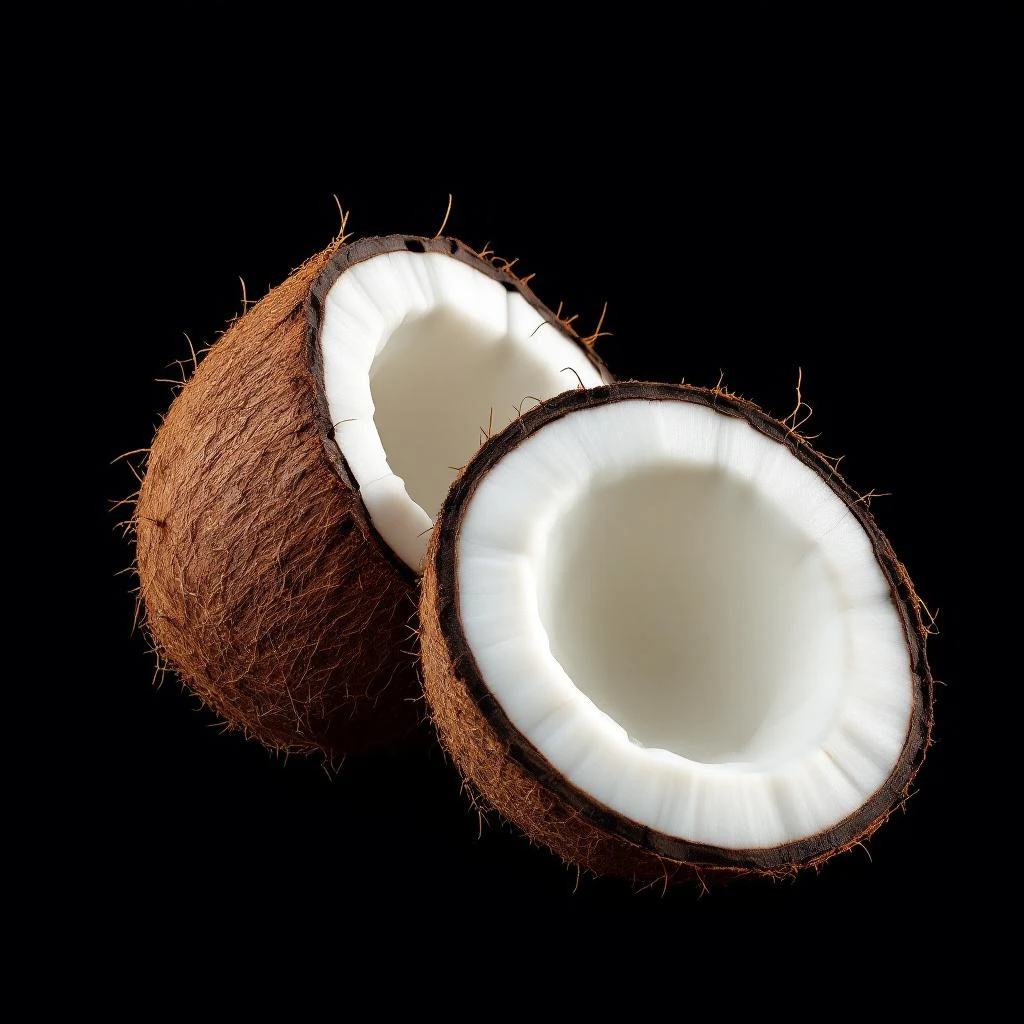
Dewberry
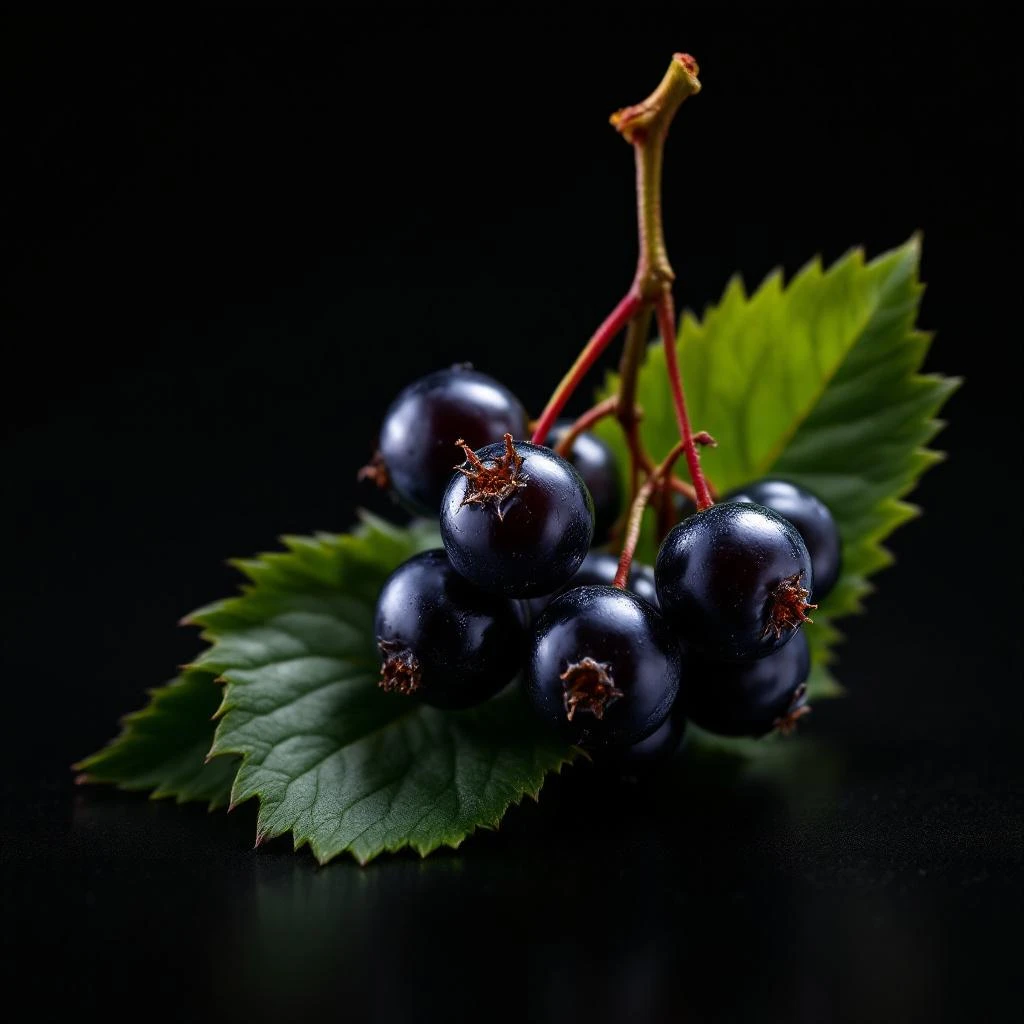
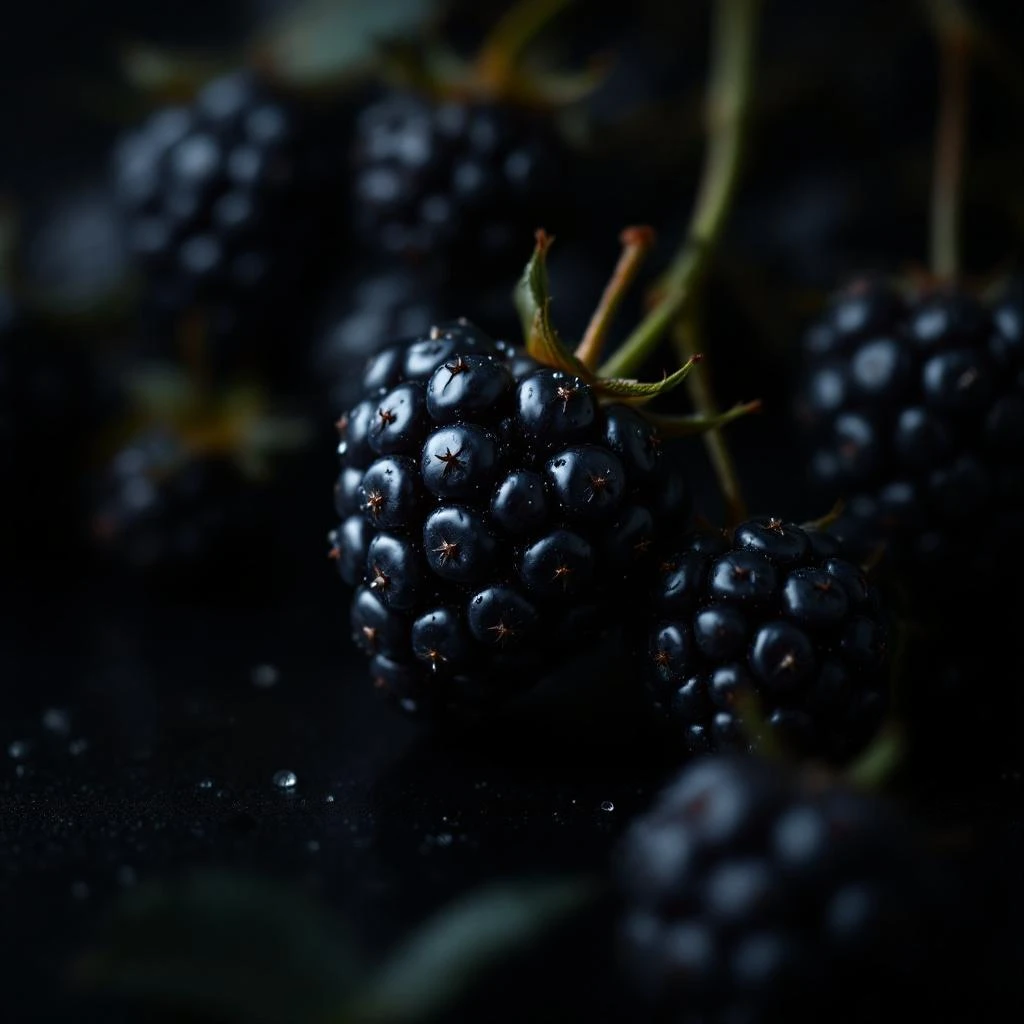
Dewberry captures the wild, sun-warmed sweetness of Rubus caesius—a European bramblefruit with a softer, more delicate character than its blackberry cousins. Its scent evokes dewy mornings and sun-dappled hedgerows.
Character
How it smells
Wild hedgerow sweetness captured at dawn.
The dewberry's Latin name caesius refers to its distinctive waxy, bluish-grey coating that gives the fruit a frosted, dewy appearance.








Origin
Europe
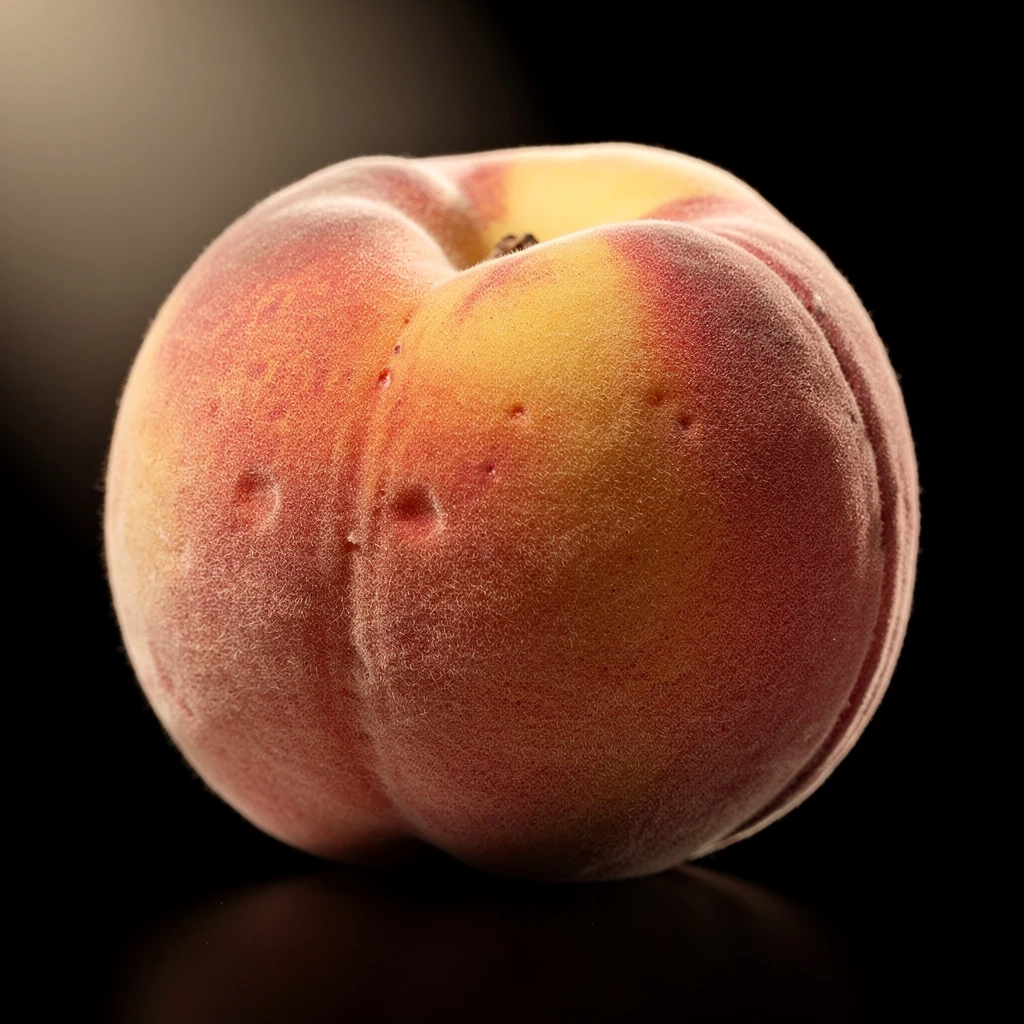
The dewberry (Rubus caesius) grows wild across Europe and Western Asia, trailing along meadows, woodland edges, and coastal dunes. Unlike its upright blackberry relatives, dewberry stems creep along the ground, rooting at nodes as they spread.
People have gathered dewberries from wild brambles for centuries throughout rural Europe, though the fruit never became a commercial crop like other berries. English herbalists documented dewberry use in traditional preparations and folk remedies through the medieval period.
The term itself appears in English records dating to the 14th century, derived from Old English roots describing the fruit's moist, dewy quality. Dewberry remained largely absent from perfumery until the 20th century, when advances in synthetic aroma chemistry gave perfumers access to its delicate, fleeting fruit character for the first time.
Wears it best
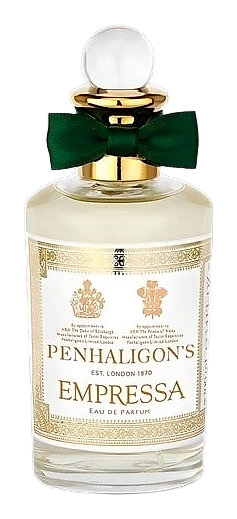
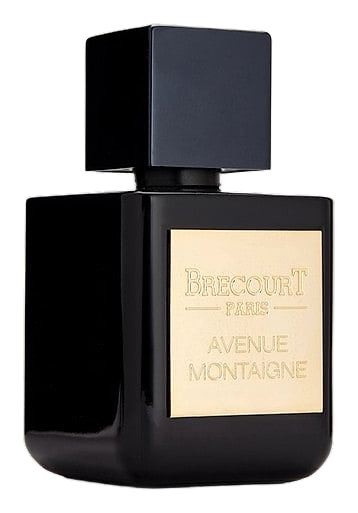
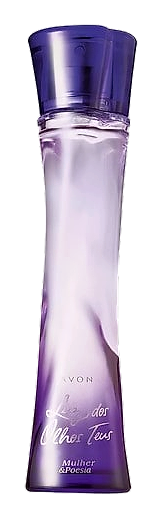
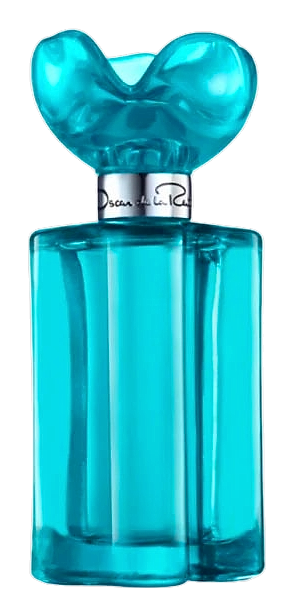
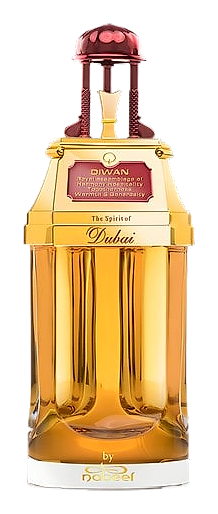
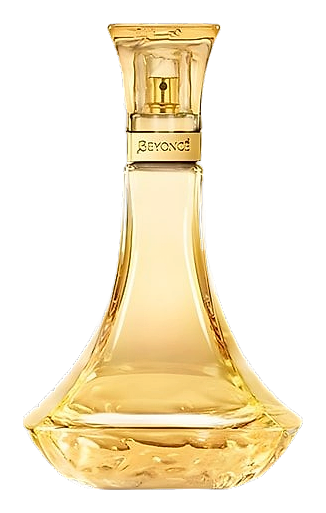
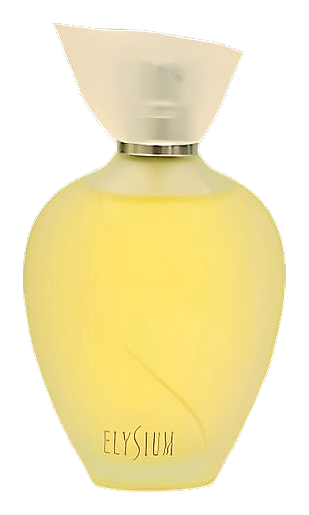
Fragrances featuring Dewberry
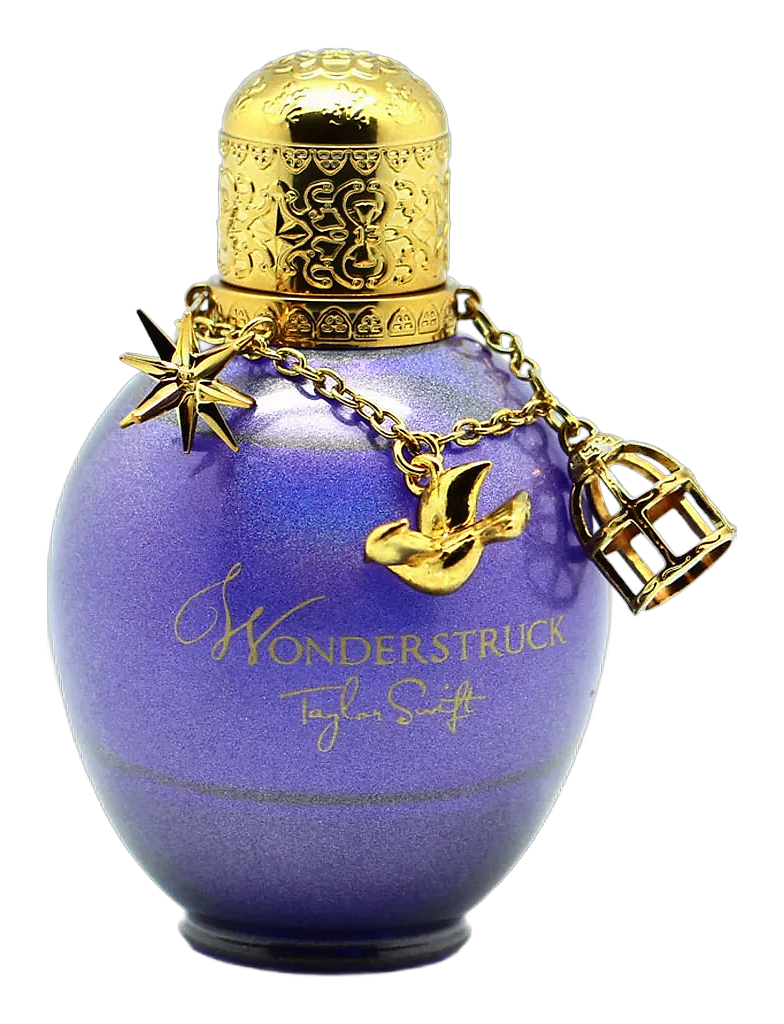
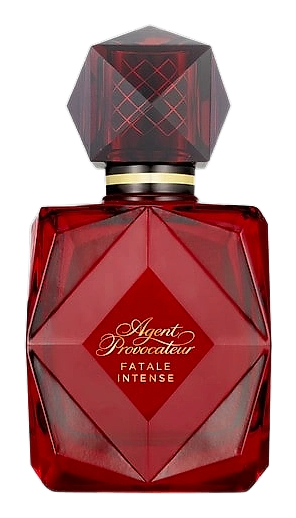
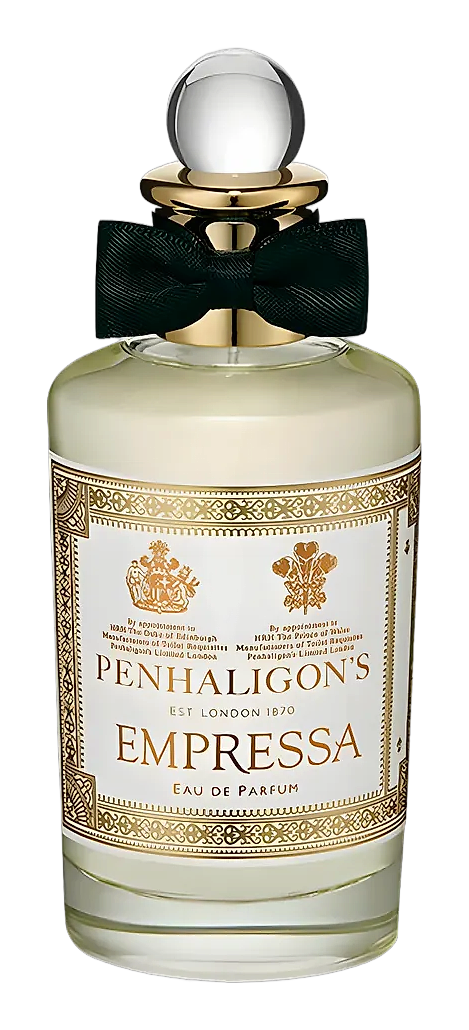
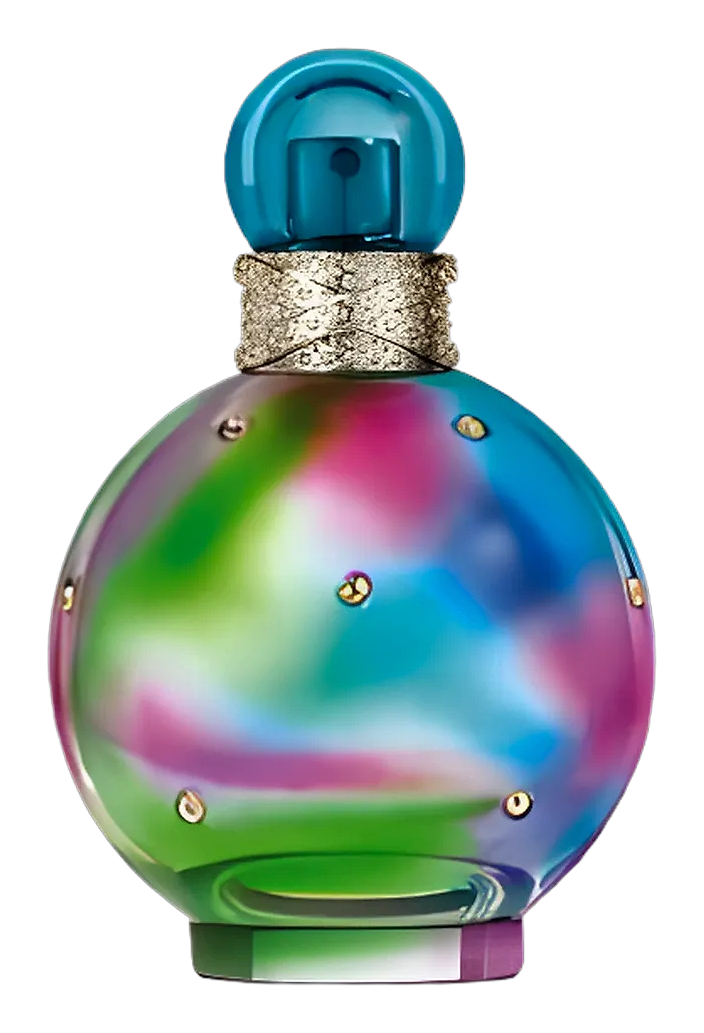
Brands
Brands known for Dewberry
Good to know
Questions, answered
The essentials on Dewberry in perfumery: how it smells, where it comes from, and how it behaves on skin.
What does dewberry smell like in perfume?
Dewberry has a bright, translucent fruity character distinct from heavier blackberry notes. It reads as lighter and slightly floral, with fresh green undertones that evoke the moment just before full ripeness—clean, dewy, and subtly sweet rather than jammy.
Is dewberry a natural or synthetic ingredient?
Dewberry in perfumery is synthetic. No commercial extraction method produces usable dewberry essence from fresh fruit. Perfumers use lab-created nature-identical compounds that replicate the exact aroma profile of Rubus caesius.
What aroma chemicals create dewberry scent?
Alpha-ionone provides the slightly floral berry foundation, while gamma-decalactone adds creamy fruit depth and short-chain aldehydes introduce crisp green freshness. These materials combine to match the full dewberry character.
When did dewberry enter the perfumery palette?
The dewberry note emerged in mainstream perfumery during the 1990s fruity-fresh trend. Earlier synthetic versions existed but gained commercial prominence as fruity florals became a dominant fragrance direction for women's scents.
Which fragrance families use dewberry most often?
Dewberry appears most frequently in floral-fruity compositions, typically in top or heart notes. It also works in light chypres and fresh orientals, where its bright character adds lift without heaviness.
How does dewberry differ from blackberry in fragrance?
Blackberry notes tend toward deep, jammy sweetness, while dewberry reads as lighter and more restrained. Dewberry has that characteristic green, slightly floral quality absent from heavier blackberry interpretations.
What is the botanical origin of dewberry?
Dewberry refers to Rubus caesius, a European bramble species with trailing stems rather than upright canes. Its small, bluish fruits carry a waxy coating and grow wild across meadows and woodland edges throughout Europe.
Why isn't fresh dewberry used directly in perfumery?
Fresh dewberries yield almost no extractable oil, and their volatile aroma compounds degrade within hours of harvest. The fruit's high water content and instability make laboratory synthesis the only viable production method for fragrance use.