
The Story
Why it exists.
The beginning
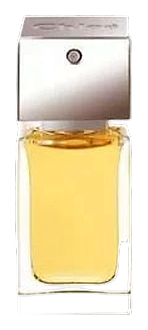
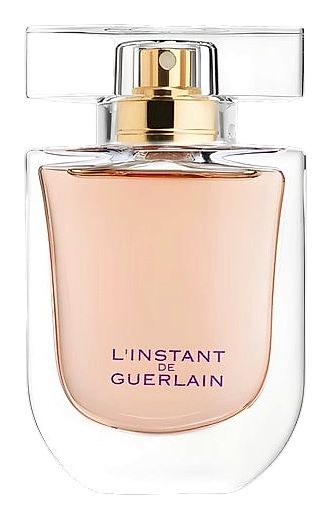
L'Instant de Guerlain EDT arrived in 2005 as a companion to the 2003 EDP, not a diluted version, but a distinct composition built from the ground up by Maurice Roucel. The name says it all: that instant, that moment of emotion between two people. Roucel captured it by starting bright and letting warmth arrive on its own terms.
What makes L'Instant interesting is how Roucel built tension into the pyramid rather than just layering pretty notes. The tart green apple against the creamy gardenia. The dark blackcurrant against the clean neroli. The magnolia's honeyed quality that bridges the florals to the amber without making the transition feel inevitable. Eight to ten hours of wear means the amber base becomes increasingly prominent as the florals soften, a slow reveal, not a static picture. For anyone who wants Guerlain's craftsmanship in a lighter register, this is where the house shows it can play in a different key without losing its voice.
The evolution
The opening hits bright and tart, green apple, bergamot, grapefruit, blackcurrant. Crisp. Almost sharp. The citrus-fruity burst lasts about thirty minutes before the heart takes over. Then the white florals arrive: magnolia's creamy petals, gardenia's waxy richness, jasmine's warm sweetness, neroli's clean lift, lily of the valley's green freshness. Luminous. Warm. The kind of brightness that feels like late afternoon sun through a window rather than a tropical assault. The drydown begins around the two-hour mark. The florals soften. Amber emerges, golden, resinous, wrapping everything in warmth that feels like sinking into sun-warmed skin. Hours later, you're left with a soft amber glow that lingers close to the skin. The memory of magnolia and gardenia faded but still present. Intimate. Persistent.
Cultural impact
L'Instant de Guerlain EDT has quietly earned its place as one of Guerlain's most approachable fragrances since 2005. Maurice Roucel, known for bolder compositions like Musc Ravageur, demonstrates here that restraint can be just as deliberate a choice. The solar-fruity-floral structure appeals to those new to the house who want Guerlain's craftsmanship without the weight of their heavier orientals. It occupies a specific niche: luminous, warm, and versatile enough for daily wear while carrying the house's 1828 heritage. For many wearers, it's become a signature precisely because the transition from bright opening to warm drydown feels like a small transformation, something that happens on your skin, quietly, without announcement.
The House
GuerlainGuerlain stands as one of the oldest and most revered perfume houses in the world, founded in Paris in 1828 by Pierre-François-Pascal Guerlain. What began as a boutique on rue de Rivoli quickly became the preferred destination for Parisian society, attracting dandies and elegant women who sought custom-crafted fragrances. The house's influence grew to such heights that Guerlain earned the title of Official Perfumer to Napoleon III after presenting Eau de Cologne Impériale to Empress Eugénie as a wedding gift in 1853. This royal patronage marked the beginning of Guerlain's enduring association with European aristocracy, as the house went on to create fragrances for Queen Victoria and Queen Isabella II of Spain. Today, under the creative direction of Thierry Wasser, the fifth-generation perfumer, Guerlain continues to shape the landscape of fine fragrance with a portfolio spanning over 1,100 olfactory creations. The house remains headquartered at its legendary Champs-Élysées mansion, a historic monument that anchors Guerlain's position at the intersection of heritage and contemporary luxury.
The Creator
Maurice RoucelRoucel's style is often described as opulent and sensual. He has a penchant for white flowers, particularly tuberose, which he often uses in rich, heady compositions.