The Story
Why it exists.
The beginning
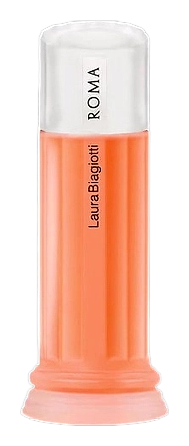
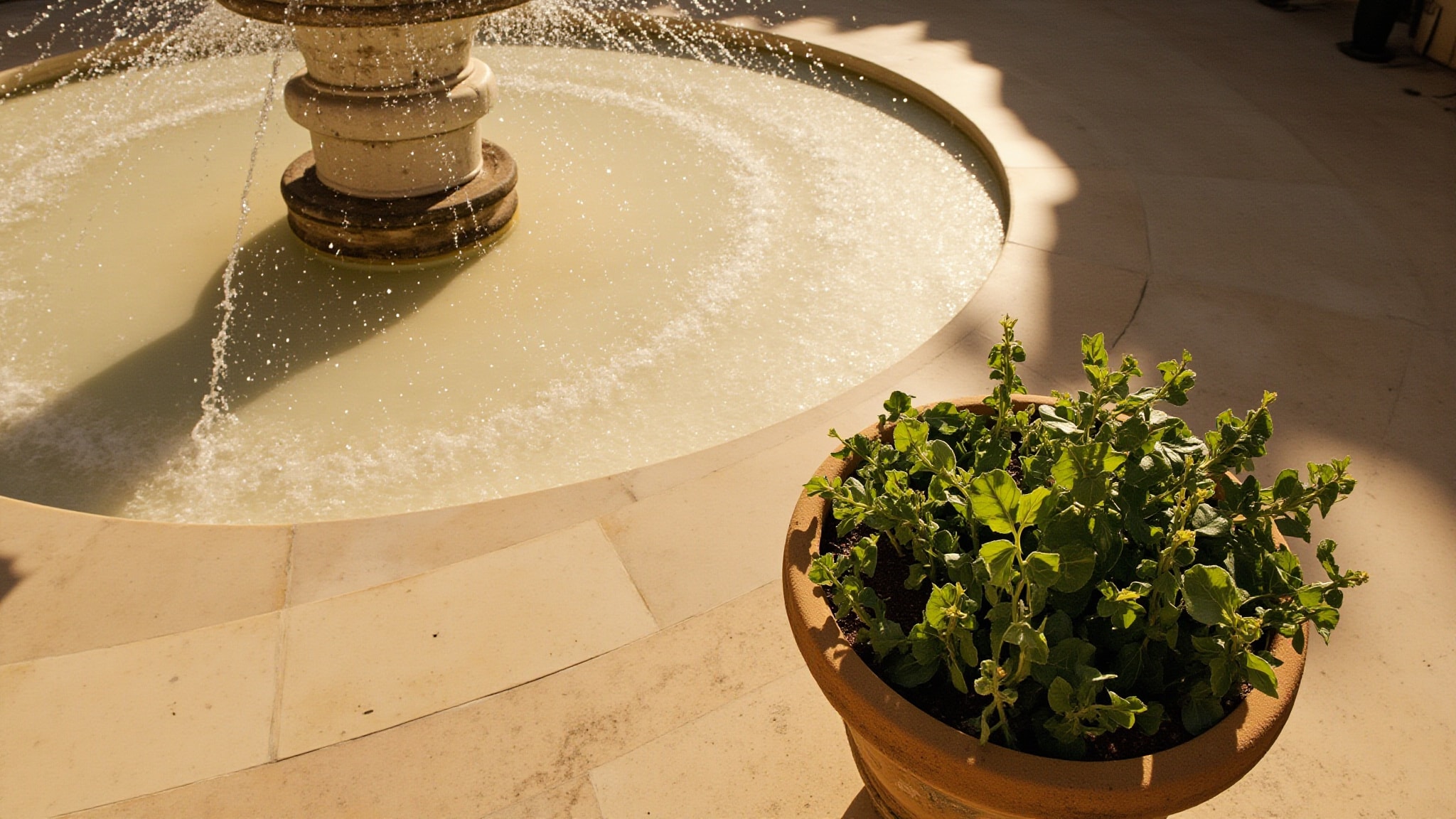
Laura Biagiotti conceived Roma in 1988 as an olfactory tribute to the Eternal City, and tasked Annick Menardo with translating stone, sunrise, and bustling piazzas into scent. Menardo chose ingredients that echo Rome is sun-kissed facades and fragrant gardens, working with materials like grapefruit and bergamot to capture morning light on travertine, while basil and bay leaf evoke the herbs growing in courtyard pots. The selection of balsam fir and juniper berries references the pine groves that border the city, and the drydown's oakmoss and patchouli ground the composition in something ancient and rooted, like walking through ruins where wild herbs still grow between the stones.
Menardo approach to Roma reflects a philosophy of contrast and balance. The bright, assertive citrus opening serves a specific purpose: it commands attention in crowded spaces, mimicking the sensory overload of Roman street life. But the heart and base tell a different story, one of courtyards and quiet churches, of shade and cool stone. The choice of heliotrope and jasmine provides floralcy without frivolity, while balsam fir and juniper berries ensure the fragrance never becomes merely pretty. In the drydown, benzoin and sandalwood create warmth, but oakmoss and patchouli keep things grounded and slightly wild.
The evolution
The fragrance opens with grapefruit and bergamot creating immediate luminosity, a bright citrus statement that feels like stepping out of a narrow Roman street into sudden sunlight. Within minutes, basil and bay leaf introduce a cooler, more herbal dimension, preventing the citrus from feeling generic. As the heart develops, heliotrope and jasmine soften the composition into something more feminine and floral, but geranium keeps the transition green and grounded. Juniper berries and balsam fir arrive to add a resinous, slightly bitter quality that bridges the heart and base. The drydown unfolds slowly: benzoin and amber provide warmth, sandalwood and cedarwood contribute woody depth, and patchouli, massoia wood, and oakmoss create an earthy, mossy foundation that lingers for hours. The musk in the base ensures the entire composition remains close to the skin, intimate rather than projecting.
Cultural impact
Since its 1988 debut, Roma has become a quiet staple among collectors who value its balanced blend of citrus vigor and warm oriental depth. It’s often cited as a quintessential late‑80s Italian Eau de Toilette, praised for its elegant evolution and lasting sillage, and continues to appear in vintage fragrance circles as a reference point for Mediterranean‑inspired compositions.