
The Story
Why it exists.
The beginning
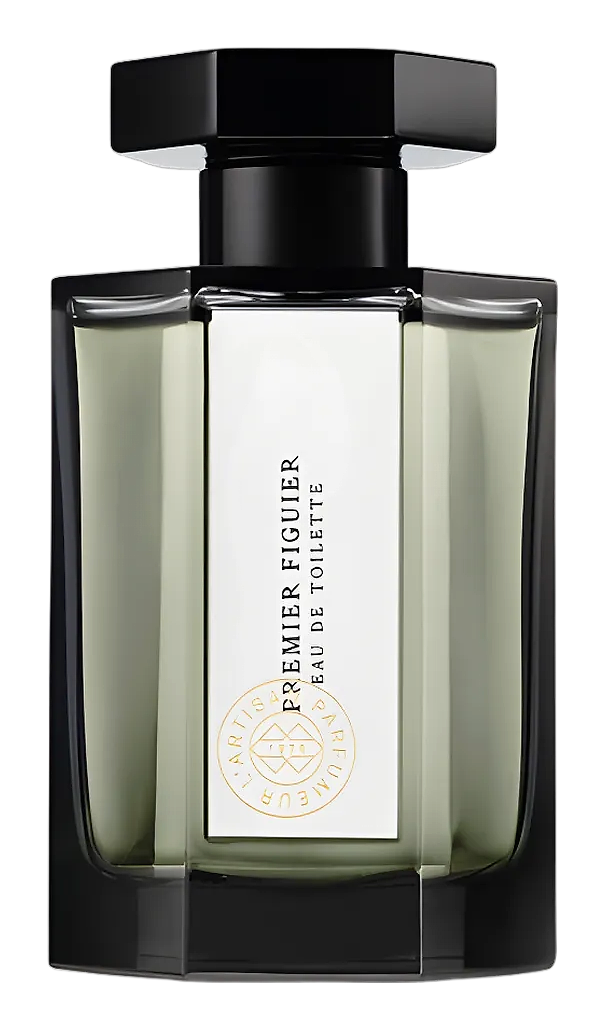
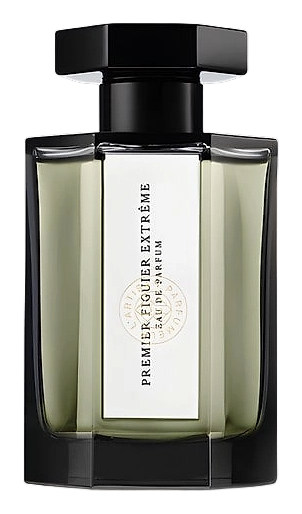
Premier Figuier Extrême represents a deepening of what the original fragrance began. The original had established a certain idea of what fig could offer, and this version pushes further into that territory. The green notes become more insistent, more alive, carrying the quality of fig leaves still attached to their branches. The milk note deepens into something richer and more substantial, moving away from any simple dairy association into a lactonic quality that feels more complex. The wood element remains present throughout, but it softens as the fragrance develops, allowing the creamy and green aspects to dominate without ever fully disappearing. What results is a fragrance that explores fig in its fullest form, taking each layer further than before.
What makes this composition unusual is how the lactonic notes behave. Coconut milk and almond milk don't behave like typical dairy accords, they're not creamy in the way vanilla or tonka might be. Instead, they create a textural quality, something almost chewy at the heart of the fragrance. Combined with dried fruits, the effect is less dessert and more preserves, fig jam warmed in afternoon sun. The fig wood in the base anchors this with something slightly bitter, almost resinous, preventing the composition from becoming too sweet. Pine needles add a final dimension: a green, slightly maritime note that keeps the entire composition grounded in the tree rather than in a kitchen.
The evolution
The opening announces itself with bright green, fig leaf, still attached, still alive. Broom adds a slight herbal edge, something wild beneath the cultivated fruit. The milk arrives next, not dairy milk, something nuttier, with an amaretto quality that shifts the sweetness into something more complex. The dried fruits follow, adding body without weight. This middle phase holds as the lactonic quality becomes dominant, the green slowly receding but never fully vanishing. Then the wood arrives. Fig wood and sandalwood together create a warm base that extends the fragrance well past its initial projection. Pine needles keep it from becoming too sweet, a final reminder that this came from a tree, not a laboratory. The drydown lingers close, intimate rather than projecting, the kind of fragrance that rewards the wearer more than the room.
Cultural impact
Premier Figuier Extrême occupies a distinct space within the fig fragrance category. It avoids the extremes of the genre, neither the boldest interpretation nor the sweetest. Instead it offers complexity without heaviness, green without sharpness. The fragrance treats fig with restraint, allowing each element to appear in its proper proportion rather than competing for attention. Those who encounter it find a scent that rewards attention rather than demanding it, a fragrance that works quietly rather than making a statement.
The House
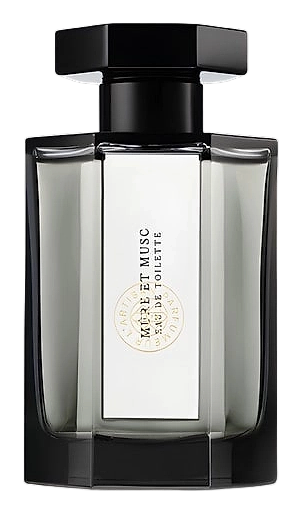
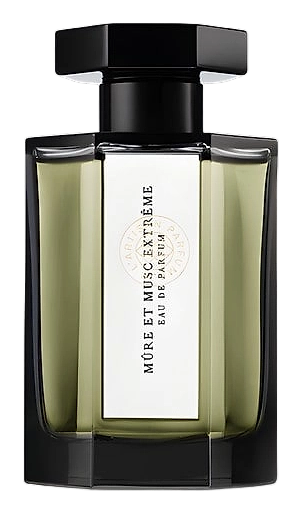
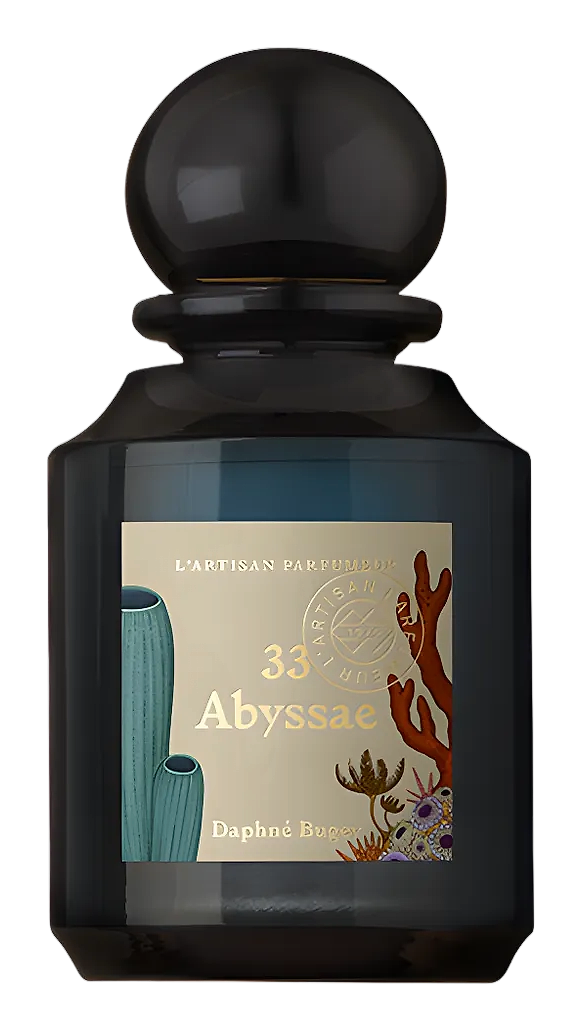
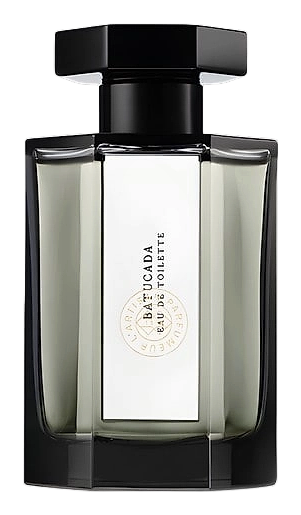
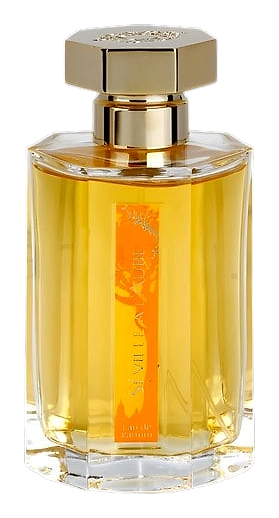
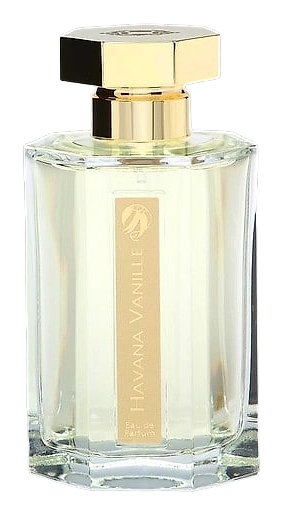
L'Artisan ParfumeurL'Artisan Parfumeur arrived in 1976 with a quietly radical idea: perfume should feel personal, not mass-produced. Founded by chemist Jean Laporte in Paris, the house became one of the first true niche fragrance houses, championing natural ingredients and artisanal craft at a time when blockbuster launches dominated the market. Its Mûre et Musc, launched in 1978, paired blackberry and musk in a way no one had attempted before, and it became a sensation. Over nearly five decades, the house has continued to create unusual fragrances with distinguished noses, never following trends but trusting instead in beautiful materials and imaginative composition.
The Creator
Olivia GiacobettiOlivia Giacobetti built her reputation on transparency, refinement, and a willingness to pursue notes others overlooked. Her most celebrated achievement remains popularizing fig in contemporary perfumery, beginning with Premier Figuier in 1994 and culminating in Philosykos in…