The Story
Why it exists.
The beginning
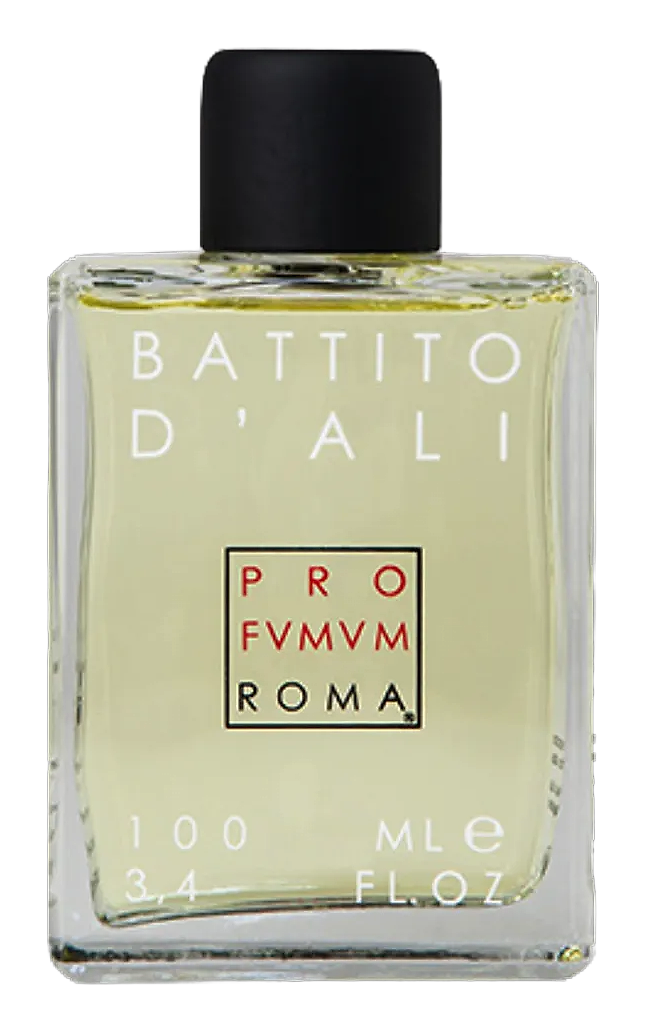
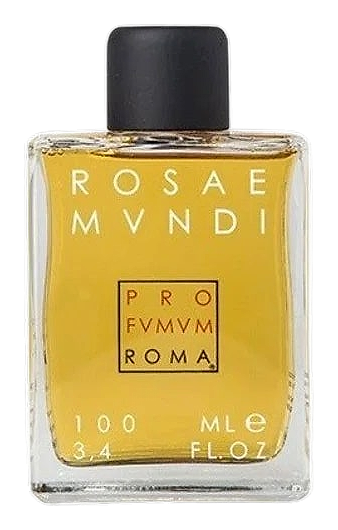
Rosae Mundi translates to "rose of the world", a name borrowed from medieval Latin poetry, where it denoted the wild rose as a symbol of beauty spread across the earth. Profumum Roma chose it for a fragrance built on exactly that idea: rose as a universal language, translated through Italian craft into something concentrated and lasting. The brief was simple: take the most recognizable floral in perfumery and make it speak earth instead of florist. Launched in 2012, it entered a lineup already populated by bold, story-driven compositions. Rosae Mundi arrived quieter, not a statement but a question about what rose becomes when it stops trying to impress.
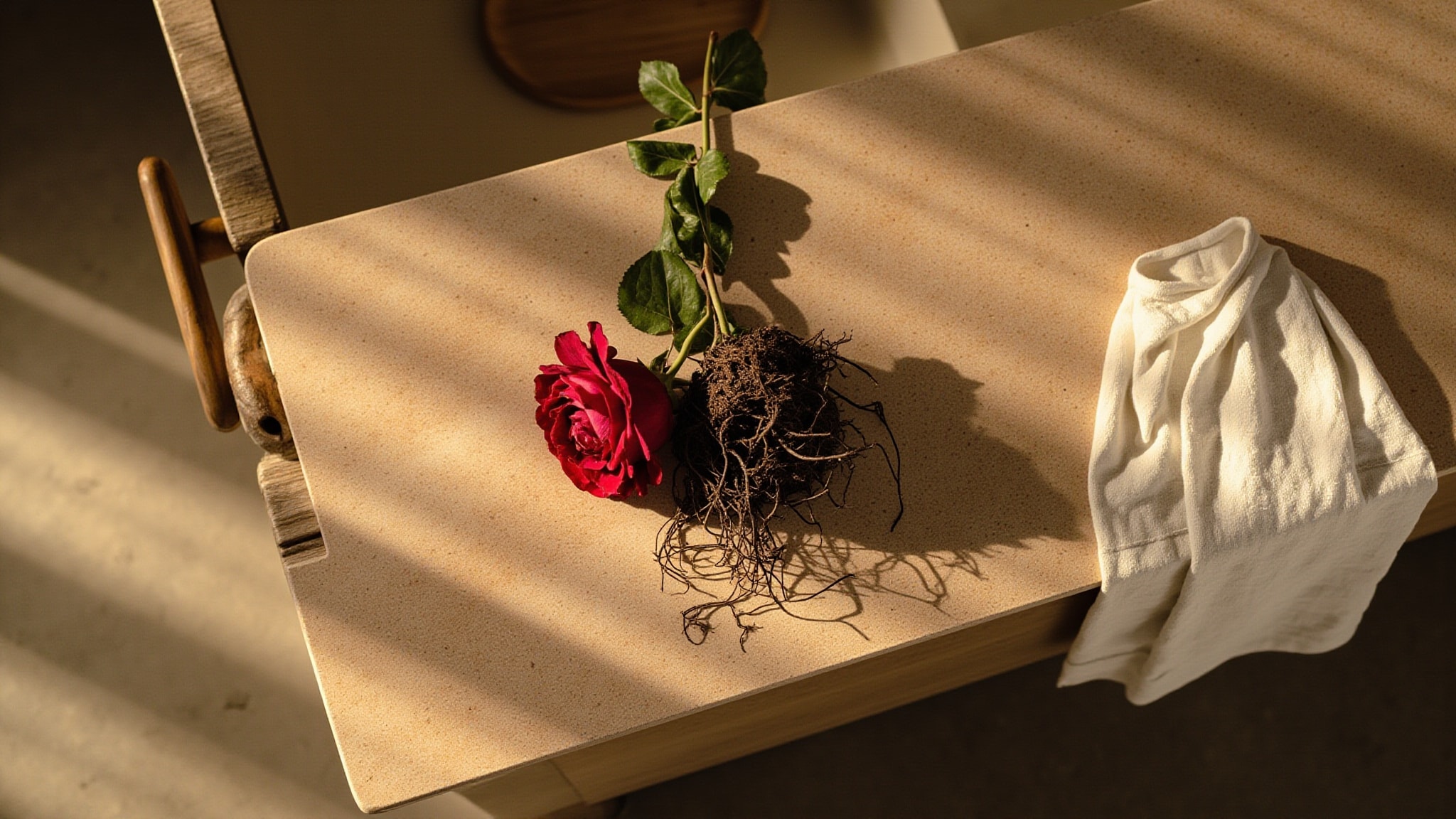
The choice of vetiver as a core material is the quietly radical decision here. Vetiver doesn't compete with rose, it contextualizes it. Where most rose fragrances reach for musk or fruit to soften, Rosae Mundi reaches down into root and earth. Cedar then adds a dry, pencil-shaving warmth that keeps the composition from tipping into romanticism. The result is a rose that smells like it grew somewhere specific, not cultivated in a greenhouse. Four notes. Disciplined. That constraint is the point, it's what Profumum Roma does with less that separates them from houses that pile on.
The evolution
The opening announces rose immediately, not the dewy romantic rose of a thousand feminine fragrances, but something cleaner, more like rose water distilled and poured over warm skin. There's a honeyed sweetness that lingers for the first thirty minutes, almost edible in its restraint. Then the cedar begins to assert itself, dry and warm, and the patchouli emerges from underneath like soil turning over in a garden. The vetiver arrives last, in the final hours, when everything else has settled and you're left with a warm, woody exhale close to the skin. Eight to ten hours on most surfaces. The drydown on fabric is particularly good, it stays there, faint and pleasant, long after you've stopped checking.
Cultural impact
Within Profumum Roma's collection, Rosae Mundi occupies a particular position: it's the house's most accessible composition, the one new collectors reach for when navigating the brand for the first time. This accessibility has made it both beloved and, some argue, insufficiently distinct. The rose-patchouli-vetiver combination is a recognized olfactory archetype, familiar enough that experienced collectors may find it underwhelming compared to the house's more idiosyncratic releases. Yet the execution through Profumum's concentrated formula elevates it above comparable compositions from houses with lower oil percentages.