
The Story
Why it exists.
The beginning
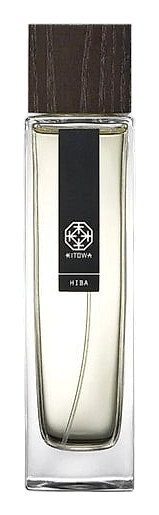
Hiba by KITOWA is built around Japanese woods, with the aromatic character of the hiba tree leading from the first spray. The hiba is a conifer with a distinct resinous quality and a slightly camphorated character that gives it presence. Bright citrus opens the composition, with grapefruit zest, pine needles, and tea tree oil arriving together in a crisp, clean accord. These top notes lift the heavier wood notes without obscuring them, creating an opening that feels clear and immediate. The composition gives the tree room to speak. Just the wood, given space to assert itself.
What makes Hiba distinctive is the brand's refusal to treat Japanese woods as background material. The forest aromatics go first. They arrive sharp, resinous, camphorated, with a dense green quality that suggests depth rather than lightness. The composition pairs this with tea tree oil, a choice that extends the conifer character and reinforces the green, slightly medicinal quality throughout the opening. The combination creates a distinctive entry that feels rooted in Japanese conifer aromatics while maintaining complexity and lift.
The evolution
The opening hits bright and immediate, grapefruit zest followed quickly by the sharp quality of pine needles and tea tree. As the top notes begin to settle, the conifer notes develop into something denser and more pronounced. The hiba asserts itself as a prominent element, resinous and warm in its character. Jasmine arrives in the heart, its floralcy adding a layer of complexity that prevents the composition from reading as purely conifer. The patchouli adds an earthy undertone that gives depth to the composition. As the fragrance continues to develop, the base notes take over. Amber and musk create warmth close to skin. The tonka bean adds a faint sweetness that suggests warmth without becoming overtly sweet.
Cultural impact
Hiba occupies a specific position in the landscape of woody fragrances: a composition built around Japanese conifer as a structural lead rather than a supporting note. The fragrance has been described as evocative of natural forest settings, capturing aromatic qualities associated with conifer rather than abstractly representing woodiness. The scent appeals to fragrance enthusiasts who appreciate its character and natural feel. Those drawn to the fragrance tend to value its distinctive approach to woody aromatics and its emphasis on conifer as the primary olfactory element.