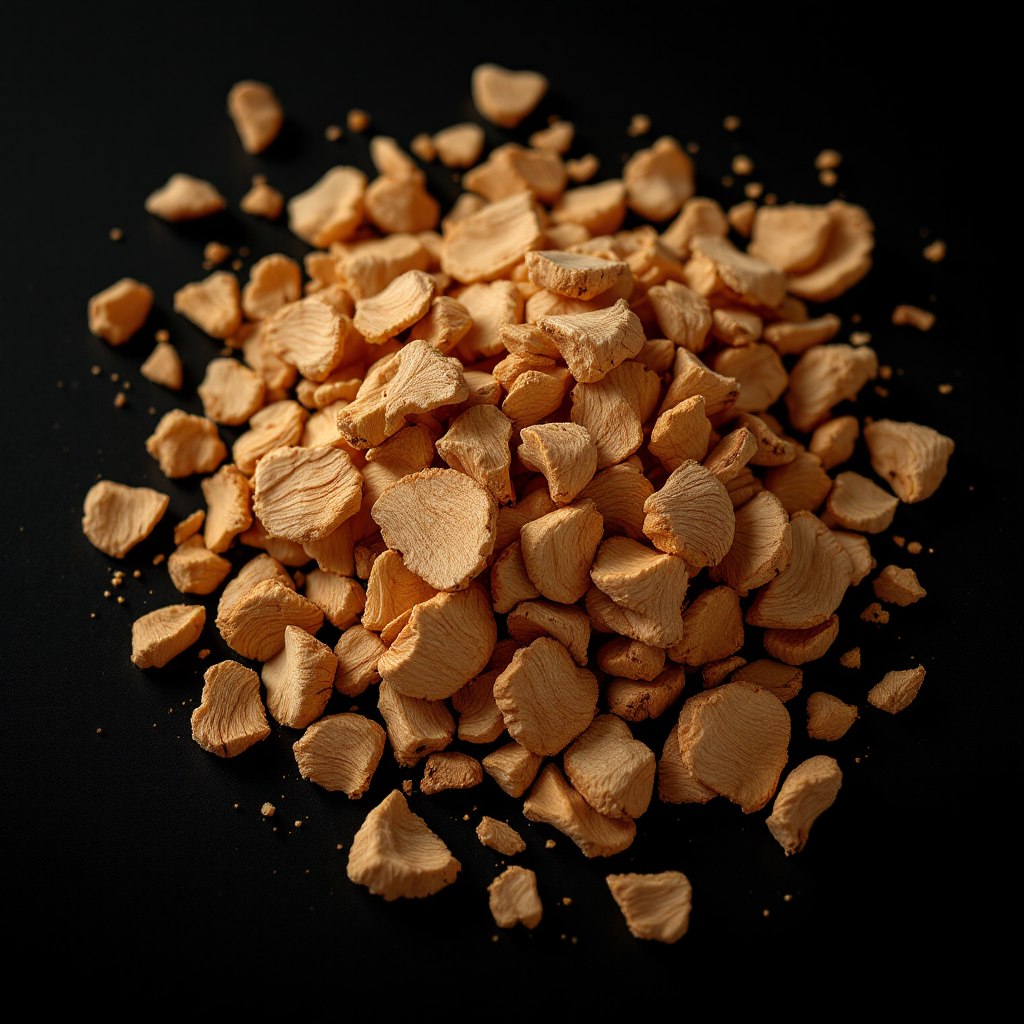
Tea Tree
A sharp, medicinal-fresh note extracted from the leaves of Australian Melaleuca alternifolia. Tea tree oil brings a camphoraceous brightness to fragrance, valued for its crisp, antiseptic character and ability to add clarity to aromatic compositions.

Character
How it smells
Australia's aromatic antiseptic in a bottle.
The name "tea tree" originated from 18th-century sailors who brewed its leaves as a substitute for tea during Captain Cook's voyages.









Origin
Australia
Australian Aboriginal peoples have used Melaleuca leaves in traditional healing remedies for thousands of years, crushing the foliage to treat wounds, infections, and skin conditions. When Captain James Cook's expedition arrived in 1770, crew members brewed tea from the aromatic leaves, earning the plant its misleading English name. Scientific investigation began in the 1920s when Australian chemist Arthur Penfold published research demonstrating the oil's remarkable antiseptic properties, finding it effective against a broader spectrum of microorganisms than carbolic acid, the standard disinfectant of the era.
The commercial industry expanded rapidly during World War II when Australian soldiers received rations containing tea tree oil for wound treatment. While primarily valued in medicinal and cosmetic applications today, perfumers incorporate tea tree oil to introduce a crisp, clarifying element that bridges fresh and aromatic fragrance categories.
Wears it best
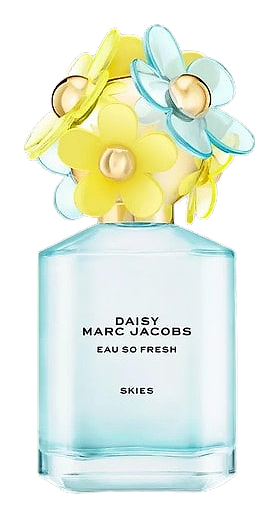
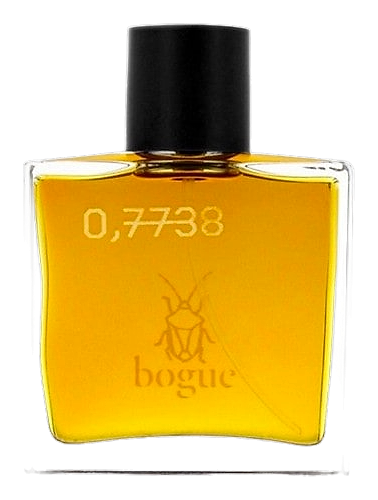
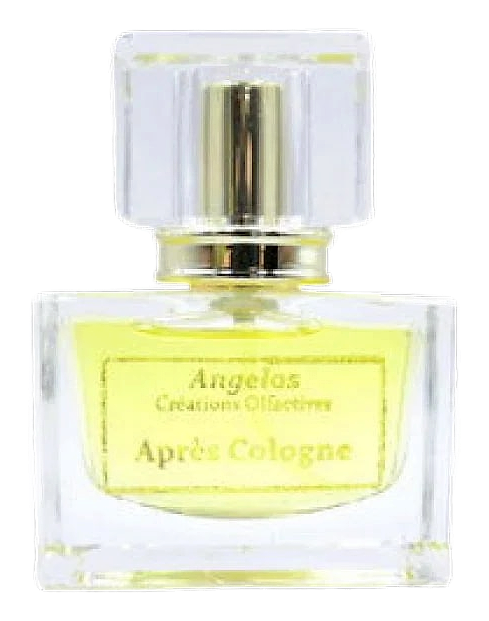
Fragrances featuring Tea Tree
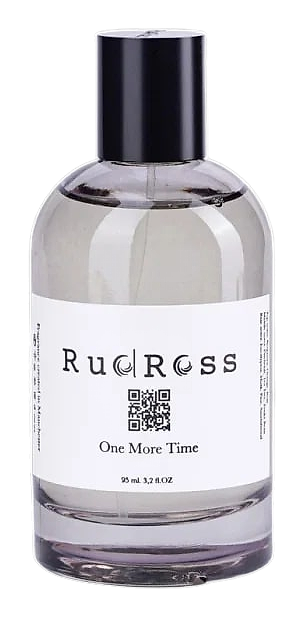
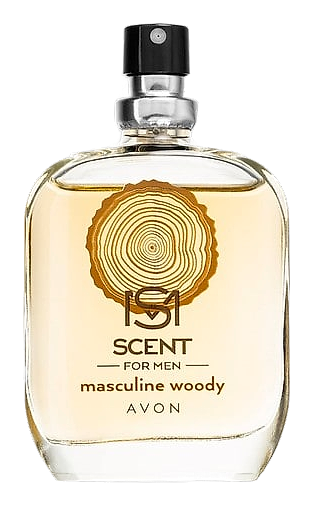
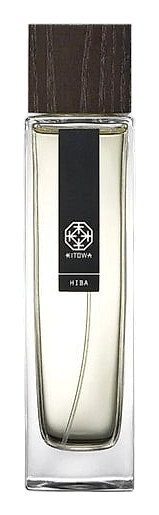
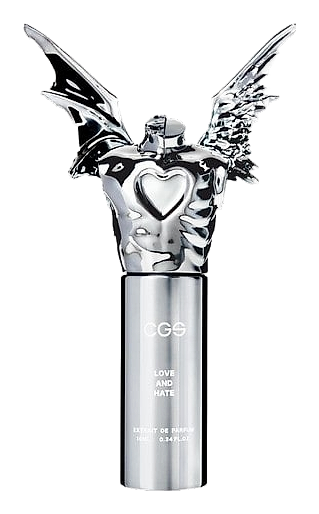

Brands
Brands known for Tea Tree
Good to know
Questions, answered
The essentials on Tea Tree in perfumery: how it smells, where it comes from, and how it behaves on skin.
What does tea tree oil smell like in perfume?
Tea tree oil carries a sharp, medicinal-fresh scent with camphoraceous and slightly woody undertones. In fragrance, it adds crisp clarity and a clean, antiseptic character rather than serving as a dominant note.
Is tea tree oil the same as tea extract from Camellia sinensis?
No, these are entirely different plants. Tea tree (Melaleuca alternifolia) belongs to the myrtle family, while tea (Camellia sinensis) is the plant producing the beverage. Their aromas and chemical compositions share no meaningful similarity.
Is tea tree oil used in fine perfumery?
Tea tree oil appears more frequently in functional fragrances and aromatherapy products than in luxury fine fragrances. It serves as a supporting fresh note rather than a signature ingredient in high-end perfumery.
What fragrance families pair well with tea tree?
Tea tree oil complements fougere, aromatic, and fresh aquatic fragrance structures. It blends naturally with lavender, eucalyptus, rosemary, and mint, reinforcing the crisp, green quality these families seek.
Can tea tree oil cause skin reactions in perfume?
Tea tree oil is a known contact allergen for a small percentage of people. IFRA recommends limiting concentration to 1% in consumer products, particularly leave-on formulations, due to potential sensitization risk.
What compounds give tea tree its characteristic scent?
Terpinen-4-ol provides the warm, medicinal base while gamma-terpinene and alpha-terpinene contribute sharp, citrusy top notes. The combination creates the distinctive fresh-antiseptic character recognized worldwide.
Where does the highest quality tea tree oil originate?
The Byron Bay region of New South Wales, Australia, remains the premier source of therapeutic-grade tea tree oil. The specific swampy coastal environment produces leaves with optimal terpinen-4-ol content.
How is tea tree oil different from eucalyptus oil?
Both are Australian essential oils with fresh, medicinal characters, but tea tree offers more complexity with woody undertones while eucalyptus is dominated by its characteristic sharp, menthol-like coolness.