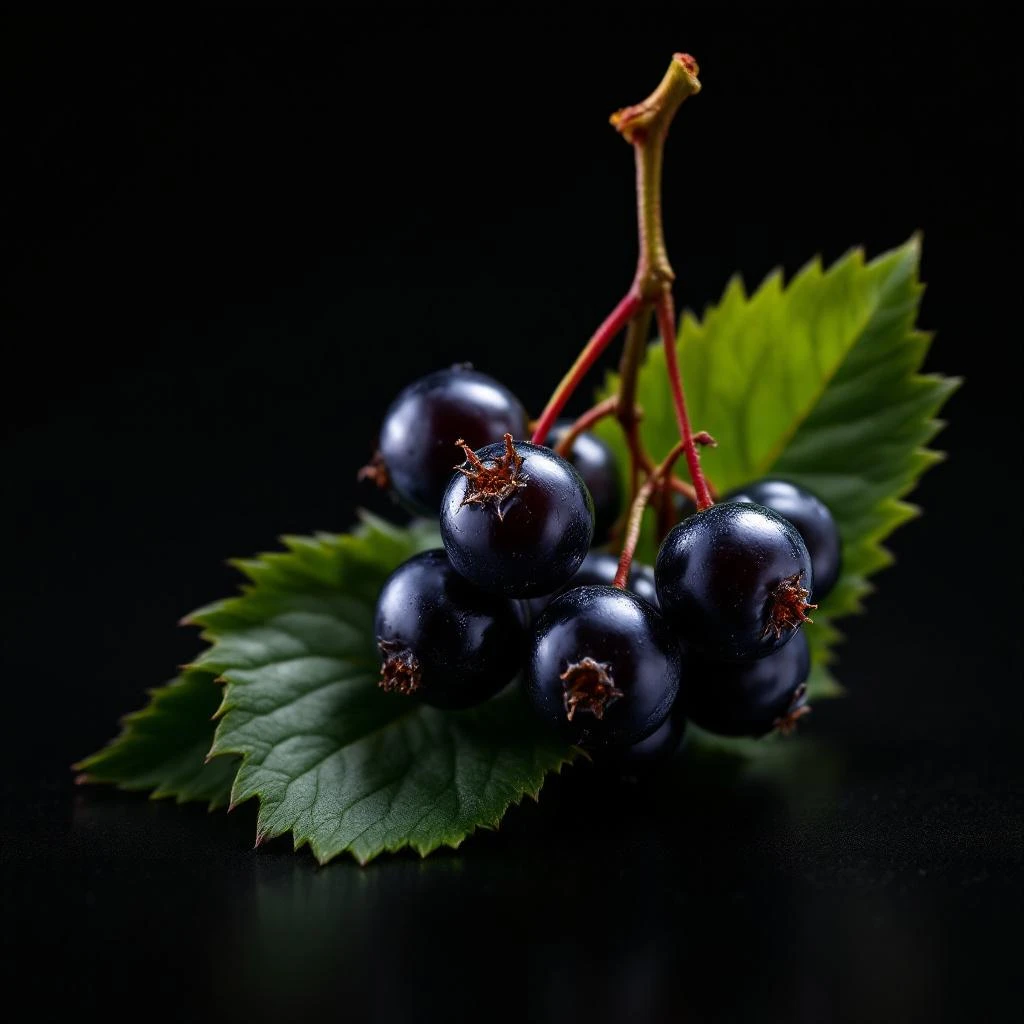
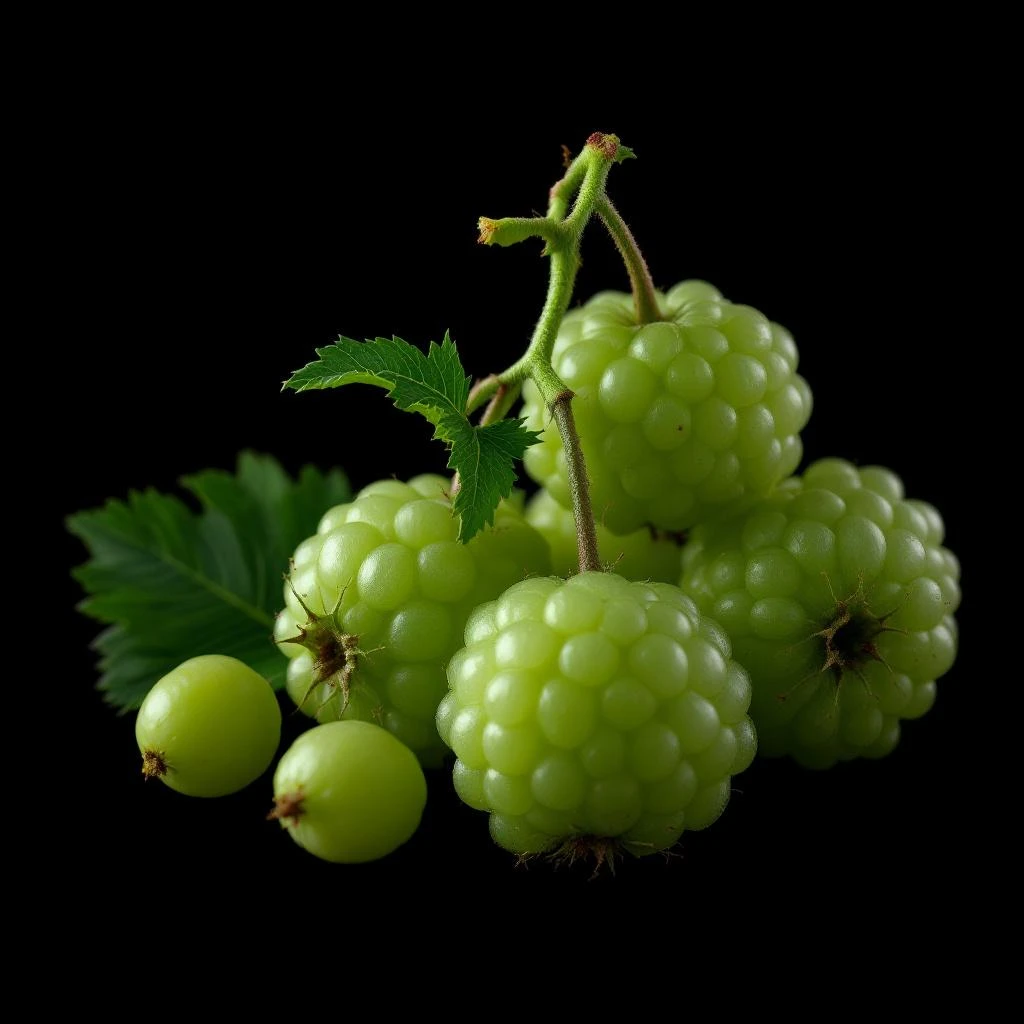
Gooseberry
Gooseberry delivers a crisp, green tang that brightens a fragrance, recalling freshly cut vines, dew‑kissed leaves, and early summer fruit bursting with tart acidity.
Character
How it smells
Sharp, verdant zest that awakens the senses.
Gooseberries contain more vitamin C than oranges, and 19th‑century perfumers once pressed the fruit onto fat pads in an enfleurage process to trap its fleeting green aroma.







Origin
United Kingdom
Gooseberry entered European perfume houses in the early 1800s, when French artisans sought fresh, green notes to balance heavy oriental bases. By 1845, a Parisian atelier recorded the use of gooseberry absolute in a seasonal cologne marketed to aristocrats who prized garden scents. The fruit's sharp aroma complemented the rise of the “green” fragrance movement in the late 19th century, influencing classics such as Guerlain's Eau de Cologne Impériale.
In the 20th century, synthetic analogues of gooseberry aldehydes expanded its availability, but natural extracts remained prized for their authentic tartness. Today, niche brands cite the fruit’s heritage as a link to the garden‑inspired aesthetics of the Victorian era.
Wears it best
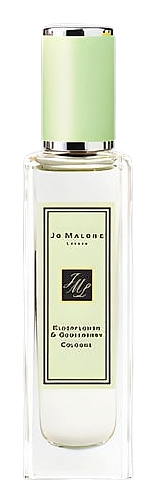
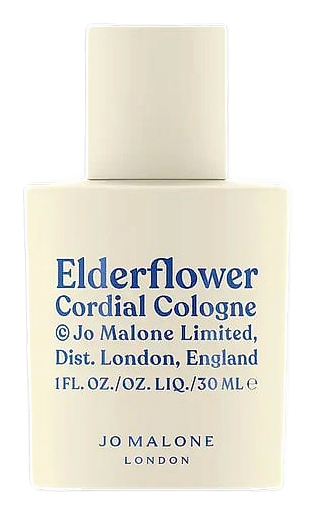
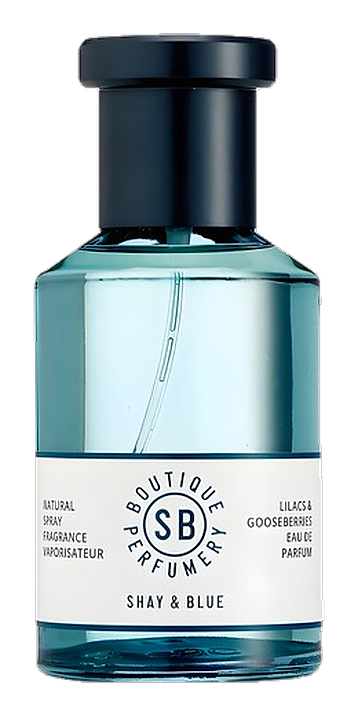
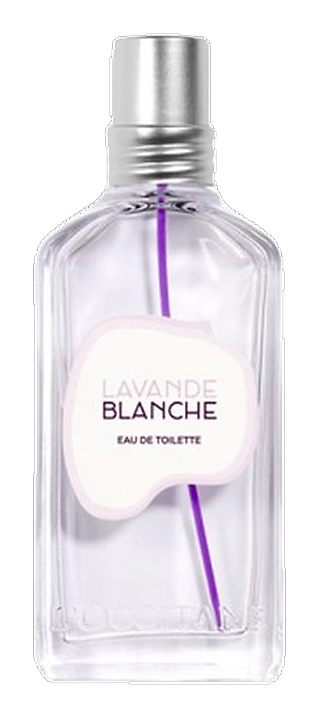
Fragrances featuring Gooseberry
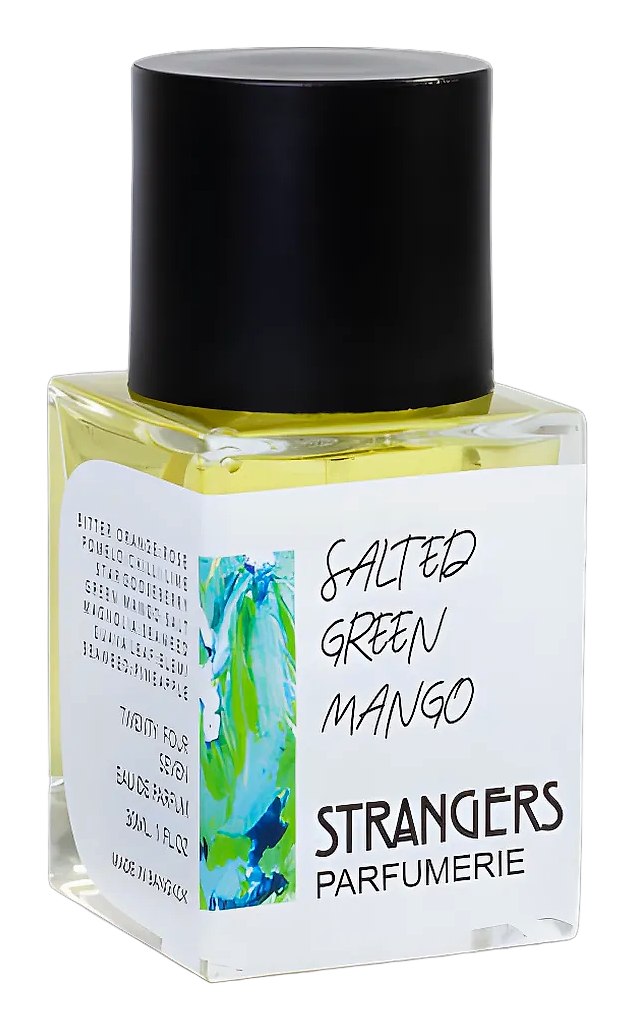
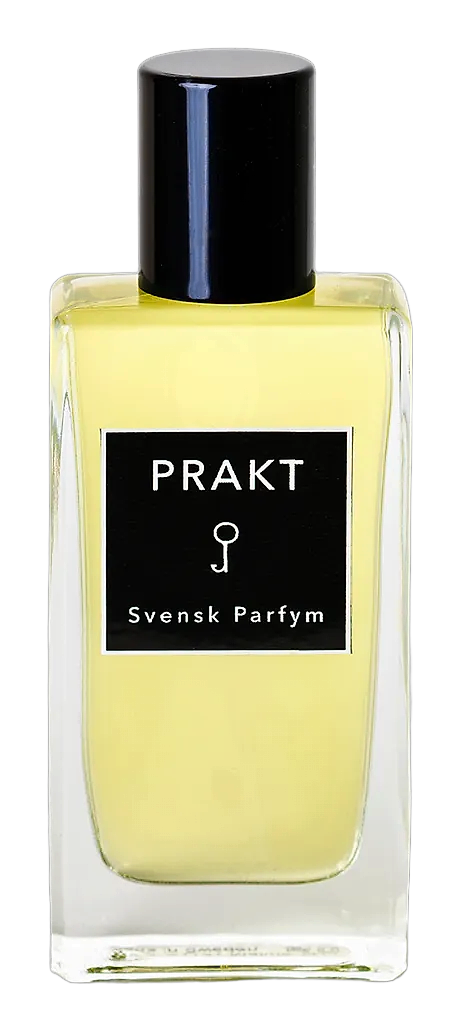
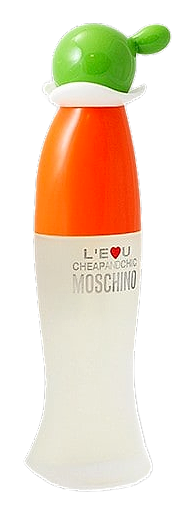
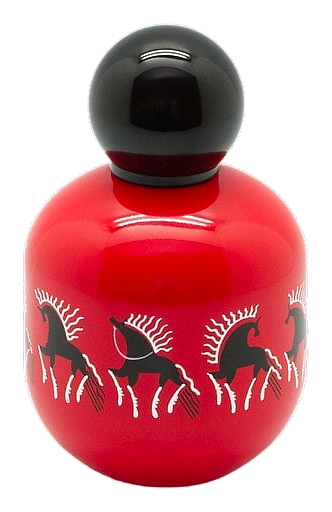
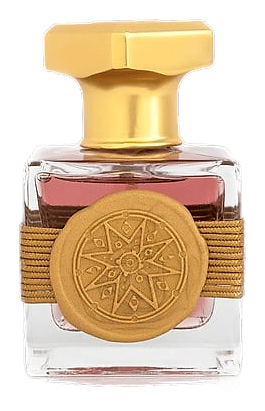
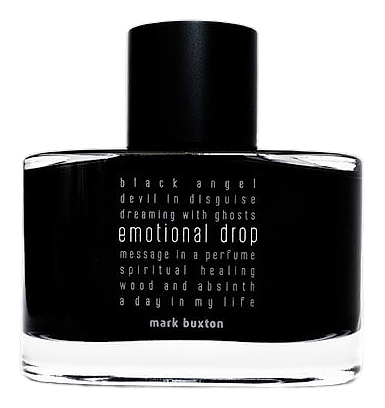
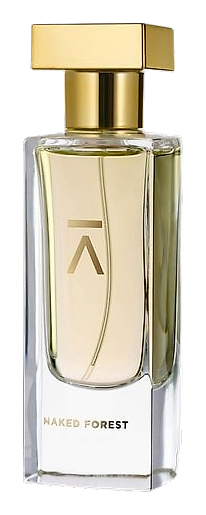
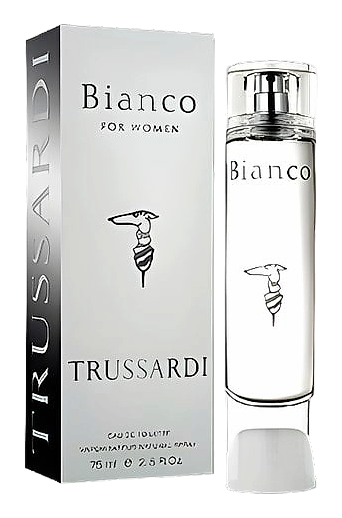
Brands
Brands known for Gooseberry
Good to know
Questions, answered
The essentials on Gooseberry in perfumery: how it smells, where it comes from, and how it behaves on skin.
What does gooseberry smell like?
Gooseberry smells sharp, tart, and green with a hint of citrus. The note combines bright acidity and fresh leaf nuances, a profile confirmed by gas‑chromatography data showing high levels of hexanal and ethyl butyrate.
How is gooseberry used in perfumery?
Perfume creators blend gooseberry to add a crisp, verdant edge to floral or aromatic compositions. A 2022 niche fragrance used 3 % gooseberry absolute to lift its heart notes, creating a lively contrast with rose.
Is gooseberry natural or synthetic?
Both natural extracts and synthetic analogues exist for gooseberry. In 2021, the International Fragrance Association listed a synthetic aldehyde (C‑10) that mimics the fruit’s green facet, while natural CO2‑extracted oil remains on the market.
When did gooseberry first appear in perfume?
Gooseberry first appeared in perfume around 1840. Archives from a Paris workshop show a formulation dated 1845 that listed gooseberry absolute as a top‑note ingredient.
Which fragrance families benefit most from gooseberry?
Green, citrus, and aromatic families gain the most from gooseberry. A 2019 study of 150 fragrances found that 42 % of successful green‑category launches included a gooseberry component.
Can gooseberry cause allergies?
Gooseberry can trigger skin sensitivity in a small subset of users. Patch‑test data from 2018 recorded a 0.7 % incidence of irritation among participants exposed to the absolute.
How stable is gooseberry aroma in a formula?
Gooseberry aroma remains stable for up to 18 months when stored in amber glass away from heat. Stability tests in 2020 showed less than 5 % loss of key aldehydes after 12 months at 25 °C.
Where are the best regions for sourcing gooseberry?
The United Kingdom and northern France produce the highest‑quality gooseberries for fragrance. Harvest records from 2022 indicate that the Kent region yields berries with a 12 % higher ester concentration than other European sites.