The Story
Why it exists.
The beginning
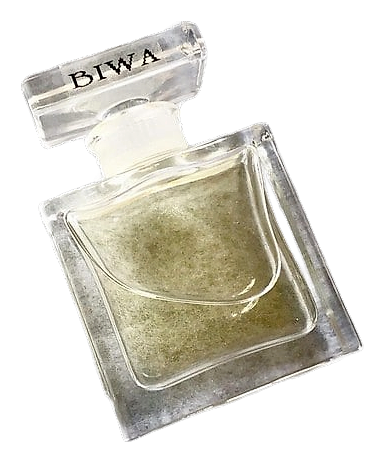
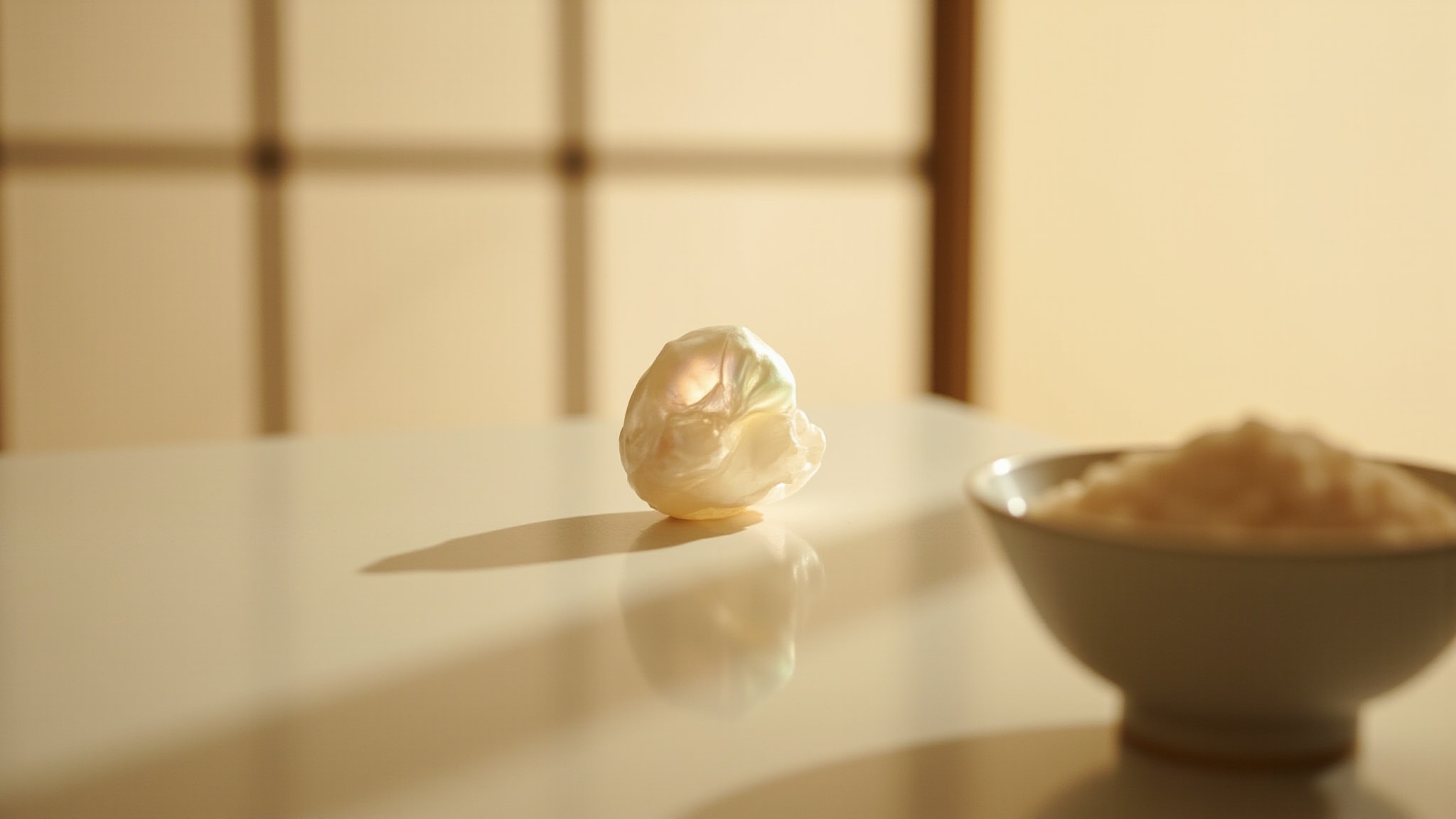
Biwa began as a fragrance someone smelled in their mind first. Robert Herrmann, the editor of ÇaFleureBon, envisioned it, a scent that captured the luminous quality of Japanese freshwater Biwa pearls and the deep lake that produces them. He shared that vision with Dawn Spencer Hurwitz, who translated it into something you could actually wear. The result is less a perfume than a quiet study in translucence, built around ingredients that carry weight without ever seeming heavy. Rice serves as a structural element here, bringing a warm, almost mineral softness that anchors the composition. The aldehydes add a Western brightness that complements the Japanese aesthetic, creating a bridge between restraint and richness.
Aldehydes are the unexpected element here. In most compositions they function as structural support, lifting, brightening, then stepping aside. In Biwa they do that, but they also linger longer than expected, lending the opening a slightly waxy, almost candlelit quality that sits beneath the rice and vanilla throughout the wear. The rice absolute provides depth and a faint starchy warmth, while the powder adds the powdery softness that gives the heart its characteristic feel.
The evolution
The opening arrives bright and cool, aldehydes first, then a brief flash of mint that cools the air before the hinoki settles in. The mint fades quickly, leaving the cypress and aldehydes to set the stage for what comes next. The jasmine rice takes over, and the character shifts from waxy and cool to warm and almost edible. The rice powder softens everything further, and for a while Biwa reads as quiet, powdery, close. Then the base begins its slow emergence. Cedarwood arrives first, dry and slightly resinous, adding a deeper woody presence that grounds the composition. The vanilla doesn't overpower; it threads through the woods like a warm current, keeping the drydown from going sharp. What remains is a soft, intimate haze of cedar and vanilla that stays close to the skin. On fabric it lasts longer, holding a faint powdery warmth into the next day.
Cultural impact
Biwa exists in a quieter corner of niche perfumery, a dedication made tangible. Dedicated to Robert Herrmann, the editor of ÇaFleureBon who imagined the scent in his mind before Hurwitz brought it to life, Biwa occupies the space where personal tribute and artistic practice overlap. It hasn't generated widespread discourse, but for those who find it, it tends to become a quiet favorite, the kind of fragrance worn not for recognition but for the private pleasure of something soft and unusual. The rice-forward composition places it among a small group of Western fragrances that have engaged seriously with rice as a structural rather than decorative note, a conversation that has grown since the 2022 article on rice in perfumery drew new attention to the ingredient.