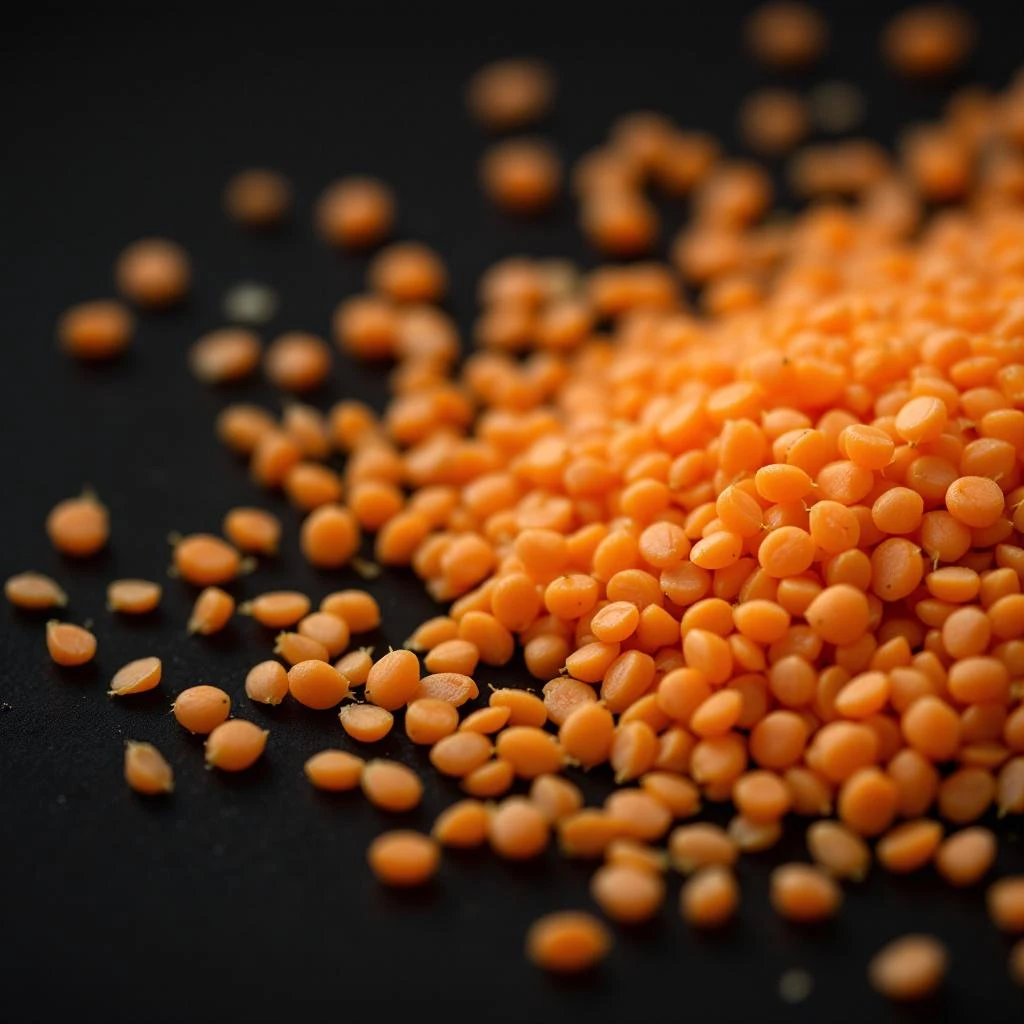
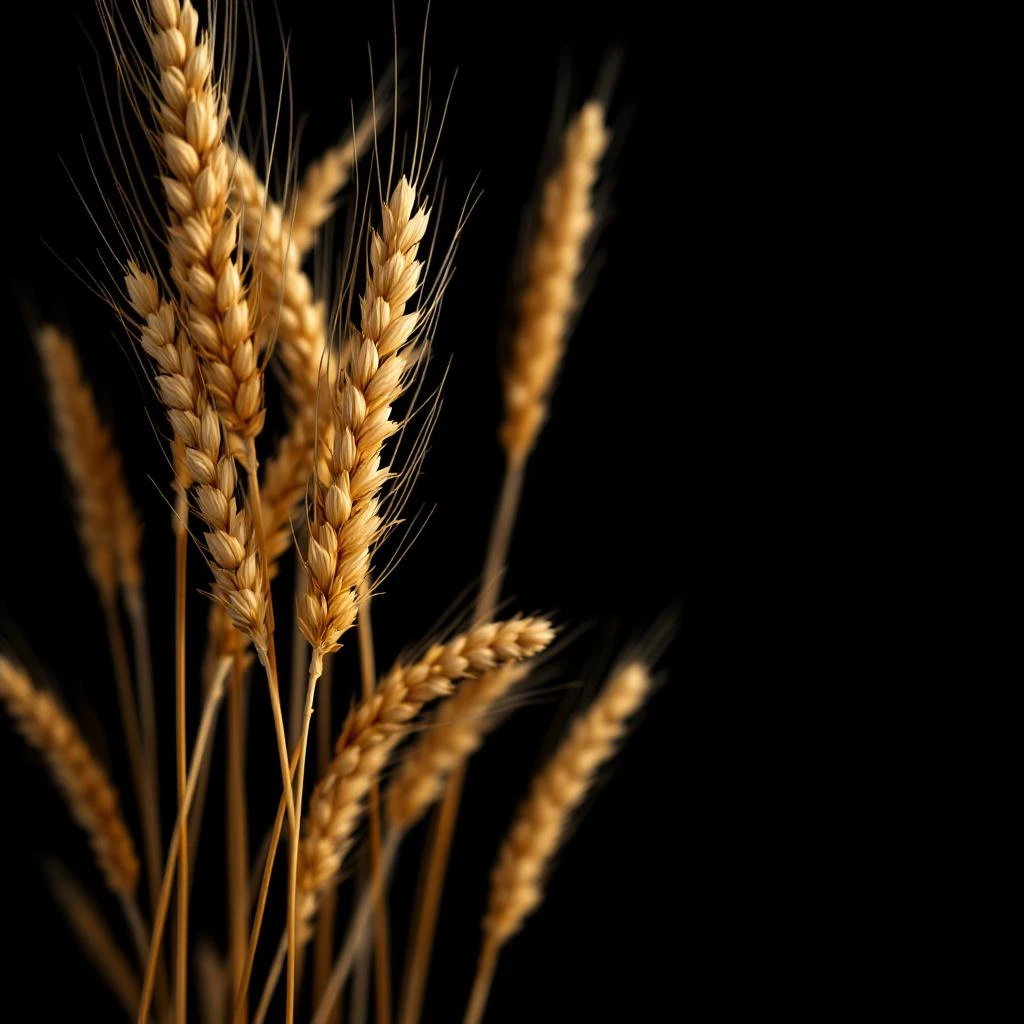
Rice powder
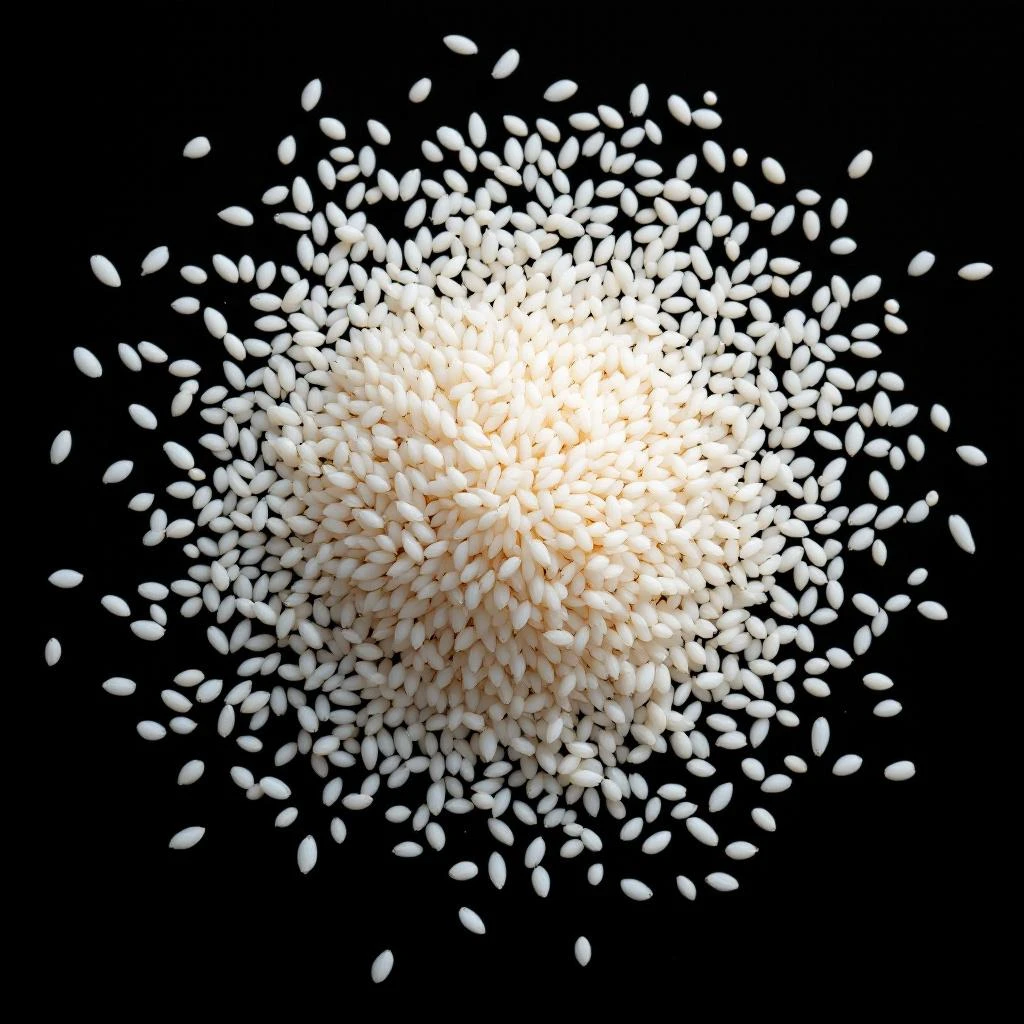
Rice powder brings a clean, starchy warmth to perfumery, recreating the scent of fresh-milled grain and soft skin powder through reconstructed aromatic molecules rather than natural extraction.
Character
How it smells
The quiet elegance of fresh-milled grain
The signature aroma compound 2-acetyl-1-pyrroline (2-AP) found in rice also occurs naturally in fragrant bread crust and Thai jasmine rice.







Origin
Japan
Rice holds profound cultural significance across East and Southeast Asia, where it has been cultivated for over 10,000 years. Ancient Chinese texts describe rice as sacred, used in rituals and offerings long before perfumery existed. In Japan, rice became central to both cuisine and cosmetics.
Geisha and courtiers used rice powder for skincare and face whitening as early as the Heian period (794-1185). Buddhist monks incorporated rice into ceremonial incense and purification rituals. The Japanese concept of cleanliness influenced global perceptions of the rice powder note, associating it with purity and soft-focus skin aesthetics.
While perfumery historically relied on natural extracts, rice powder emerged as a modern reconstructed material as the fragrance industry advanced chemically. Today it appears across skincare-inspired fragrances and clean beauty lines, carrying centuries of cultural meaning into contemporary scent design.
Wears it best
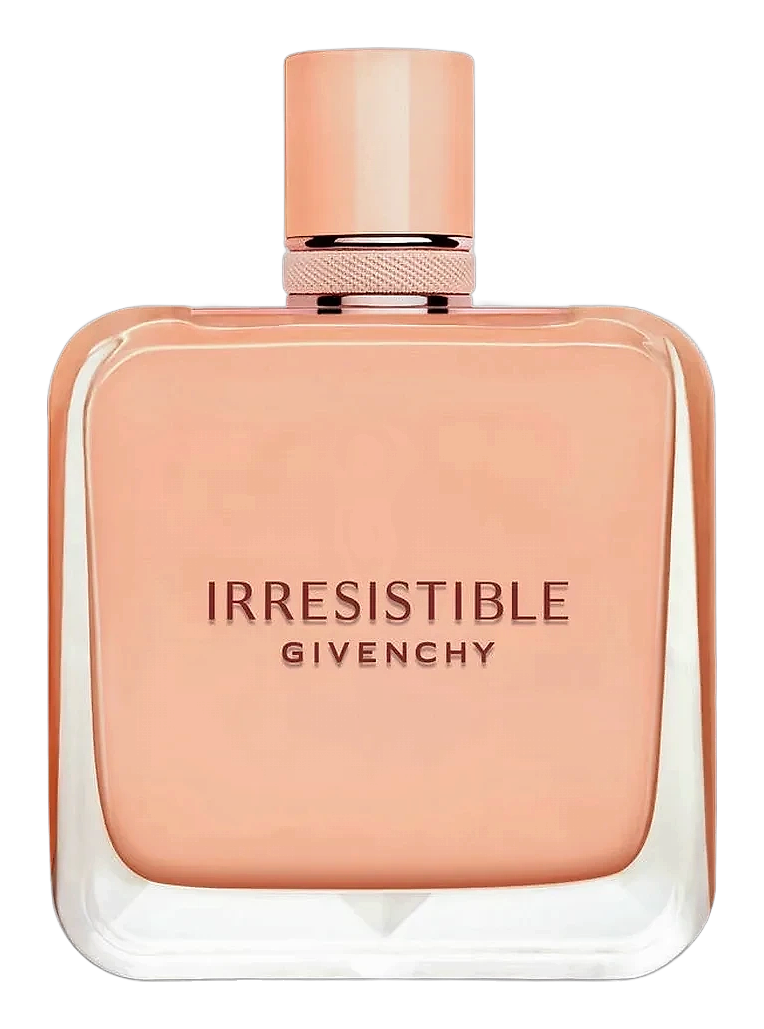
Fragrances featuring Rice powder
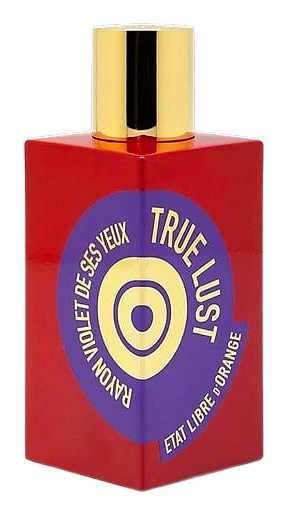
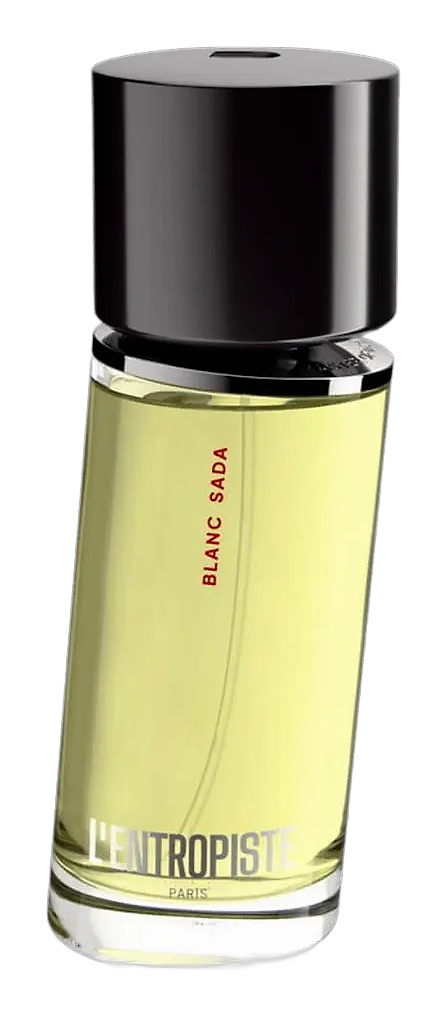
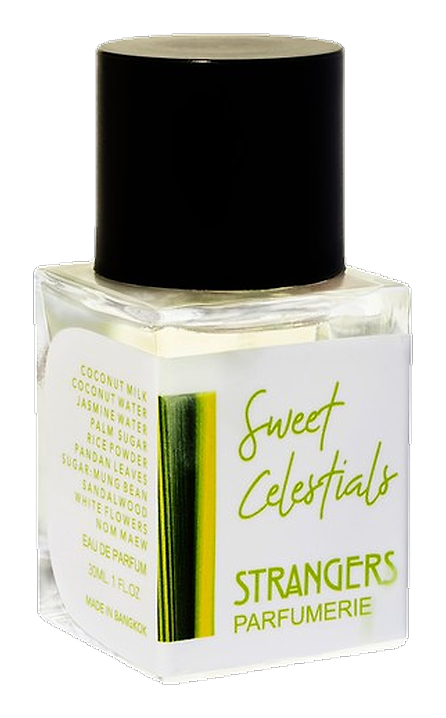
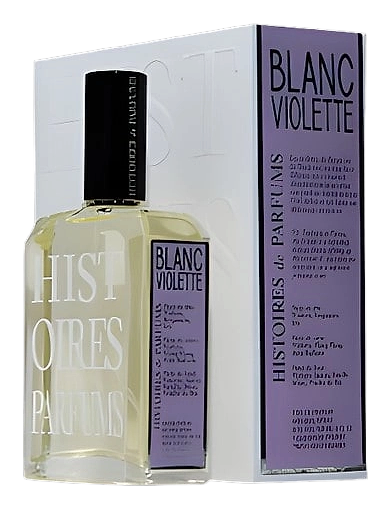
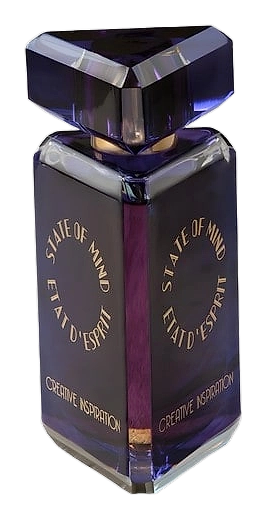
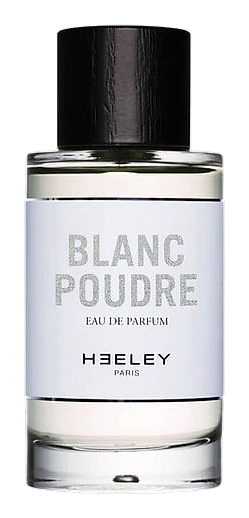
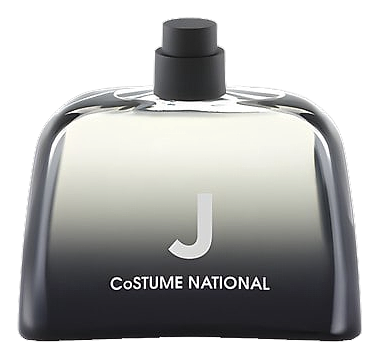
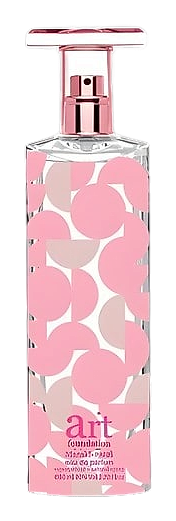
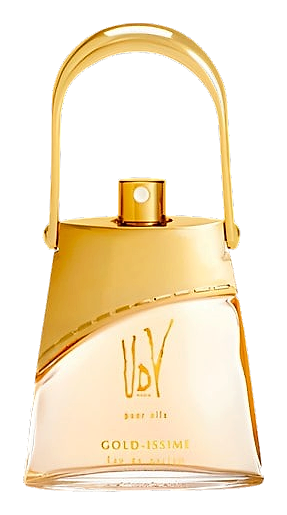
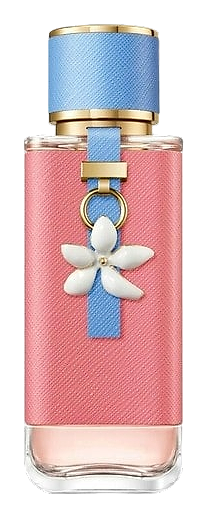
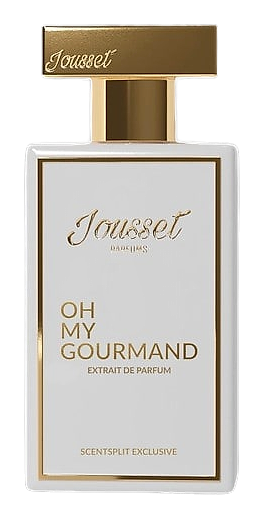
Brands
Brands known for Rice powder
Good to know
Questions, answered
The essentials on Rice powder in perfumery: how it smells, where it comes from, and how it behaves on skin.
Is rice powder a natural or synthetic ingredient in perfumery?
Rice powder is synthetic. No direct natural extraction exists for rice in perfumery. The note is reconstructed using aromatic molecules like 2-acetyl-1-pyrroline to mimic the starchy, powdery quality of rice.
What does rice powder smell like?
Rice powder smells clean and starchy with subtle toasted and cereal-like facets. It evokes fresh-cooked rice and soft skin powder, providing a comforting, familiar warmth in fragrance compositions.
What fragrance families use rice powder?
Rice powder appears in clean, skin, and skin-to Skin fragrance families. It also bridges oriental and gourmand categories, adding warmth to woody and powdery compositions.
Can rice powder be extracted directly from rice?
No. Rice starch has minimal fragrance, with only trace amounts of 2-acetyl-1-pyrroline present. Perfumers reconstruct the note synthetically for consistent, usable results.
What is 2-acetyl-1-pyrroline and why does it matter?
2-acetyl-1-pyrroline (2-AP) is the primary aroma compound responsible for rice's characteristic scent. It also occurs naturally in bread crust and certain aromatic rice varieties like Thai jasmine rice.
Is rice powder used in cosmetics as well as perfumery?
Yes. Rice powder has a long history in Asian cosmetics, particularly Japanese skincare. Many brands use rice starch or rice-derived ingredients in powders, lotions, and skincare products for their skin-softening properties.
Does rice powder provide any functional benefits in fragrance?
Rice powder functions as a fixative and blender. Its soft, powdery character smooths harsh edges in fragrance compositions and helps linear notes linger on the skin longer.
Which famous fragrances feature rice powder?
Rice powder appears in multiple niche and designer fragrances. It is particularly common in modern clean beauty lines and skin-centric scents where its familiar, comforting quality enhances the impression of softness.