Jasmine rice
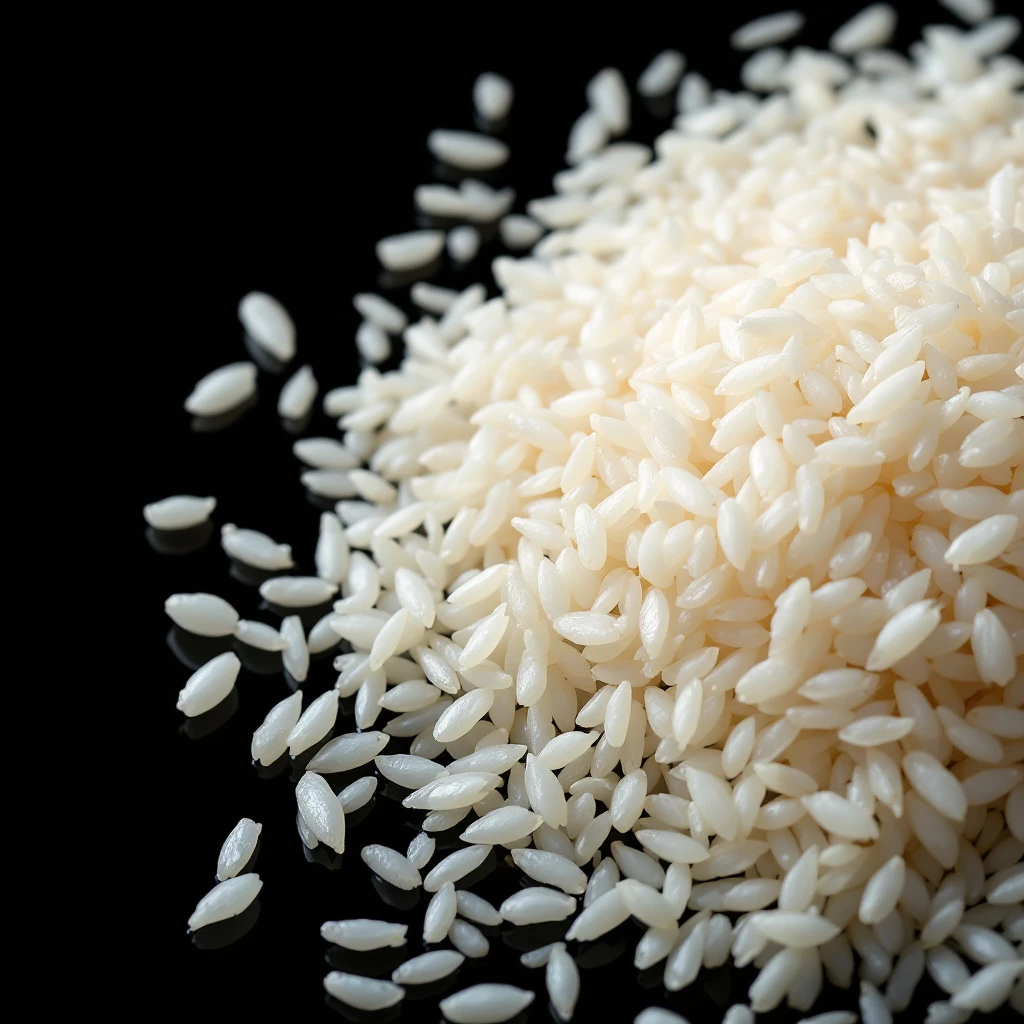
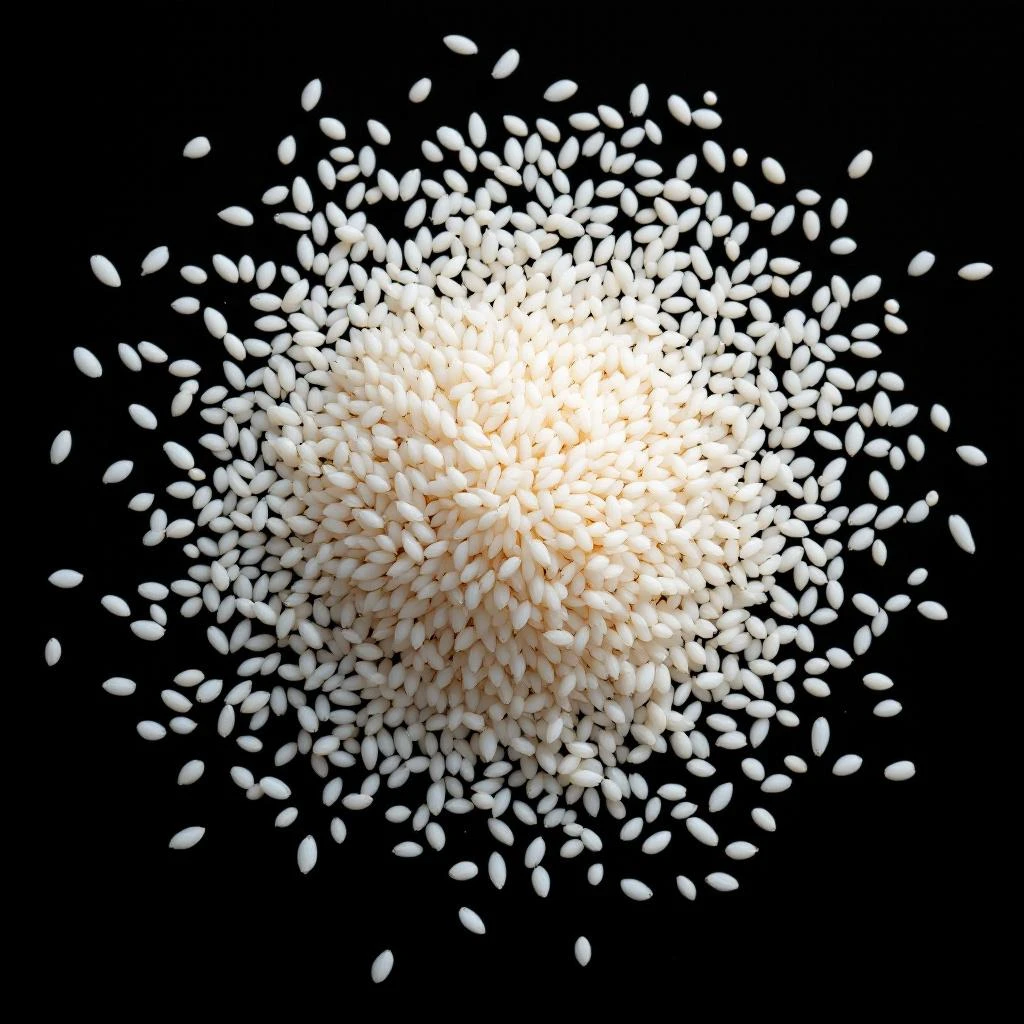
Thai jasmine rice grains carry an intoxicating aroma straight from the paddy fields of Southeast Asia. In perfumery, jasmine absolute captures this same floral sweetness, translated into an elegant note that adds warmth and sensuality to luxury fragrances.
Character
How it smells
Night-blooming warmth from Thai paddy fields.
Jasmine flowers bloom only at night, requiring harvesters to work after dark to capture peak aroma before dawn.





Origin
Thailand
Jasmine flowers traveled from Persia and the Himalayan foothills into cultivation across South and Southeast Asia. Egyptians were using jasmine for perfumery as early as 1000 BCE, while Arab trade networks later introduced the flower to southern France. Provence began cultivating jasmine in 1548, and by the 1850s, Grasse had established itself as the world center of jasmine perfumery.
Today, Egypt, India, and Morocco lead global jasmine production, though Thai and Vietnamese varieties inspired by the region's beloved jasmine rice cuisine have entered the perfumery supply chain. The night-blooming, heady character that made jasmine a staple of aphrodisiac oils and sacred perfumes for millennia remains at the heart of its appeal.
Wears it best
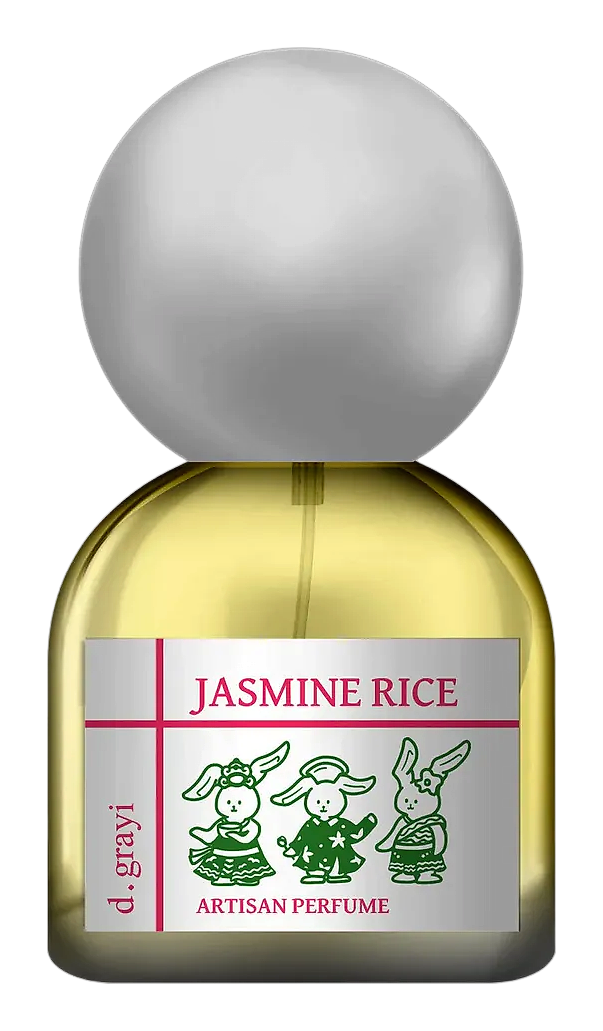
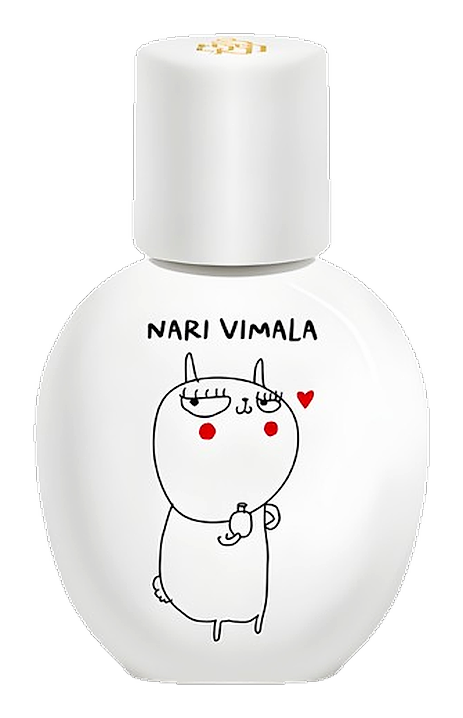
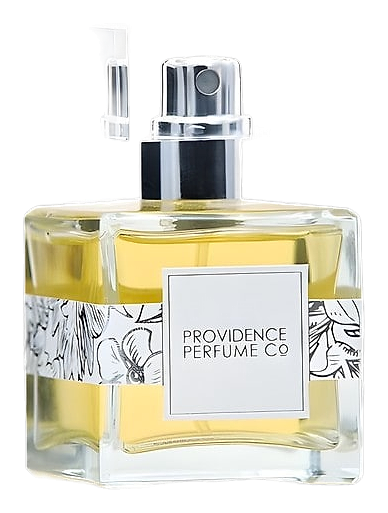
Fragrances featuring Jasmine rice
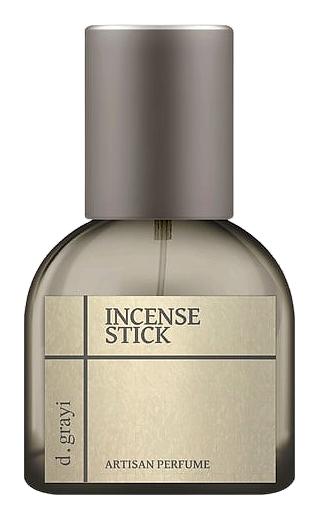
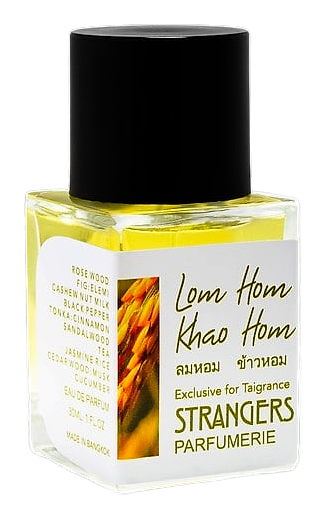
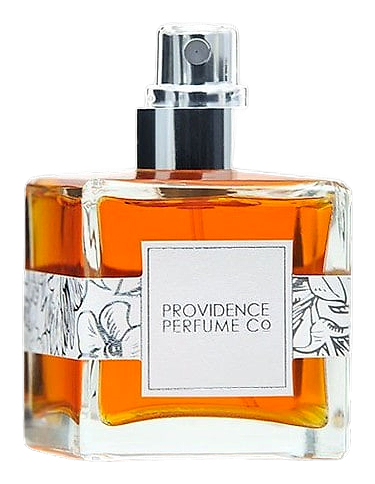
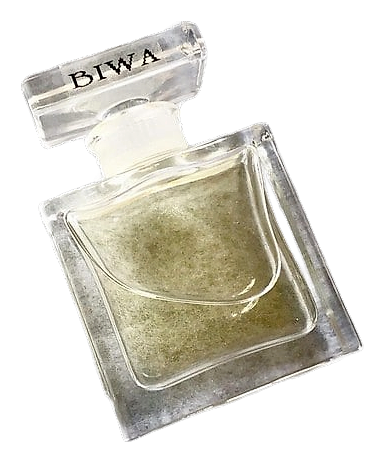
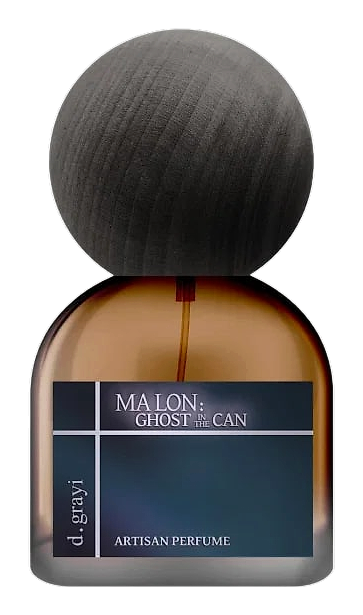
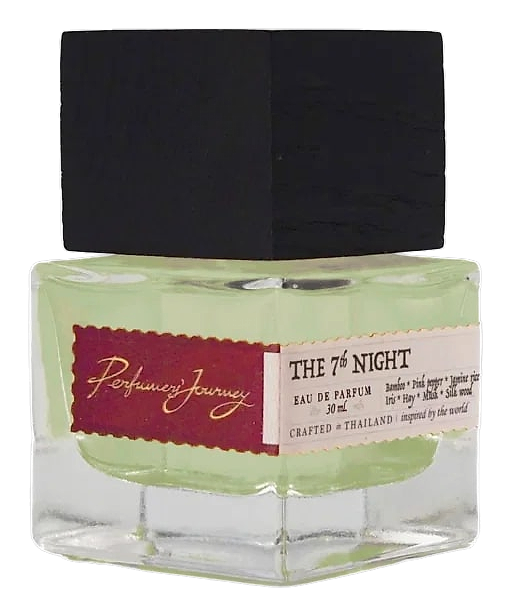
Brands
Brands known for Jasmine rice
Good to know
Questions, answered
The essentials on Jasmine rice in perfumery: how it smells, where it comes from, and how it behaves on skin.
What does jasmine smell like in perfumery?
Jasmine absolute delivers a rich, sweet-floral scent with warm, slightly indolic undertones. Inperfume compositions it reads as creamy, sensual, and Opulent. The note bridges fruity brightness with deeper animalic warmth, making it a flexible heart material.
Is jasmine expensive to produce?
Jasmine is among the costlier natural materials in perfumery. It takes roughly 1 million handpicked flowers to yield just 1 kilogram of absolute. The labor-intensive night harvest and extraction complexity drive the price.
How is jasmine absolute extracted?
Over 98% of jasmine production uses hexane solvent extraction. Flowers are soaked in solvent to produce a waxy concrete, then treated with alcohol to yield absolute. Supercritical CO2 extraction offers a purer alternative at higher cost.
Where does jasmine grow best?
India, Egypt, and Morocco lead global jasmine cultivation today. The flower thrives in warm climates with mild winters and requires careful hand-harvesting, typically during the early morning when blossoms open.
How long has jasmine been used in perfumery?
Jasmine has ancient roots. Egyptians used it in perfumery around 1000 BCE, and Arab traders brought it to Provence, France, where cultivation began in 1548. Grasse emerged as the jasmine capital by the 1850s.
Can jasmine be synthesized?
Synthetic jasmine molecules like Hedione and cis-3-hexenyl benzoate exist and offer fragrance designers ethical and cost-effective options. Natural jasmine absolute remains treasured for its full olfactory complexity.
What fragrance families use jasmine most often?
Floral and white floral fragrances rely heavily on jasmine. It also appears in chypre, oriental, and amber compositions as a bridging heart note that adds warmth and sensuality.
Does jasmine absolute contain allergens?
Jasmine absolute contains trace compounds like benzyl acetate and linalool, which cosmetic regulations in the EU and other regions flag as potential allergens. Producers supply full IFRA documentation for professional use.