Seashells
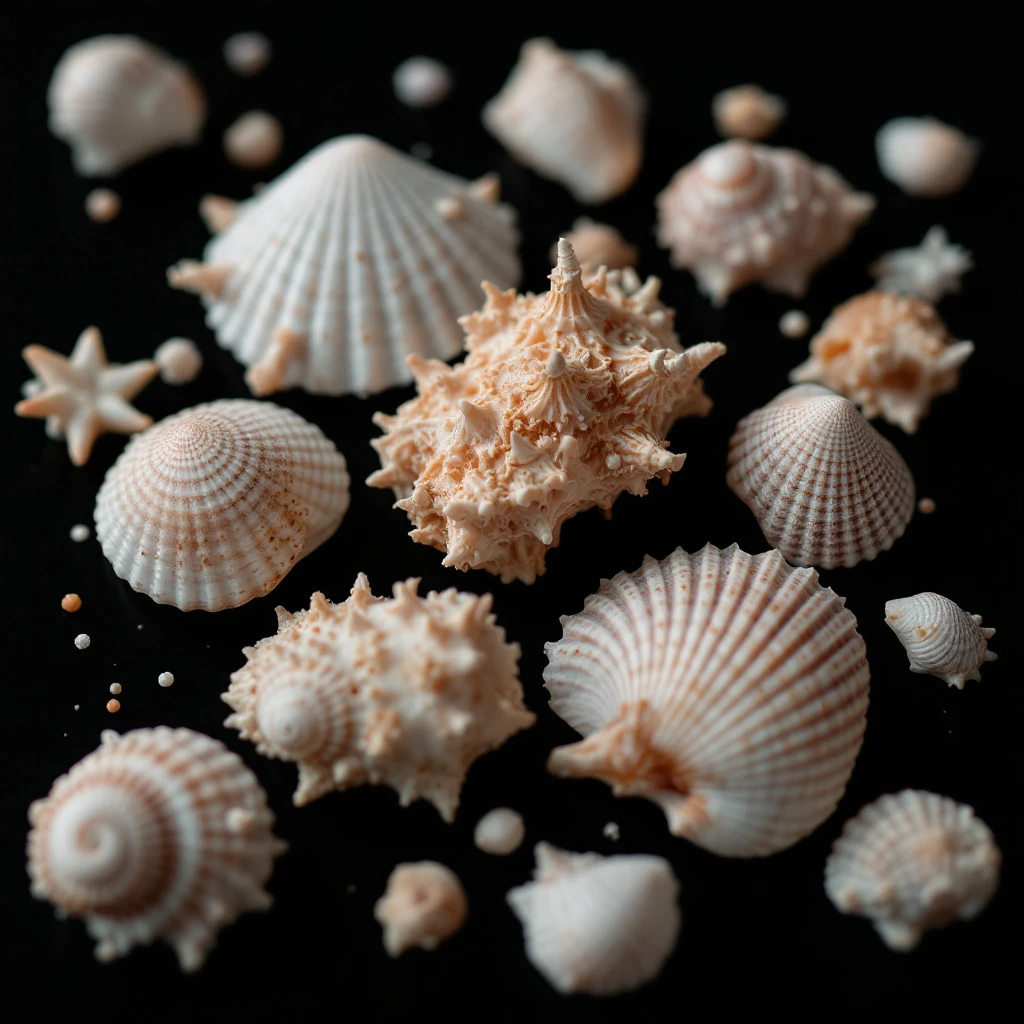
Seashells yield a distinctive marine and smoky aroma when subjected to destructive distillation, offering perfumers a unique mineral-rich scent profile drawn from the ocean.
Character
How it smells
Ocean minerals transformed by fire into scent.
Destructive distillation of seashells releases compounds that smell of sea air and distant campfires simultaneously.


Origin
Mediterranean Region
Coastal cultures have long recognized the sea as a source of aromatic possibility. Ancient Mediterranean civilizations, particularly the Greeks and Romans, developed early extraction techniques while living in proximity to abundant marine resources.
Seashell distillation as a perfumery practice emerged more recently, as chemists explored unconventional materials beyond traditional botanicals. The technique reflects a broader shift in modern perfumery toward finding scent in unexpected places.
By the twentieth century, fragrance houses began experimenting with mineral and oceanic materials to create new aromatic categories. Seashell extracts represent this innovative spirit, transforming something abundant along coastlines into a refined perfumery ingredient that bridges natural and thermal worlds.
Wears it best
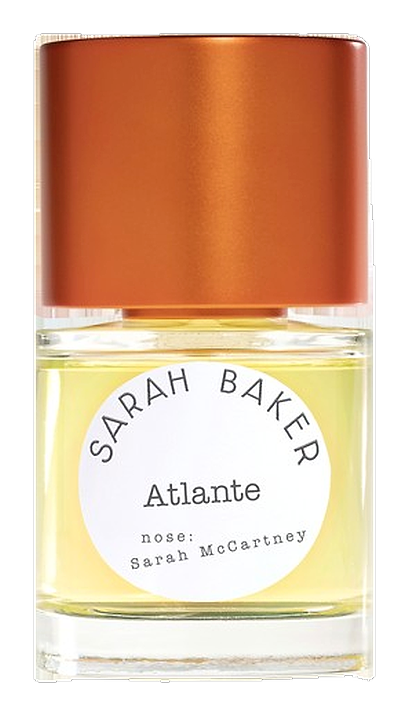
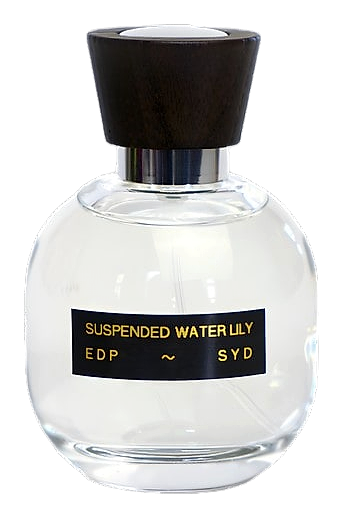
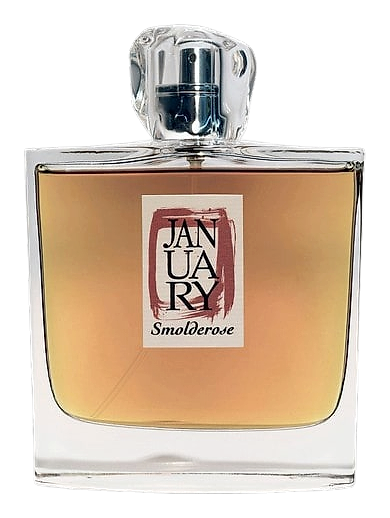
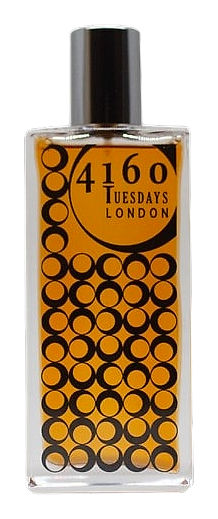
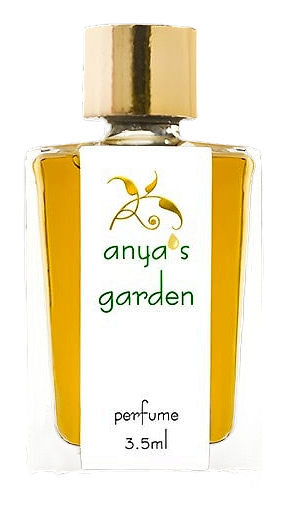
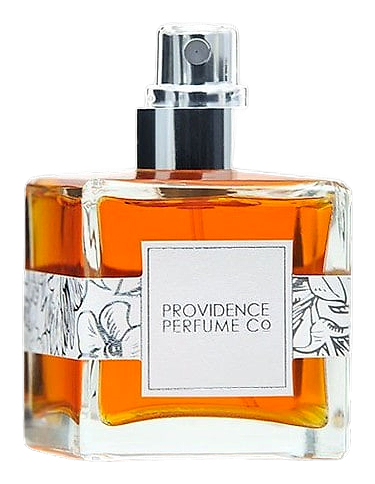
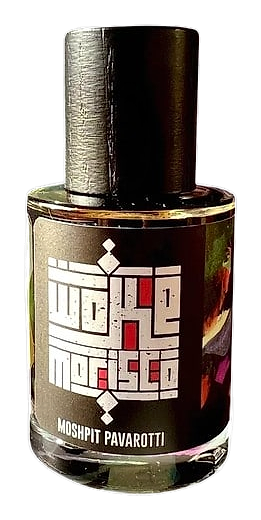
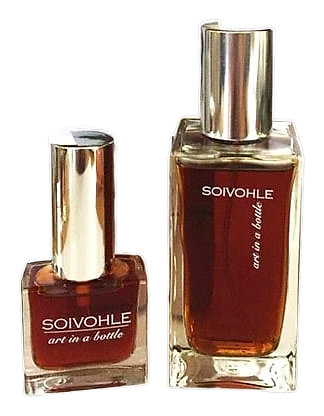
Fragrances featuring Seashells
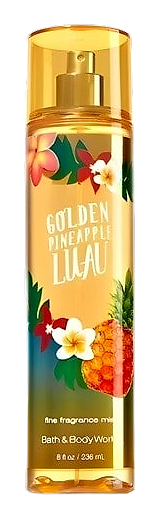

Brands
Brands known for Seashells
Good to know
Questions, answered
The essentials on Seashells in perfumery: how it smells, where it comes from, and how it behaves on skin.
What does seashell aroma smell like?
Seashell extract produces marine and smoky notes with a mineral backbone. The scent evokes ocean air mixed with subtle campfire warmth, a combination that adds unusual depth to fragrance compositions.
Are seashell fragrances natural or synthetic?
Seashell extract is derived from natural materials through thermal processing. The destructive distillation method transforms real shells into aromatic compounds, making this a natural-origin ingredient with distinctive characteristics.
What fragrances use seashell notes?
Marine fragrances commonly feature seashell-derived materials for their authentic mineral quality. Look for aquatic compositions that emphasize depth beyond typical saltwater notes.
What shells work best for extraction?
Shells with high calcium carbonate content work best for distillation. Coastal regions with abundant mollusk populations provide the raw material, particularly areas with Mediterranean access.
How does temperature affect seashell distillation results?
Higher distillation temperatures produce stronger smoky qualities, while lower temperatures preserve more delicate marine characteristics. Fragrance chemists adjust this balance based on desired final character.