The Story
Why it exists.
The beginning
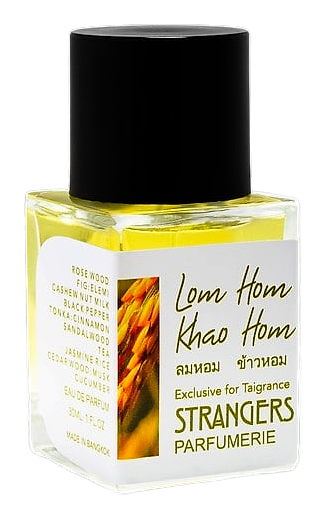
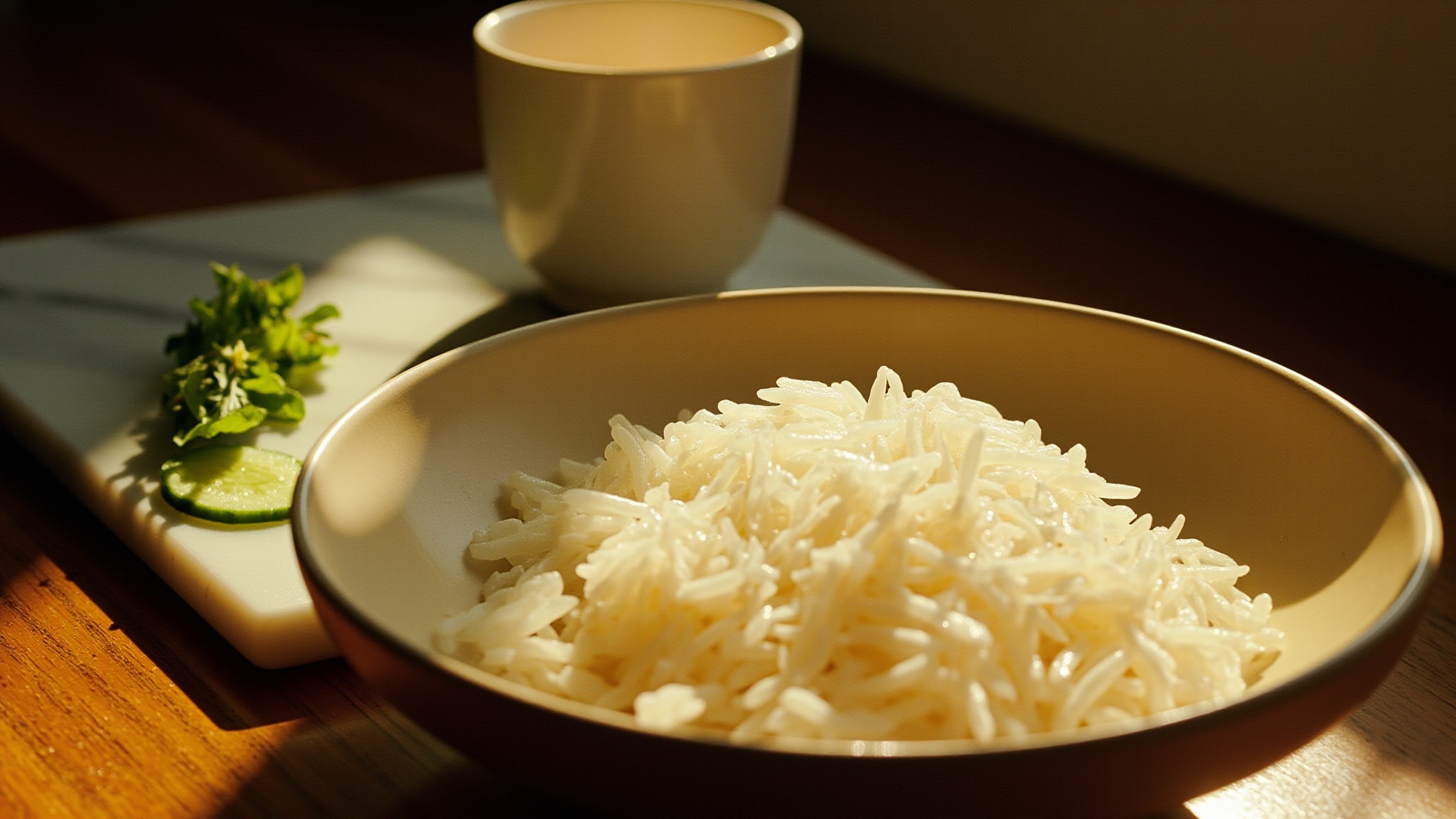
Prin Lomros named this one for the air that moves through Thailand's rice fields, the literal meaning of the Thai title, ลมหอม ข้าวหอม. It appeared in 2023 alongside Rosso Amaretto, part of a period of sustained output from the Bangkok house. The brief was personal from the start: translate a specific aromatic memory into something wearable. Not the smell of cooked rice. The smell of rice before it's cooked, raw grains, starchy air, humid warmth. Translating that into a composition that didn't smell like food required some lateral thinking. Jasmine rice as a material, not a metaphor. Cashew milk for the lactonic cream. Cucumber for the green ozonic lift. Elemi for the almost-citrus resin. The result is a fragrance that smells like the smell of rice, which is harder than it sounds.
The clever move here is treating rice as a green aromatic note rather than a cooked edible one. Prin Lomros reached for jasmine rice, the specific variety common across Thai cooking, and cashew milk, which brings a nutty creaminess without the coconut's sweetness. Cucumber adds a watery, ozonic quality that keeps the composition from becoming heavy. The black pepper and cinnamon are subtle but essential: they prevent the rice from smelling like a grocery store and give the top a warmth that feels like sunlight rather than a kitchen. The drydown leans powdery, which some wearers read as talc and others read as skin-warmth.
The evolution
The opening is green and ozonic. Cucumber, elemi, and black pepper arrive first, fresh, slightly astringent, with an almost morning-dew clarity. The jasmine rice doesn't announce itself immediately. It accumulates. Within the first hour, the grain accord thickens, the cucumber recedes, and what's left is a starchy, nutty warmth that reads as distinctly rice-like without crossing into food territory. Cashew milk keeps it creamy. Fig adds a faint green fruit. Tea gives a bitter clean edge that prevents sweetness from taking over. By the drydown, sandalwood and cedar have settled into a woody base, warm, slightly powdery, with tonka bean adding a soft vanillic sweetness that rounds everything out. The final hours smell like the memory of a field: warm air, dry grain, something powdery and close to skin. Not animalic. Not synthetic. Just warm.
Cultural impact
The rice accord in Lom Hom Khao Hom stands apart from most gourmand interpretations of food notes. Where others build edible metaphors, this one stays in the aromatic register, it smells like the concept of rice, not a rice pudding. For collectors who treat fragrance as autobiography, that's a meaningful distinction.