
The Story
Why it exists.
The beginning
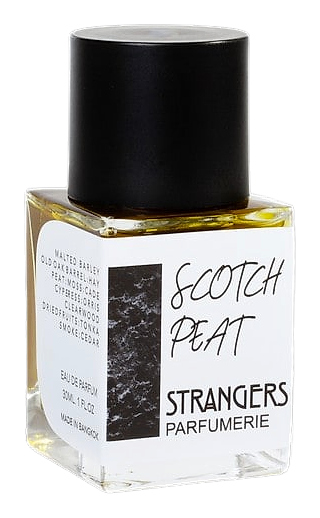
Scotch Peat began as an exploration of landscape, the damp, mineral depth of Scottish moorland translated into a fragrance. Prin Lomros drew from the peat-covered highlands, from the smell of cold earth and rain on stone, and from the warmth of single-malt whisky aging in oak barrels. The result is a scent that carries both the geography and the mood of those northern landscapes, built by a Thai perfumer working from a modest studio in Bangkok. It's a scent built from memory and geography, not from convention. The interplay of damp earth and smoky warmth creates something that feels deeply rooted in place, an olfactory portrait of windswept moors and quiet distilleries.
What makes Scotch Peat unusual is its approach to whisky. Rather than using an alcoholic accord, the fragrance reconstructs the smell through chemistry, combining elements that evoke the character of oak-barrel aging and malt sweetness. Cade oil and Clearwood build the smoke, while peaty notes lend that mineral, earthy depth you find in the real thing. The reconstructed whisky accord draws from the same palette of malt, barley, oak, and dried fruits that define the spirit itself, translated into aromatic compounds rather than replication.
The evolution
The drydown is where this earns its name. Whiskey lactone and ethyl maltol settle close to the skin, leaving a warm trail of malt and dried fruits that lingers for hours. The oak barrel note softens into something gentler, creamy, almost powdery from the orris root and tonka bean underneath. The smoke doesn't vanish abruptly but instead weaves itself into the base, becoming a quiet undercurrent rather than a dominant presence. On most skin, the peaty depth persists through extended wear, revealing itself in waves rather than delivering everything at once. It doesn't shout. It stays.
Cultural impact
Scotch Peat draws collectors who appreciate its non-alcoholic reconstruction of whisky, a technical approach that sets it apart from conventional smoky fragrances. The fragrance stands out for what it achieves through chemistry rather than convention, offering a sophisticated alternative to traditional interpretations of peated and smoky notes. Wearers often describe the effect as understated yet memorable, the kind of scent that rewards attention without demanding it.