Peat
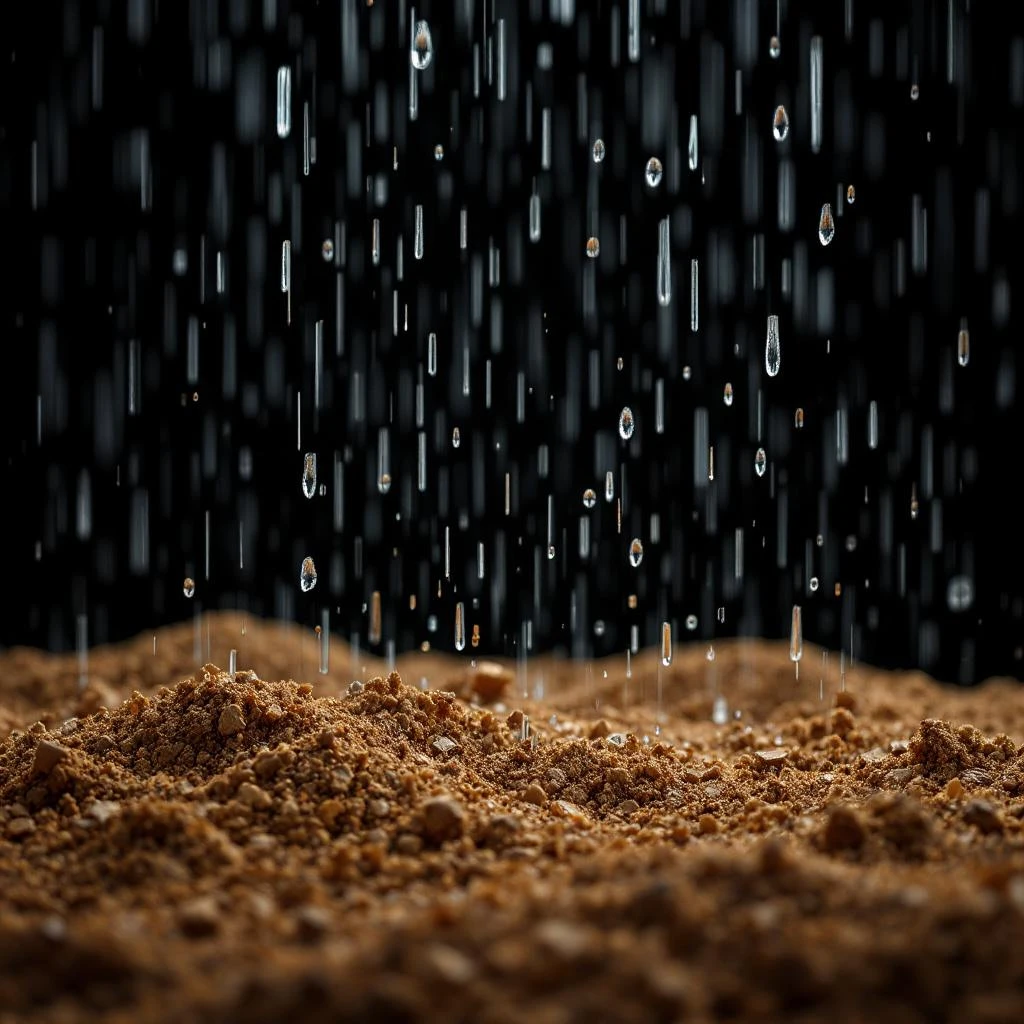
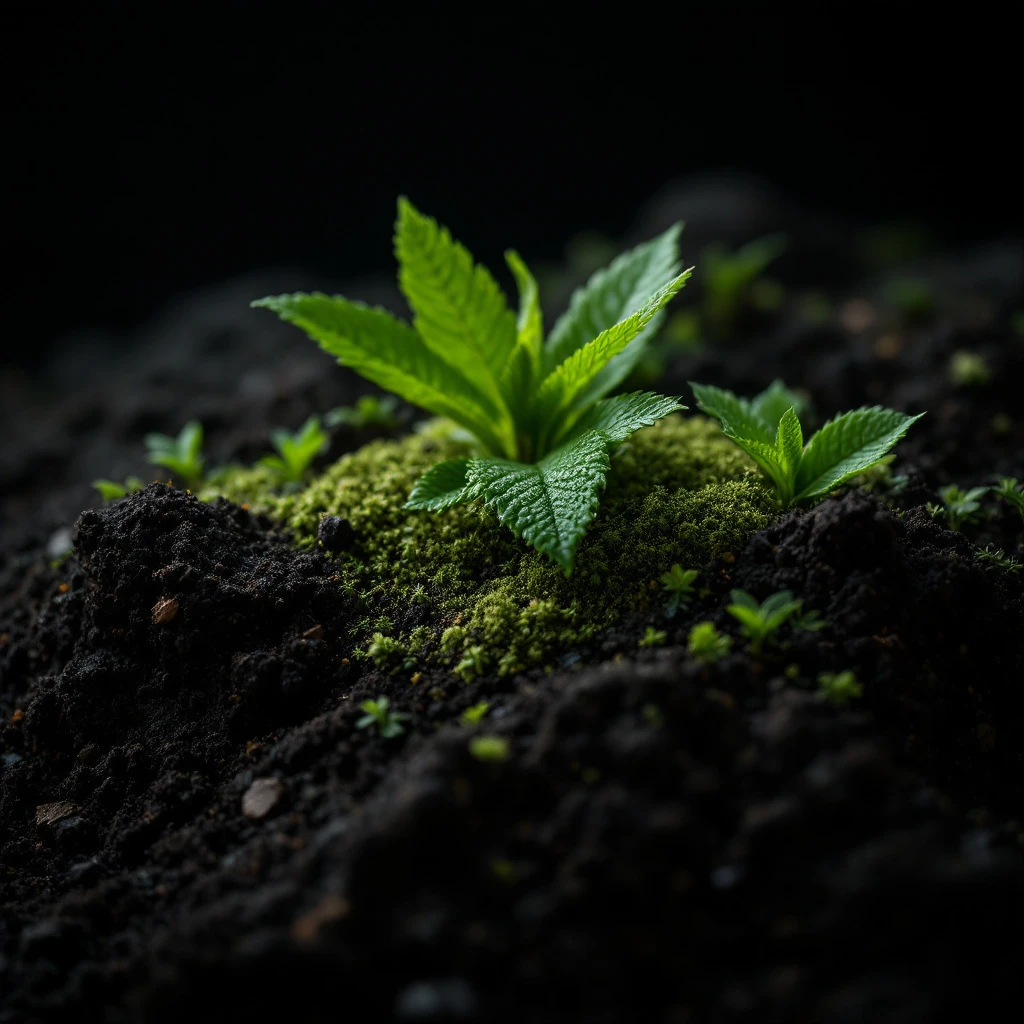
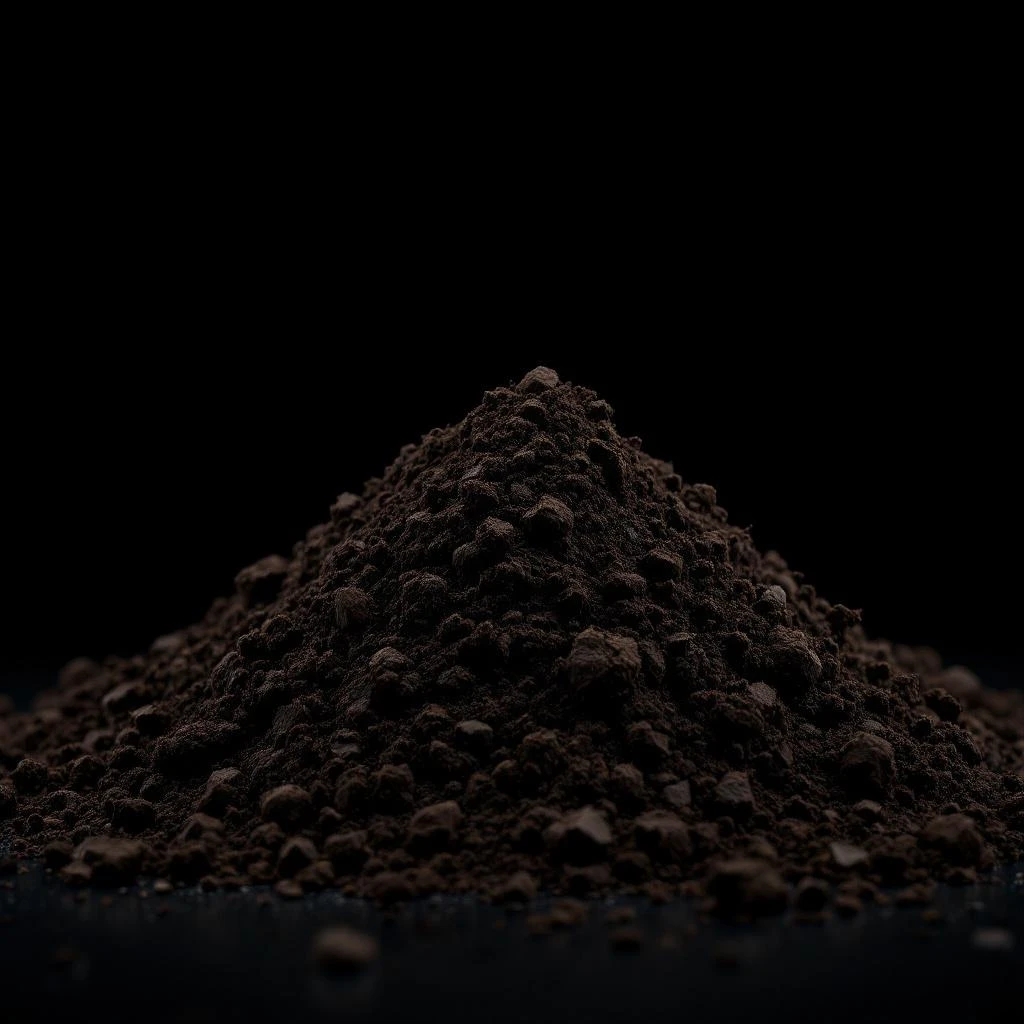
Peat delivers an unmistakable smoky-earthiness to fragrances. Found in wetland bogs across Ireland, Scotland, and Scandinavia, this ancient organic material brings a complex, slightly medicinal character that pairs beautifully with woods, herbs, and marine notes.
Character
How it smells
Ancient earth, smoky complexity
Peat bogs can be over 9,000 years old, and the partial decomposition of mosses and heathers creates peat's signature smoky-earthy aroma. It is the soul of Islay whisky.







Origin
Scotland
Peat has been used by humans for over 5,000 years, primarily as fuel across Northern Europe. It predates coal as a heat source and shaped the economies and cultures of Scotland, Ireland, Finland, and the Netherlands. In perfumery, peat arrived later than in heating applications.
It entered the fragrance vocabulary during the mid-20th century when perfumers began experimenting with unconventional base notes beyond traditional fixatives like musk and vanilla. The connection between peat and the concept of terroir in whisky distilling influenced perfumers' interest in locale-specific materials. By the 1970s, fragrance houses exploring masculine and outdoorsy compositions began incorporating smoky, earthy bases that mimicked peat's qualities.
The note gained wider recognition through niche houses that sought to evoke the wild landscapes of Scotland and Ireland. Today, peat represents a bridge between perfumery's natural and synthetic worlds, with synthetics enabling its characteristic smoke-earth profile to appear consistently across batches while remaining affordable and sustainable.
Wears it best
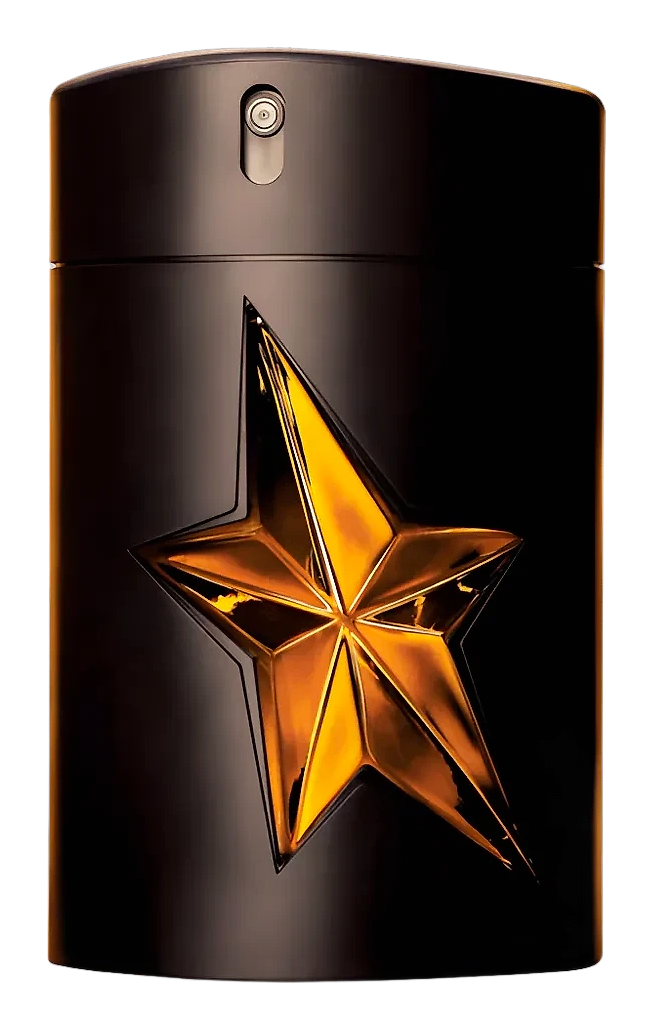
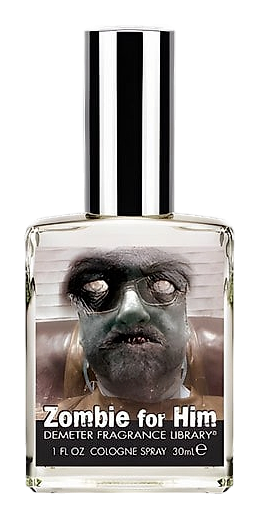
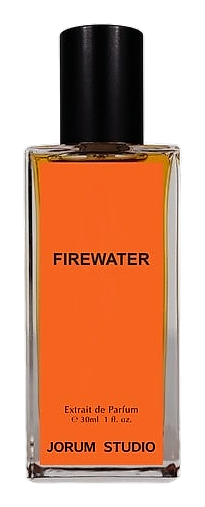
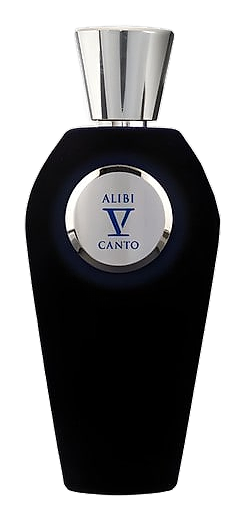
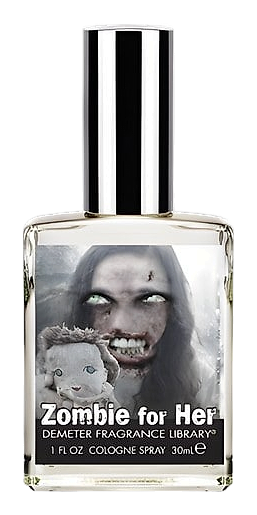
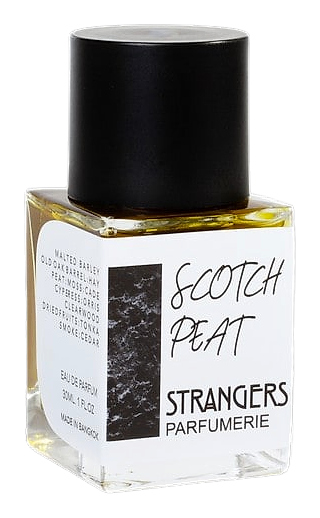
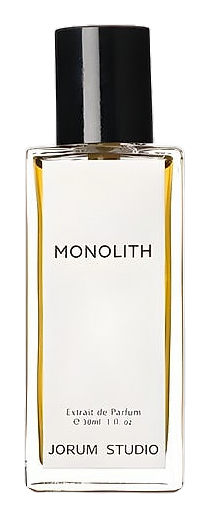
Fragrances featuring Peat

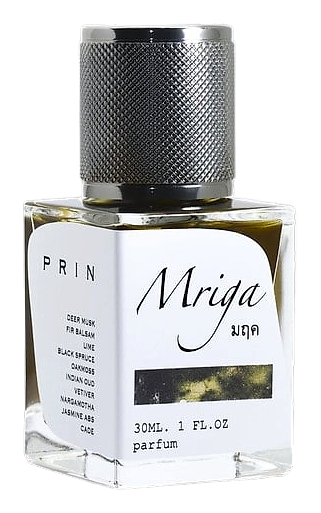
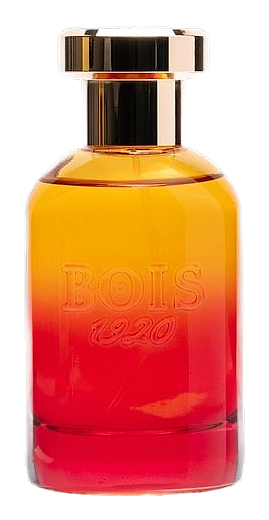
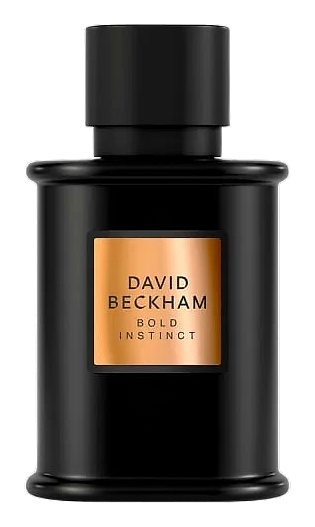
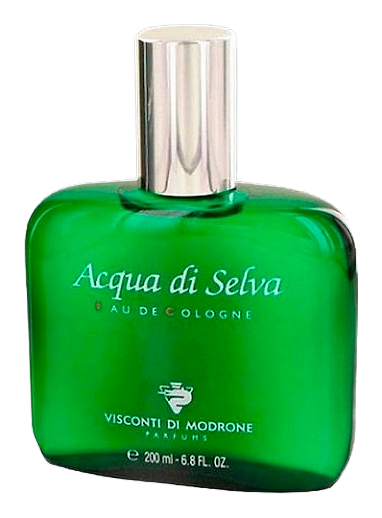
Good to know
Questions, answered
The essentials on Peat in perfumery: how it smells, where it comes from, and how it behaves on skin.
What does peat smell like in fragrances?
Peat in fragrance smells smoky, earthy, and slightly medicinal with a damp quality reminiscent of wet forest floor. It adds depth and complexity to fragrance bases.
Is peat used as a natural ingredient in perfumery?
No, peat itself is not extracted for perfumery. The peat note comes from synthetic aromatic molecules that mimic the smell of burning or decomposing peat.
Why do perfumers use synthetic peat molecules?
Natural peat extraction would be impractical due to very low yield and inconsistent scent profiles. Synthetics provide reproducible results every batch.
What fragrance families commonly use peat notes?
Peat notes appear most often in masculine fragrances, chypres, and fougères. It connects well with marine, woody, and herbal compositions.
Where is peat sourced for fragrance production?
The reference landscapes are Scottish and Irish bogs, though the aromatic compounds themselves are synthesized globally in fragrance laboratories.
How long does peat take to form naturally?
Peat bogs develop at roughly 1mm per year, meaning a usable layer takes thousands of years. Some Scottish bogs are over 9,000 years old.
What molecules create the peat smell in fragrance?
Guaiacol and its derivatives create the smoky character, while geosmin provides the earthy base. Phenols add the slightly medicinal quality.
Does peat note affect fragrance longevity?
Peat molecules are typically mid-to-base note materials with low volatility, contributing to dry-down duration without strong sillage compared to top notes.