Petrichor
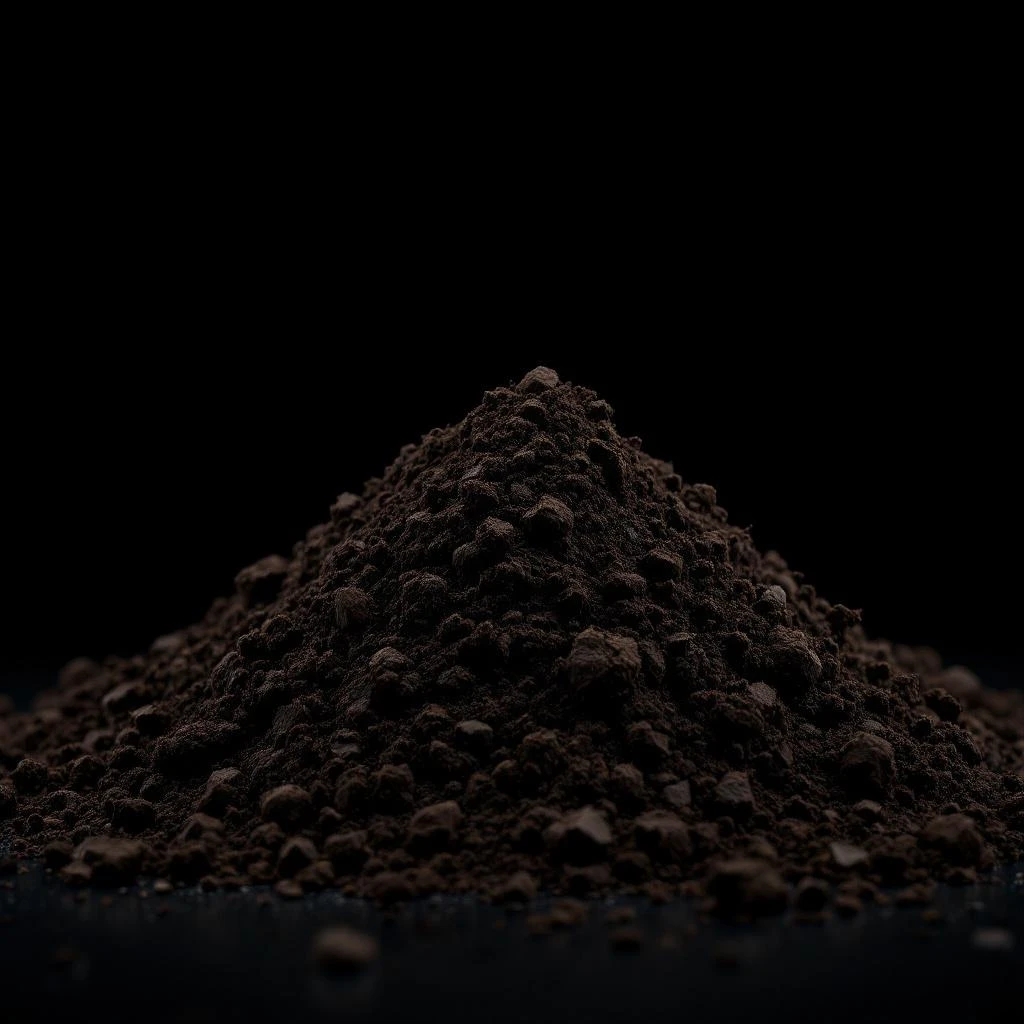
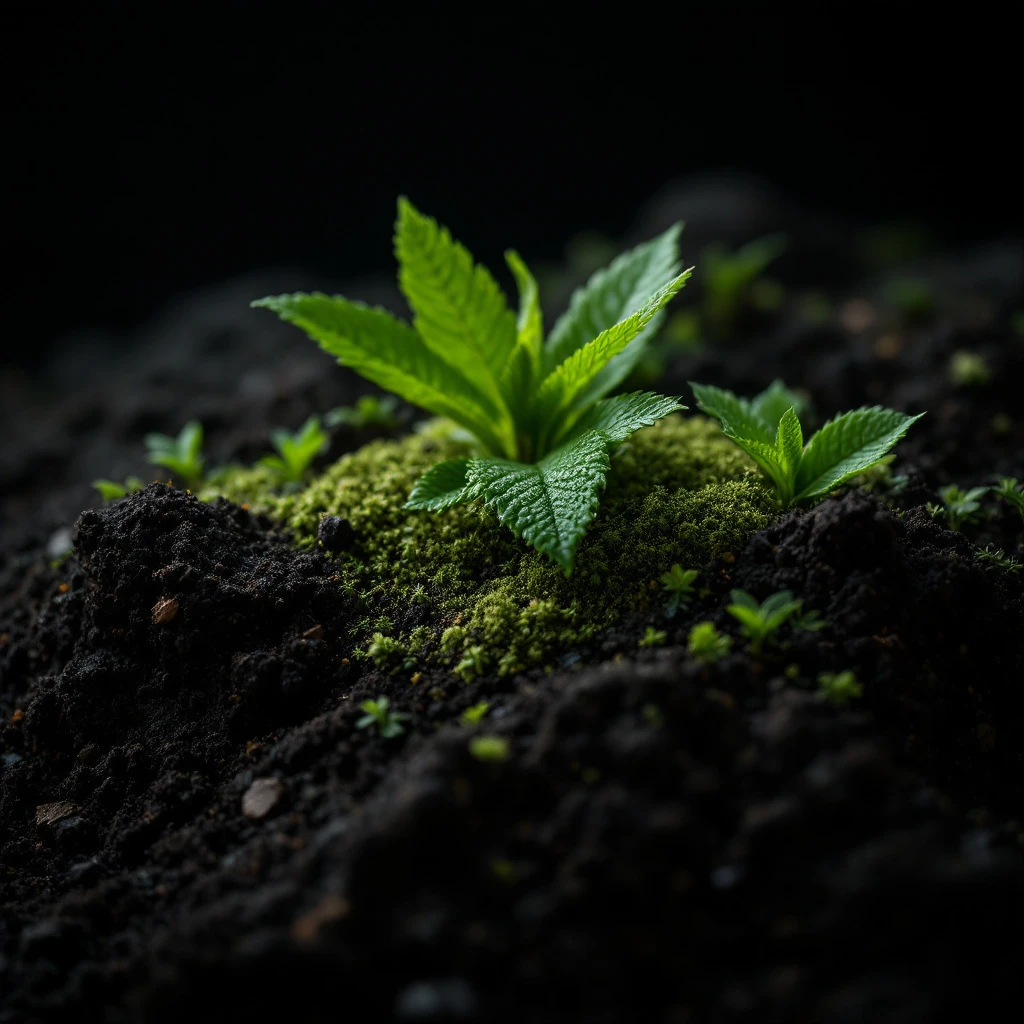
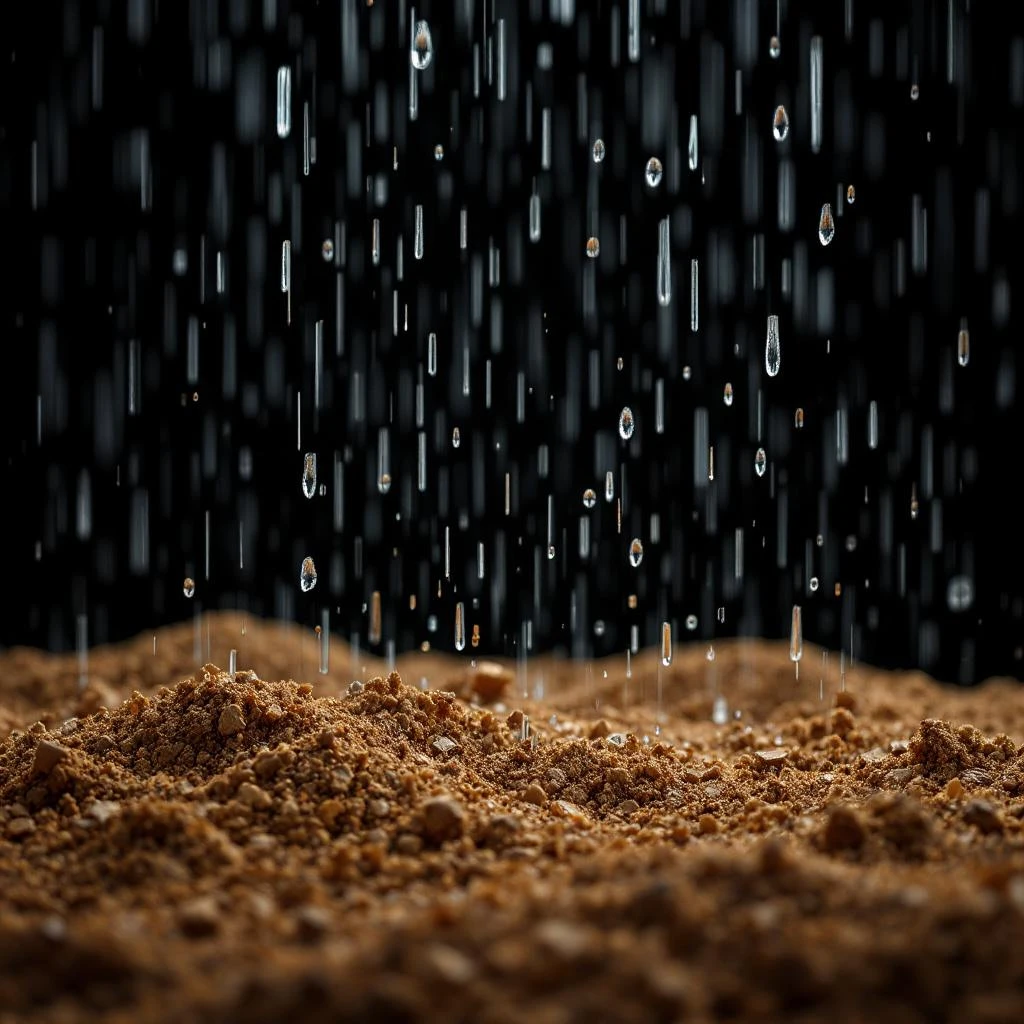
Petrichor captures the evocative scent of rain falling on warm, dry earth. In perfumery, it creates an atmospheric, mineral-rich quality that evokes wet stone, damp soil, and the first drops of an approaching storm. This ancient-smelling note bridges nature and memory, grounding lighter compositions with primal depth.
Character
How it smells
The ancient, primal scent of earth awakening under falling rain.
Humans detect geosmin (petrichor's key compound) at just 5 parts per trillion—200,000 times more sensitive than sharks are to blood in water.






Origin
India
The word petrichor entered scientific literature in 1964 when Australian mineralogists Isabel Joy Bear and Richard Thomas published a one-page paper in Nature, coining the term from Greek roots petra (stone) and ichor (the blood of gods). Yet the practice of capturing this scent predates the nomenclature by centuries.
Indian perfumers in Kannauj, known as the perfume capital of India, have crafted mitti attars for generations by distilling monsoon-soaked earth, creating wearable memories of the first rains. Ancient cultures likely associated the scent with divine favor, since rain meant survival on the African savannah.
The evolutionary theory suggests early humans who could detect geosmin carried on wind currents gained a competitive advantage, finding water and tracking prey movement before visual confirmation. This hypersensitivity to wet earth may be the oldest survival mechanism encoded in the human olfactory system, predating language itself.
Wears it best
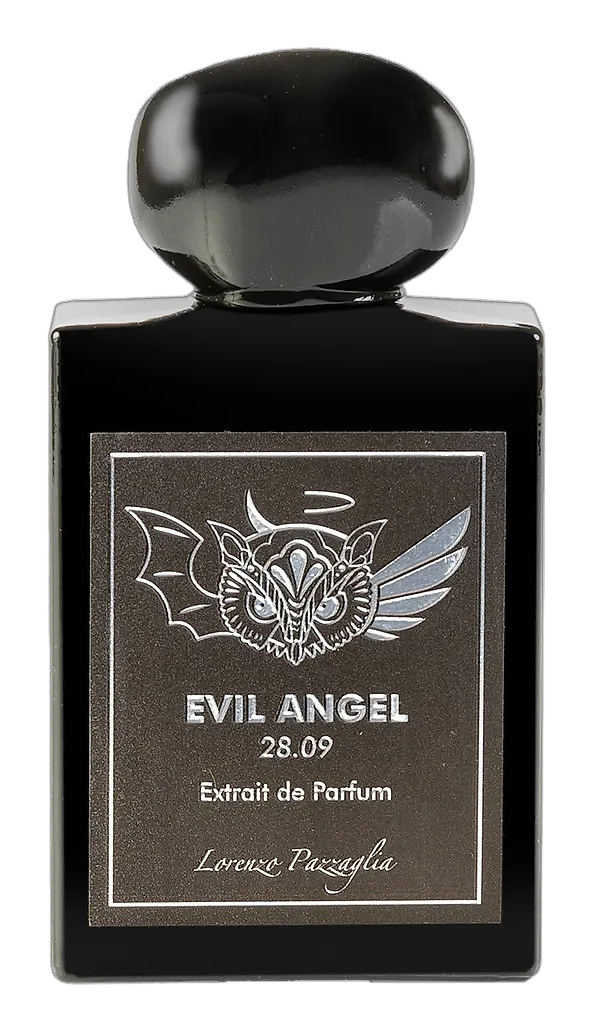
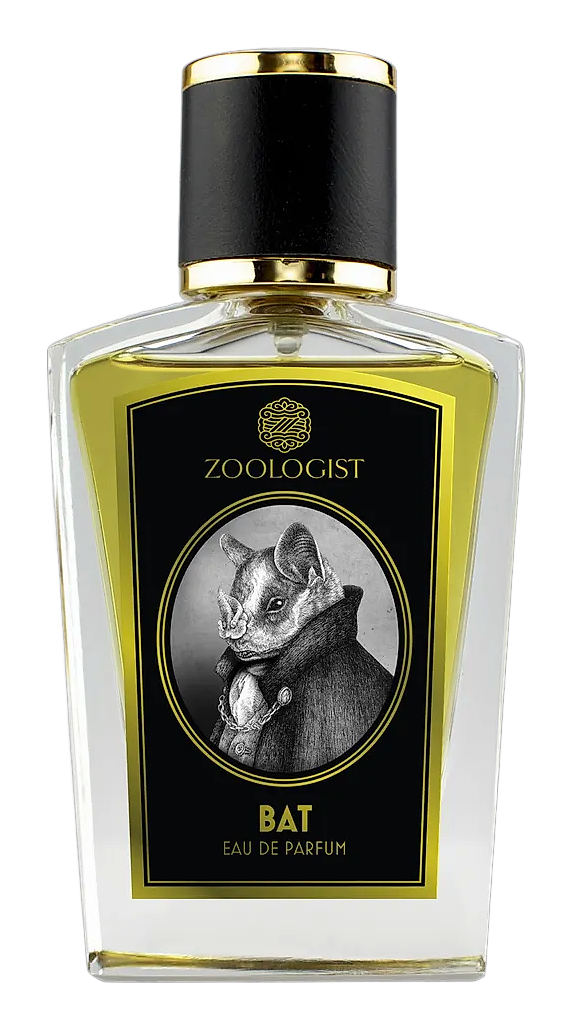
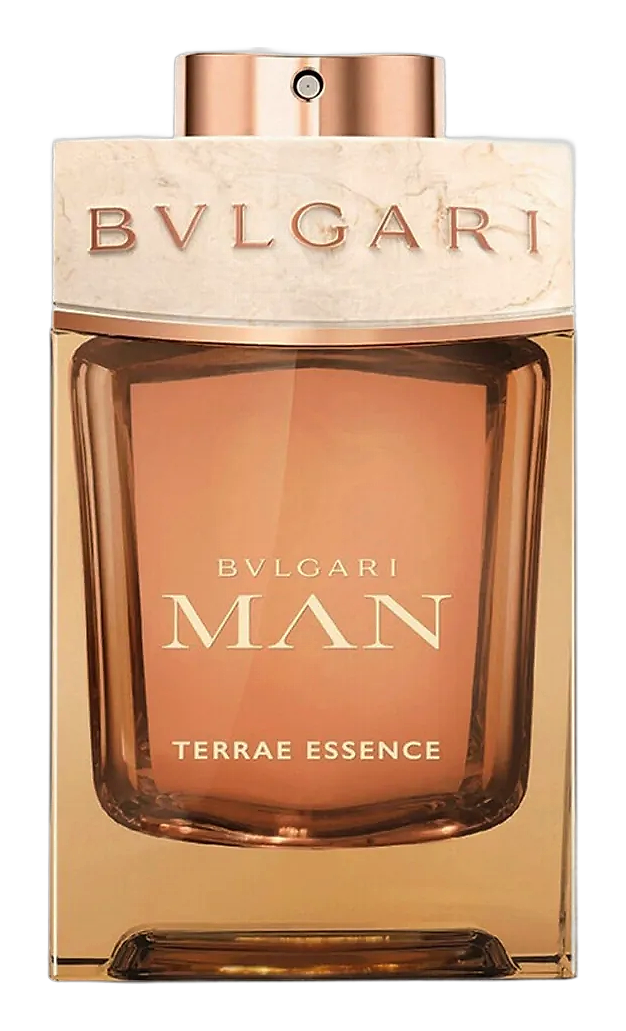
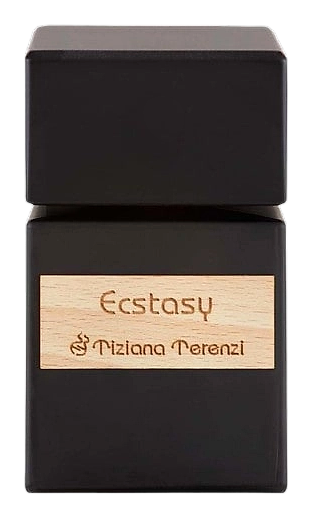
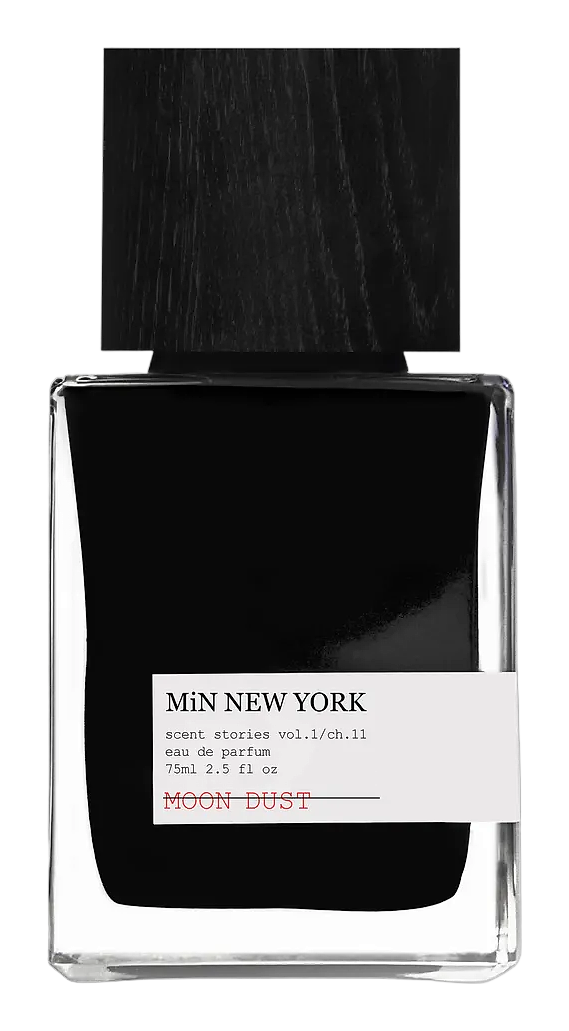
Fragrances featuring Petrichor
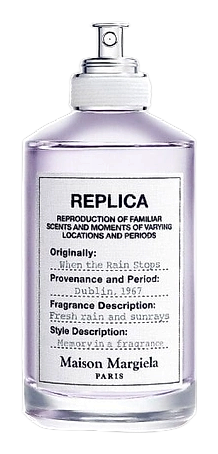

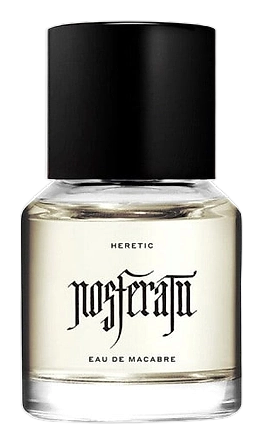
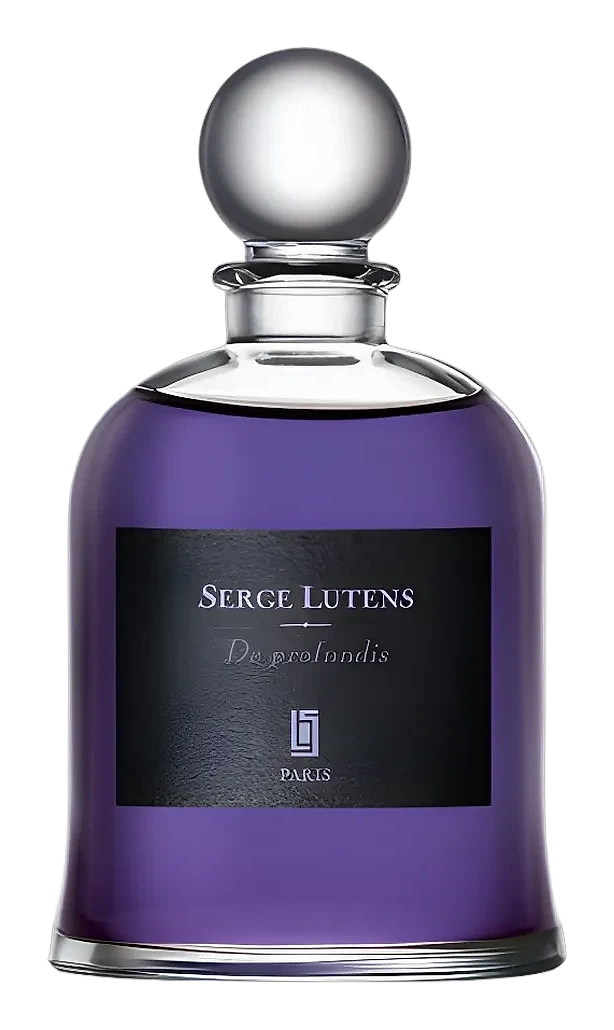
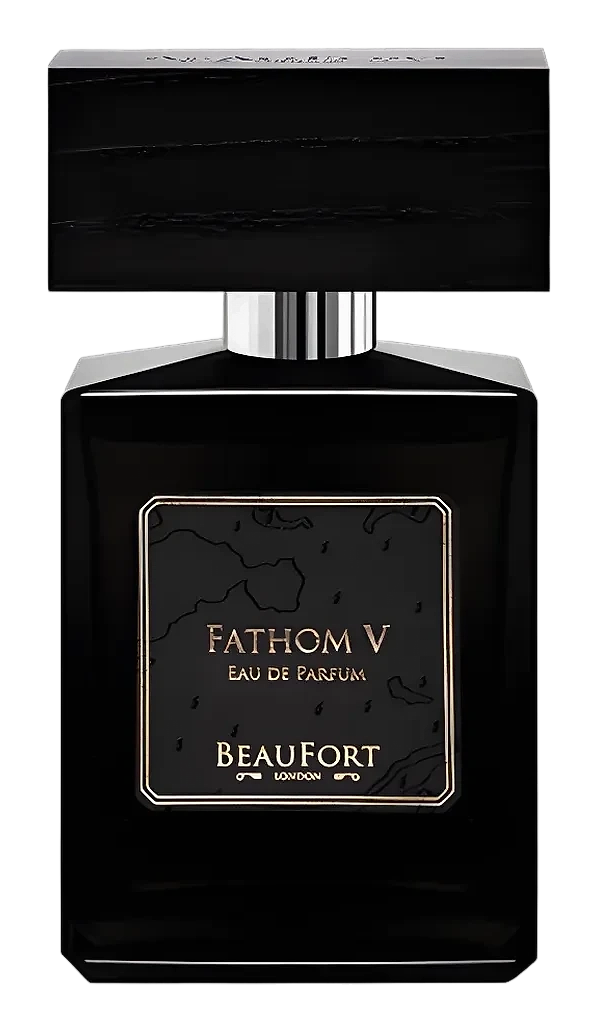


Brands
Brands known for Petrichor
Good to know
Questions, answered
The essentials on Petrichor in perfumery: how it smells, where it comes from, and how it behaves on skin.
What does Petrichor smell like in perfume?
Petrichor smells like rain falling on warm, dry earth. It combines mineral dampness with earthy undertones of wet stone and rich soil. The effect is atmospheric and primal, often described as clean yet grounded, fresh yet deeply organic.
Why is Petrichor used in perfumery?
Petrichor adds atmospheric depth and primal, natural character to fragrances. It grounds lighter compositions with mineral-rich earthiness and evokes powerful emotional responses tied to memory and the natural world. The note creates a sensory bridge between urban fragrances and untouched landscapes.
Is Petrichor in perfume natural or synthetic?
Most commercial petrichor perfumes use synthetic geosmin, as extracting it naturally would require processing tonnes of soil. Traditional mitti attars from Kannauj capture authentic petrichor through steam distilling monsoon-soaked earth, but these remain rare and artisanal.
What famous perfumes contain Petrichor?
Niche fragrance houses have pioneered petrichor notes. Le Labo's Baie 22 incorporates herbal-petrichor character, while other brands like DS & Durga and Byredo have released fragrances centered on rain-earth atmospherics.
Is Petrichor a top note, heart note, or base note?
Petrichor functions primarily as a base note in perfumery. Its mineral-earthy character provides lasting dry-down depth and atmospheric resonance. Some fresher petrichor interpretations appear earlier in the scent development through ozonic top notes.
What notes pair well with Petrichor in perfume?
Petrichor pairs naturally with earthy materials like vetiver, patchouli, and oakmoss. It also complements ozonic or aquatic notes to reinforce the rain effect, while woody accords like cedar add mineral dimension.
How is Petrichor extracted?
Pure petrichor cannot be extracted from nature. The core compound, geosmin, is synthesized chemically. Traditional attars use steam distillation of soil exposed to monsoon rains. Modern perfumery layers synthetic geosmin with natural earthy materials to create the effect.
Is Petrichor used in men's or women's fragrances?
Petrichor is considered gender-neutral in perfumery. The atmospheric, mineral-earthy character works equally well in masculine and feminine compositions. Its primal nature transcends traditional gender boundaries in fragrance design.