Earthy
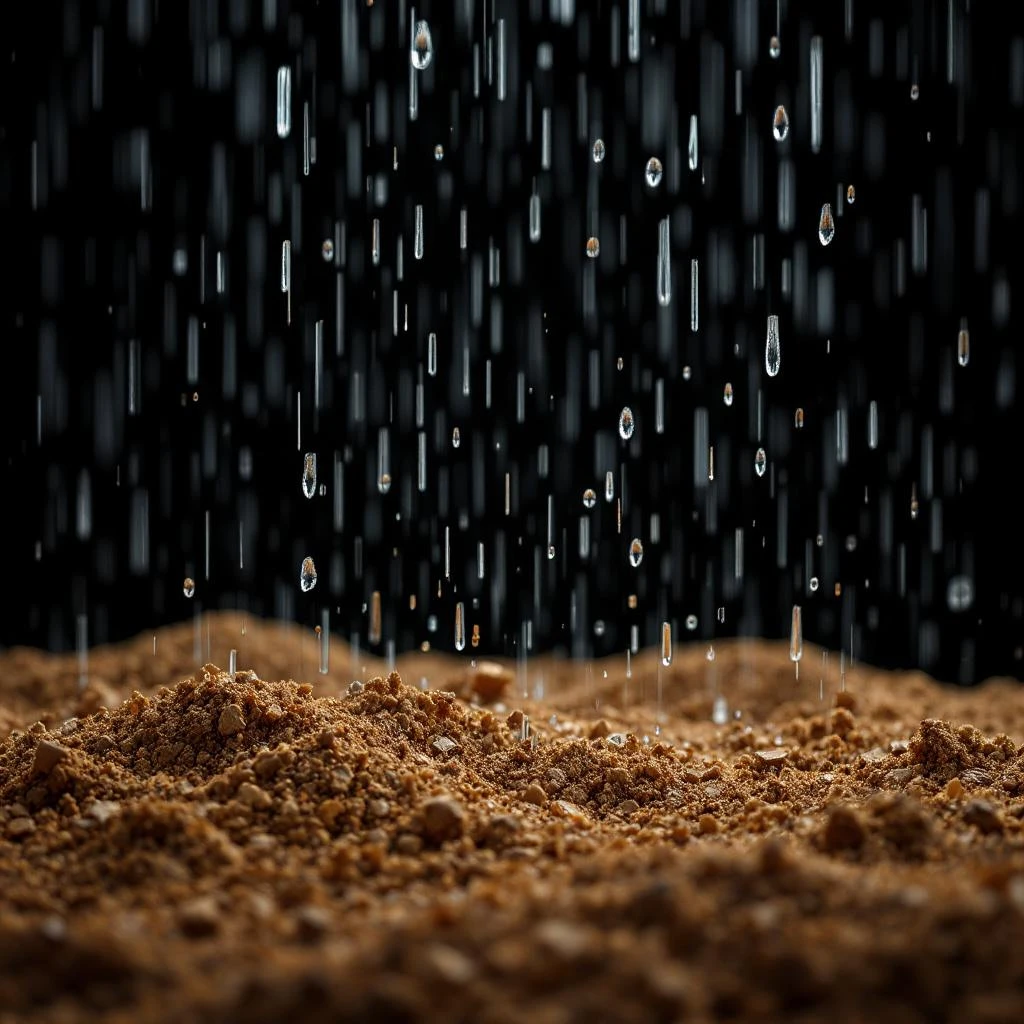
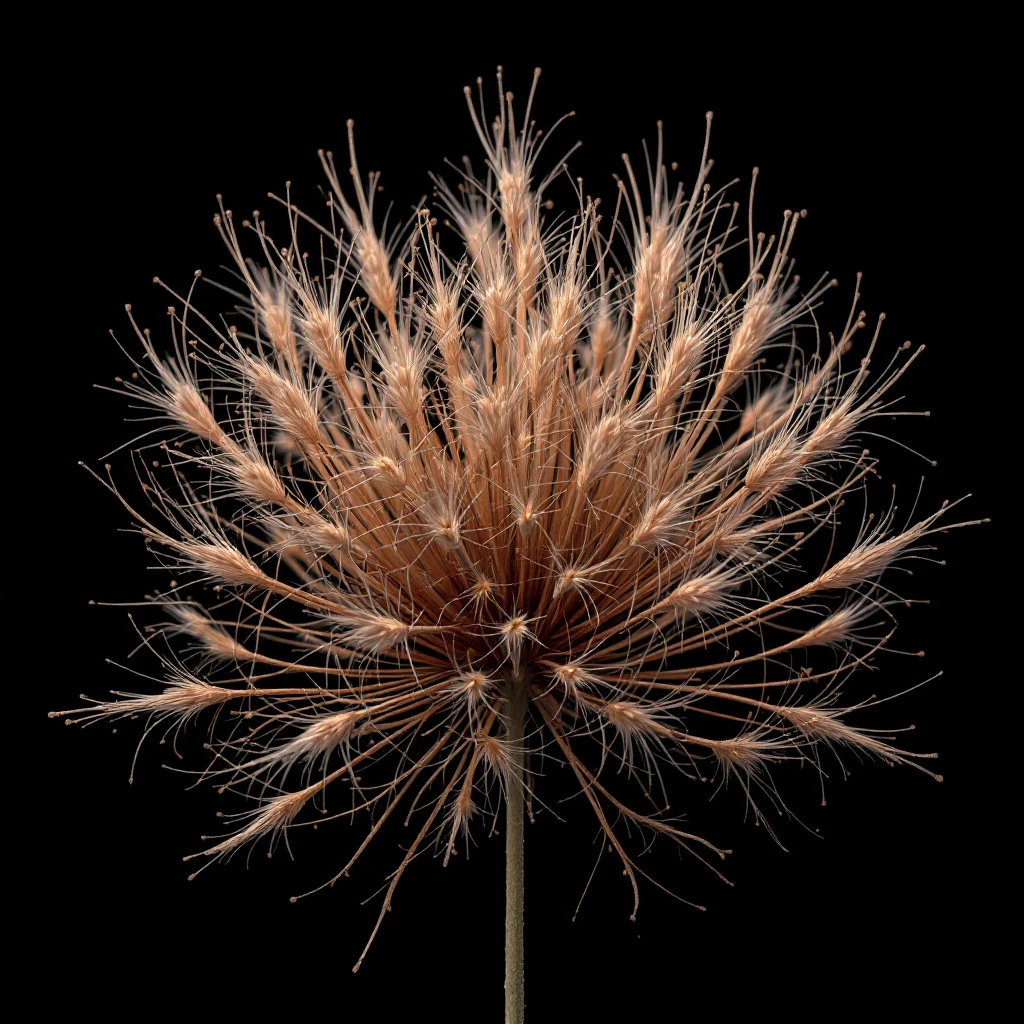
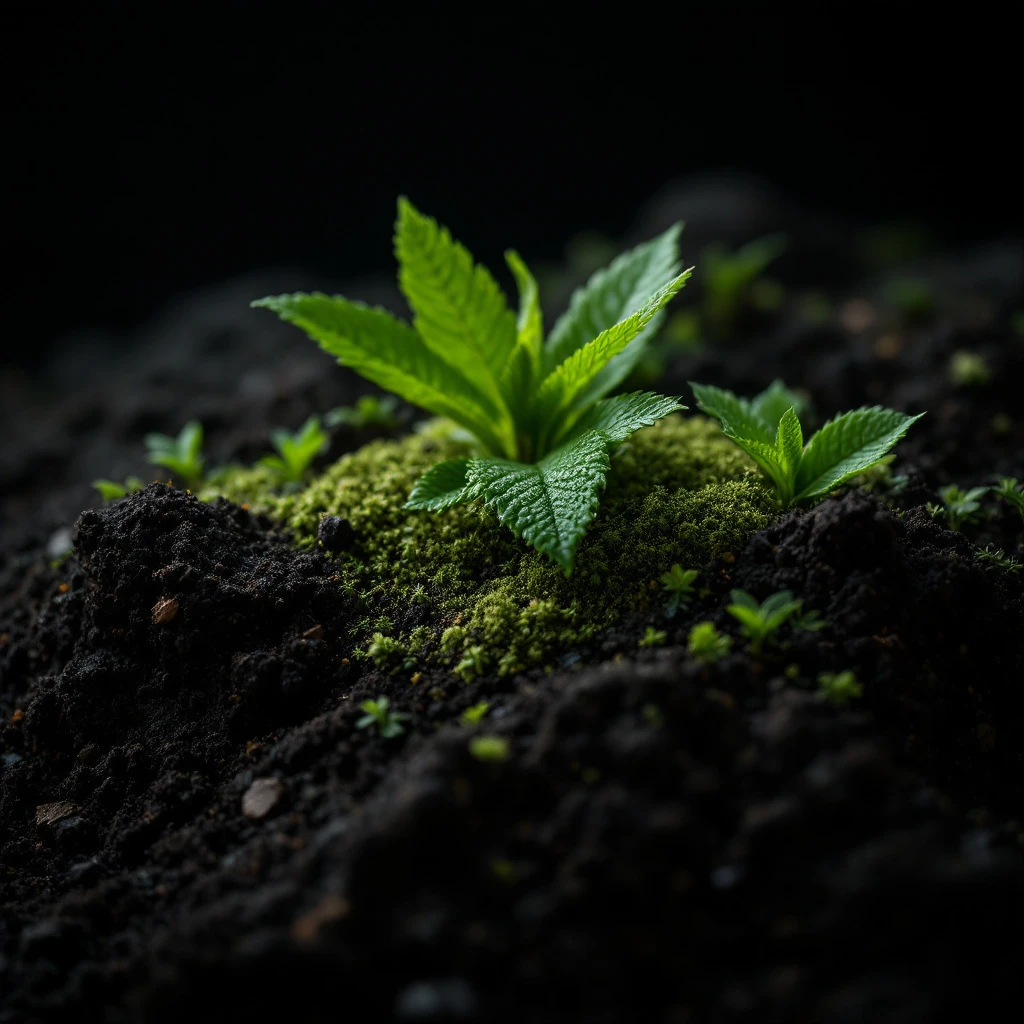
Earth notes ground a fragrance like rainfall on soil. From vetiver roots to patchouli leaves, these raw materials carry the scent of the natural world beneath our feet—a connection to landscapes unchanged for millennia.
Character
How it smells
The ancient scent beneath your feet.
The compound geosmin, responsible for petrichor, is detected by the human nose at just 0.4 parts per trillion—making it one of the most perceptible substances known.





Origin
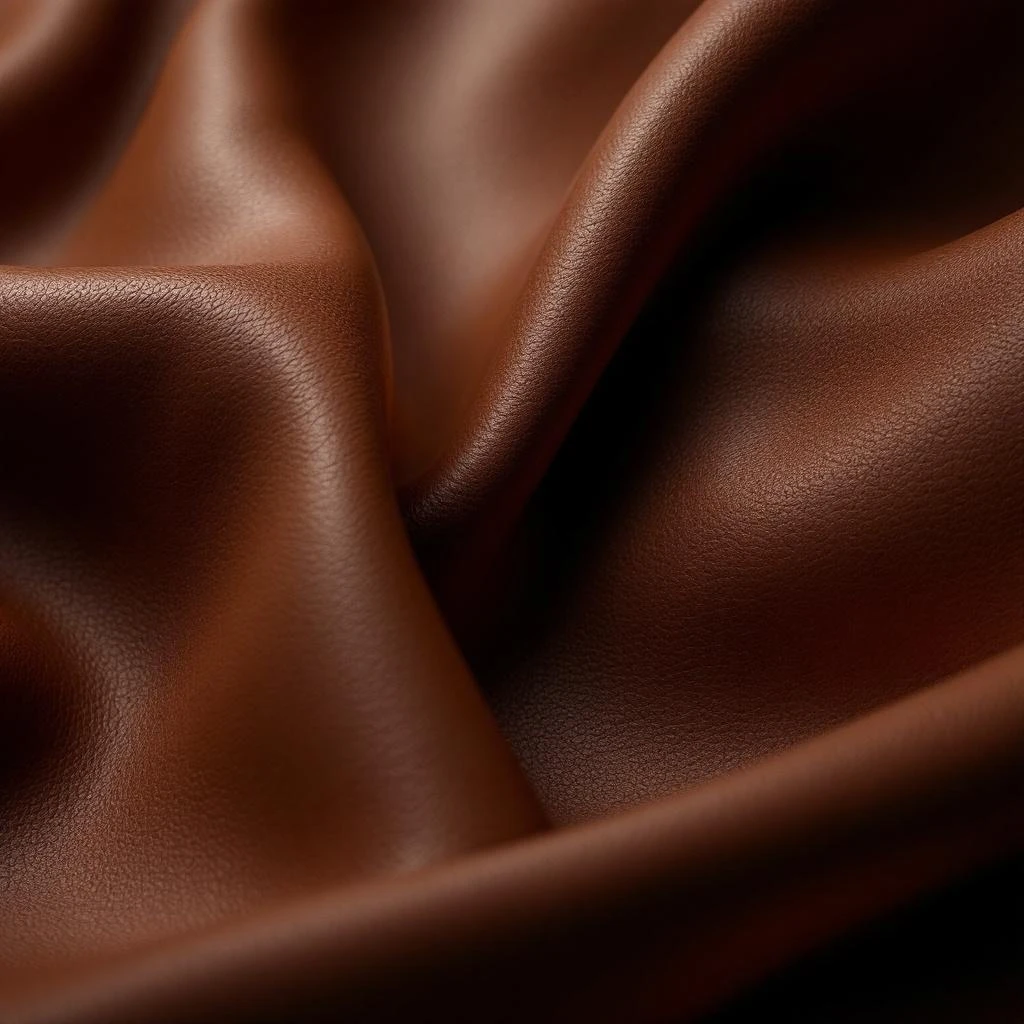
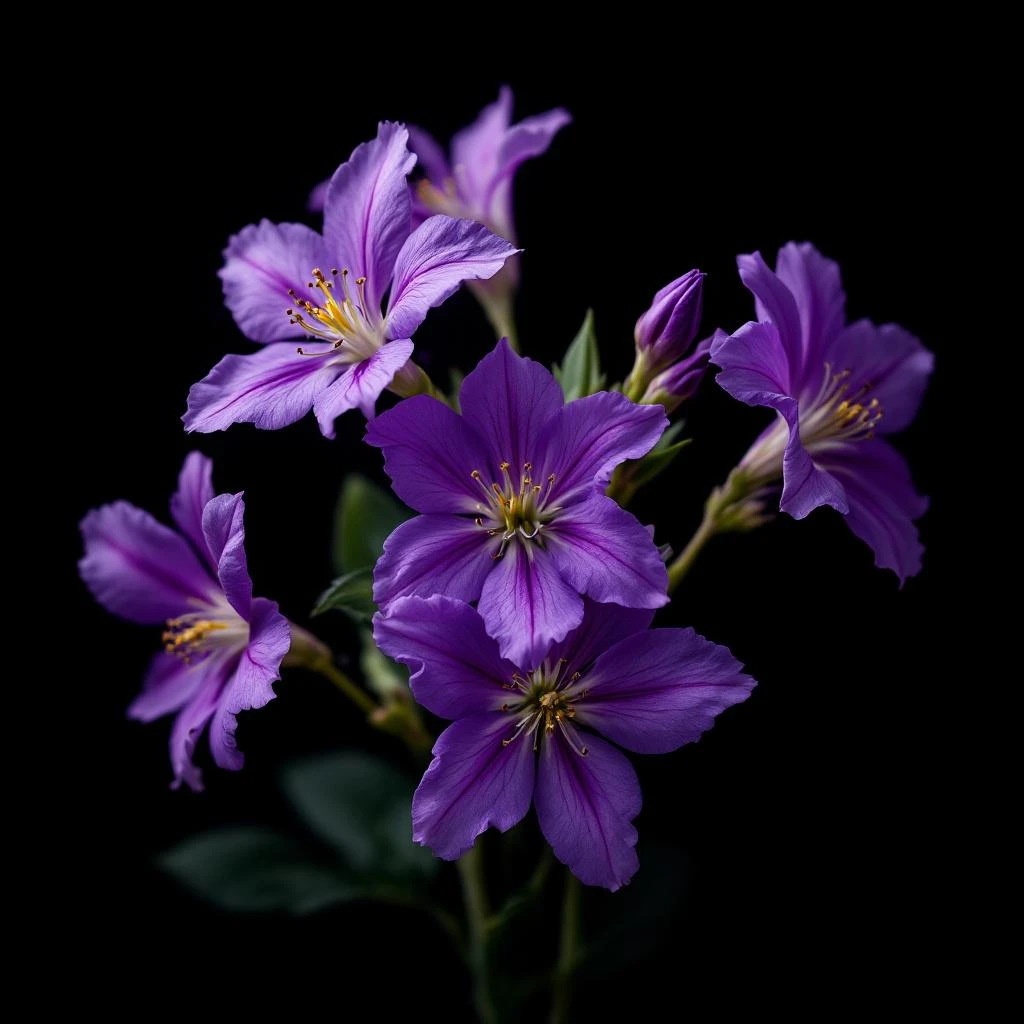
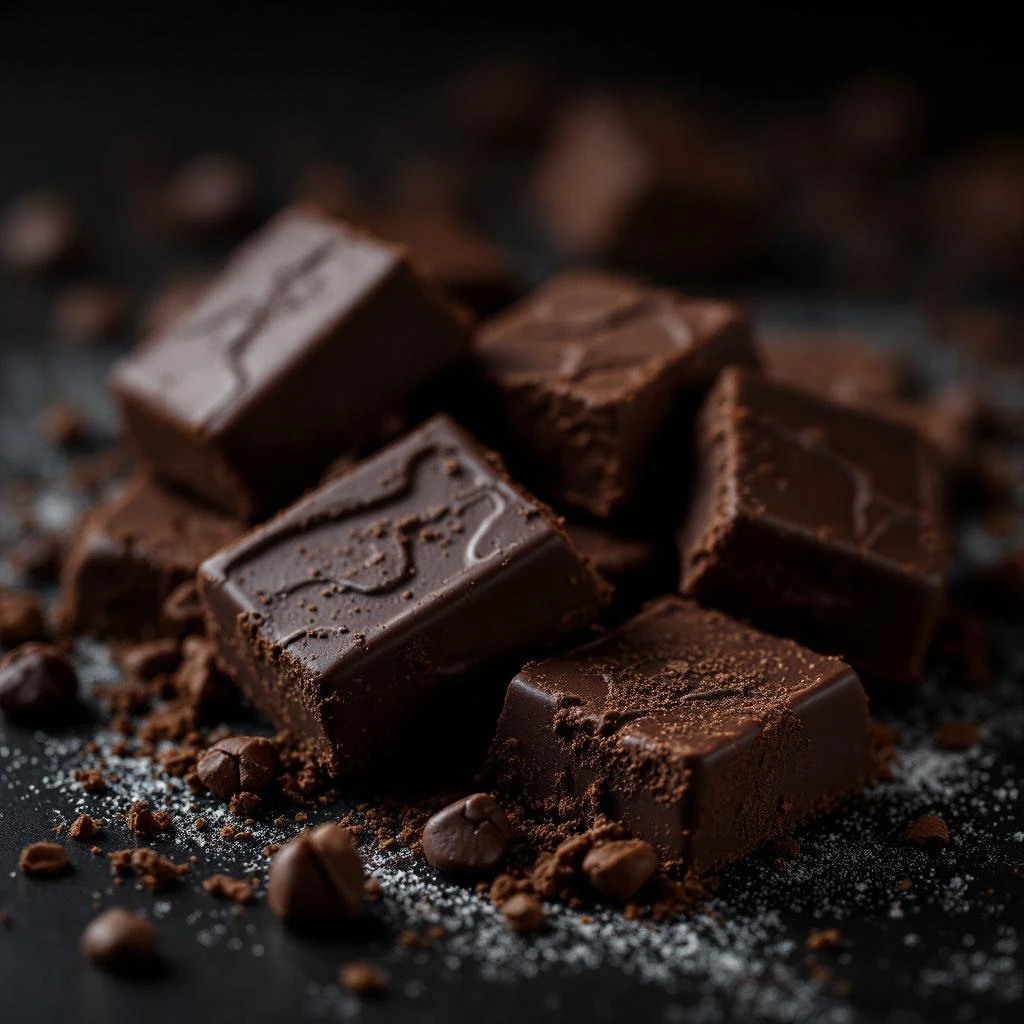
Multiple origins
Humans have worked with earth-based scents since ancient times. Egyptian priests burned myrrh and used earthy resins in sacred rituals. Archaeological evidence from the Indus Valley shows vetiver was used in ceremonial contexts around 3300 BC.
Medieval European perfumers discovered oakmoss acted as a fixative, extending a fragrance's lifespan—practical knowledge passed through guild traditions. By the 19th century, natural earth ingredients became foundational to chypre and fougère families, creating fragrance architectures still used today. The late 1800s brought synthetic alternatives like coumarin, expanding perfumers' ability to craft earthiness without relying solely on natural sources.
This blend of ancient practice and modern chemistry defines how contemporary perfumery approaches earth notes.
Wears it best
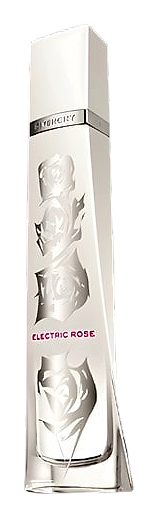
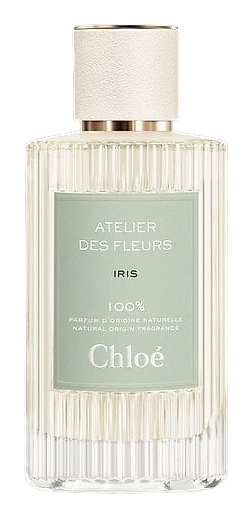
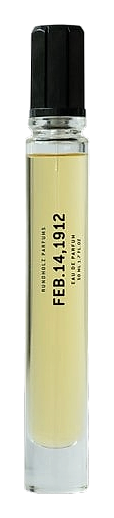
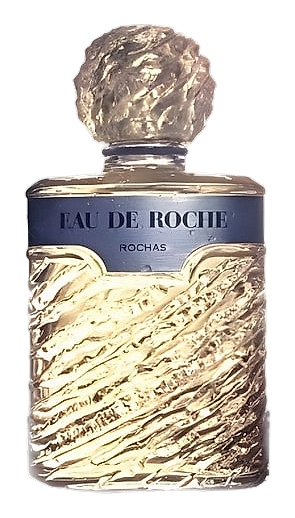
Fragrances featuring Earthy


Good to know
Questions, answered
The essentials on Earthy in perfumery: how it smells, where it comes from, and how it behaves on skin.
What creates the earthy scent in perfumes?
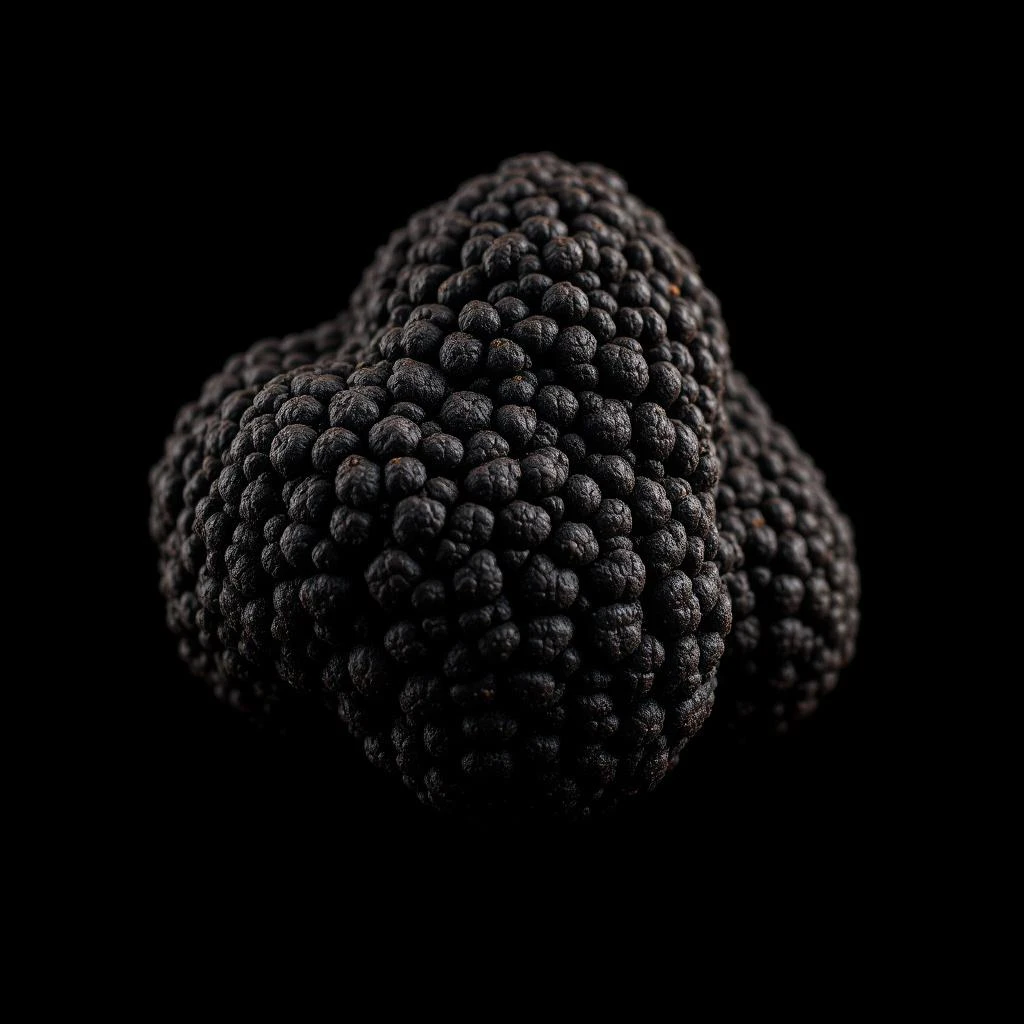
Earthy notes come from natural ingredients like vetiver roots, patchouli leaves, and oakmoss. Synthetic compounds such as geosmin and calone also recreate petrichor and mushroom notes. These materials share molecular characteristics that mimic soil, rain-soaked earth, and decaying organic matter.
How long have earthy ingredients been used in perfumery?
Earth-based materials appear in perfumery for over 4,000 years. Egyptian, Indian, and Mesopotamian civilizations all incorporated earthy resins and roots into their fragrance traditions. Modern perfumery began formalizing these materials in the 19th century.
What fragrance families use earthy notes?
Chypre, fougère, and oriental families heavily feature earth notes. Vetiver appears in men's fragrances as a base note. Patchouli anchors woody chypres. Oakmoss traditionally defined chypre compositions before IFRA restrictions limited its concentration.
Can earth notes smell different?
Yes. Vetiver offers smoky, woody earthiness. Patchouli provides sweet, camphoraceous depth. Oakmoss contributes green, mossy textures. Geopyxis and synthetic geosmin deliver aquatic petrichor—each variant offers distinct sensory character.
Why are earthy notes used as base ingredients?
Earthy materials typically have large molecular structures that evaporate slowly. This makes them excellent fixatives—they slow down lighter top notes and extend a fragrance's longevity on skin. Vetiver and oakmoss are particularly valued for this property.
Are there synthetic alternatives to natural earth notes?
Modern perfumery uses synthetics to replicate earthiness. Geosmin mimics petrichor at detection thresholds of 0.4 parts per trillion. Calone creates marine-ozone effects. These allow perfumers to achieve earthy effects while avoiding natural supply limitations.
What extraction method works best for vetiver?
Steam distillation extracts vetiver oil from chopped, washed roots over 8-24 hours. The resulting oil contains over 150 identified compounds. Bourbon vetiver (from Réunion) and Haitian vetiver are particularly prized for their sweet, smoky profiles.
How should I store fragrances with earth notes?
Keep bottles away from heat and direct sunlight. Natural earth materials like patchouli improve with age as their complex molecules mature. Cool, dark storage preserves the volatile compounds that give earthy fragrances their characteristic depth.