The Story
Why it exists.
The beginning
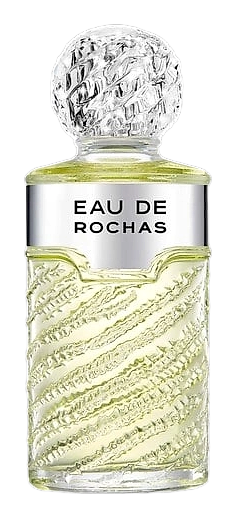
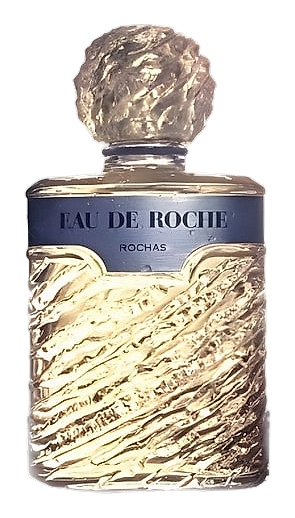
Eau de Roche arrived in 1946, composed by Edmond Roudnitska for a house that believed scent preceded sight. Marcel Rochas had built his couture philosophy on the idea that a woman's presence should announce itself before she entered a room. Roudnitska, already establishing himself as one of the century's more rigorous noses, translated this into a fragrance with a distinctive coastal character. The opening citrus accord carries a sharp, clean brightness, almost mineral in its clarity, like sea spray meeting sunlight. This bright introduction doesn't simply fade, it evolves, allowing the deeper layers to emerge gradually. The chypre structure provides architectural backbone, with bergamot and citrus oils lending an aromatic freshness that lingers well beyond the initial spray.
What makes Eau de Roche structurally interesting is how it holds two opposing impulses in balance: the immediate refreshment of citrus and the slow accumulation of chypre depth. Most colognes of the era opened bright and surrendered gracefully. This one planted itself. The aromatic character, herbs, resinous greens, provided the middle voice between citrus snap and earthy base. Woody notes (vetiver, perhaps some cedar) gave the drydown something to say on its own. Spicy undertones kept the composition from becoming purely mineral. The result is a fragrance that reads differently on second wear.
The evolution
The opening hits sharp. Citrus with an aromatic edge, herbs you might find growing between coastal rocks rather than in a garden. Lemon, perhaps, or bergamot, but the composition holds it taut rather than letting it bloom. Thirty minutes in, the chypre structure begins to assert itself. Moss, patchouli, that earthy-green undertone that distinguishes chypre from simple citrus. The top notes don't disappear so much as they make room. By the second hour, the woody base has arrived in full. Vetiver and earth, with the spicy undertones threading through. The drydown is where this fragrance earns its reputation. On fabric, it lingers past the point of expectation. On skin, it holds moderate sillage, present without announcing itself. By hour four or five, it settles into something quiet and close, the kind of drydown that rewards leaning in rather than projecting outward. What remains the next morning: vetiver, salt, the memory of stone.
Cultural impact
Eau de Roche arrived in 1946 as France rebuilt its luxury industries after occupation. The original formulation's discontinuation in 1956 and subsequent 1970 reformulation as Eau de Rochas created a lineage that continues influencing fragrance design today, illustrating how single perfumes can shape entire market categories. The scent represents a particular moment in French perfumery history, when houses sought to translate their established house codes into new aromatic expressions.