Chypre Notes
Chypre is not a single ingredient but an entire fragrance architecture. Discover the structural formula that shaped modern perfumery, born from the island of Cyprus and perfected by French perfumery in 1917.
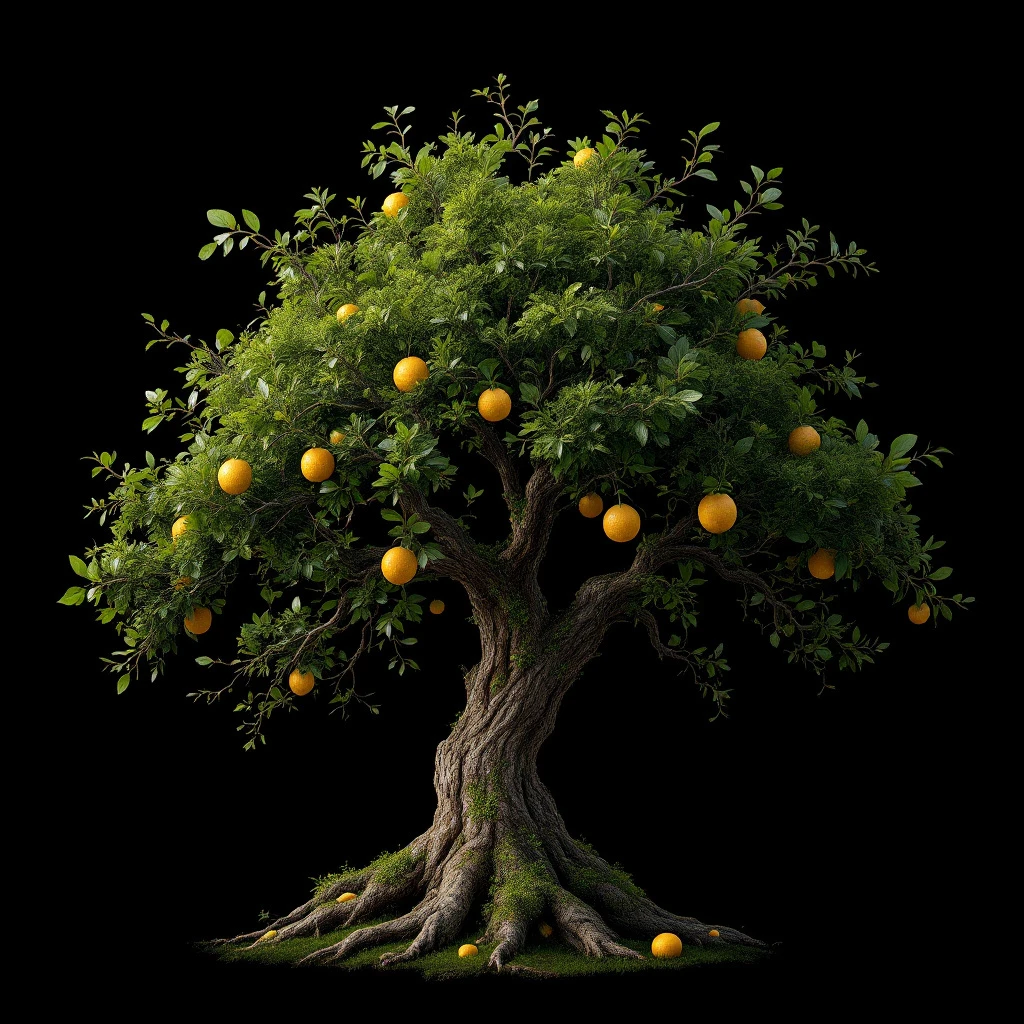
Character
How it smells
The structural heart of Western perfumery.
No one knows exactly who invented chypre. Ancient recipes from Cyprus never survived, leaving the origin wrapped in mystery.






Origin
Cyprus
The year 1917 marked a turning point in fragrance history. François Coty launched a perfume that crystallized what would become one of perfumery's most enduring families. The name simply means Cyprus in French, honoring the island that served as a perfume center for millennia. Ancient Phoenician traders shipped aromatic resins from Cypriot ports.
Greek perfumers blended local materials into sacred oils. Yet no ancient recipes survived. The chypre structure emerged fully formed in 1917, built on a chiaroscuro between bergamot's brightness and labdanum's shadow. This structural formula influenced everything that followed.
Leather, fougère, and countless modern creations borrowed its logic. The family persisted through regulatory changes, world wars, and shifting tastes. Today, chypre remains a cornerstone of perfumery education and practice, a testament to a formula discovered rather than invented.
Wears it best
Fragrances featuring Chypre Notes
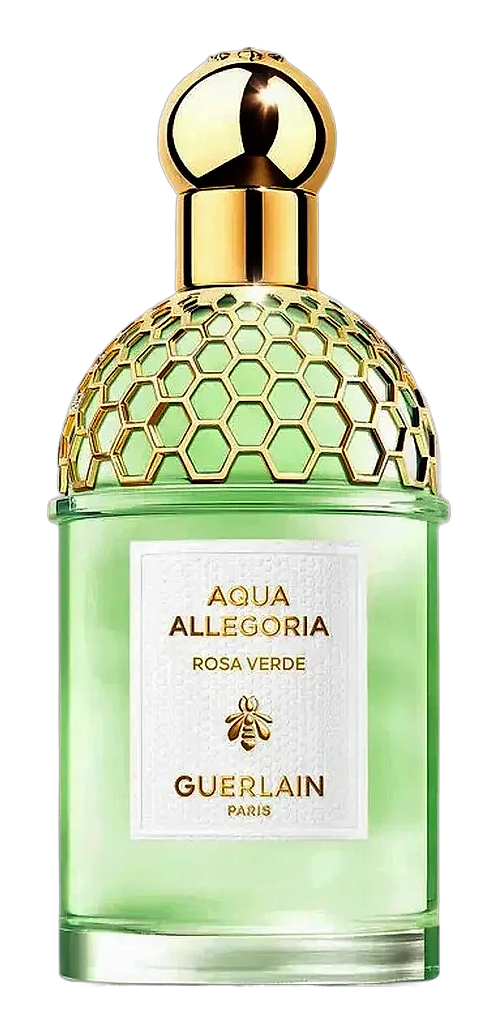
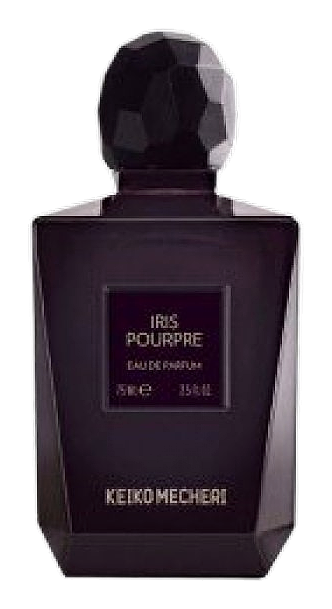
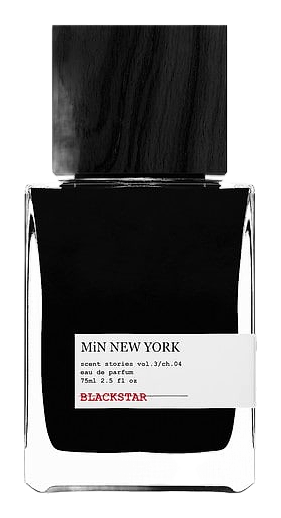
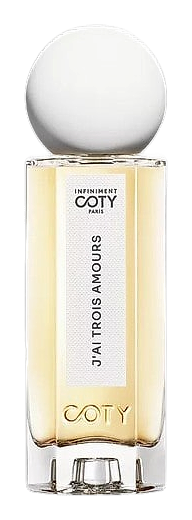
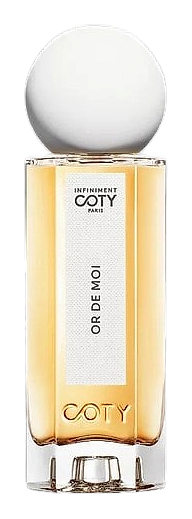
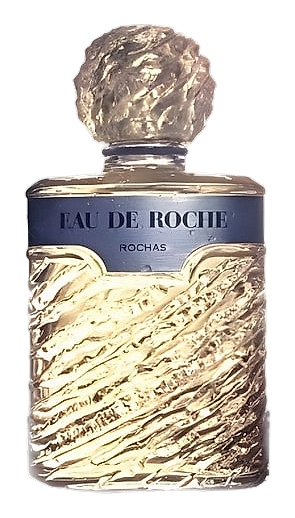
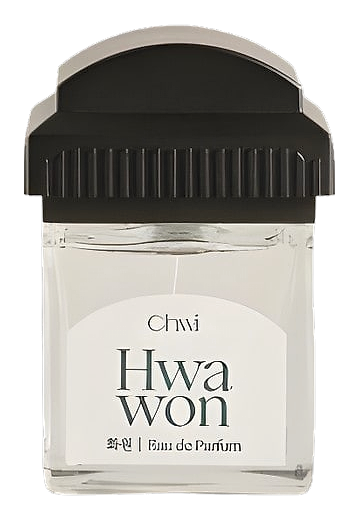
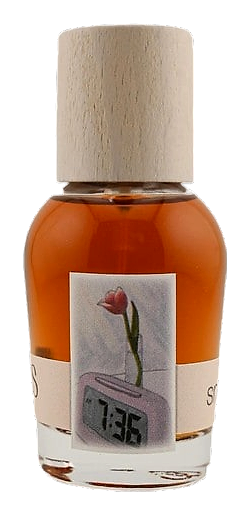
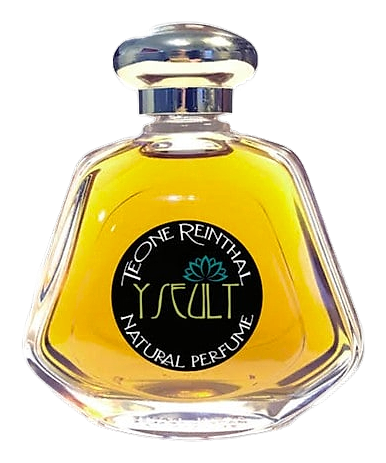
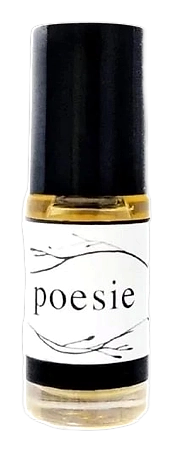
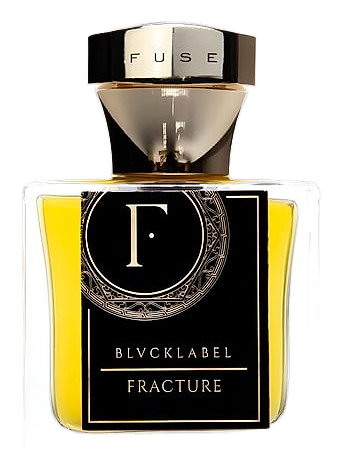
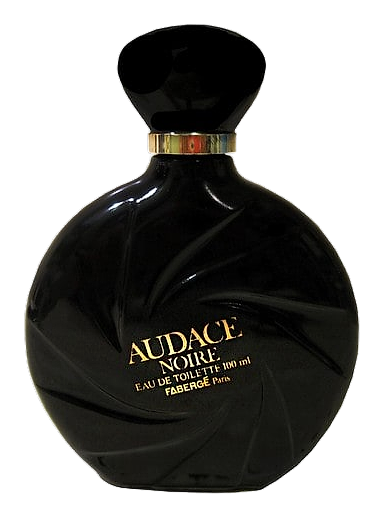
Brands
Brands known for Chypre Notes
Good to know
Questions, answered
The essentials on Chypre Notes in perfumery: how it smells, where it comes from, and how it behaves on skin.
What exactly is a chypre note?
A structural fragrance family, not a single ingredient. Chypre refers to an olfactory architecture combining citrus top notes with a mossy-resinous base. The name comes from the French word for Cyprus.
What ingredients define chypre?
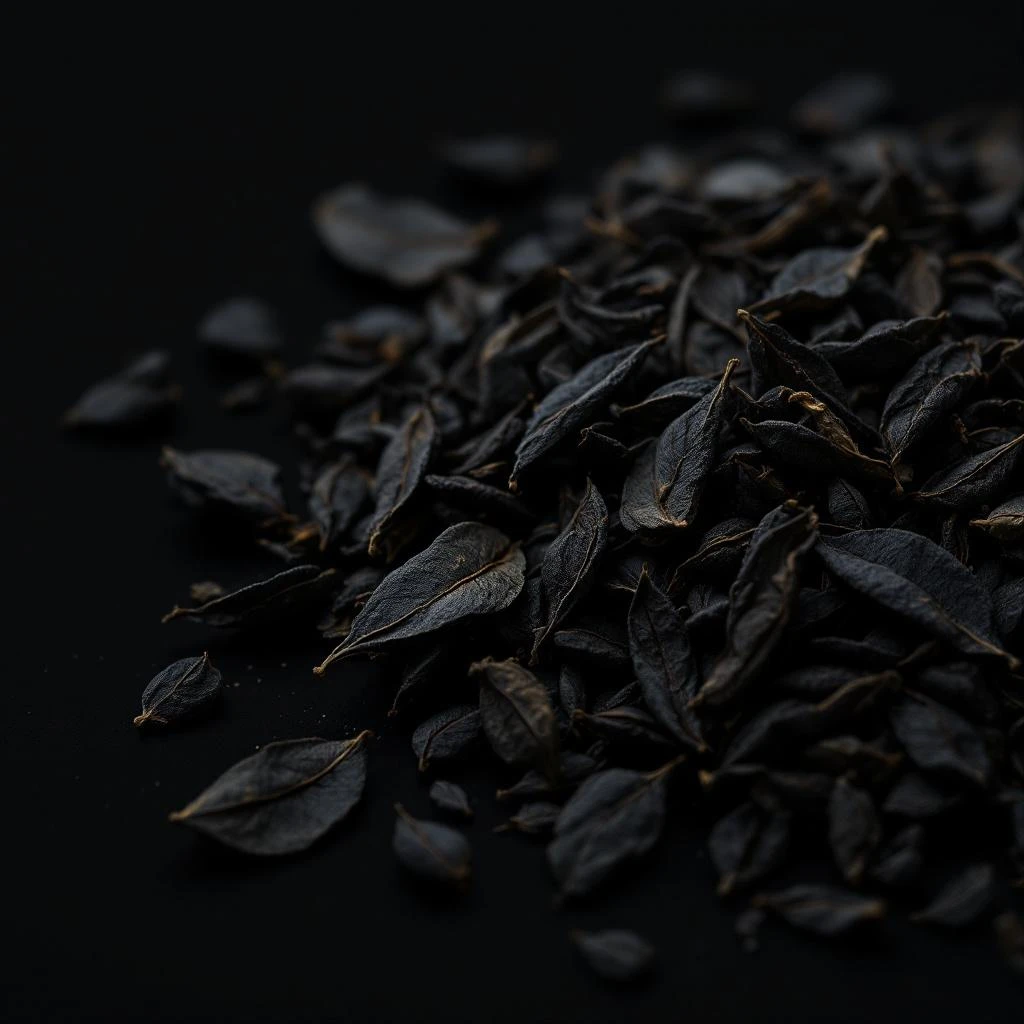
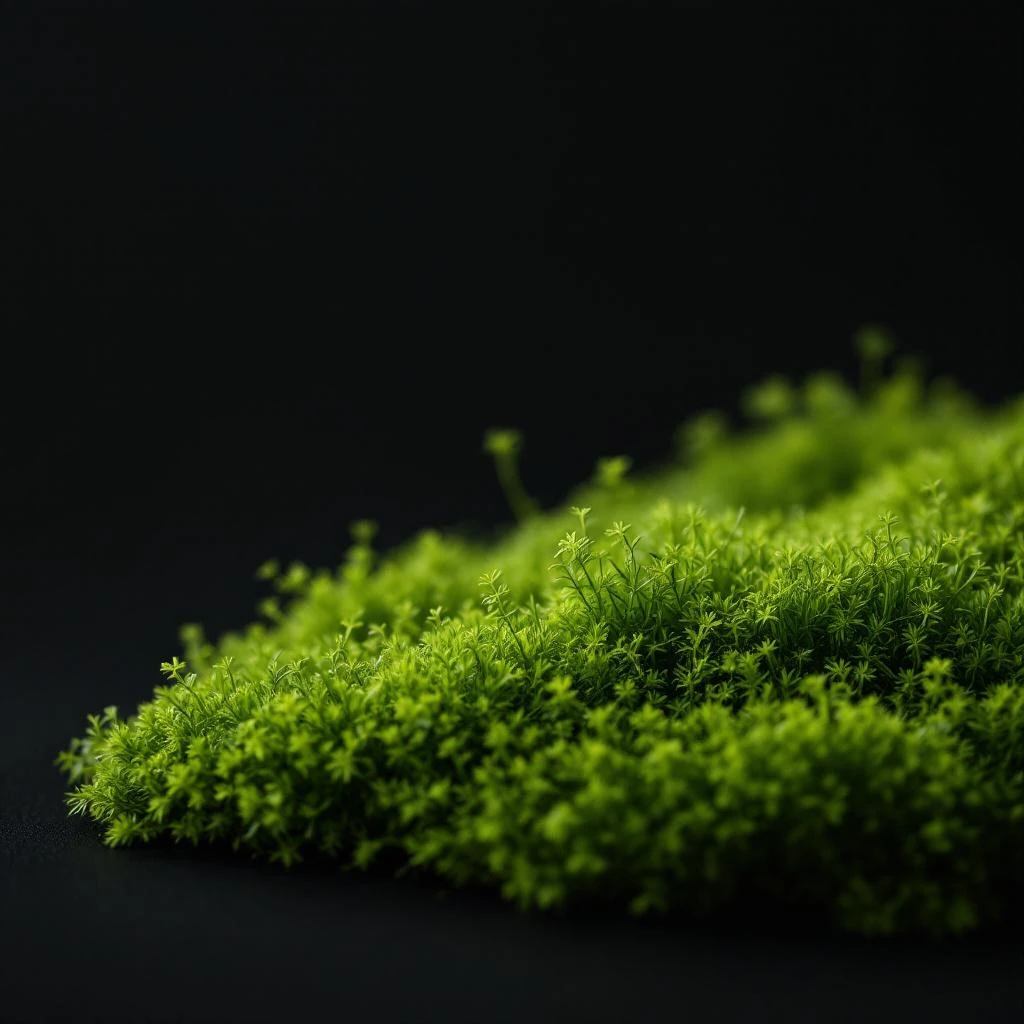
Oakmoss provides the characteristic dark, forest quality. Labdanum adds warm resin. Patchouli brings earthy depth. Bergamot supplies the bright citrus opening. Rose often appears in the heart.
How is chypre pronounced?
Sheep-ruh. The French pronunciation sounds like the word for Cyprus.
When did chypre originate as a fragrance family?
1917. François Coty launched the perfume that established this family, creating a formula that became one of perfumery's foundational structures.
What makes chypre different from other fragrance families?
It functions as an olfactory structure rather than a simple category. The contrast between bright citrus and dark moss creates the signature, independent of specific ingredients.
Has chypre formulation changed over time?
Modern perfumery faces restrictions on traditional oakmoss concentrations. Perfumers adapt by using oakmoss substitutes and alternative materials while preserving the structural character.
Why does chypre remain relevant today?
The structure offers a timeless balance between freshness and depth. Contemporary perfumers continue referencing this framework, proving the 1917 formula still shapes how we smell and create.
What Cypriot aromatics influenced this family?
Historical records point to labdanum resin as the key Cypriot contribution. Ancient traders exported this material from the island, establishing a perfumery tradition that eventually shaped the modern family.