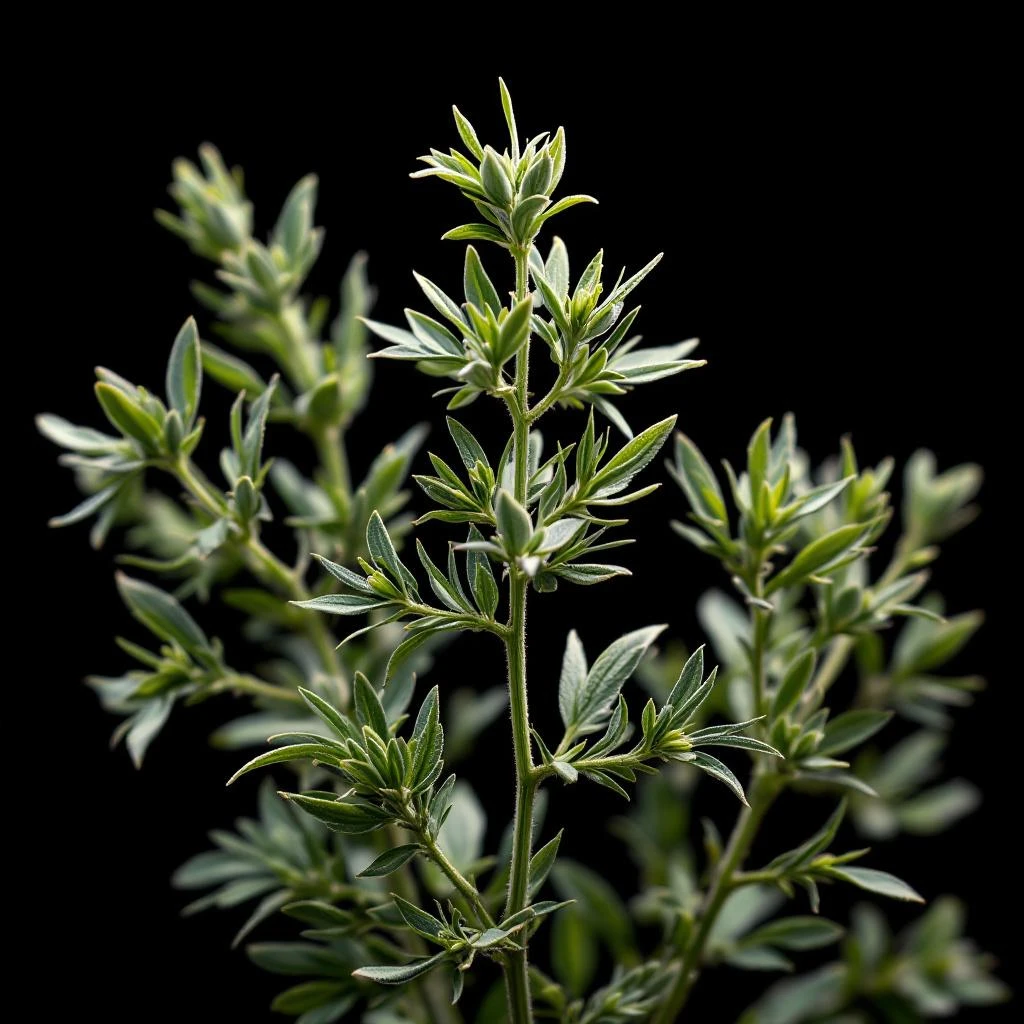
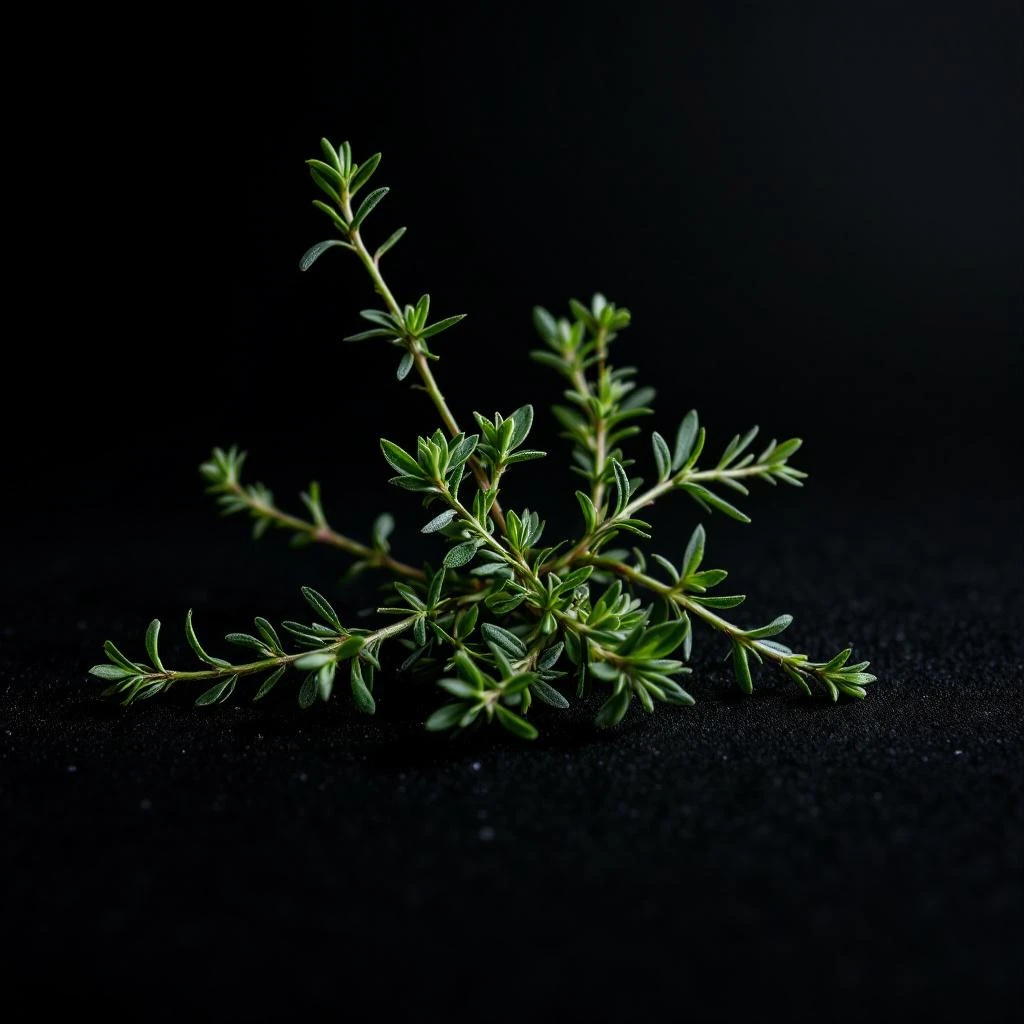
Aromatic Herbs
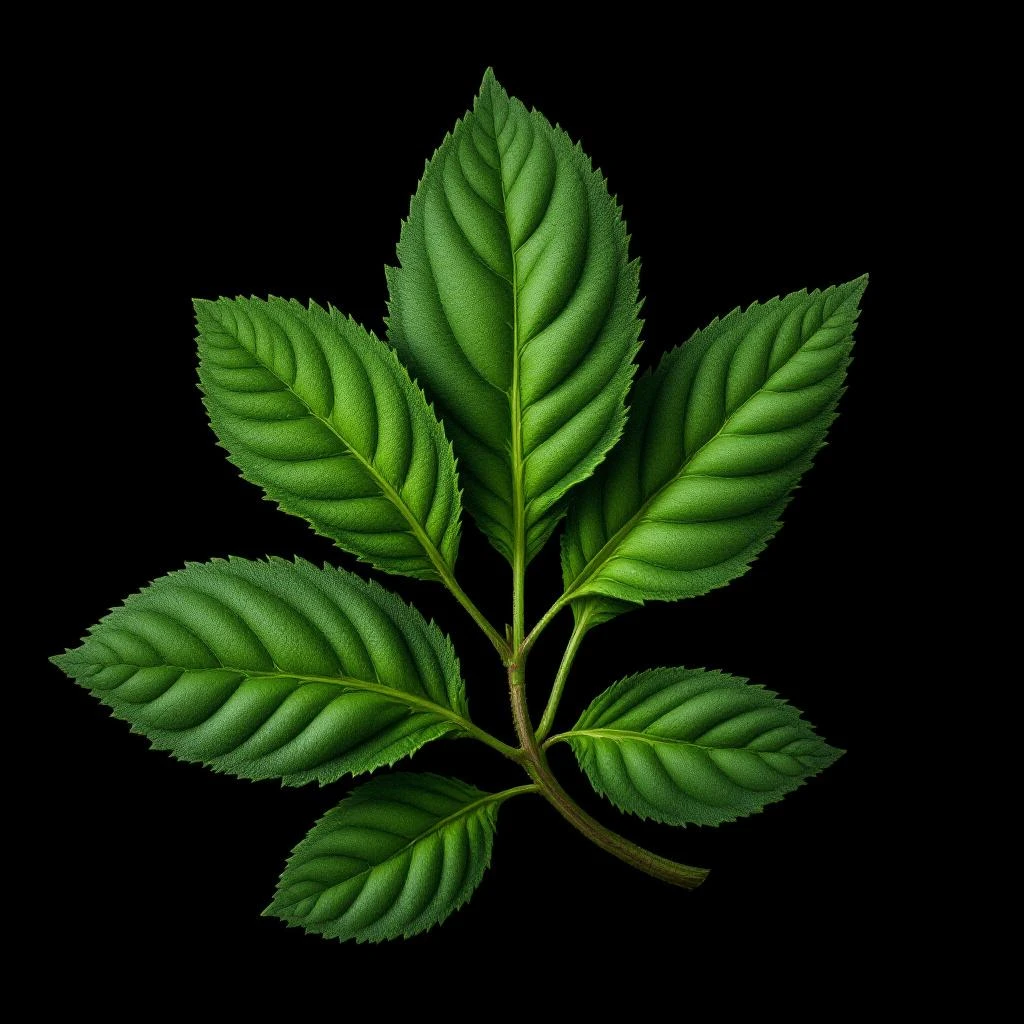
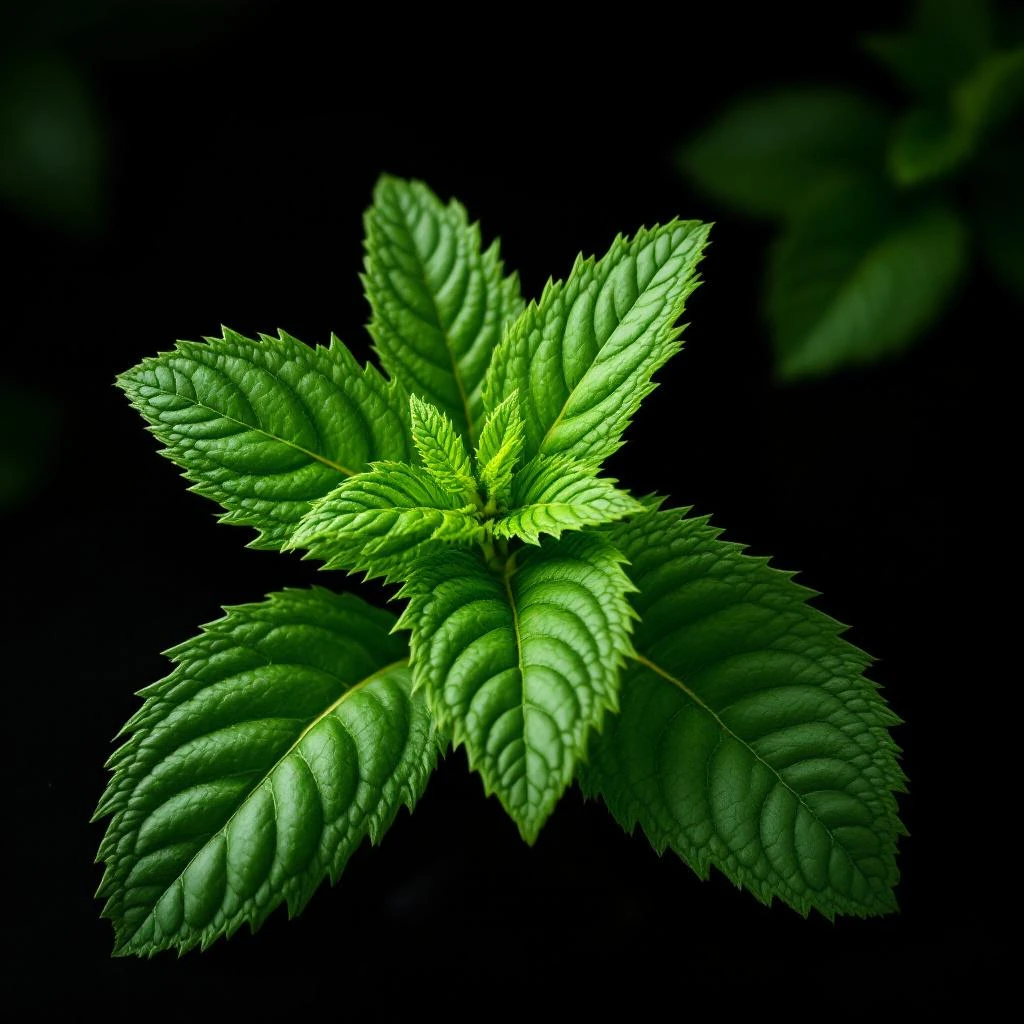
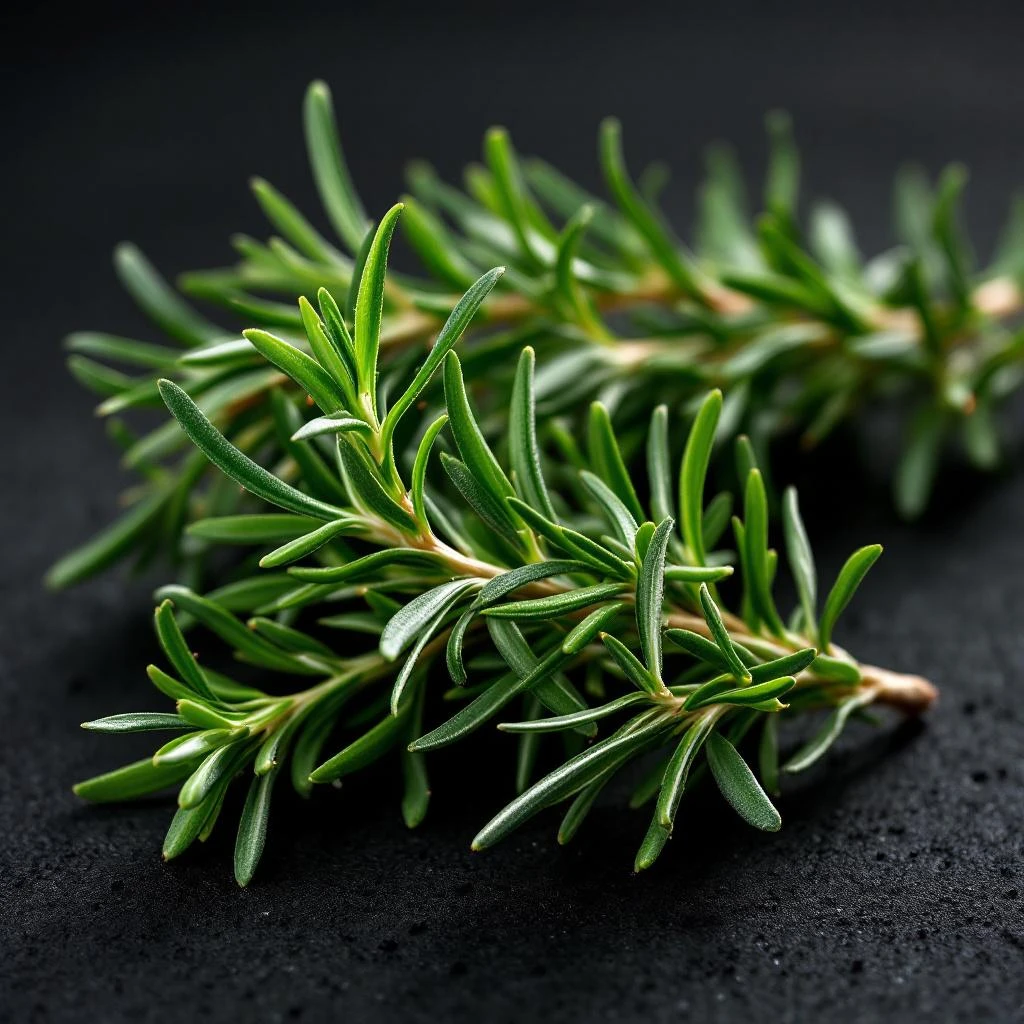
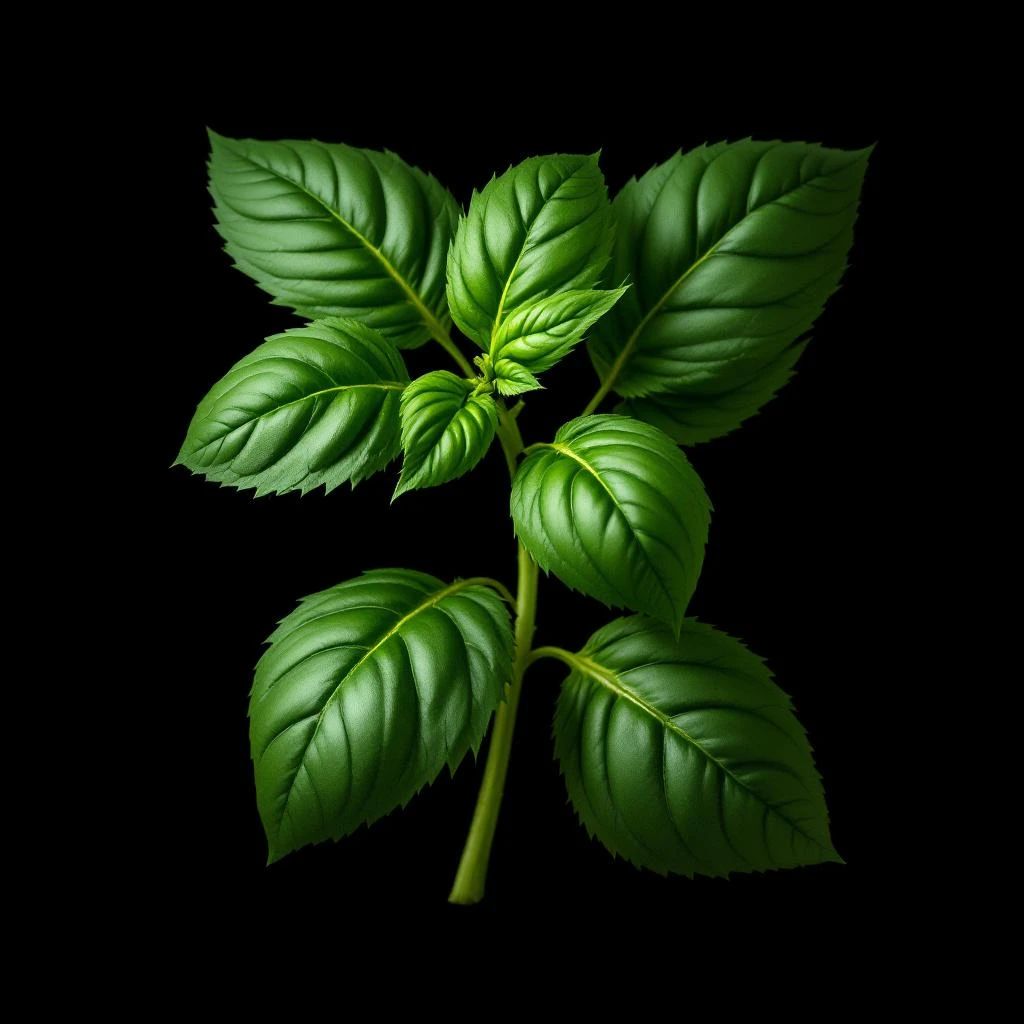
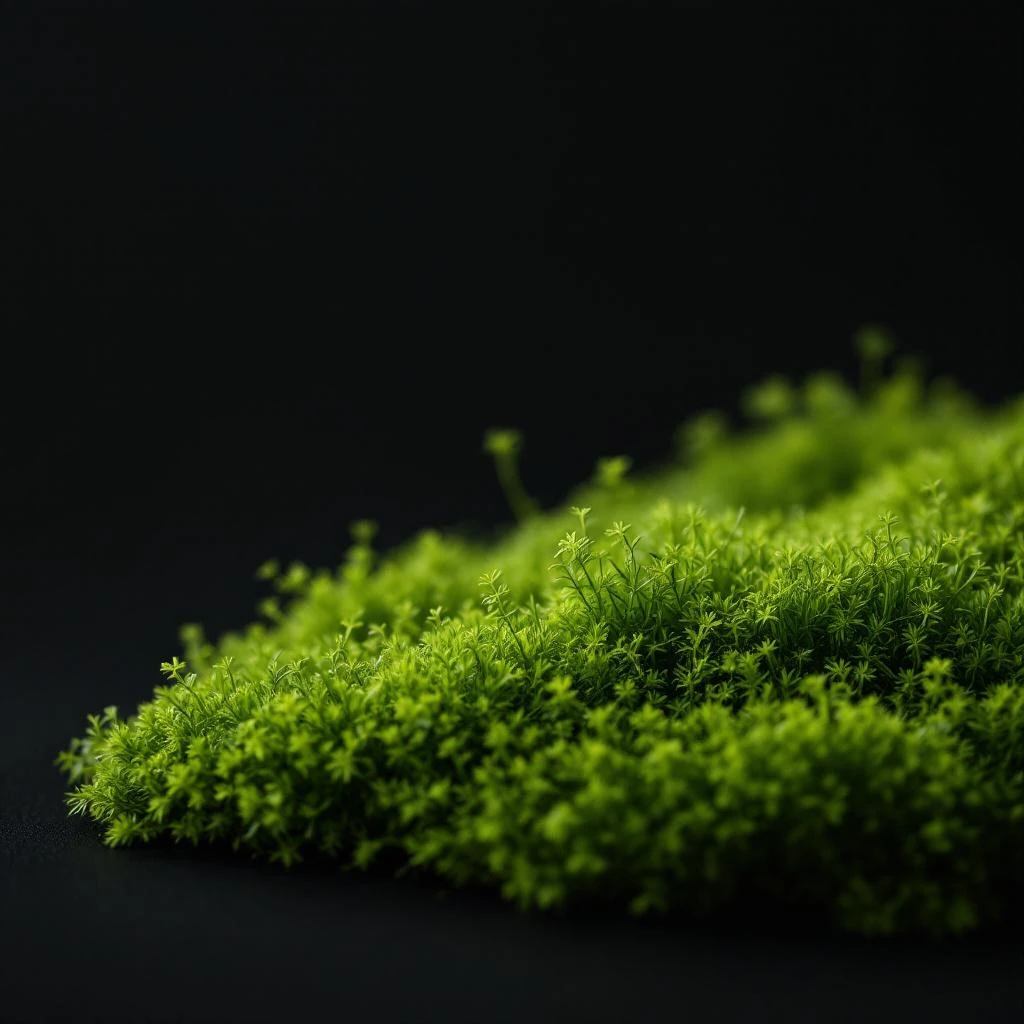
Aromatic herbs bring green, camphoraceous, and medicinal dimensions to fragrance, from sun-warmed lavender fields to the sharp clarity of rosemary. These plants have perfumed human civilization for millennia.
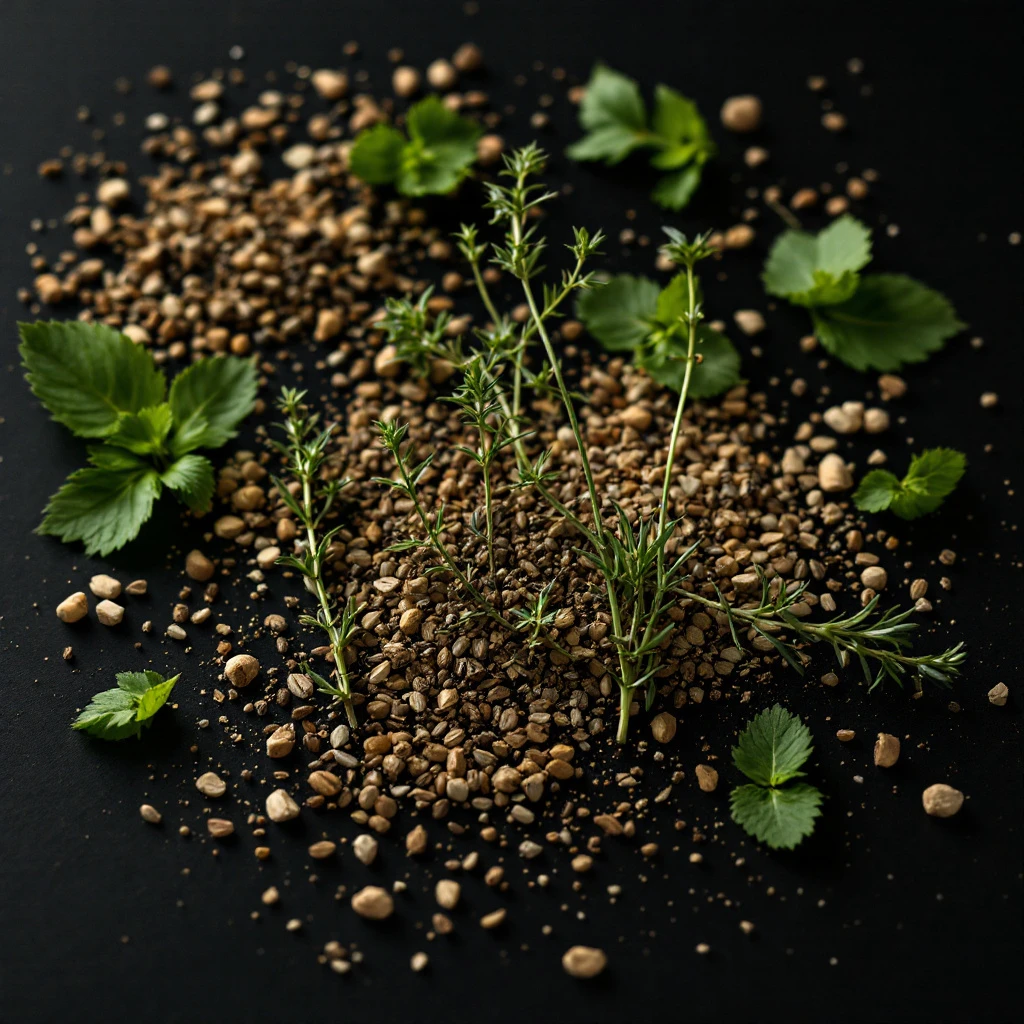
Character
How it smells
Green clarity from field to formula.
The word 'perfume' derives from Latin perfumum, meaning 'through smoke'—a direct nod to ancient herb burning rituals.




Origin
France
Aromatic herbs anchor fragrance's ancient origins. Egyptians burned herb bundles in religious rites by 3000 BCE. Greeks formalized aromatics into early perfumery around 500 BCE.
Romansperfumed baths, clothing, and arenas with herb-infused oils. The word 'perfume' itself—perfumum, meaning through smoke—reflects this herb-burning heritage. Medieval European monasteries preserved herbal knowledge, cultivating medicinal gardens alongside perfumery traditions.
When commercial perfumery emerged in 19th-century France, herbal essences became foundational materials. Lavender fields of Provence supplied the first standardized fragrance ingredients, establishing the template for modern botanical perfumery.
Wears it best
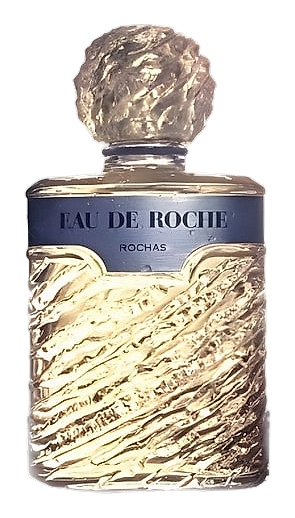
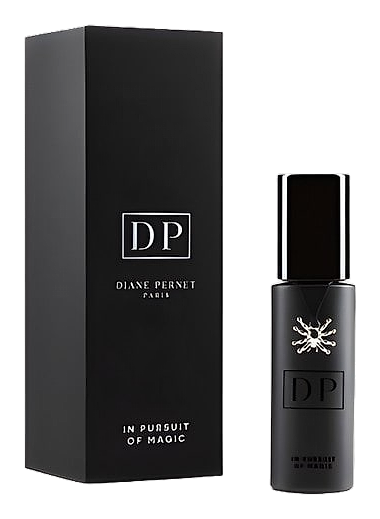
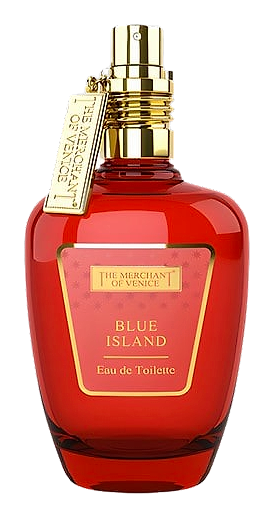
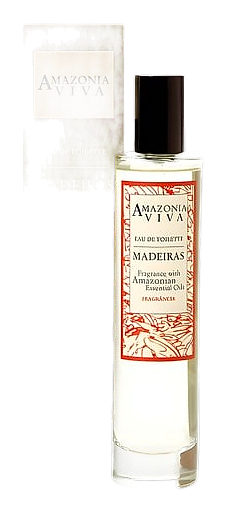
Fragrances featuring Aromatic Herbs
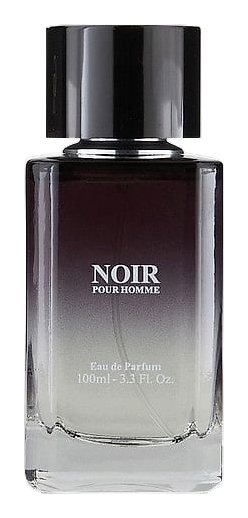
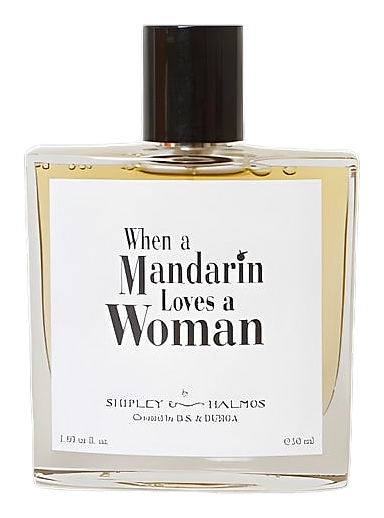
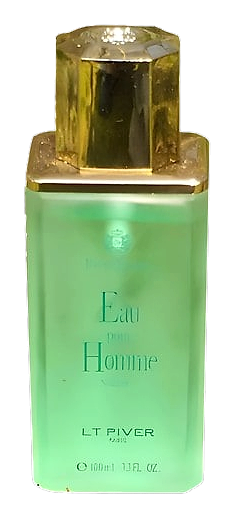
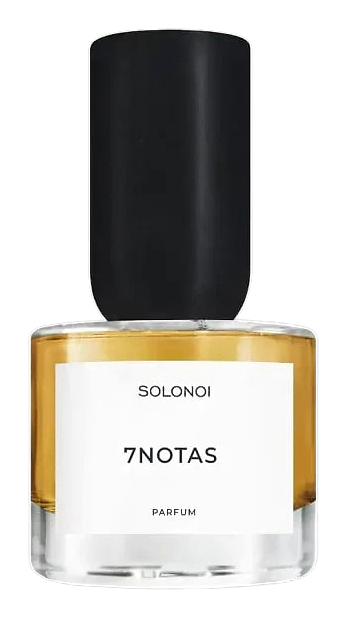
Brands
Brands known for Aromatic Herbs
Good to know
Questions, answered
The essentials on Aromatic Herbs in perfumery: how it smells, where it comes from, and how it behaves on skin.
What makes aromatic herbs distinctive in perfumery?
Aromatic herbs provide green, camphoraceous, and slightly medicinal qualities that add clarity and naturalness to fragrances. They often serve as top notes that immediately communicate freshness.
Which herbs appear most frequently in perfumery?
Lavender, rosemary, sage, thyme, and marjoram rank among the most used. Lavender alone appears in over 60% of masculine fragrances as a bridging note between citrus and woods.
Does the harvest season affect herb oil quality?
Yes. Most herbs yield peak essential oil content just before full bloom. Harvest timing shifts the aromatic profile—earlier harvests tend toward greener, more vegetal characteristics.
Are aromatic herbs natural or synthetic in modern perfumes?
Both exist. Natural steam-distilled herb oils offer complex, variable profiles. Synthetic alternatives like linalool or camphor replicate specific compounds. Many fragrances combine natural and synthetic herb notes.
What fragrance families pair well with aromatic herbs?
Aromatic herbs complement fougère, chypre, and citrus compositions. They anchor men's fragrances but increasingly appear in unisex and women's scents seeking natural, garden-fresh accords.
How do herb origins affect their aromatic character?
Terroir matters significantly. High-altitude herbs often develop more camphoraceous notes; coastal-grown herbs may exhibit saltier, more delicate profiles. Provençal lavender differs markedly from Bulgarian lavender.
What extraction method preserves herb oils best?
Steam distillation remains the standard for therapeutic-grade herb oils. Solvent extraction yields absolutes with broader aromatic range but traces of processing residue.
Can aromatic herbs cause skin sensitivity?
Some herb oils contain allergens like linalool or geraniol that require declaration. Natural doesn't automatically mean hypoallergenic. Professional dilution guidelines ensure safe usage levels.