Spice
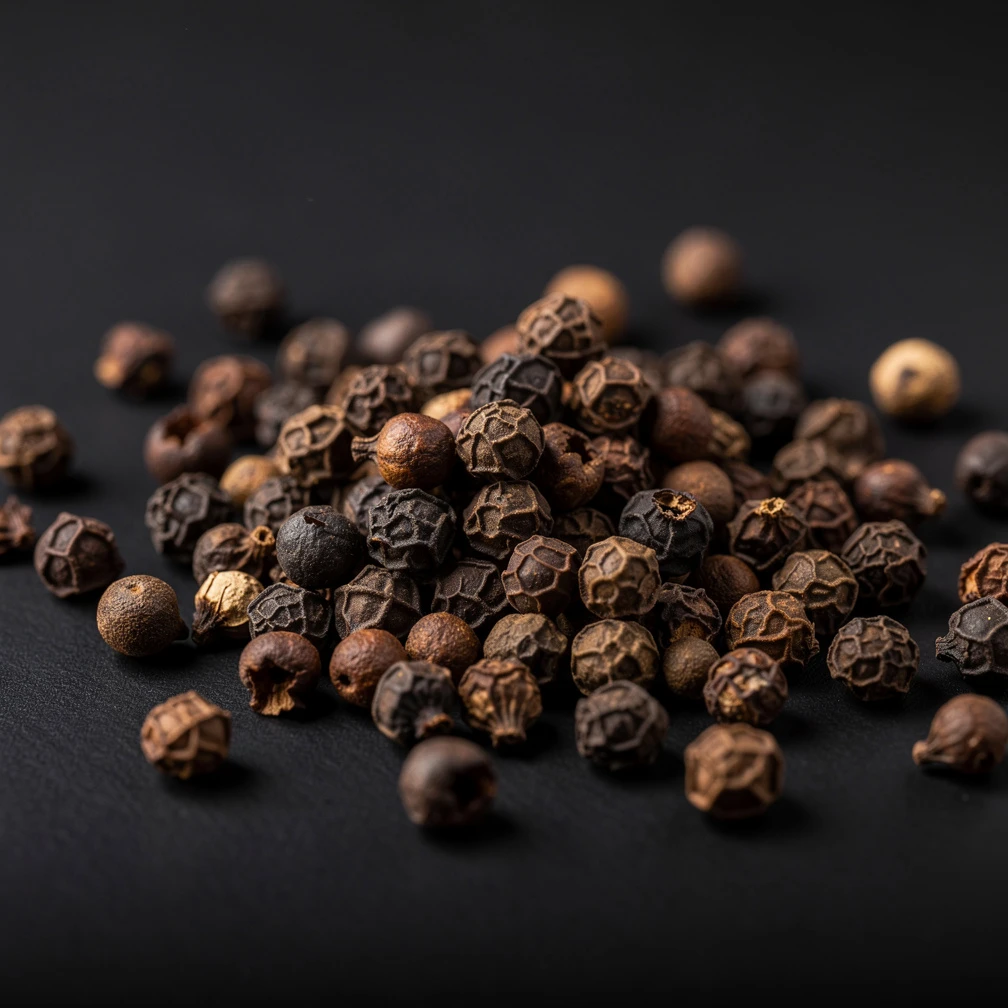
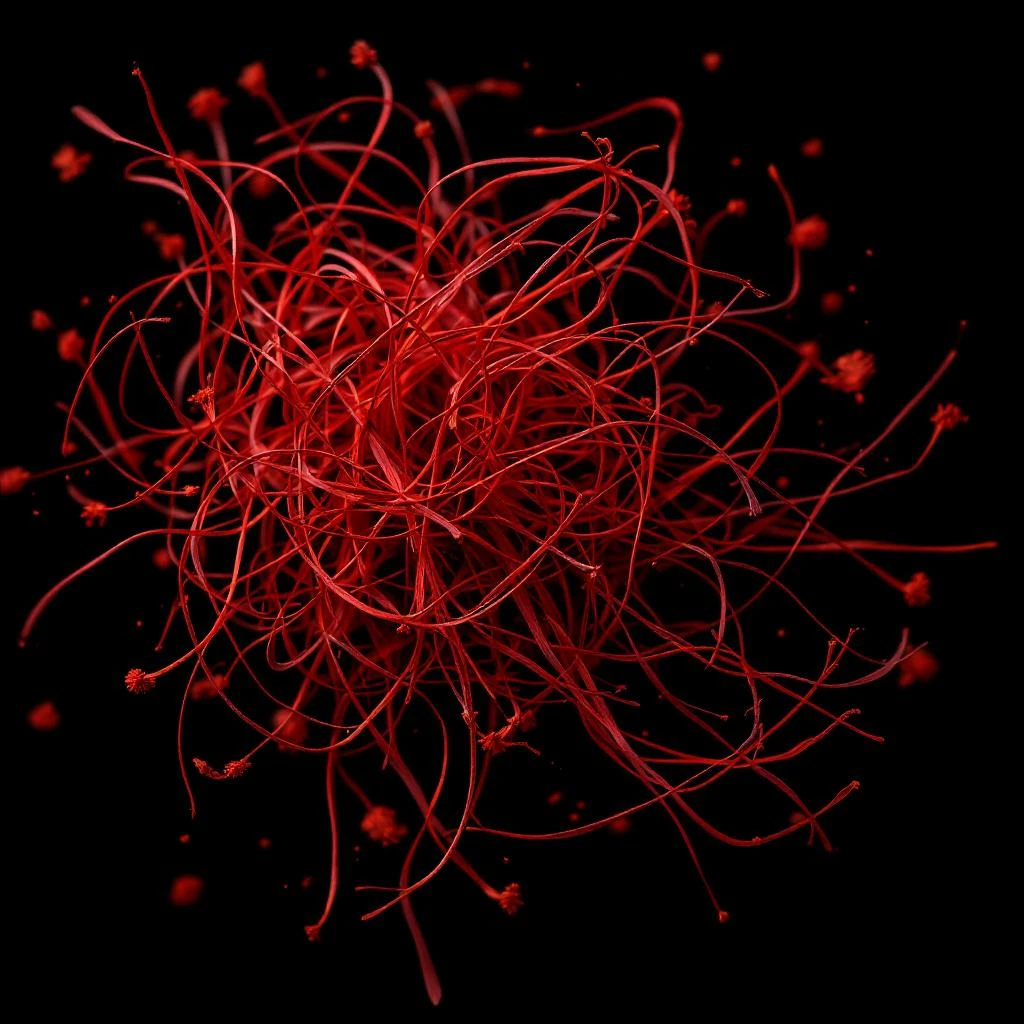
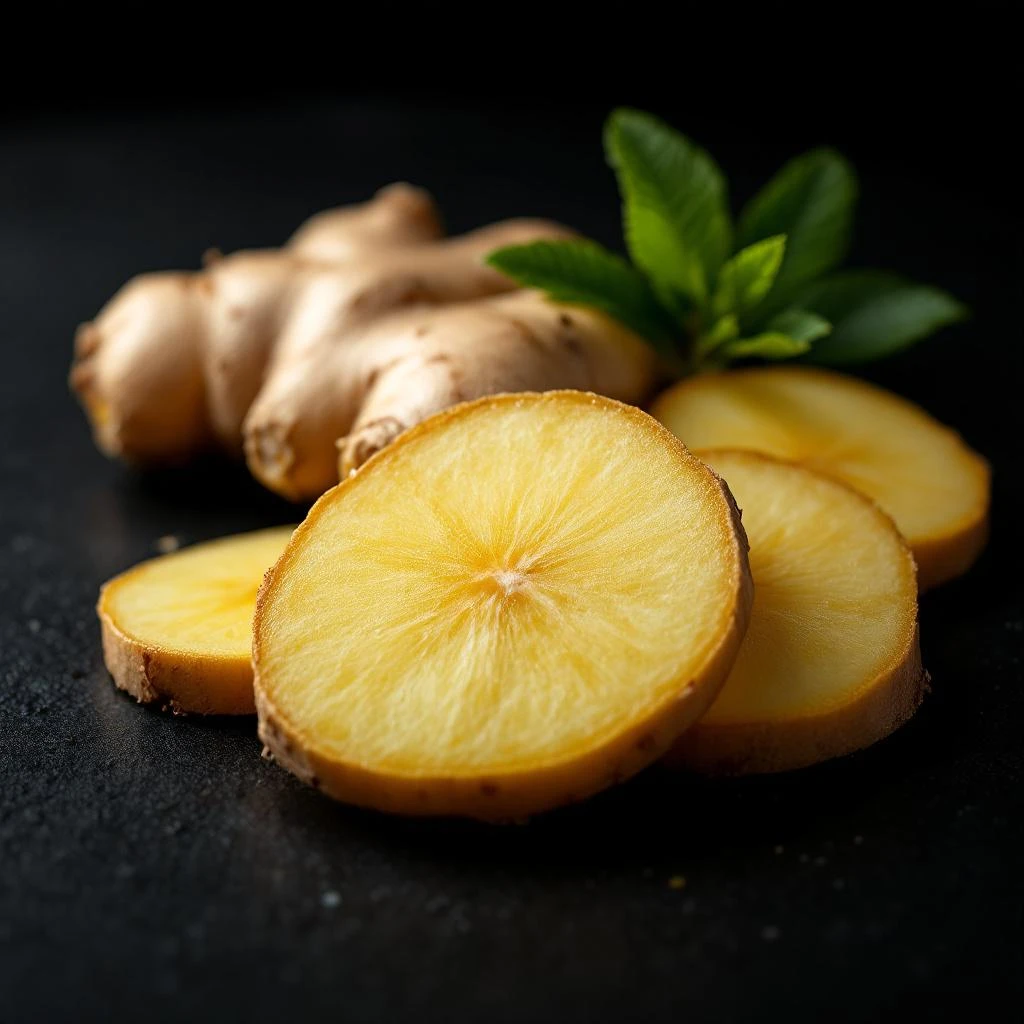
Spices in perfumery are volatile, aromatic botanicals that add warmth, depth, and complexity. From the sharp bite of black pepper to the honeyed heat of cardamom, spices create an olfactory signature that lingers and evolves.
Character
How it smells
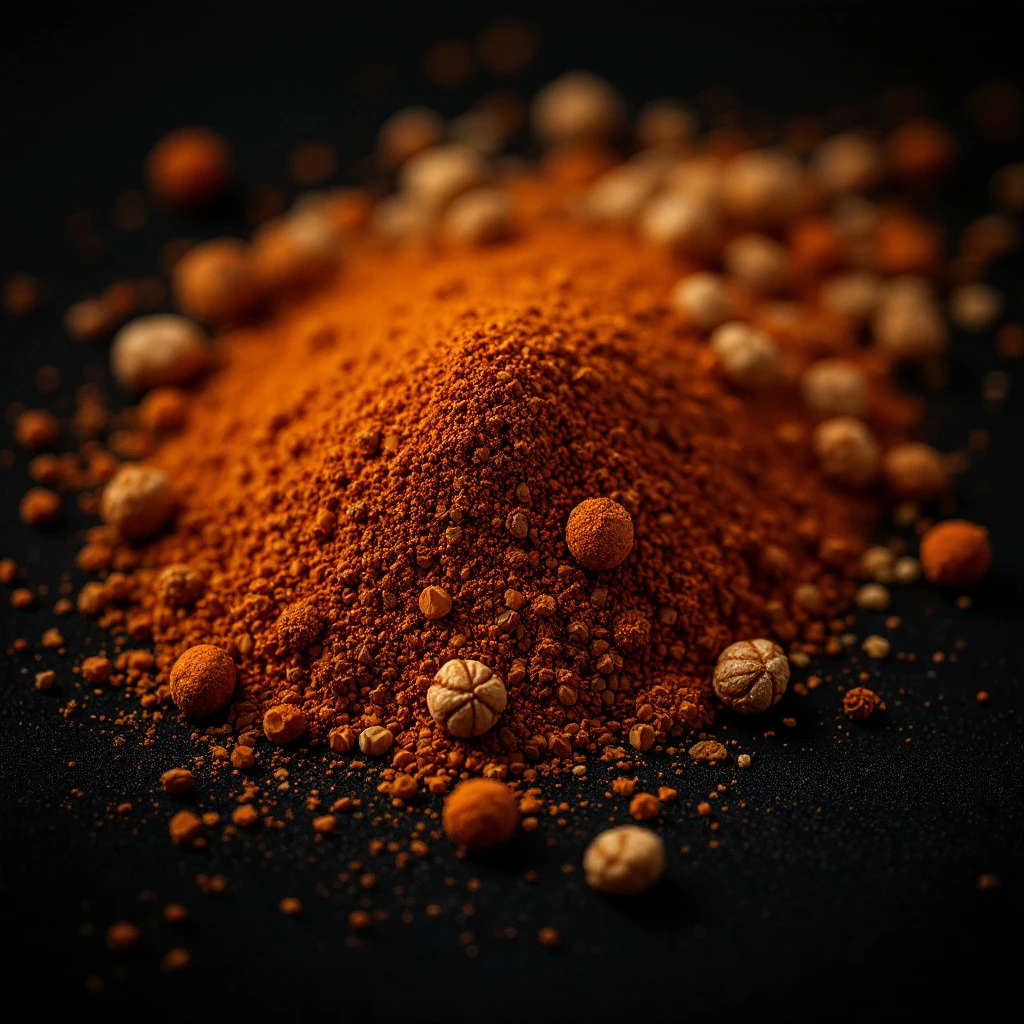
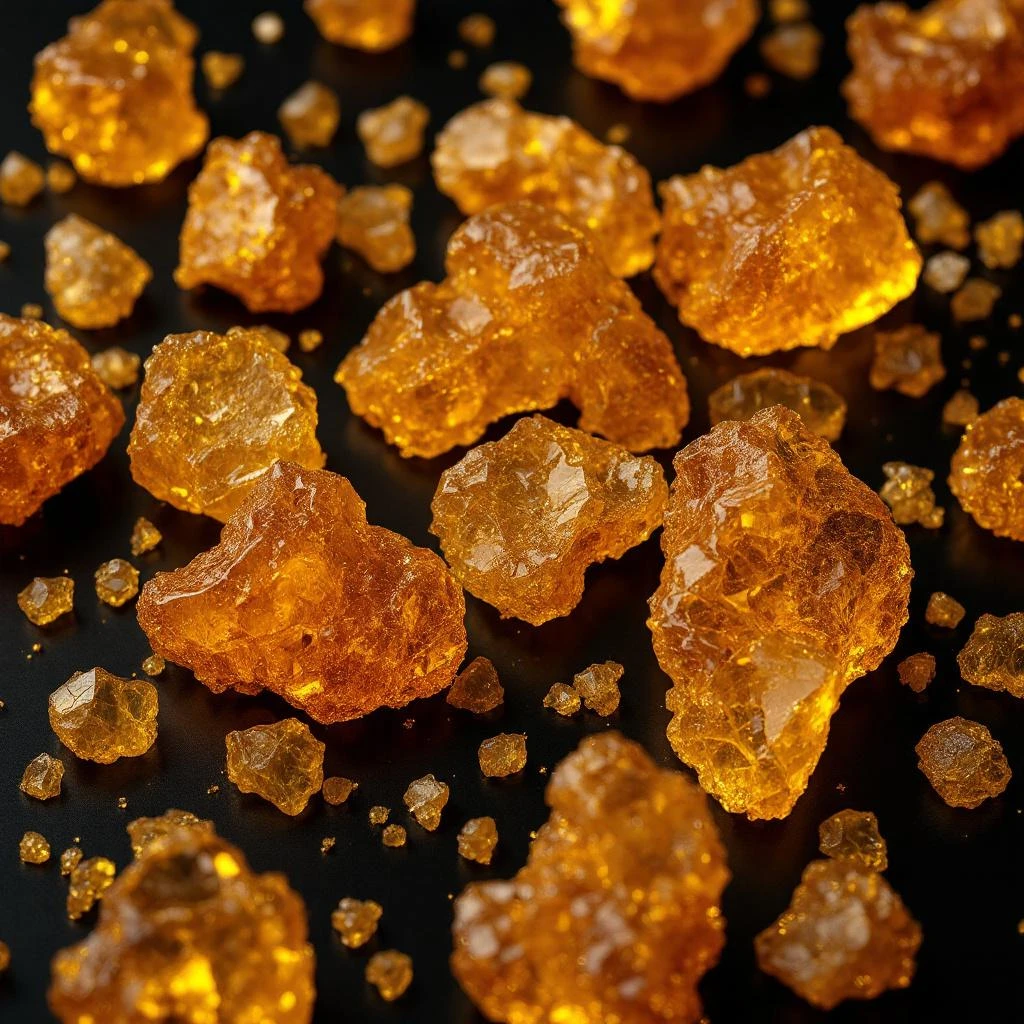
Heat, depth, and the memory of ancient trade routes.
The demand for spices helped fund the voyages of discovery that mapped our world.



Origin
India
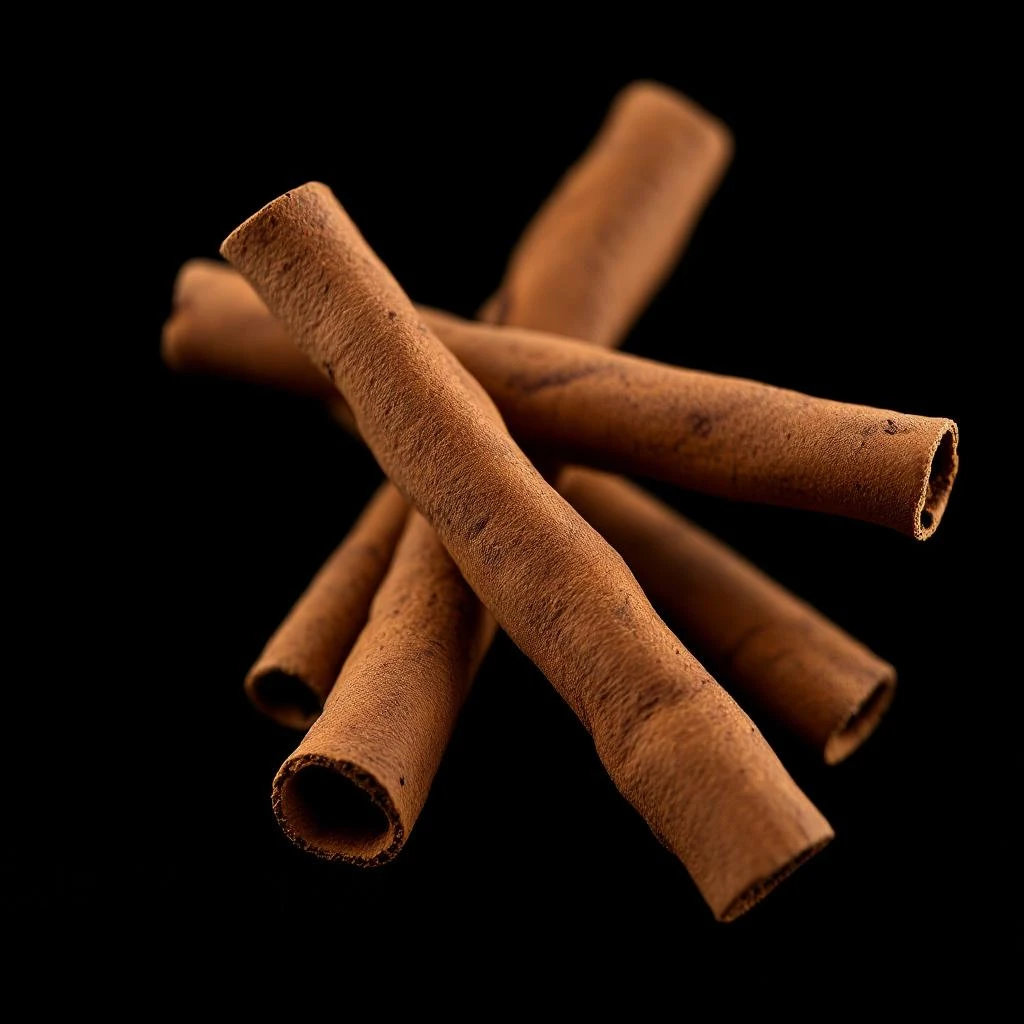
Spices drove the engine of global commerce for millennia. Ancient Egyptians used cinnamon and cassia in their burial rituals, valuing them as highly as precious metals.
Greek and Roman perfumers incorporated imported spices into their unguents and incense, often trading alongside the silk roads. The 12th century marked a turning point when Arab physicians developed and refined distillation techniques, allowing perfumers to isolate pure aromatic essences from spices for the first time.
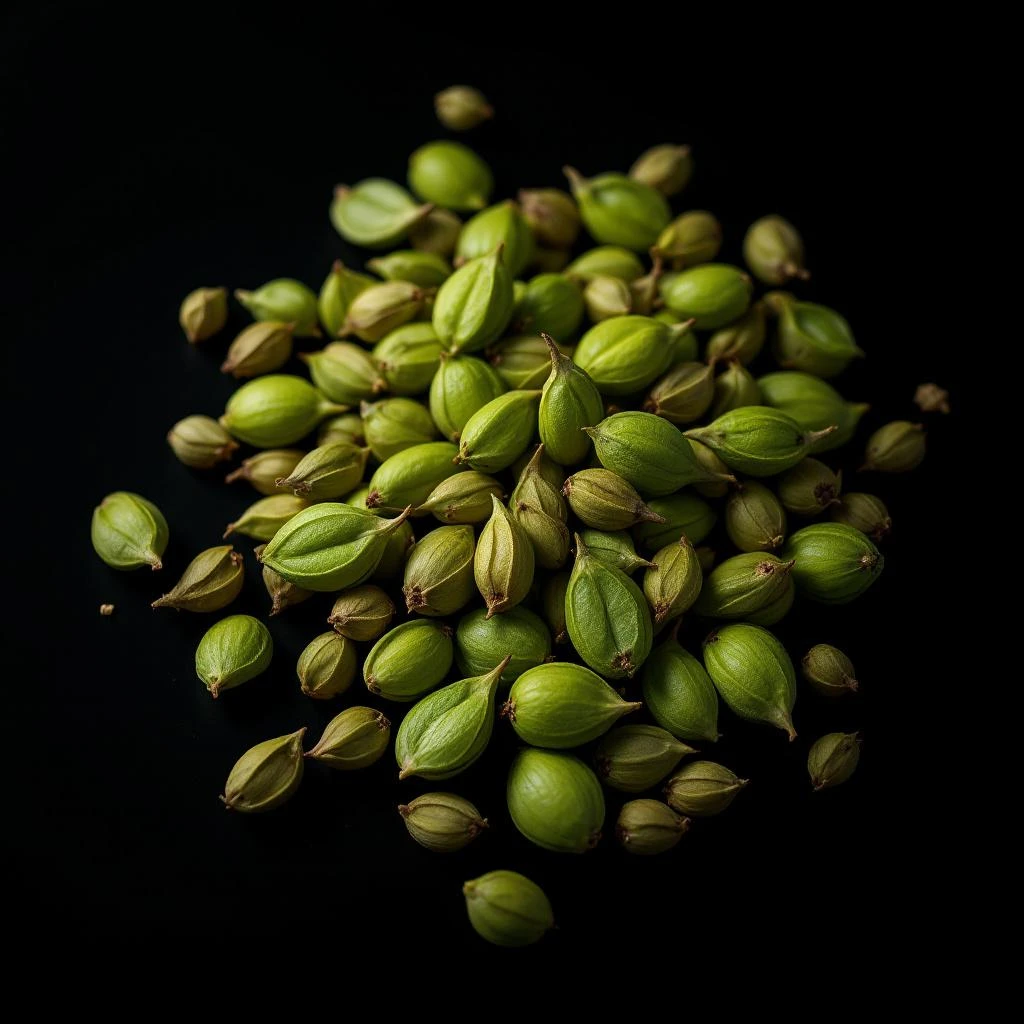
European demand for these materials funded expeditions, sparked territorial conflicts, and ultimately reshaped world geography. Today, traditional spice-growing regions—India for cardamom, Indonesia for nutmeg, Madagascar for cloves—remain essential to fine perfumery, carrying centuries of olfactory knowledge into modern fragrance creation.
Wears it best
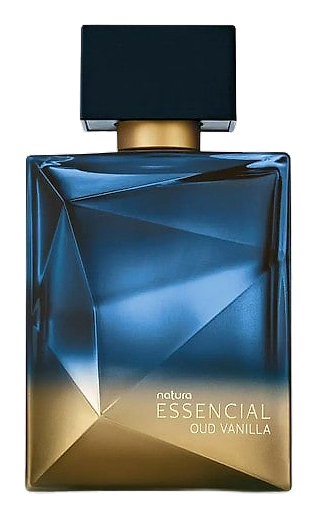
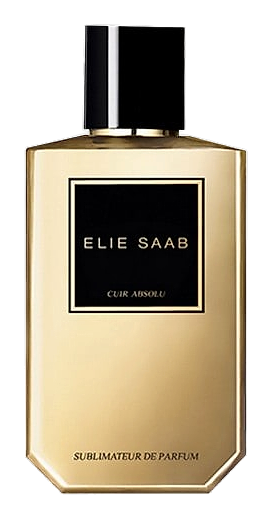
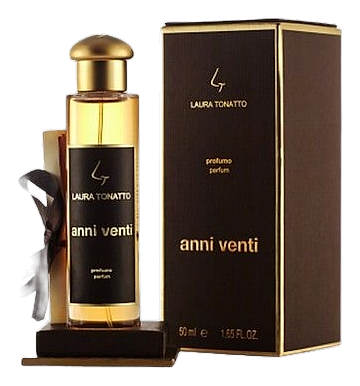
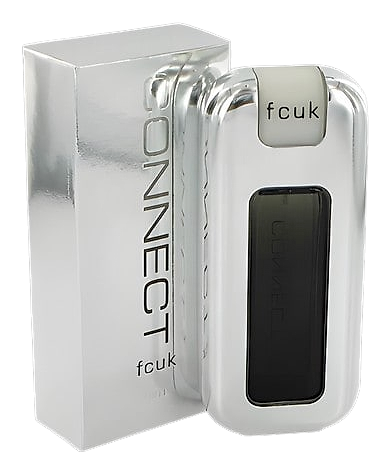
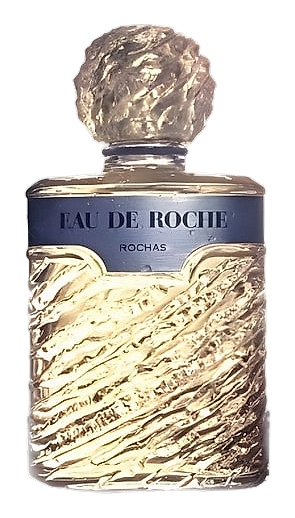
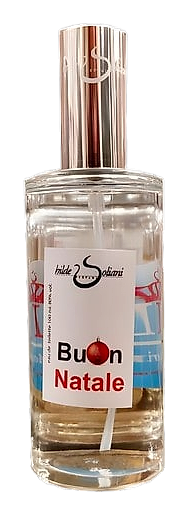
Fragrances featuring Spice
Brands
Brands known for Spice
Good to know
Questions, answered
The essentials on Spice in perfumery: how it smells, where it comes from, and how it behaves on skin.
What makes spices different from other fragrance ingredients?
Spices provide sharp, warming qualities that most botanical families cannot match. They contain high concentrations of volatile compounds like monoterpenes that create immediate, noticeable impact.
Which spices appear most frequently in fine fragrances?
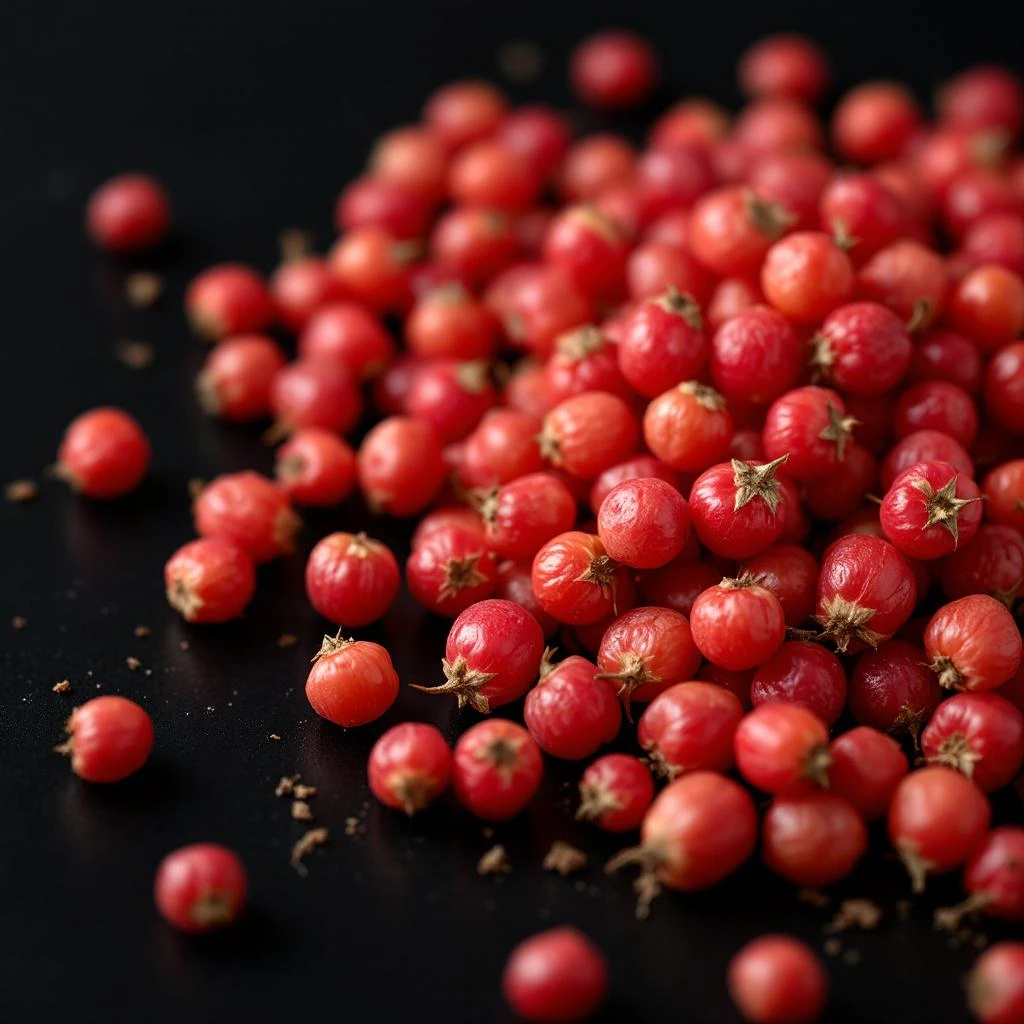
Cardamom, black pepper, and pink peppercorn lead in modern perfumery. Cinnamon and clove appear more in oriental-style fragrances, often as heart or base notes.
Can spices be synthesized in laboratories?
Yes. Key aroma molecules in spices—like eugenol in clove or cinnamaldehyde in cinnamon—can be synthesized. Natural extracts remain preferred in artisanal perfumery for their complexity.
How do spice notes develop during wear?
Spices often open boldly and tend to soften as top notes evaporate. Base spice molecules linger for hours, gradually blending with skin chemistry to create a unique dry-down.
Where do perfumers source their spices?
India supplies premium cardamom and cumin. Indonesia and Grenada share nutmeg production. Madagascar and Tanzania grow most of the world's cloves. Quality varies significantly by origin and handling.
Are spice extracts safe for skin application?
Most spice oils require dilution. Cinnamon and clove oils contain compounds that can cause irritation at high concentrations. IFRA guidelines regulate their use in consumer products.
What fragrance families use spice notes most prominently?
Oriental fragrances rely heavily on warm spices. Fougère andchypre compositions often feature spice in their heart. Even citrus and fresh fragrances may incorporate pink pepper for subtle lift.
How do spice notes interact with other ingredients?
Spices amplify oriental resins and amplify citrus brightness. They ground delicate florals and add intrigue to woody bases. Their versatility makes them structural tools in perfumery.