Black Truffle
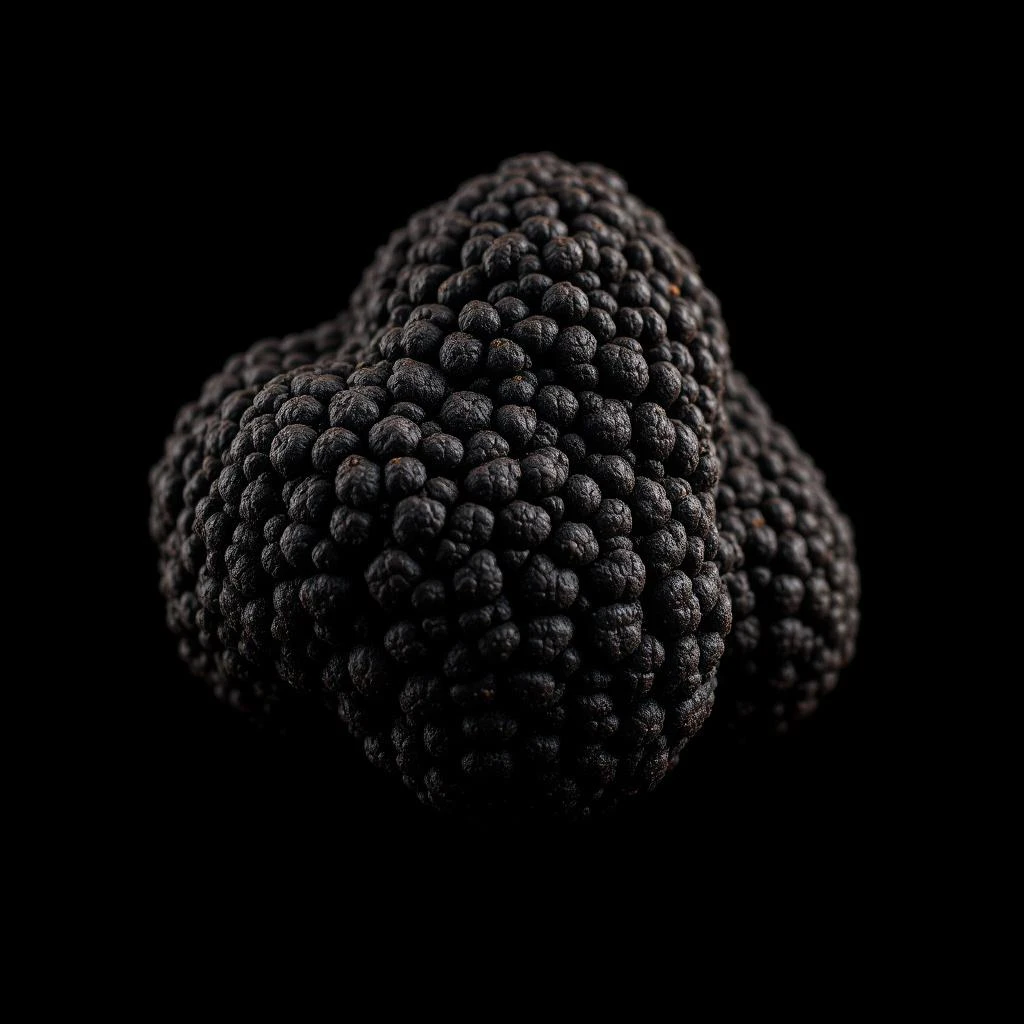
Black truffle (Tuber melanosporum) brings a dark, earthy, animalic depth to fragrance compositions. Its complex volatile compounds create rich umami, mushroom, and musky facets that few ingredients can replicate. Once a mystery to ancient civilizations, black truffle now anchors some of perfumery's most coveted signatures.
Character
How it smells
The underground luxury that anchors perfume's darkest depths.
The signature truffle scent comes from bis(methylthio)methane, the same compound that gives raw garlic its punch, reinterpreted here as something animalic and wholly addictive.








Origin
France
Ancient civilizations attributed truffle origins to lightning, underground fires, and divine intervention. The Greek poet Nicander theorized truffles were silt transformed by internal heat, while Plutarch imagined them cooked in mud by thunderbolts. Despite the mystery, the ancient Mediterranean prized truffles as a luxury food and tonic.
Desert truffle juice entered Arabian traditional medicine by the 10th century, used for eye ailments and believed to possess aphrodisiac qualities. By the 18th century, French naturalists correctly identified truffles as subterranean fungi partnering with tree roots, though wild harvest remained unpredictable.
Modern truffle cultivation in France dates to the 1800s, with systematic orchards called truffières. The Périgord region became synonymous with black truffle production. When premium perfumery began seeking unconventional base materials in the late 20th century, truffle's brooding complexity attracted serious attention as a note that could anchor oriental, chypre, and leather compositions with singular depth.
Wears it best
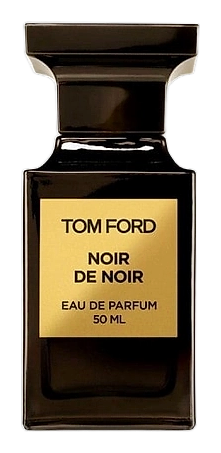
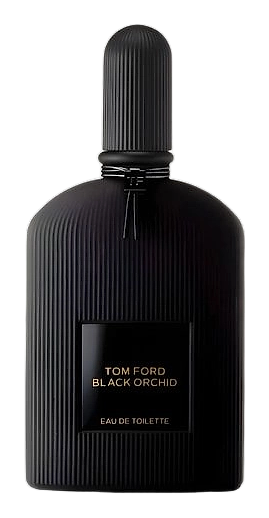
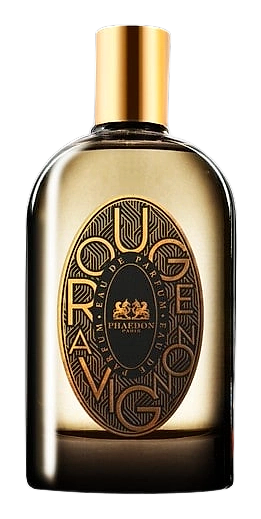
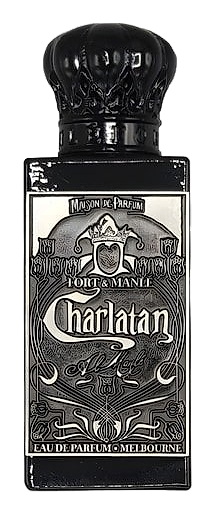
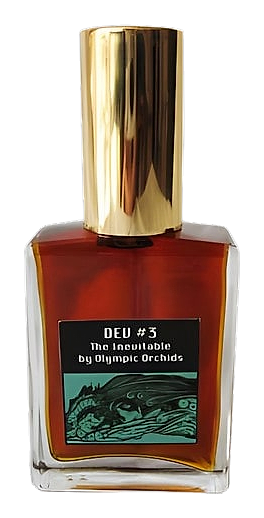
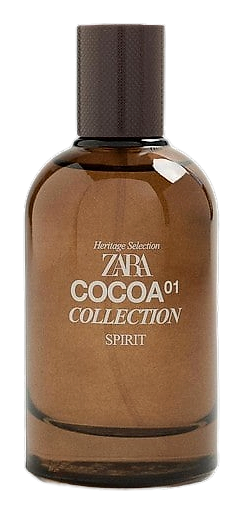
Fragrances featuring Black Truffle


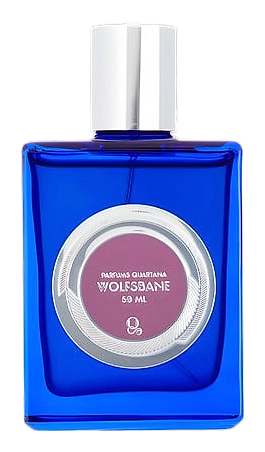
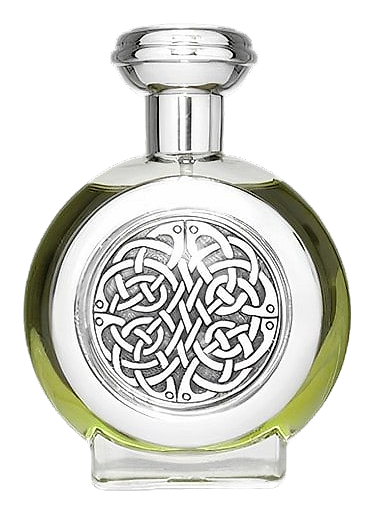
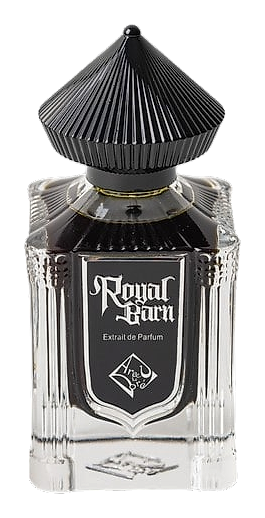
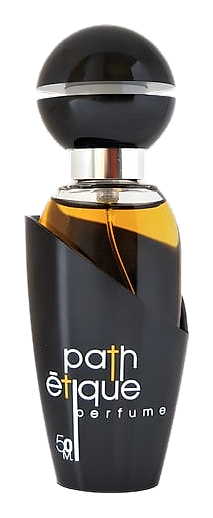
Brands
Brands known for Black Truffle
Good to know
Questions, answered
The essentials on Black Truffle in perfumery: how it smells, where it comes from, and how it behaves on skin.
What does black truffle smell like in perfume?
Black truffle delivers a dark, earthy, umami-rich scent with musky and slightly animalic facets. Think forest floor after rain, wild mushroom, and damp soil layered with a subtle garlicky sharpness. In dilution, it reads as rich and brooding rather than off-putting.
How is black truffle used in perfumery?
Perfumers use truffle absolutes or accords as a base note modifier, adding weight and subterranean depth to compositions. A little goes a long way. Even a 0.1-0.5% inclusion can shift an oriental or chypre from bright to profoundly grounding.
Is black truffle a natural or synthetic ingredient?
Both. True truffle absolute comes from solvent extraction of Tuber melanosporum, but its volatile compounds are fragile and costly. Most truffle accords on the market blend natural isolates with purpose-made synthetics to replicate the earthy-animalic effect reliably.
What fragrance families pair well with black truffle?
Oriental fragrances benefit most from truffle's dark warmth. Chypres, leathers, and certain woody compositions also pair well. Truffle holds particular appeal in unisex and niche perfumes where unconventional depth is welcome rather than masked.
Does black truffle appear in men's or women's fragrances?
It appears almost exclusively in niche and artisan perfumes rather than mainstream mass-market scents, and typically in gender-neutral or masculine-leaning compositions. Its animalic earthiness suits perfumes that reject conventional florality.
What are the key aroma compounds in black truffle?
Bis(methylthio)methane contributes the characteristic sulfurous-earthy note. Indole and skatole add animalic depth. Various alcohols and ketones round out the mushroom and forest-floor character. Together these create what analysts call a "sulfurous, earthy, mushroom" aroma profile.
Why is black truffle so rare as a perfume ingredient?
Cultivated black truffle takes 5-10 years to fruit, and wild harvests fluctuate with climate. The fungi spoil quickly, making fresh extraction challenging. These constraints keep truffle absolute expensive and limit its use to fine and niche perfumery.
Can I smell truffle in the opening of a perfume?
Rarely. Truffle most often surfaces in the dry-down as a grounding base presence, though skilled perfumers can position it as a prominent heart note. Some compositions reveal it only on the skin hours after application, lingering in the base alongside woods and musks.