Cyperus
From ancient Ayurvedic traditions to modern perfumery, cyperus root yields an oil with unmatched smoky, earthy depth. Discover the sedge that has perfumed sacred spaces for millennia.
Character
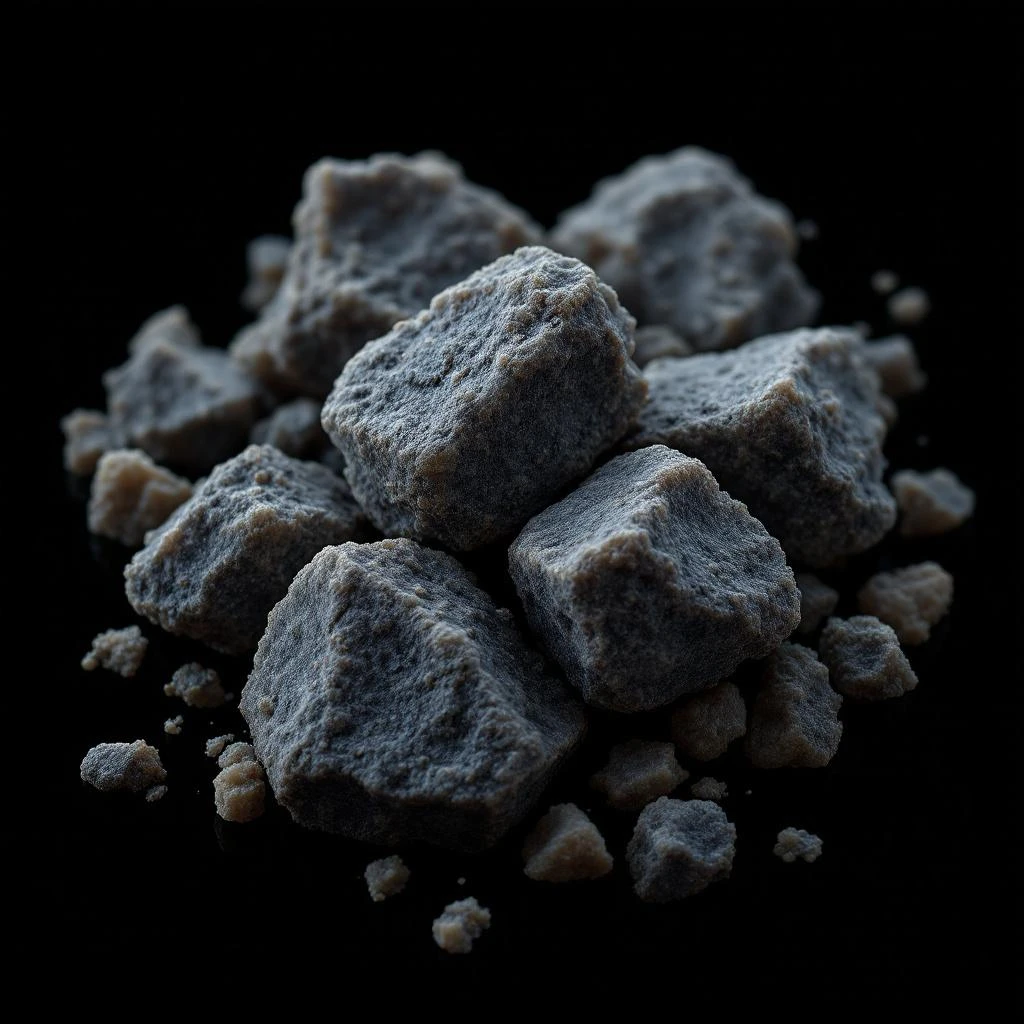
How it smells
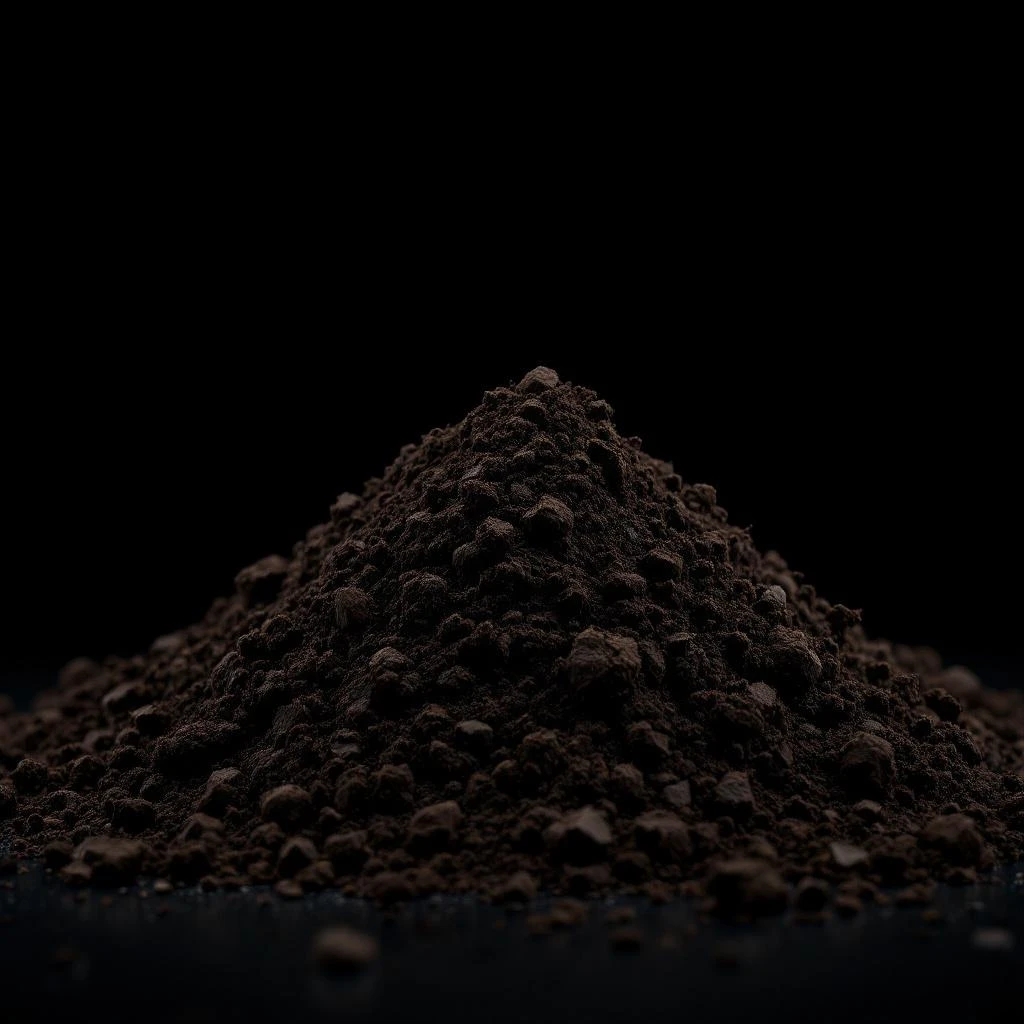
The ancient sedge with smoky, earthen soul.
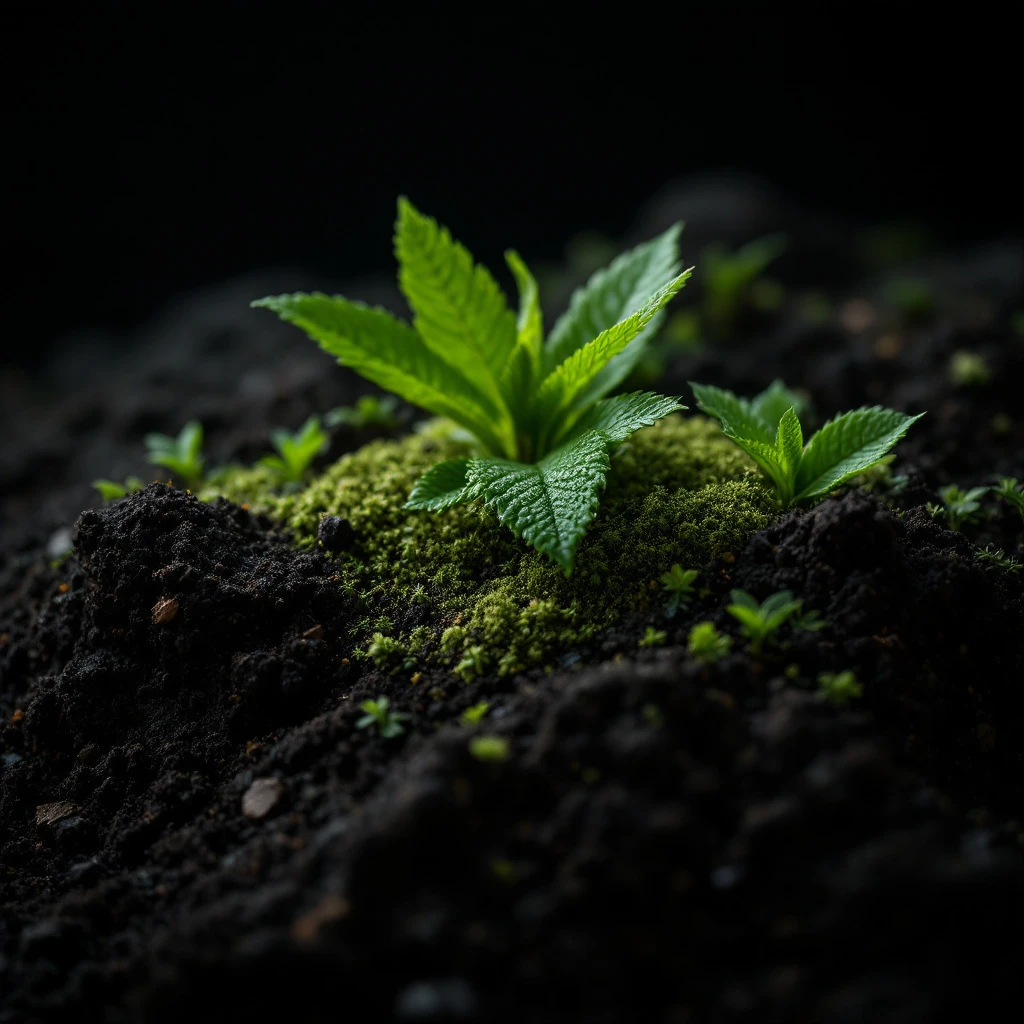
Cyperus scariosus grows wild in Indian wetlands and its dried rhizomes have been found in Egyptian tombs from 3,000 years ago.






Origin
India
Cyperus scariosus has anchored South Asian perfumery and medicine for over 3,000 years. Ayurvedic texts describe nagarmotha as a cooling agent that calms the mind and aids digestion. Ancient Egyptians imported the rhizome for temple incense and buried it with pharaohs.
Greek and Roman perfumers acquired it through trade routes with India. Persian physicians documented its use in treatments for skin conditions and fever. Medieval Arabic perfumers used cypriol in musk-based blends.
The Mughal era saw it featured in attars worn by royalty. British colonial traders valued it as a perfume ingredient that held its scent on Indian textiles. Today it remains a prized base note in oriental fragrances, rarely synthetic due to its complex aromatic profile that chemists have not fully replicated.
Wears it best
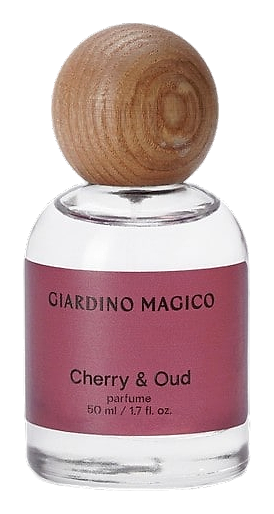
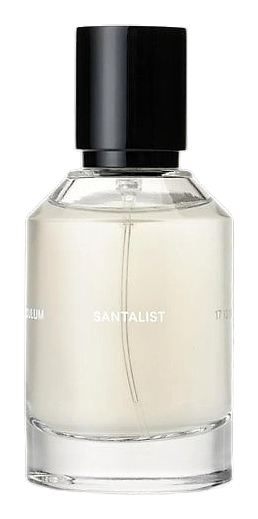
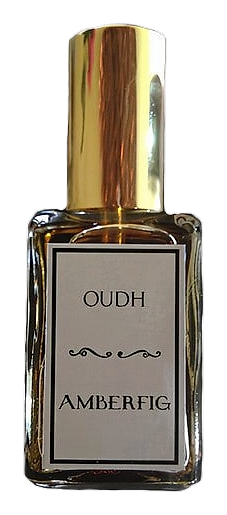
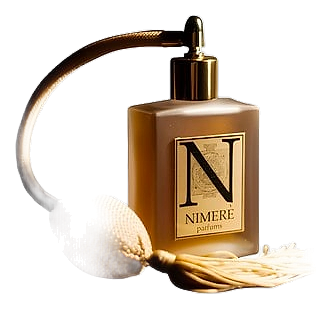
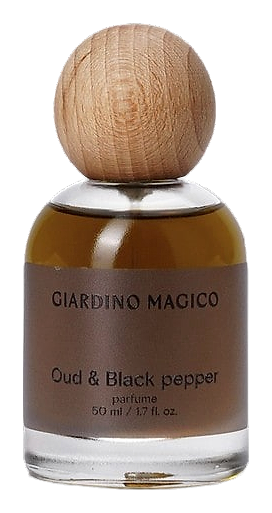
Fragrances featuring Cyperus

Brands
Brands known for Cyperus
Good to know
Questions, answered
The essentials on Cyperus in perfumery: how it smells, where it comes from, and how it behaves on skin.
What does cypriol oil smell like?
Cypriol oil smells intensely woody and earthy with a distinct smoky quality. It also carries subtle herbal and slightly sweet undertones that give it more complexity than typical wood notes.
How is cypriol different from patchouli or vetiver?
While all three are earthy base notes, cypriol has a more pronounced smoky character than patchouli and lacks vetiver's slight citrus and tealeaf facets. It provides a drier, more austere foundation.
What part of the cyperus plant is used in perfumery?
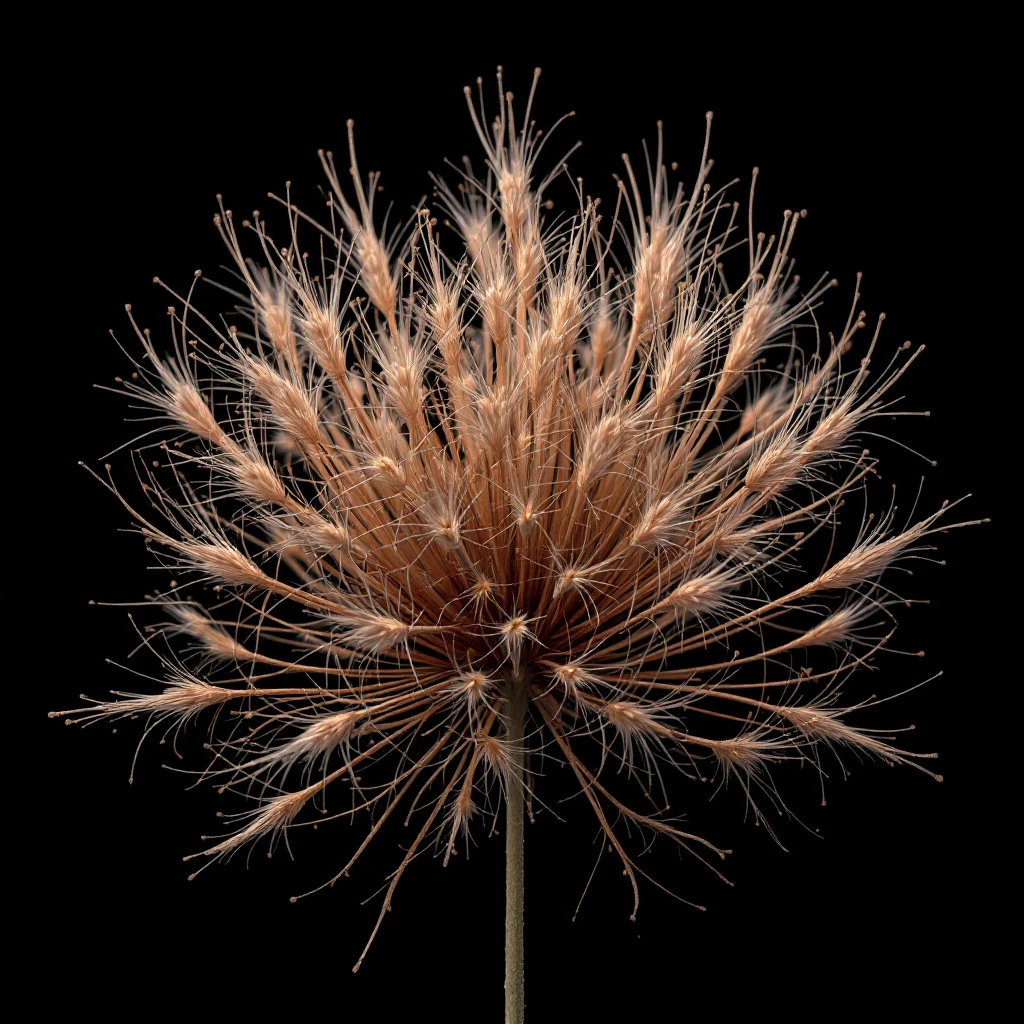
Perfumery uses only the rhizomes, which are underground stem structures. The plant itself is a sedge that grows in wetland areas, but the fragrant compounds concentrate in the root system.
Why is cypriol considered a rare ingredient?
Cypriol yields only 0.5 to 2 percent essential oil during steam distillation. The slow growth cycle and limited geographic distribution make consistent supply challenging for fragrance houses.
Can cypriol be sourced sustainably?
Wild-harvested cypriol from India remains the primary source. Sustainable practices include seasonal harvesting and leaving sufficient rootstock for regrowth, though demand increasingly pressures natural populations.
What fragrance families use cypriol most often?
Cypriol appears predominantly in oriental and chypre compositions. It works as a base note that adds smoky depth to woody, ambery, and leather fragrances.
Has cypriol been used historically for purposes beyond fragrance?
Ayurvedic medicine employed cypriol for 3,000 years to address digestive issues, fever, and skin conditions. Ancient Egyptians used it in temple rituals and burial practices.
Is synthetic cypriol available as an alternative?
No fully synthetic equivalent exists. Chemists have isolated individual aromatic compounds from cypriol, but recreating its full smoky-woody complexity requires natural extraction.