The Story
Why it exists.
The beginning
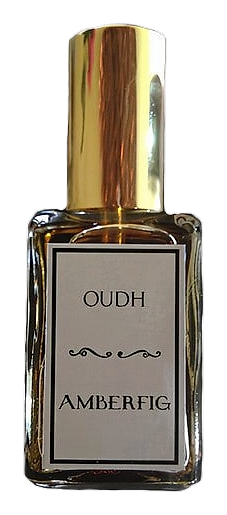
David Magalhães designed Oudh in 2015 as a study in singular focus. Amberfig's house model relies on external perfumers who bring their own vision rather than a house signature, and Magalhães chose to go all in on oud. Not as a supporting note or a passing reference, the material anchors every phase of the composition. The name says it plainly: this is a fragrance about oud, what it does, and how it evolves on skin.
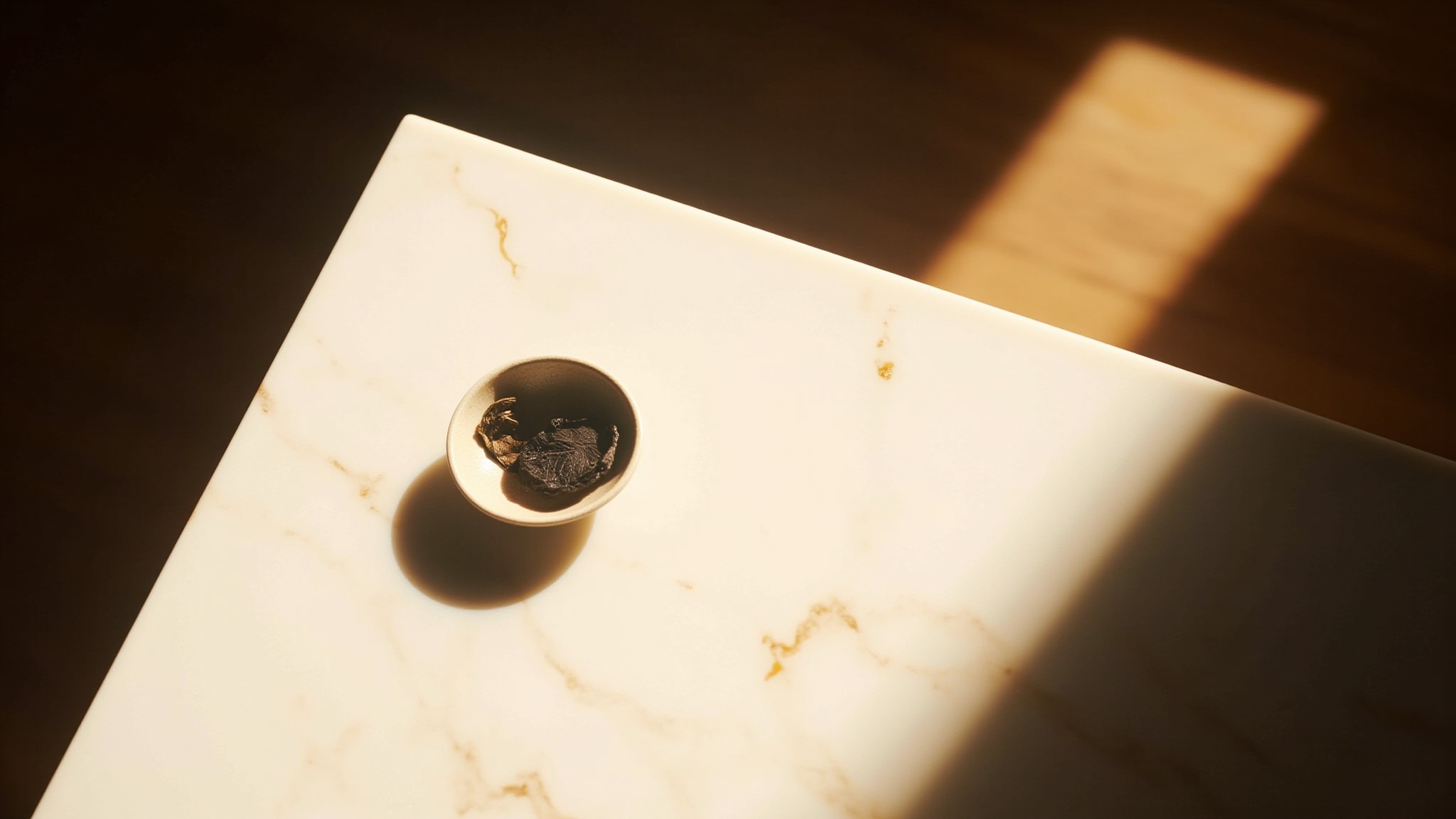
The choice to build around oud is architecturally interesting. Oud carries an inherent intensity, medicinal, camphorated, sometimes harsh in its raw form, that many perfumers soften or bury. Magalhães doesn't. The heart of the composition pairs agarwood with frankincense and opoponax, creating a balsamic warmth that tempers the oud's sharpness without diluting it. It's a composition that trusts the material to do the work.
The evolution
The opening arrives assertive. Indian oud and white oud announce themselves with the material's characteristic medicinal edge, camphor, heat, something almost tar-like. This phase lasts longer than gentle openings, holding for thirty to forty-five minutes before the character shifts. The heart introduces amber and sandalwood, and the warmth changes everything. What reads as austere becomes softer, honeyed, the incense quality now smoky rather than sharp. The frankincense threads through, lending a church-resin dimension that elevates the heart into something contemplative. By the drydown, the structure has simplified: oud and sandalwood, resin clinging close to skin, intimate rather than announced. The longevity sits in the moderate-to-strong range, with the base notes, cyperus, Fujian cypress, spikenard, providing a woody finish that outlasts the opening's initial intensity. The next morning, a faint trace remains: warm, resinous, and close.
Cultural impact
Oud functions as both a status marker and a cultural bridge in contemporary perfumery. Its journey from sacred temple incense to Western niche luxury represents more than a market trend; it embodies how aromatic traditions travel across cultures. Amberfig's Oudh, launched in 2015, arrived at a pivotal cultural moment when Western consumers began seeking authentic olfactory experiences rooted in non-Western heritage. Oud's unique quality comes from agarwood, a material formed through a rare infection process where trees produce a dense, aromatic resin. This scarcity made oud historically valuable across South and Southeast Asia, appearing in religious rituals, traditional medicine, and royal courts for centuries.