
The Story
Why it exists.
The beginning
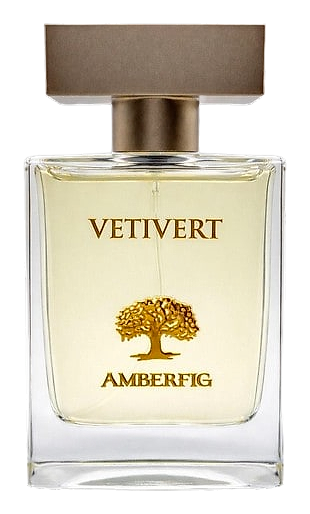
David Magalhães built Vetivert with a clear intention: let vetiver be the protagonist, not the supporting act. The name says it all. Where many fragrances treat vetiver as an undertone, earthy, dusty, background, Vetivert puts it center stage from the first minutes of the heart phase. The opening honors tradition: Sicilian bergamot and basil create the aromatic brightness that introduces the composition, signaling that this is a green fragrance first. But the perfumer knew what he was doing. The vetiver arrives fast, takes over, and never lets go.
What makes Vetivert distinctive is how the Haitian vetiver is allowed to be itself, not softened into submission, not blended into abstraction. The mate note adds an unexpected layer: bitter, herbal, almost tea-like, it gives the heart a dimension that prevents the vetiver from going purely earthy. Cashmeran does the quiet work of making everything wearable, adding a soft warmth that rounds the sharp edges without dulling them. The ambroxan in the base extends the fragrance into a skin-close drydown that lingers quietly, a mineral trail that doesn't announce itself but stays.
The evolution
The opening hits with bergamot's citrus brightness and basil's green cut, immediate, aromatic, a little unexpected. Within minutes the Haitian vetiver arrives and claims the composition. The mate note brings a bitter herbal quality, like smoked tea, adding depth that lifts the vetiver above simple earthiness. The heart holds for a couple of hours before ambroxan and amber settle in, creating a warm, slightly mineral base that stays close to the skin. Resin adds a quiet resinous quality that extends the drydown. The next morning: a soft, earthy trace on fabric that fades slowly.
Cultural impact
Vetivert arrives at a moment when earthy, vetiver-centric fragrances are experiencing renewed appreciation among fragrance enthusiasts. The Brazilian house Amberfig's 2021 release reflects a broader cultural shift toward authentic, nature-inspired scents that prioritize depth over fleeting trends. This fragrance carves out space in a market where synthetic and overly sweet compositions dominate, speaking to consumers seeking genuine olfactory experiences rooted in aromatic herbs and earthy vetiver. Its emphasis on letting vetiver lead rather than support marks a deliberate stance in contemporary perfumery.
The House
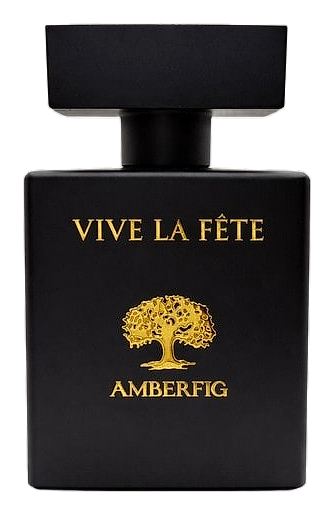
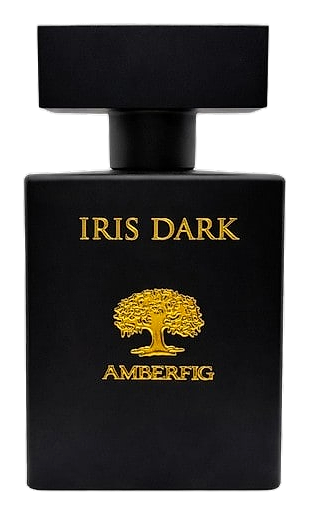
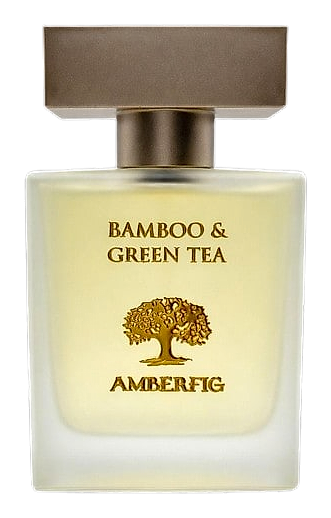
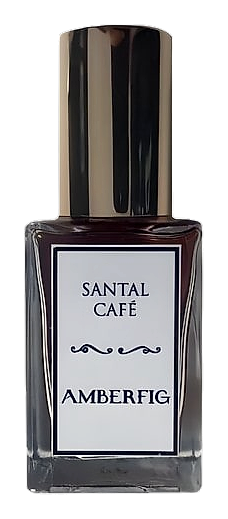
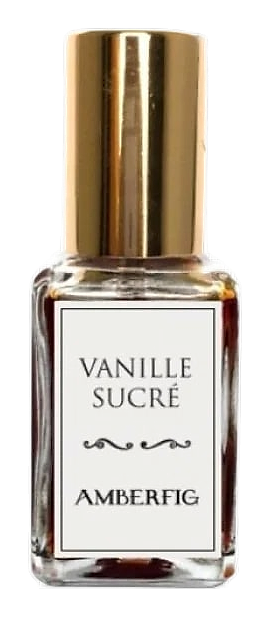
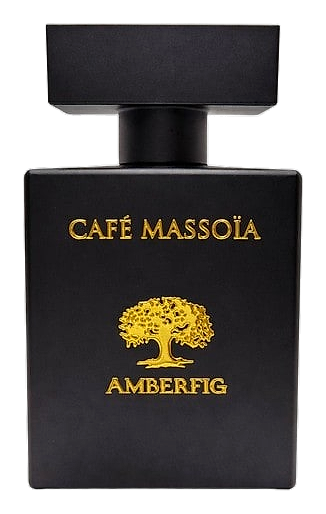
AmberfigAmberfig occupies a distinctive space in contemporary perfumery, presenting itself as a niche fragrance house with a collaborative approach to creation. The brand emerged in 2014, making it a relatively young player in a field that includes houses with centuries of history, yet it has built a catalog spanning over a decade with releases that range from 2015 through 2026. The name Amberfig itself suggests a signature aesthetic rooted in warm, resinous materials alongside green or fruity facets, though the house has demonstrated range across multiple fragrance families. According to fragrance databases, Amberfig has produced at least ten distinct releases, with perfumers credited as collaborators rather than house perfumers, suggesting a model that brings in external expertise for individual projects. The brand appears to operate without the extensive media presence of established heritage houses, instead building recognition through its olfactory offerings and community discussion. This positioning reflects a broader trend in niche perfumery where smaller, more experimental houses can reach global audiences without traditional retail infrastructure.
The Creator
David MagalhãesHis signature style leans toward rich, resinous constructions with prominent amber and fig influences, evident in creations like Amberfig. Magalhães demonstrates particular skill with warm oriental frameworks, layering creamy woods, sweet resins, and subtle spice to create fra…