The Story
Why it exists.
The beginning
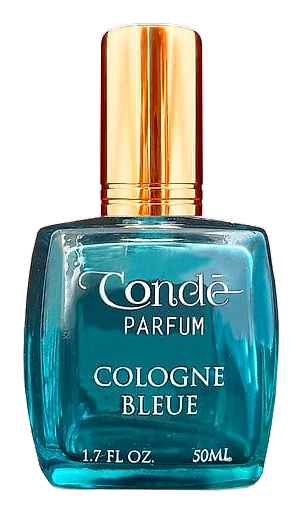
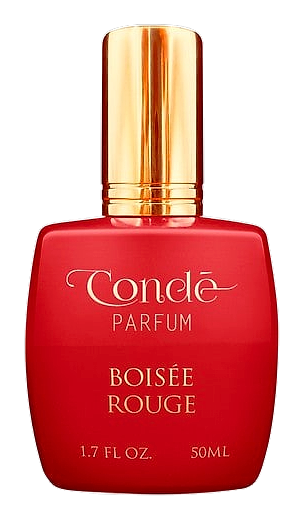
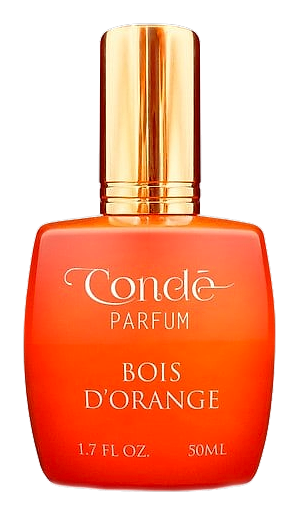
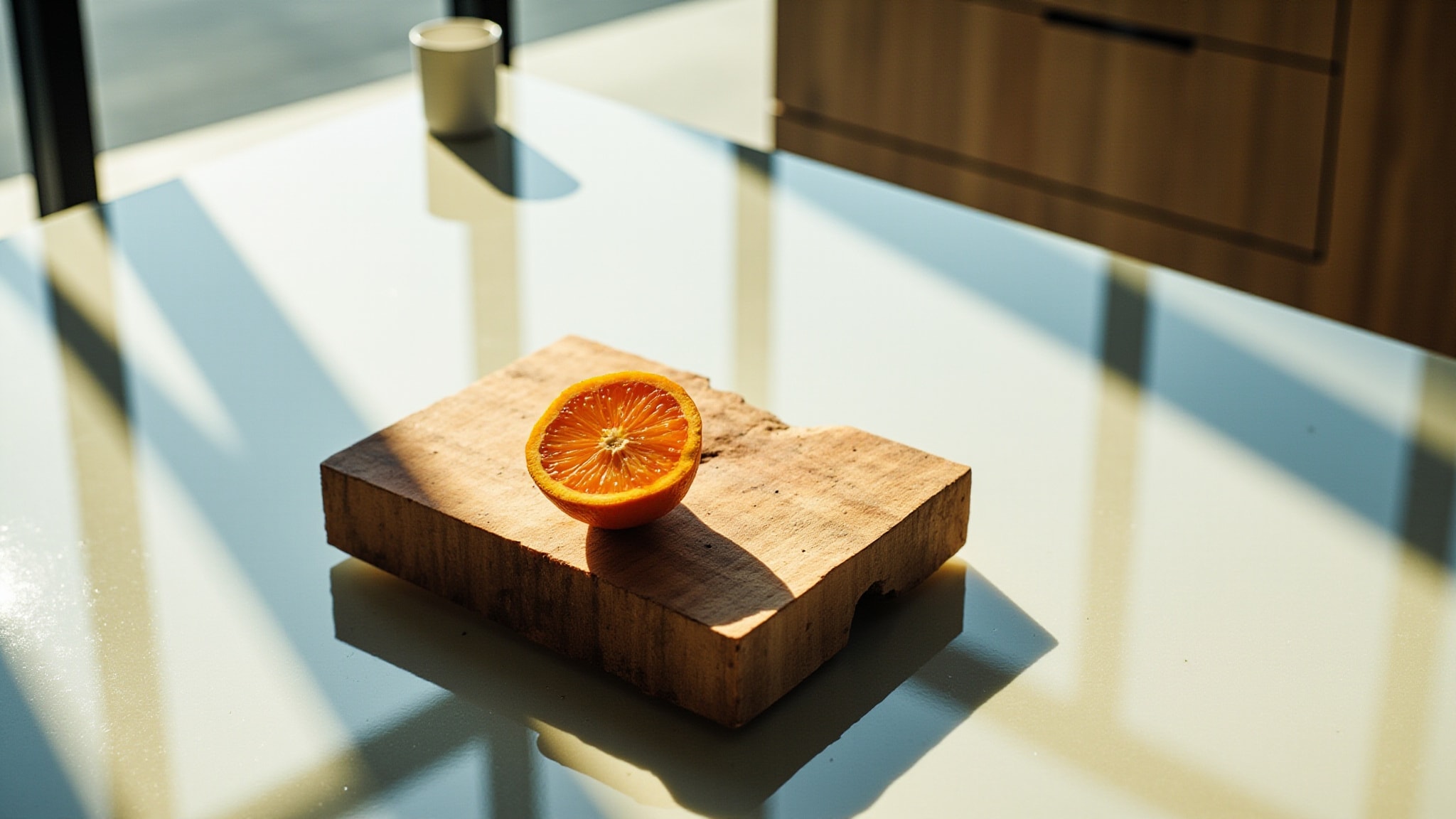
Fábio Condé wanted to bottle autumn. Not the turning of leaves, the moment before. That pause when citrus fruits are still bright but the woods have started to remember what cool means. Bois d'Orange translates this as a composition: bright orange notes at the top, woody materials holding the base. The name says exactly what it is. Orange and wood, reconciled in one fragrance by a Brazilian perfumer building a small but serious catalog. The idea came from the experience and taste of the perfumer himself. Bringing the color orange with woods at the beginning of autumn. Freshness meeting facets of nature. The familiar images of that season return here, translated into scent rather than sight.
The structure here is unusually honest. Bois d'Orange keeps the woods present from the heart onward while letting citrus lead without apology. The elemi resin is the quiet connector, a material that reads as both citrus-adjacent and resinous, smoothing the handoff between the bright opening and the woody close. Rhubarb and tarragon in the heart are the real choice. Neither is safe. Rhubarb's tartness can skew medicinal if the rest of the composition doesn't support it. Here, petitgrain and pink pepper create enough aromatic warmth that the rhubarb stays in line, tart without being jarring.
The evolution
The opening is a four-part citrus chord: bergamot, bitter orange, tangerine, lime. Not layered so much as simultaneous, you smell all four together, a brightness that doesn't feel like a checklist. The lime keeps it from going sweet. The bitter orange keeps it from going sharp. It smells like late October sunlight: warm and clear and slightly angled. The citrus doesn't disappear, it retreats, becoming a background note while the heart arrives. Rhubarb and tarragon arrive together: the rhubarb bringing a tart-green quality that catches you off-guard if you weren't expecting it, the tarragon adding an herbal, slightly anise-like edge that keeps the heart from reading as merely sweet. Petitgrain and elemi fill in the middle, waxy, slightly floral, the elemi providing a subtle resinous warmth that previews what's coming.
Cultural impact
The citrus-woods contrast is a familiar structure in perfumery, but Condé's execution, rhubarb and tarragon in the heart, vetiver in the base, keeps it from reading as generic. Wearers describe it as the scent of someone who walks into a room without announcing themselves. The rhubarb and tarragon combination gives the fragrance an unexpected edge, a tartness that challenges the expected sweetness of citrus without abandoning it entirely. Vetiver in the base grounds what could have been an airy composition, giving it weight and presence. The result feels confident rather than showy, present without demanding attention.