
The Story
Why it exists.
The beginning
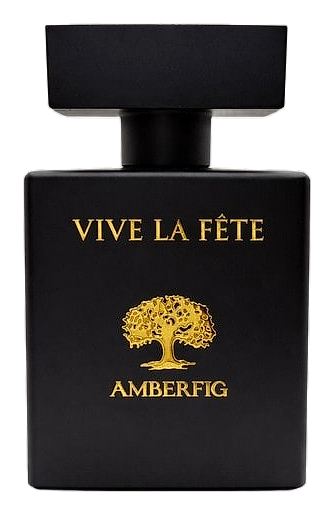
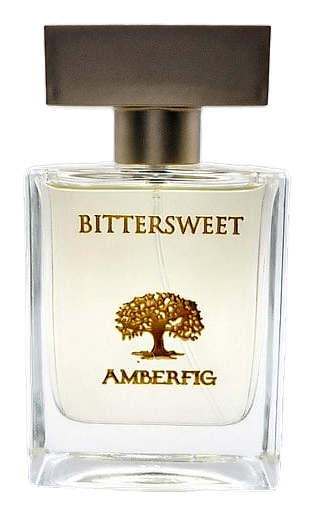
Bittersweet arrived as part of Amberfig's curated collection, a grouping built around depth, complexity, and desire. Amberfig has built its reputation for fragrances that read like questions rather than answers, and Bittersweet was designed to sit at the edge of comfortable, to be sweet without apologizing for it. The name came first, as it often does with Amberfig, where perfumer David Magalhães builds from concept, from feeling, from the mood she wants a wearer to carry before they even smell it. There's a confidence in the construction that suggests a creator who knows exactly what she wants the wearer to experience, a kind of intentionality that separates thoughtful fragrance design from mere accident.
The combination of white chocolate and caraway might sound like an unexpected pairing, but litsea cubeba is the quietly subversive move here. It's a citrusy, almost peppery note that brings brightness and lift, a freshness that cuts through the gourmand sweetness without diminishing it. Against the warm white chocolate and the aromatic caraway, it adds a dimension that keeps Bittersweet from becoming cloying. It's the note that makes the composition interesting rather than just pleasant, a subtle counterpoint that invites the wearer to lean in closer.
The evolution
Bittersweet opens with a bright, citrusy sparkle that feels immediately alive. The sicilian lemon and bergamot arrive with purpose, accompanied by the green sharpness of cypress and a whisper of nutmeg warmth. This opening isn't aggressively sweet; instead, there's a crispness that invites the senses to wake up. Within the first hour, the heart emerges, threading white chocolate through the structure with a creamy, indulgent presence. The caraway adds an unexpected aromatic quality, something slightly medicinal and herbal that keeps the sweetness from becoming overwhelming. The transition isn't dramatic; it's more like the brightness settling into itself, becoming less conspicuous and more intimate. The litsea cubeba fades gracefully, leaving the gourmand notes to take center stage.
Cultural impact
Bittersweet sits in a specific corner of niche perfumery: the gourmand-floral hybrid that doesn't apologize for being sweet. Amberfig built a following on distinctive naming and concept-first approach, creating fragrances that attract people who want something with depth and personality. Bittersweet attracted people who wanted a dessert fragrance but didn't want to smell like they bathed in frosting, those who appreciated sweetness that came with complexity and nuance rather than simple sugar rushes.
The House
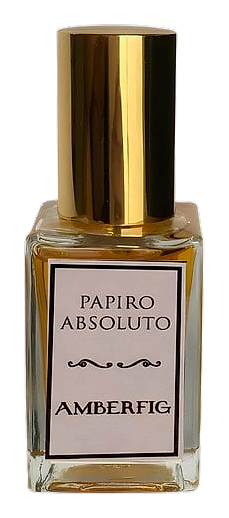
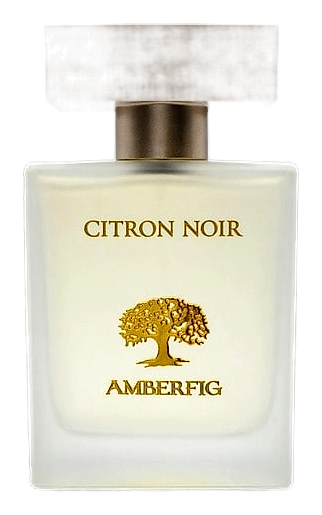
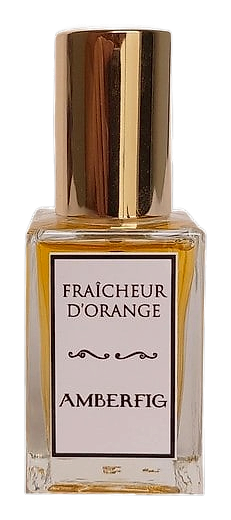
AmberfigAmberfig occupies a distinctive space in contemporary perfumery, presenting itself as a niche fragrance house with a collaborative approach to creation. The brand emerged in 2014, making it a relatively young player in a field that includes houses with centuries of history, yet it has built a catalog spanning over a decade with releases that range from 2015 through 2026. The name Amberfig itself suggests a signature aesthetic rooted in warm, resinous materials alongside green or fruity facets, though the house has demonstrated range across multiple fragrance families. According to fragrance databases, Amberfig has produced at least ten distinct releases, with perfumers credited as collaborators rather than house perfumers, suggesting a model that brings in external expertise for individual projects. The brand appears to operate without the extensive media presence of established heritage houses, instead building recognition through its olfactory offerings and community discussion. This positioning reflects a broader trend in niche perfumery where smaller, more experimental houses can reach global audiences without traditional retail infrastructure.
The Creator
Margot ElenaThe Elena aesthetic leans romantic and slightly offbeat. Her brands favor warm florals, creamy vanillas, and unexpected gourmand notes over the clean modern styles that dominated the 2000s.