Lemon Myrtle
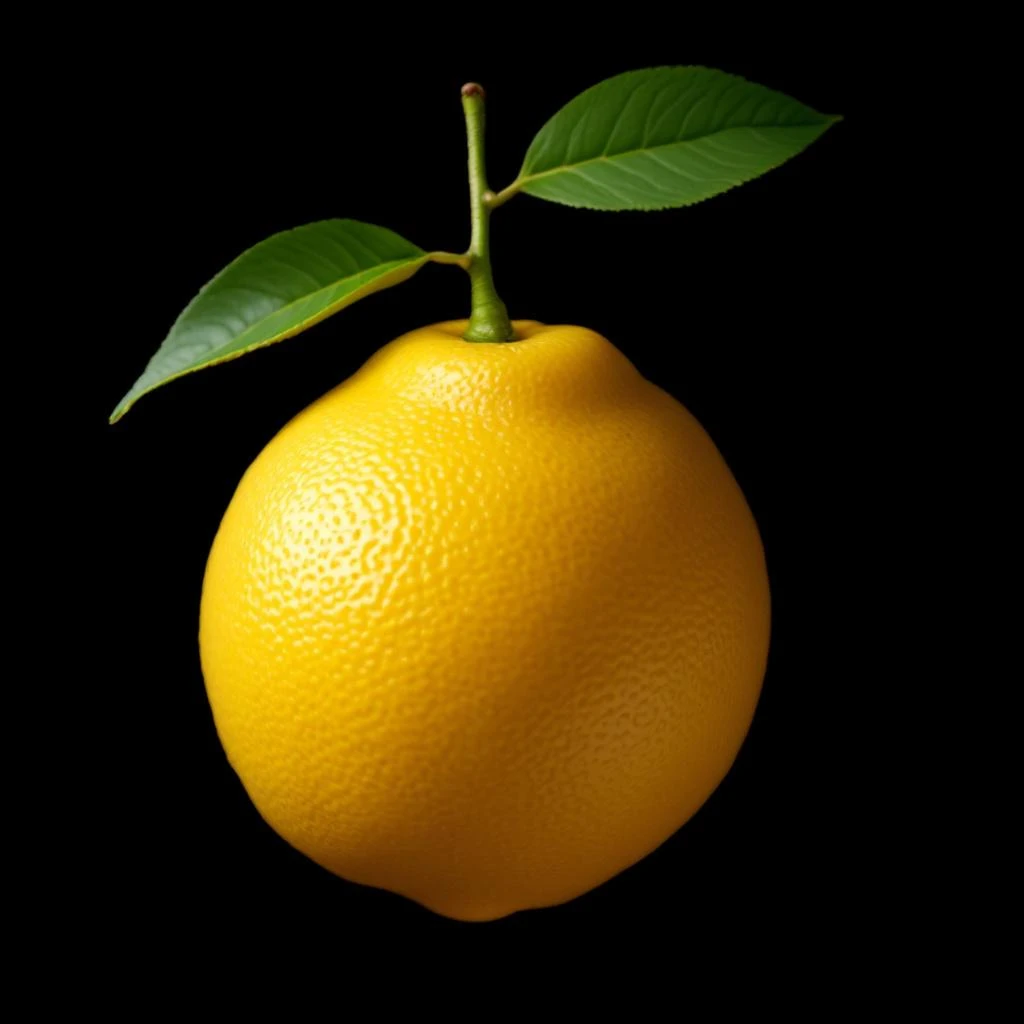
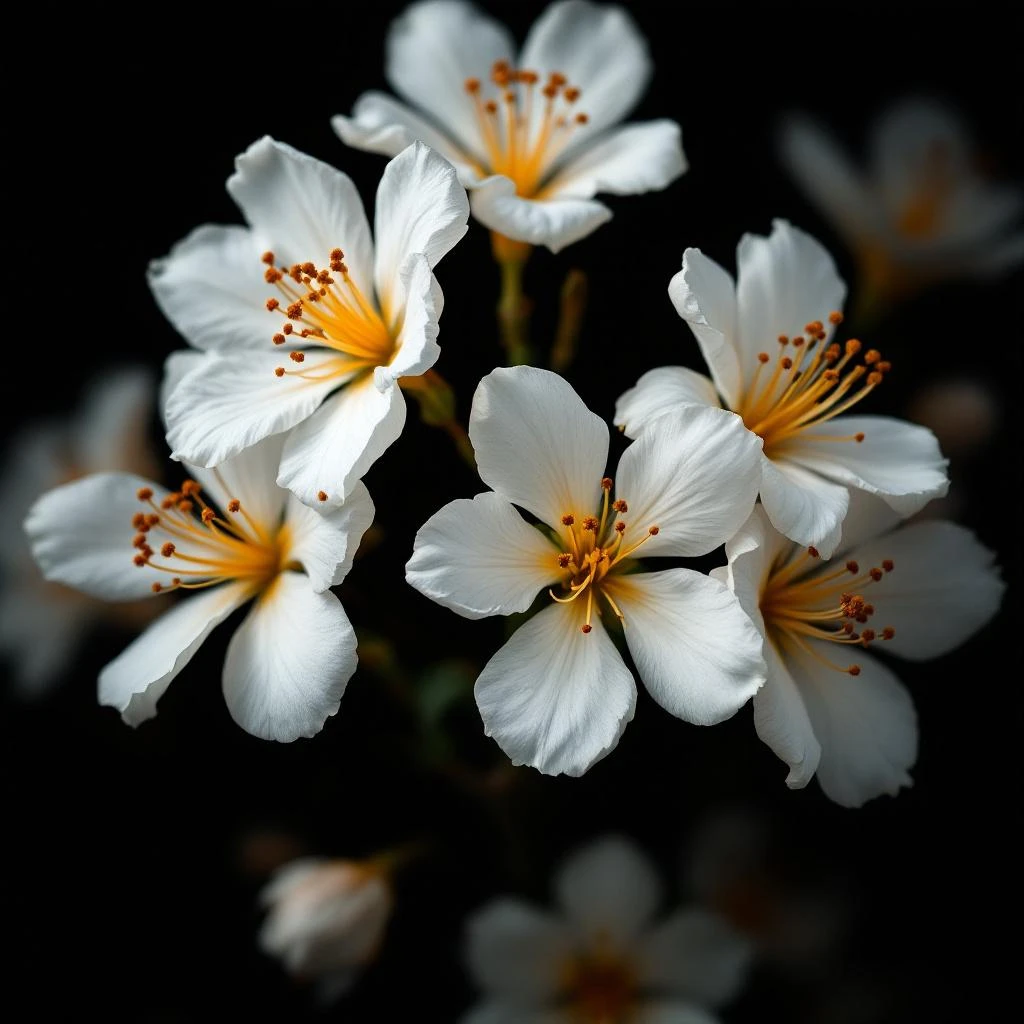
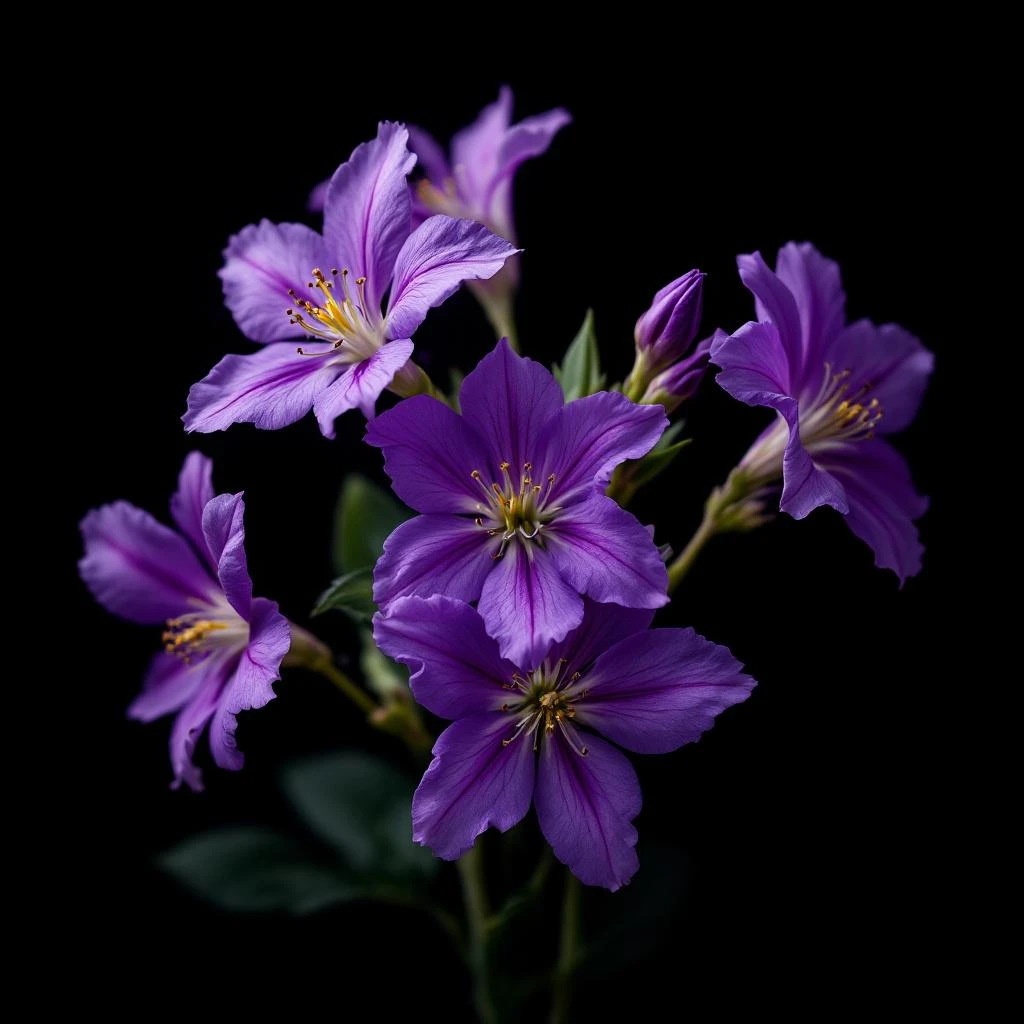
Lemon Myrtle (Backhousia citriodora) delivers the most potent citral note of any botanical source, producing a vivid lemon fragrance that surpasses traditional citrus materials in intensity and complexity.
Character
How it smells
The world's most potent natural lemon scent
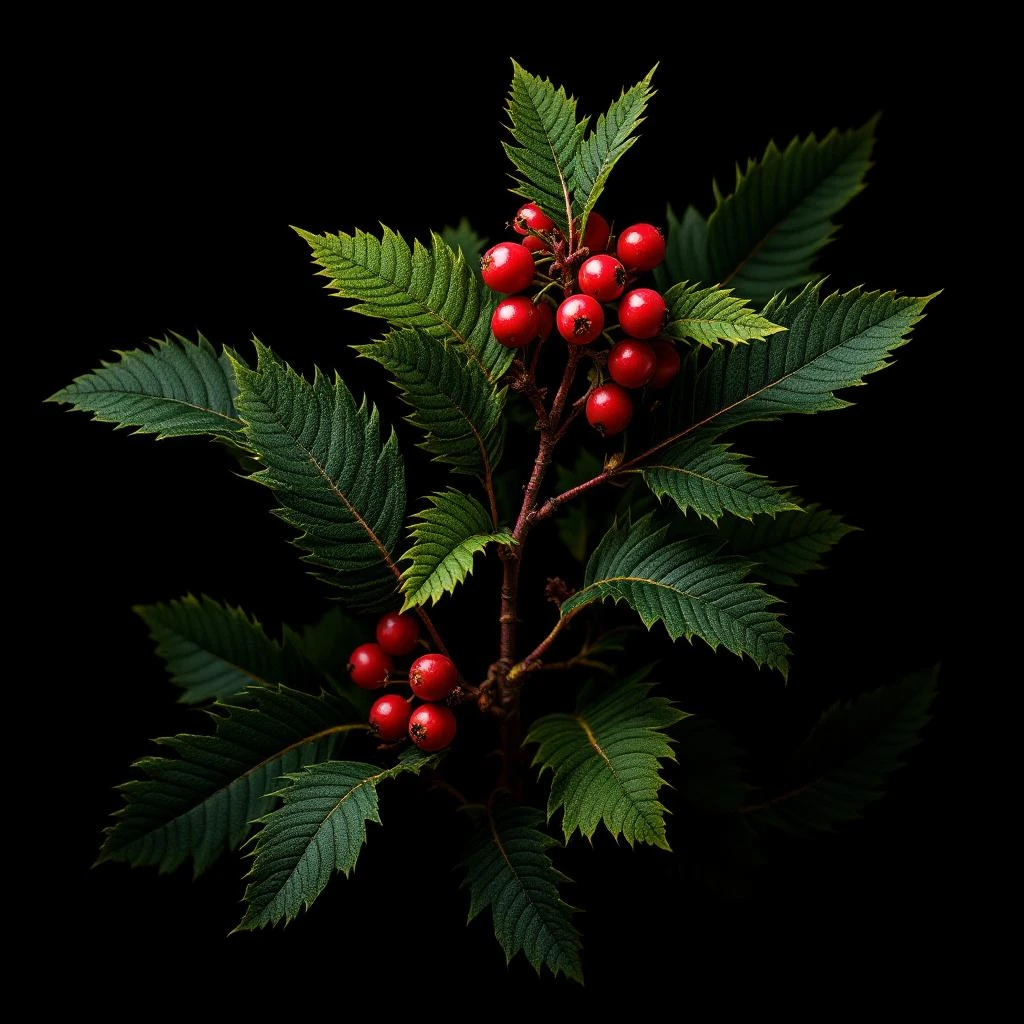
Lemon Myrtle contains up to 98% citral, exceeding lemongrass at 70-80%, making it the undisputed champion of natural lemon fragrance compounds.






Origin
Australia
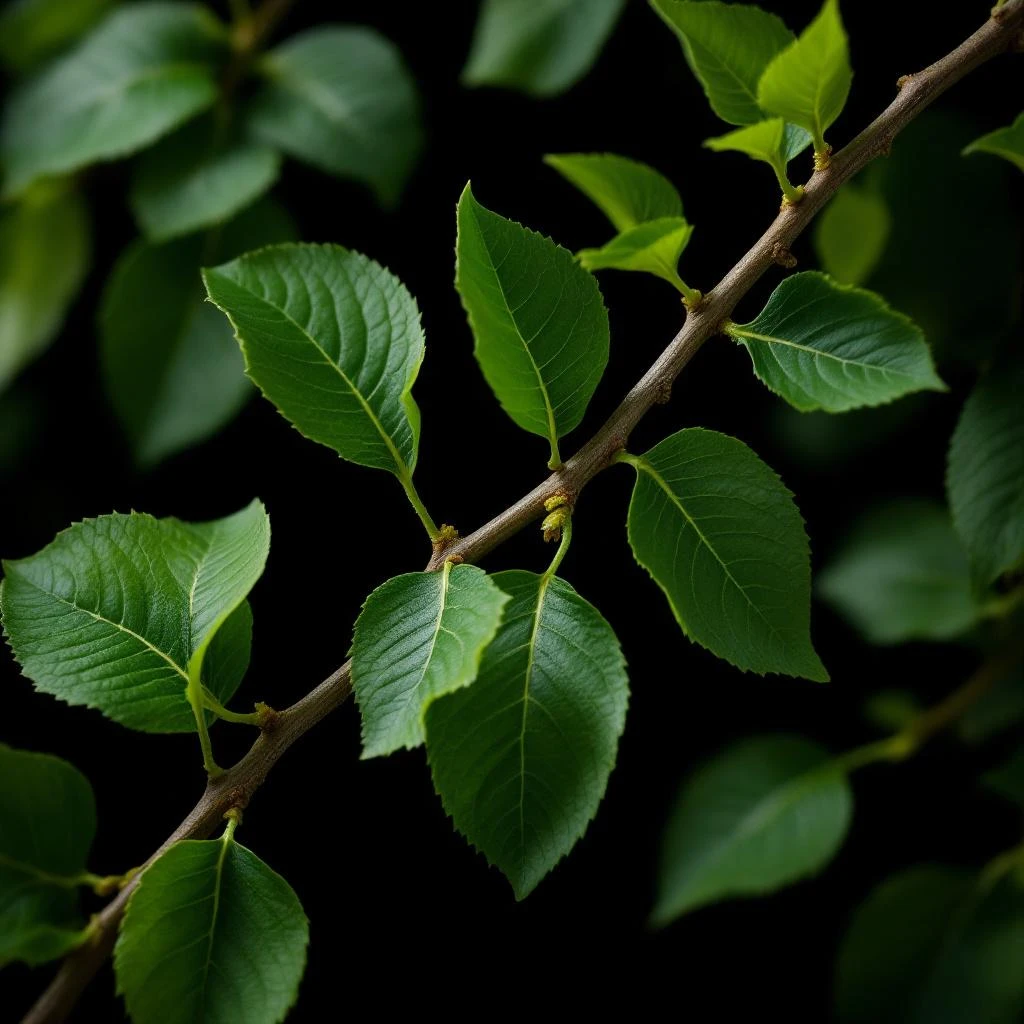
Australian botanist Ferdinand von Mueller named Backhousia citriodora in 1853, honoring his colleague James Backhouse. Indigenous Australians used Lemon Myrtle for centuries before commercial extraction began in the 1990s. Aboriginal communities of Queensland and northern New South Wales incorporated the plant into traditional medicine and ceremonial practices.
The wet tropical rainforests of northeast Australia served as its native habitat. Commercial essential oil production emerged when fragrance manufacturers recognized its extraordinary citral content. Sustainable cultivation expanded across Queensland farms, creating a new industry for native botanicals.
Today, Lemon Myrtle represents a success story in sustainable perfumery ingredients, supplying global fragrance houses with a distinctly Australian citrus note that carries both heritage and modern application.
Wears it best
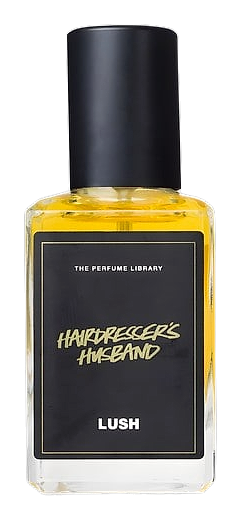
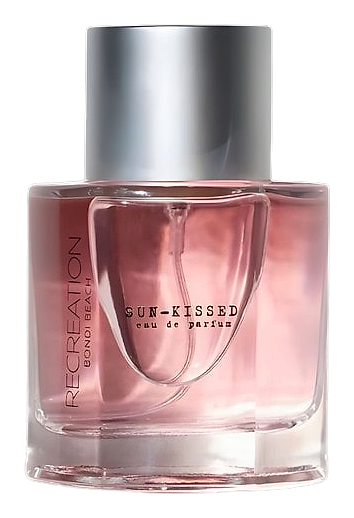
Fragrances featuring Lemon Myrtle
Brands
Brands known for Lemon Myrtle
Good to know
Questions, answered
The essentials on Lemon Myrtle in perfumery: how it smells, where it comes from, and how it behaves on skin.
What does Lemon Myrtle smell like?
Lemon Myrtle presents an intensely bright, clean lemon note with remarkable authenticity. Unlike lemon verbena orlitsea, it carries subtle herbal undertones alongside its sharp citrus character, creating a more complex profile than conventional citrus materials.
Is Lemon Myrtle a natural ingredient?
Yes. Lemon Myrtle essential oil is 100% natural, extracted via steam distillation from cultivated Backhousia citriodora trees grown in Australia. It offers perfumers a botanical source of citral that can replace synthetic alternatives in fragrance formulations.
How is Lemon Myrtle oil produced?
Steam distillation extracts oil from fresh leaves harvested from Backhousia citriodora trees. Leaves are processed within 24 hours of harvest, yielding approximately 1-2% essential oil by weight. This method captures the full aromatic spectrum while maintaining botanical purity.
Where does Lemon Myrtle originate?
Backhousia citriodora grows naturally in the wet tropical rainforests of Queensland and northern New South Wales, Australia. Commercial cultivation now extends across multiple Australian regions to meet growing demand from fragrance manufacturers worldwide.
What makes Lemon Myrtle unique in perfumery?
Lemon Myrtle delivers the highest natural citral concentration of any botanical, reaching up to 98%. This exceptional purity provides fragrance chemists with a powerful lemon note that remains stable and long-lasting in various perfume concentrations.
Can Lemon Myrtle be used in natural perfumes?
Absolutely. Lemon Myrtle integrates seamlessly into natural and botanical fragrance lines. Its intense lemon character pairs well with other native Australian materials like sandalwood and wattle seed, creating distinctly regional scent profiles.
What plant parts are used for extraction?
Only the leaves of Backhousia citriodora undergo distillation for essential oil production. The plant's flowers, while fragrant, are not used commercially. Leaf harvesting can begin once trees reach approximately three years of age.
Is Lemon Myrtle sustainable to produce?
Lemon Myrtle production supports sustainable agriculture in Australia. Commercial cultivation protects wild populations while providing fragrance manufacturers with a renewable, traceable botanical source. Australian Native Products pioneered large-scale sustainable farming of this crop.