



Heritage
A house, in its own words
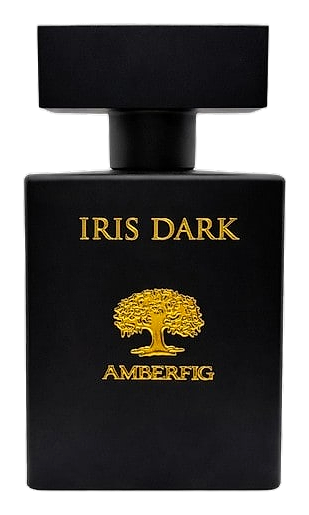
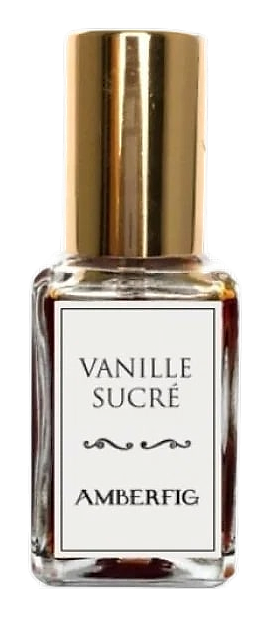
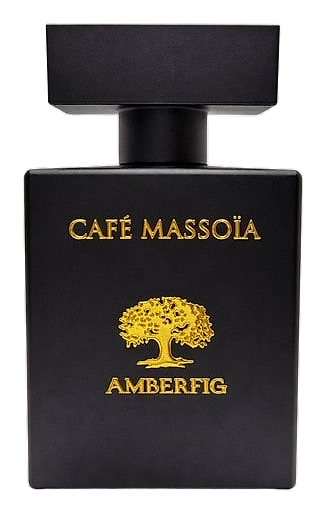
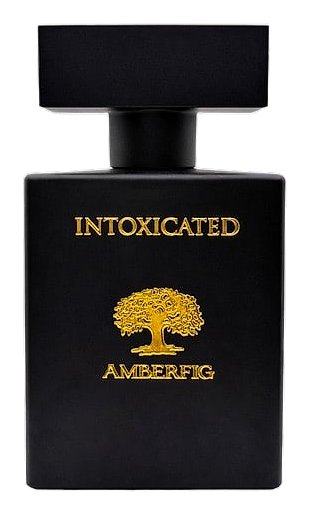
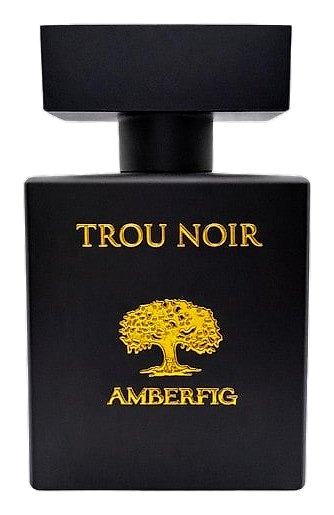
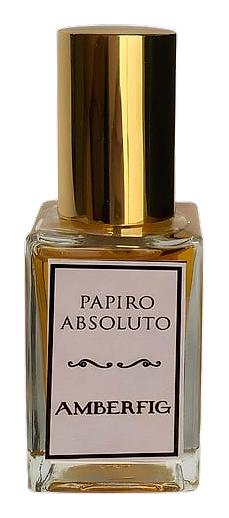
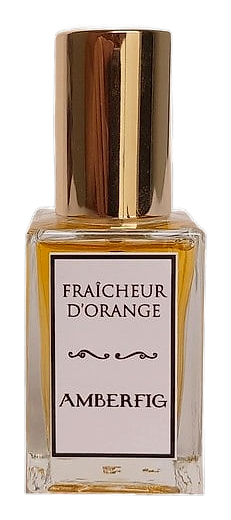
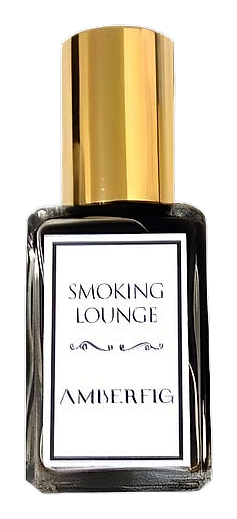
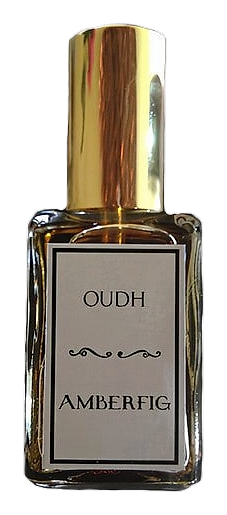
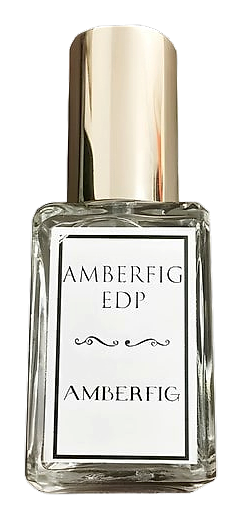
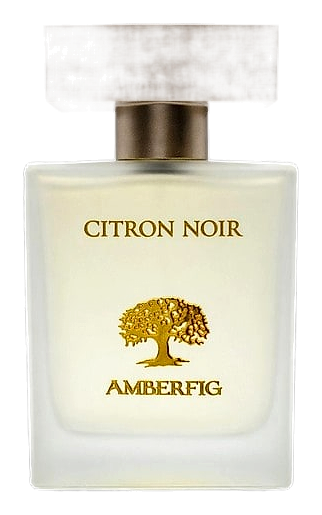
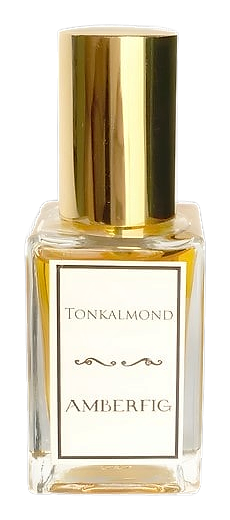
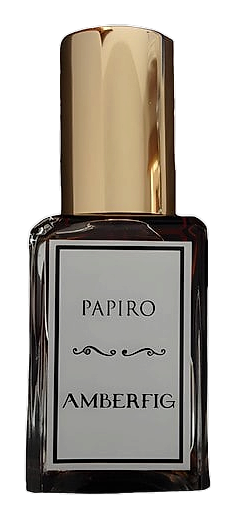
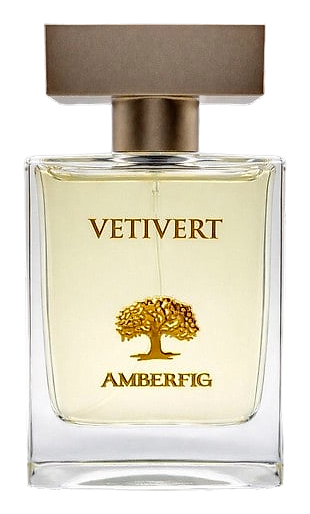
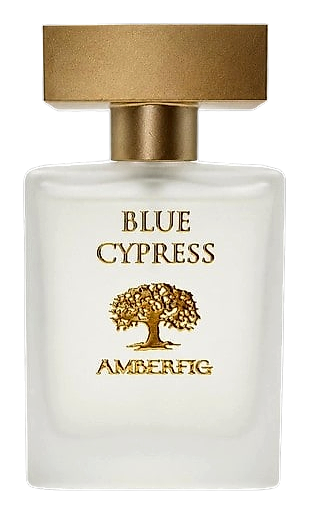
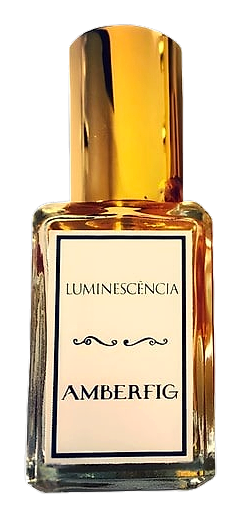
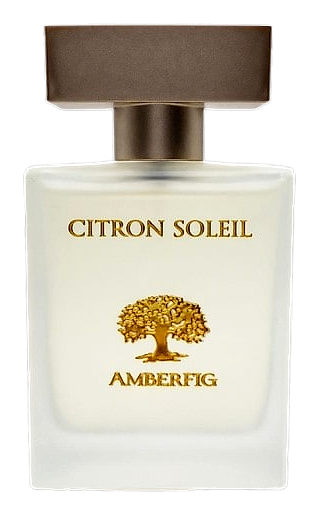
Amberfig represents a new generation of fragrance houses that emerged in the 2010s, a period that saw significant democratization in niche perfumery. While the brand does not claim the centuries-old lineage of houses like Houbigant or L.T. Piver, it participates in a different tradition: the artisan fragrance revival that gained momentum throughout the late 20th and early 21st centuries. The house reportedly began releasing fragrances in 2014, placing its founding in an era when independent perfumers and small houses could build audiences through online communities and social media. The earliest Amberfig edition appeared in 2014, with subsequent releases following through 2026. Unlike heritage houses with established house perfumers, Amberfig appears to work through collaboration, bringing in external talent for specific projects rather than maintaining a single in-house creative voice. This model allows flexibility and variety but also means the brand's identity is defined more by its collective output than by a singular perfumer's recognizable style. The house has not publicly detailed its founding circumstances, founder identity, or original business rationale, which is not uncommon for smaller niche operations that prefer to let their fragrances speak without extensive biographical narrative. What can be observed is that the brand has maintained a release cadence over more than a decade, suggesting sustained operation and audience interest, even if precise commercial or critical milestones remain undocumented in available sources. Without explicit brand statements from Amberfig's founders, the house's philosophy can only be inferred from its output and market positioning. The name Amberfig suggests thematic inspiration drawn from fig's green, milky, or woody facets combined with amber's warmth and depth, yet the actual fragrance catalog extends well beyond these notes. Releases like Oudh, Vetivert, and Papiro Absoluto indicate exploration of oud, vetiver, and papyrus respectively, suggesting the house values aromatic diversity over rigid adherence to a signature theme. The collaborative perfumer model implies a philosophy that values diverse creative perspectives rather than a singular house style. The presence of fragrances across multiple years (2015, 2017, 2018, 2021, 2024, 2025, 2026) demonstrates sustained creative output over more than a decade, which typically requires either commercial viability or passionate commitment from those involved. The house appears to operate within the niche perfumery segment rather than targeting mass-market consumers, given the specific aromatic choices and the absence of wide retail distribution. This positioning suggests an audience of fragrance enthusiasts who seek distinctive, non-mainstream scents and who value artistic expression over commercial accessibility. The lack of extensive marketing language or brand mythology in available sources further suggests a house that prioritizes the fragrances themselves as its primary communication vehicle.