
The Story
Why it exists.
The beginning
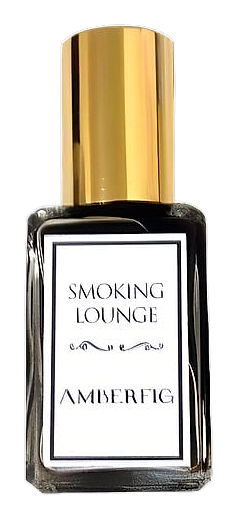
A name that doesn't explain itself. Smoking Lounge by Amberfig is David Magalhães's 2015 study in atmosphere, not a theme park, not a caricature, just the feeling of a private space where leather, smoke, and conversation coexist. The title is a frame, not a recipe. Step inside and decide for yourself what that room smells like.
What makes this composition stand apart is the bitter-almond opening cutting through what could have been a straightforward warm-tobacco exercise. Most tobacco fragrances enter sweet and stay sweet. Here, star anise and cardamom arrive with a sharpness that announces something different before the tobacco and cacao absolute take over the mid-register. The cocoa doesn't sweeten the tobacco, it darkens it. That's the move. That's what separates this from the mid-2010s wave of edible tobacco blends. Cloves and incense arrive next, adding resinous weight without turning the composition heavy.
The evolution
The opening arrives with aniseed clarity and the slightly bitter, almost marzipan edge of bitter almond. It's the sharpest phase of the fragrance, medicinal without being clinical, warm without being soft. Give it ten minutes. The tobacco emerges, but it arrives already in conversation with the cocoa absolute. What follows is dark, slightly bitter, and deeply aromatic rather than sweet. No vanilla yet. Just tobacco doing the work. Leather and incense arrive next, bringing a smoky depth that shifts the atmosphere from bright to warm. Smoke rises. Leather settles. This is the heart of the fragrance and where it earns the name. An hour in, the base begins its slow reveal, vanilla threading through first, softening the bitterness into something warmer and almost meditative. Cedarwood and vetiver ground everything that came before, holding the composition steady as the tobacco softens. The drydown is warmth without sweetness, smoke without sharpness.
Cultural impact
Discontinued but sought after in niche collector circles, Smoking Lounge occupies a specific position among tobacco-forward fragrances, not the safe, sweet entry point but the one that rewards the wearer who wanted something darker. The anise opening alone is enough to polarize, which is perhaps the point. In the post-2015 landscape of ultra-warm, ultra-sweet tobacco fragrances marketed as accessible gateway niches, this one refused the softening.
The House
AmberfigAmberfig occupies a distinctive space in contemporary perfumery, presenting itself as a niche fragrance house with a collaborative approach to creation. The brand emerged in 2014, making it a relatively young player in a field that includes houses with centuries of history, yet it has built a catalog spanning over a decade with releases that range from 2015 through 2026. The name Amberfig itself suggests a signature aesthetic rooted in warm, resinous materials alongside green or fruity facets, though the house has demonstrated range across multiple fragrance families. According to fragrance databases, Amberfig has produced at least ten distinct releases, with perfumers credited as collaborators rather than house perfumers, suggesting a model that brings in external expertise for individual projects. The brand appears to operate without the extensive media presence of established heritage houses, instead building recognition through its olfactory offerings and community discussion. This positioning reflects a broader trend in niche perfumery where smaller, more experimental houses can reach global audiences without traditional retail infrastructure.
The Creator
David MagalhãesHis signature style leans toward rich, resinous constructions with prominent amber and fig influences, evident in creations like Amberfig. Magalhães demonstrates particular skill with warm oriental frameworks, layering creamy woods, sweet resins, and subtle spice to create fra…