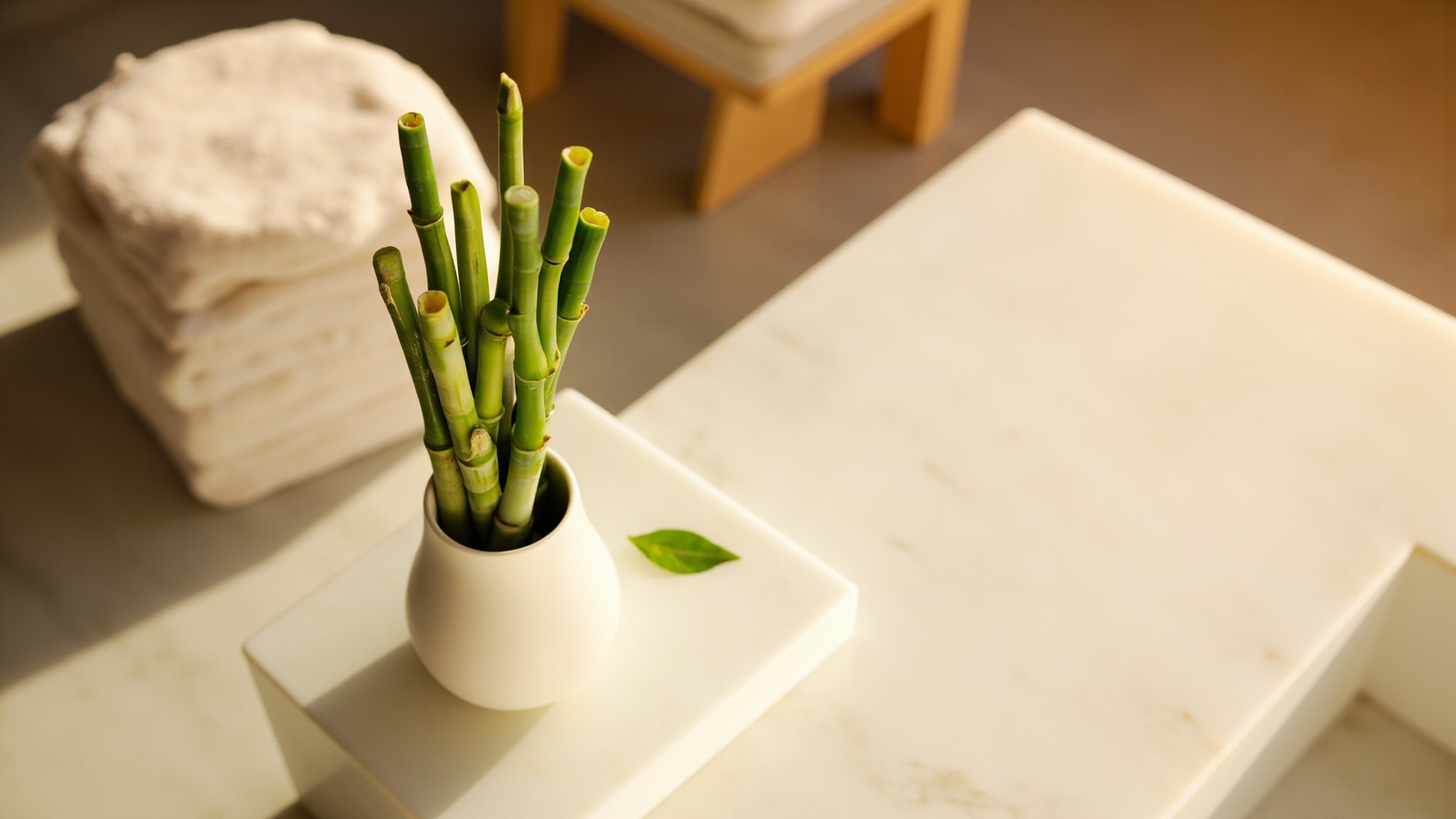
The Story
Why it exists.
The beginning
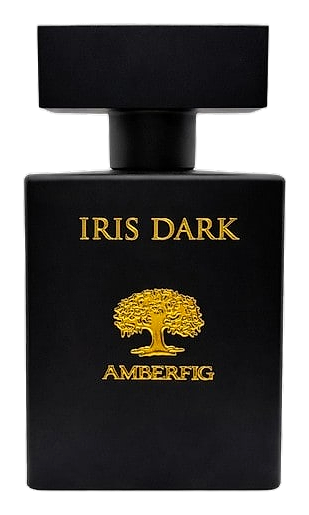
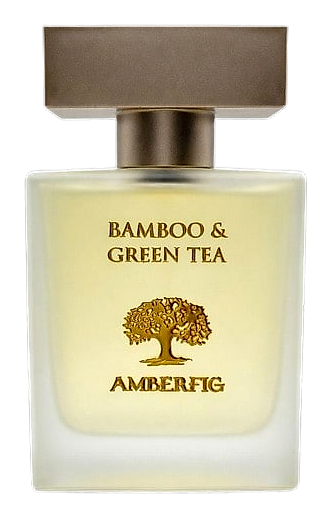
Amberfig launched in 2014 as a niche house built on collaboration rather than house tradition. By 2015, they had found their footing, and Bamboo & Green Tea became an early statement. Perfumer David Magalhães was tasked with something specific: capture bamboo's green freshness and cedar's woody warmth in one bottle. The brief was botanical precision, not abstraction. What emerged was a fragrance that takes its name literally and earns it.
The choice to pair green tea with bamboo isn't accidental. Both share a quietness, a greenness that doesn't announce itself. Add neroli, and the heart gets a subtle floral edge that stops it from feeling purely masculine. Litsea cubeba in the top adds a peppery-citrus lift that makes the opening more interesting than a standard citrus bomb. The real commitment, though, is in the base: cedar, oakmoss, patchouli, vetiver. Not a skin-musk or a skin-cream drydown. An actual woody trail that persists for hours. This is where many green-tea scents retreat into pleasant nothingness. Bamboo & Green Tea pushes through.
The evolution
The opening hits fast, yuzu and grapefruit brightness for about 30 minutes, then the citrus lifts. What replaces it is the green heart: bamboo and green tea arriving together, inseparable. Not cool cucumber-water green. Warm green, almost humid. The neroli adds a quiet floral layer underneath. Then the base takes over around the two-hour mark, not a dramatic shift, but a settling. Cedar announces itself first, then vetiver and patchouli add weight. Oakmoss keeps it close to skin. By hour four, you're left with a woody-green whisper that persists until you wash it off. On fabric, the cedar and patchouli can linger into the next day.
Cultural impact
Green tea as a fragrance note had its moment in the early 2010s, riding the wave of fresh, clean aesthetics. Bamboo & Green Tea arrived in 2015 as part of that conversation, but with more woody commitment than most. The moderate sillage makes it approachable for daytime wear and office environments, where it functions as a quiet confidence rather than a statement piece.