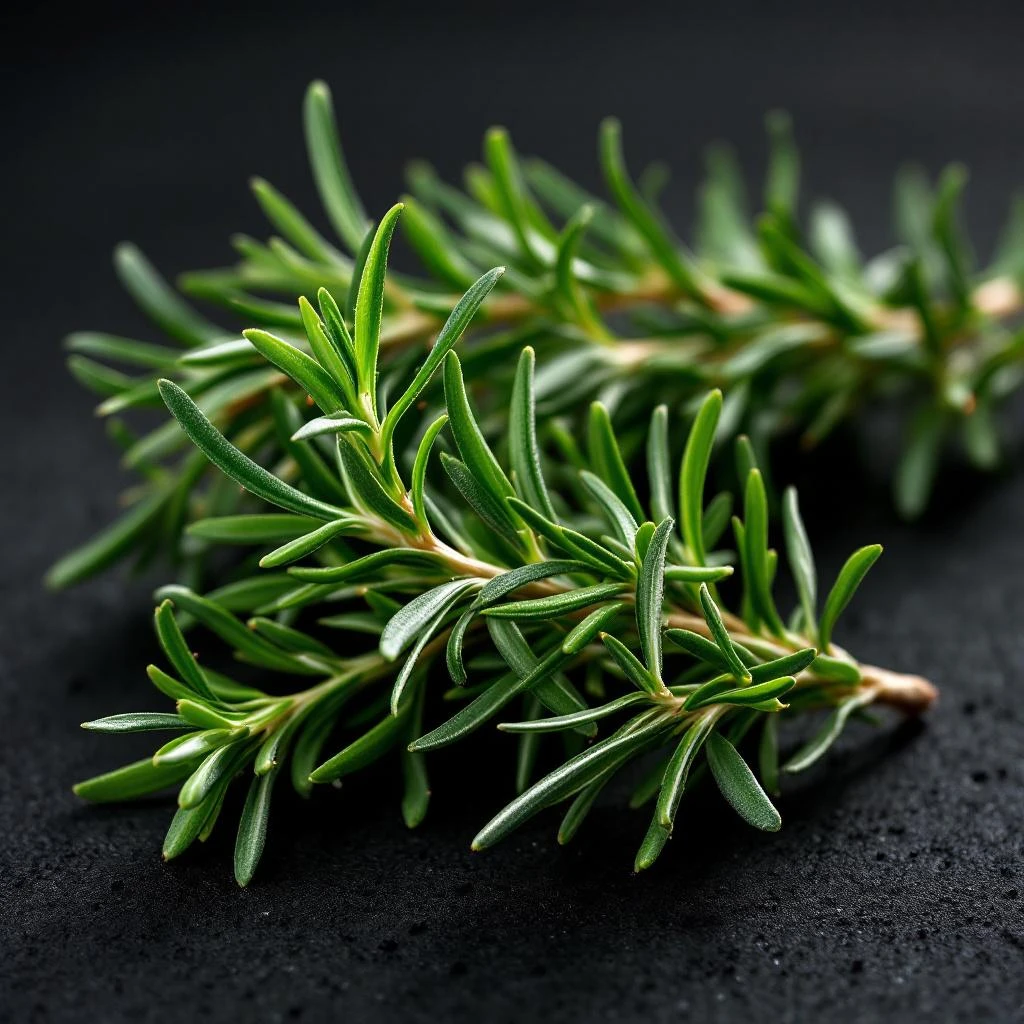
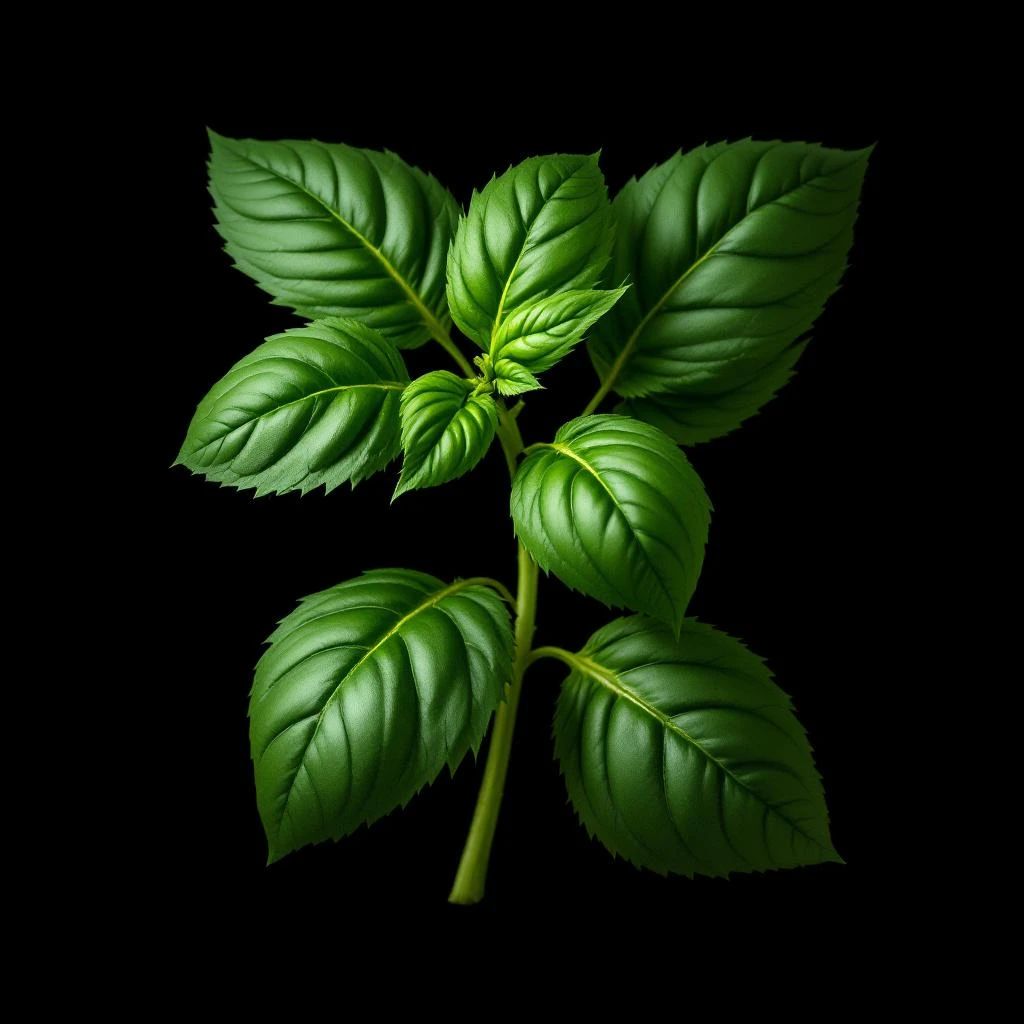
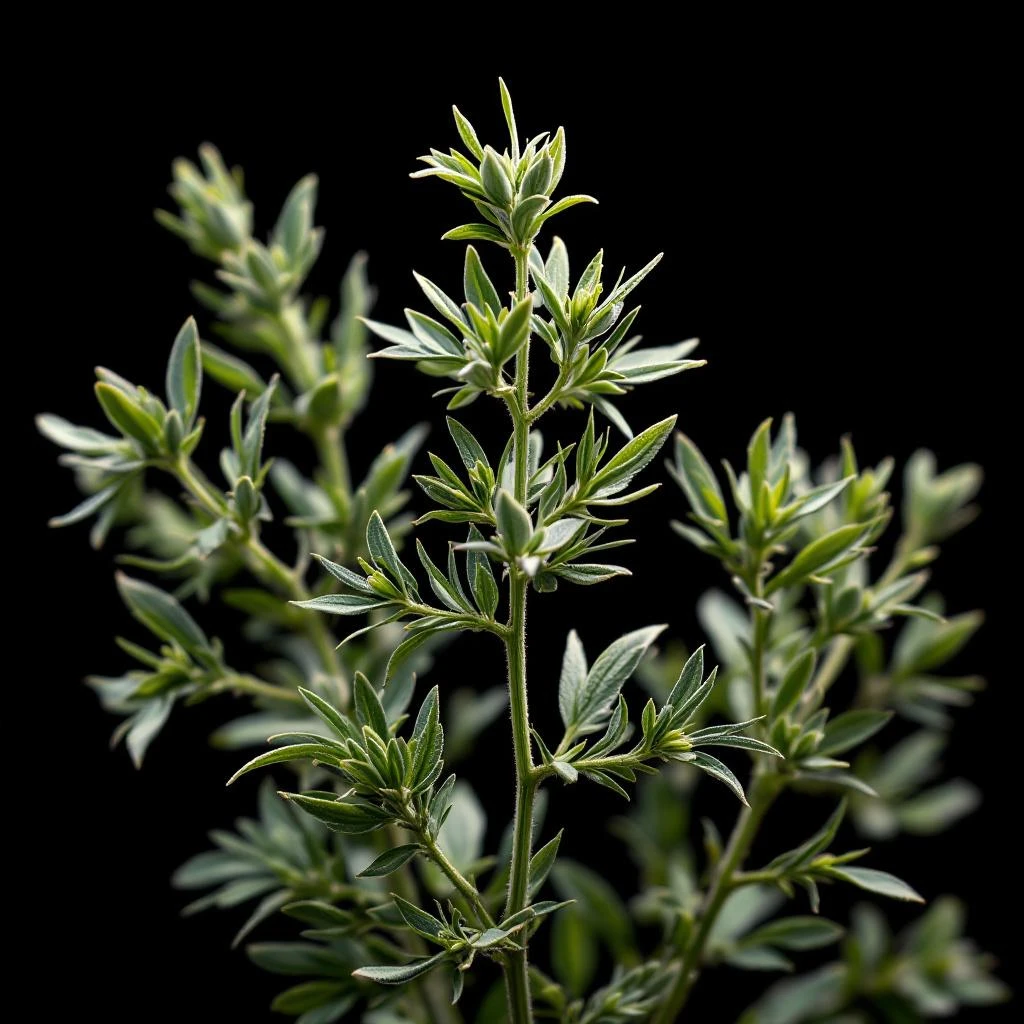
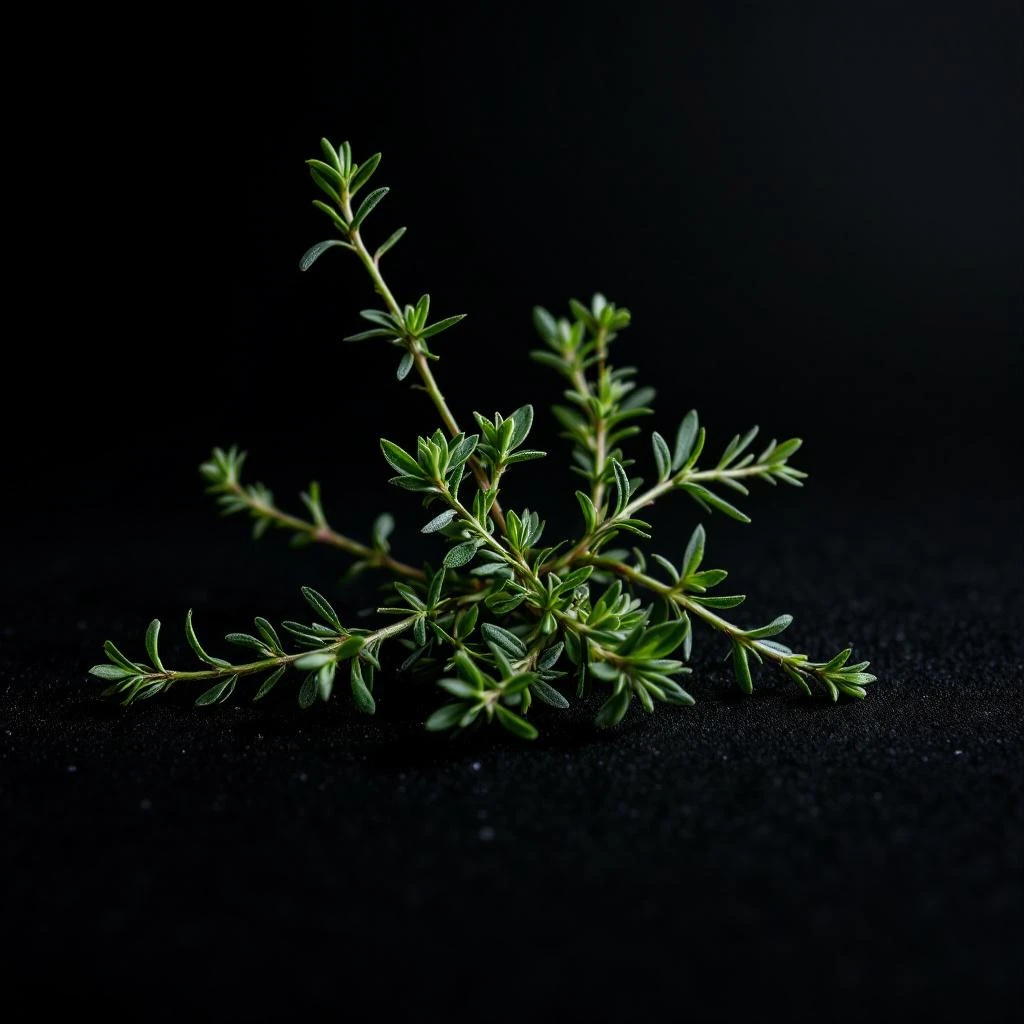
Melissa
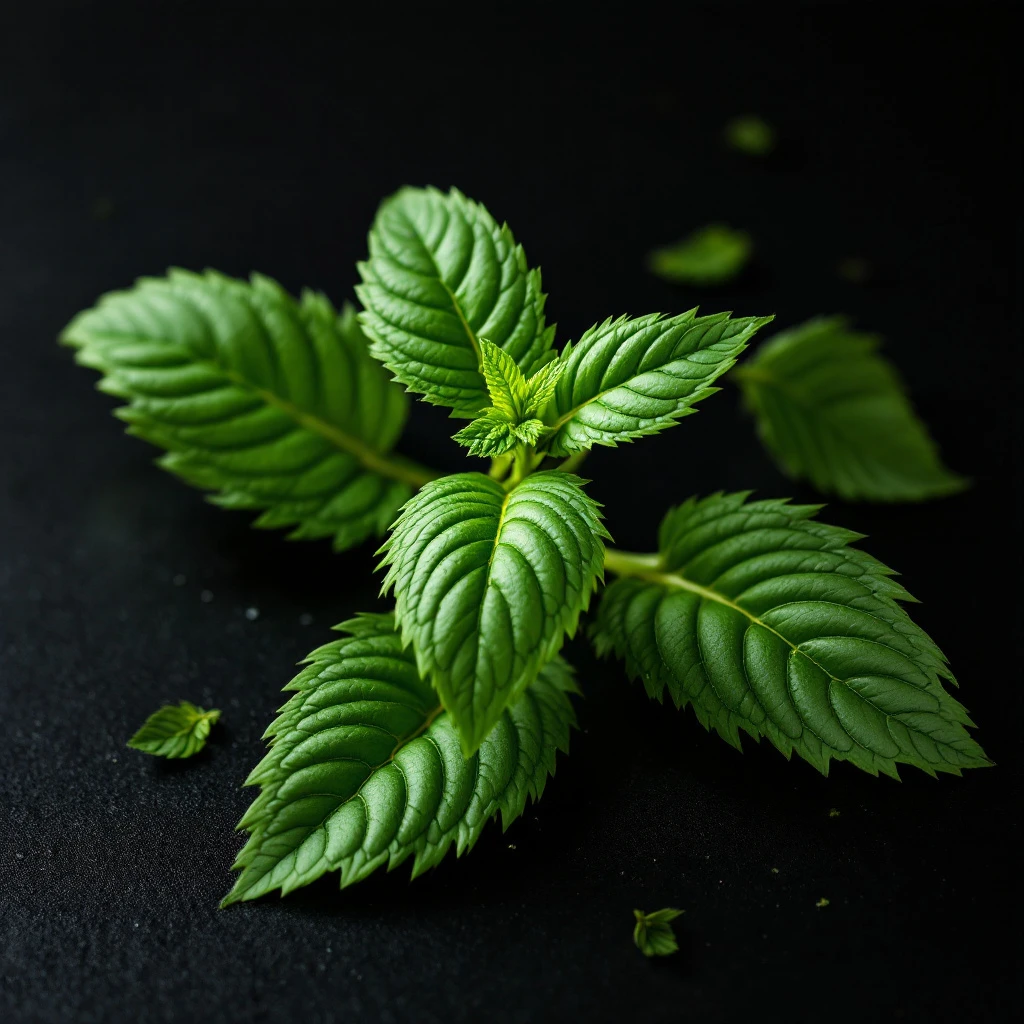
Melissa, or lemon balm, delivers a crisp citrus-green scent that bridges garden freshness and fine fragrance complexity. One of perfumery's rarest ingredients, it appears in only select luxury compositions.
Character
How it smells
Crisp citrus-green with rare, precious character.
Melissa means bee in Greek. Beekeepers traditionally planted it near hives because the plant produces abundant nectar, attracting pollinators, hence the oil's old name: beeswort.






Origin
France
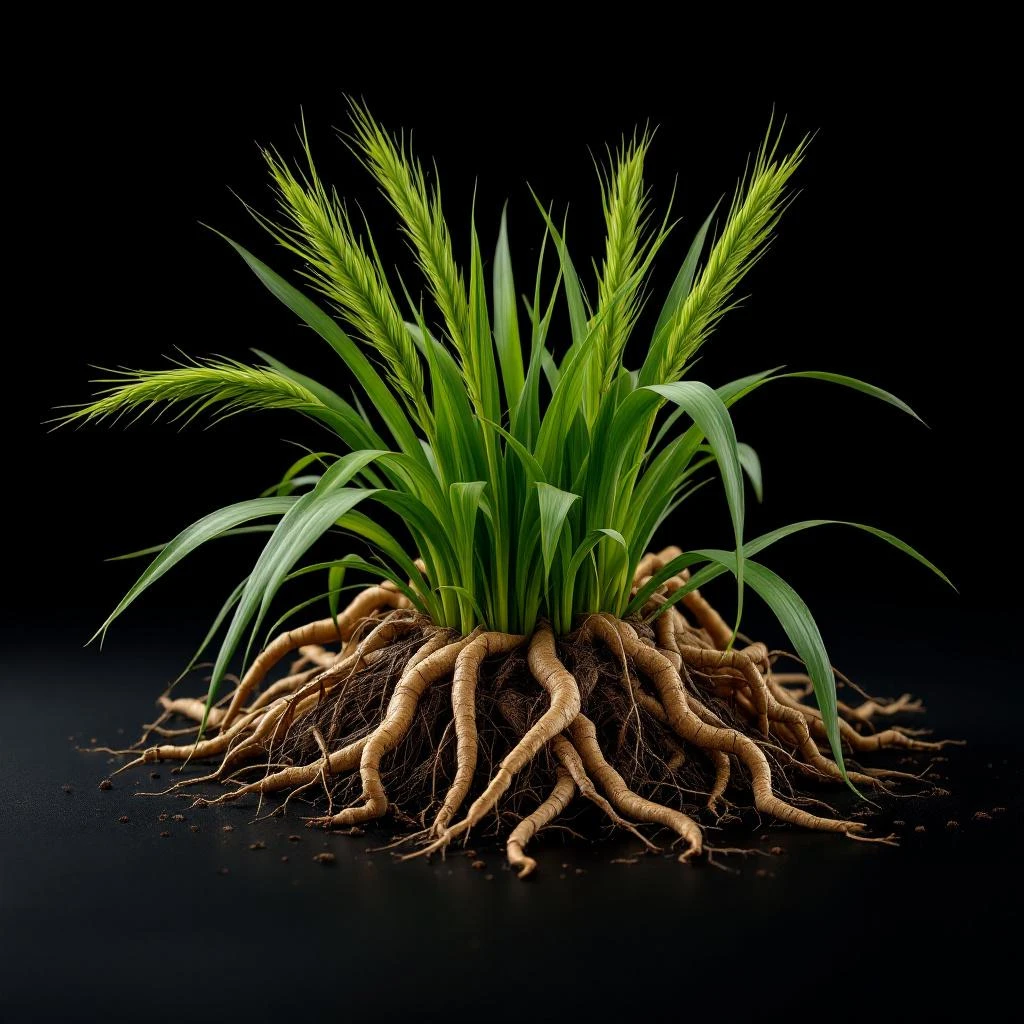
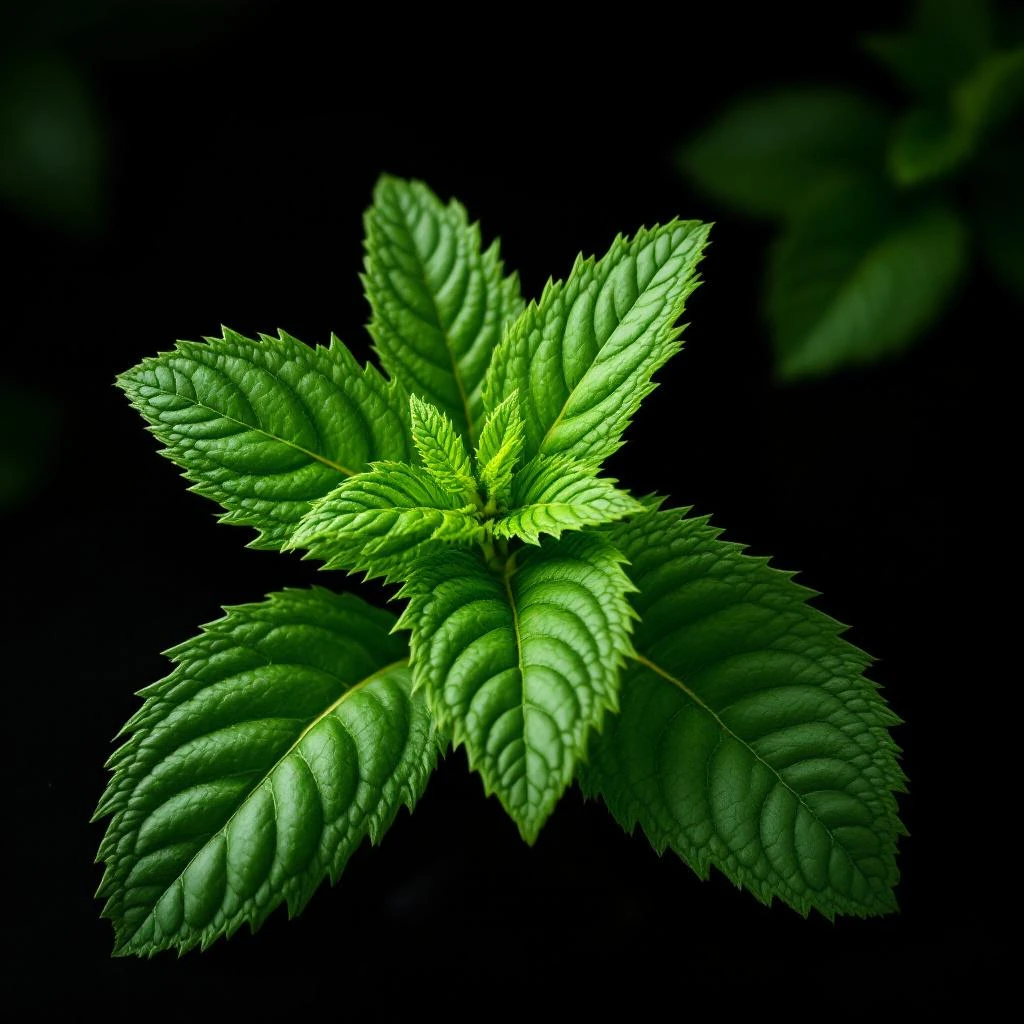
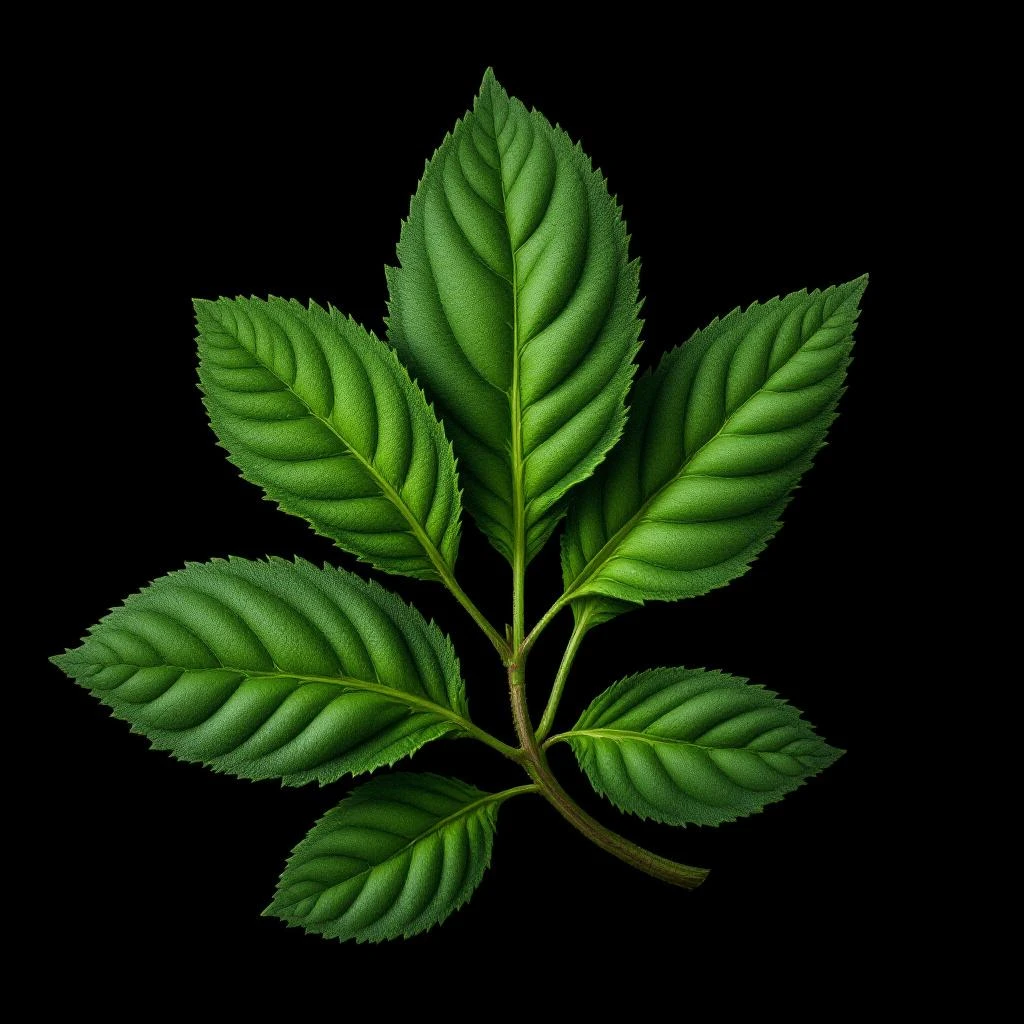
The name Melissa comes from the Greek word for bee. Ancient Greeks and Romans documented lemon balm's aromatic properties and used it in perfumery and folk medicine. The botanical classification Melissa officinalis, meaning medicinal bee herb, reflects the plant's long association with apiculture.
In medieval Europe, monastic gardens and apothecaries cultivated Melissa for both fragrance and medicinal applications. Renaissance parfumeurs featured it in classic formulations, including the famous Carmelite water of the period. Paracelsus called it one of the most valued aromatic herbs, praising its clean, clarifying scent. Linnaeus formally classified Melissa officinalis in the 18th century, cementing its botanical identity. Though natural Melissa remains rare and costly in perfumery, its fresh citrus-green note continues to appear in modern luxury compositions.
Wears it best
Fragrances featuring Melissa
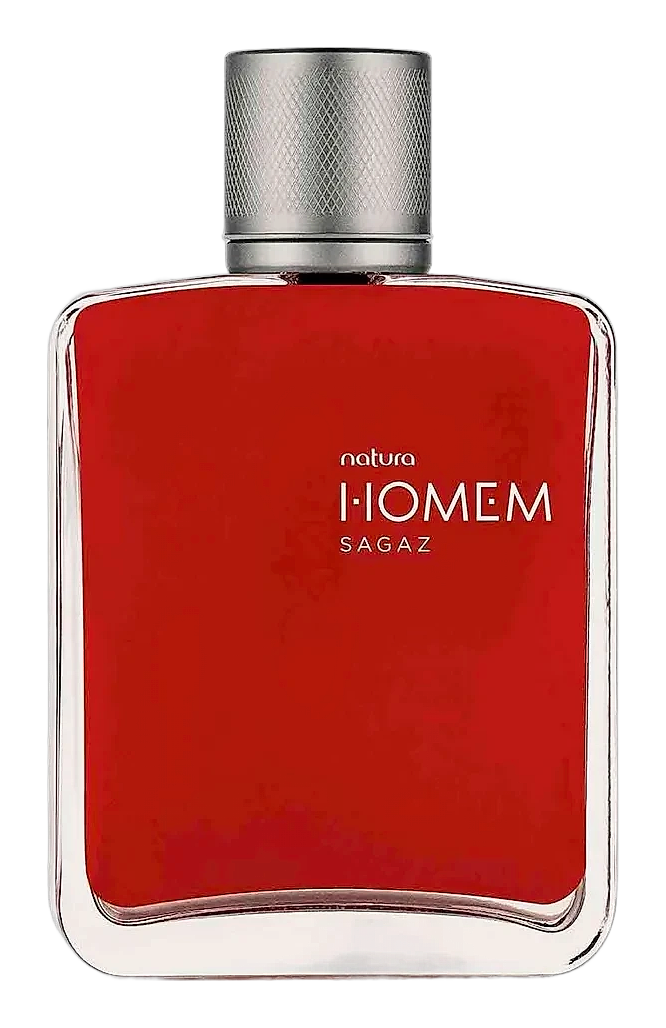
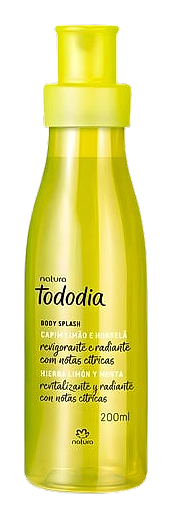
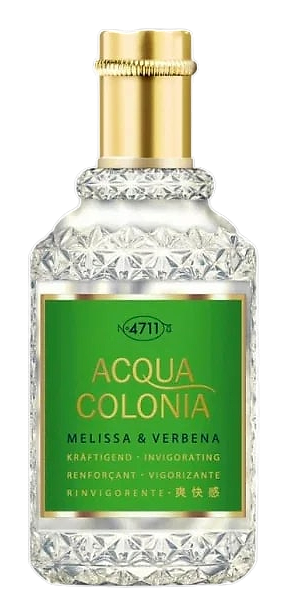
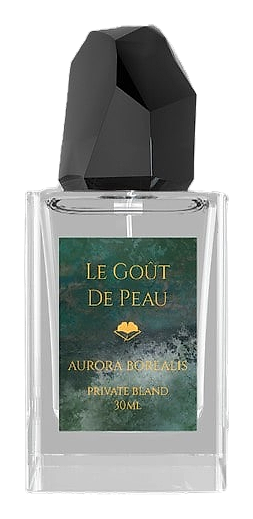
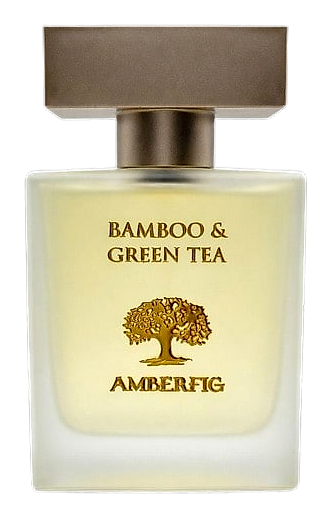
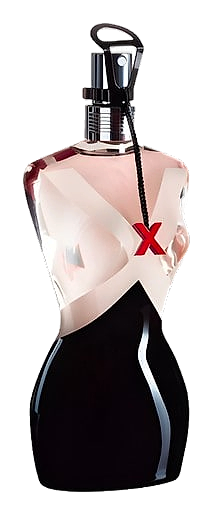
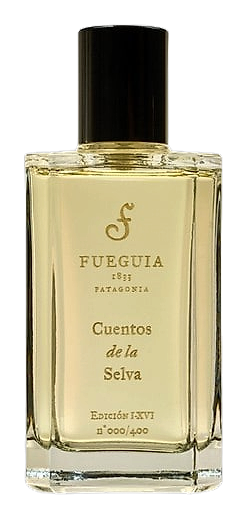
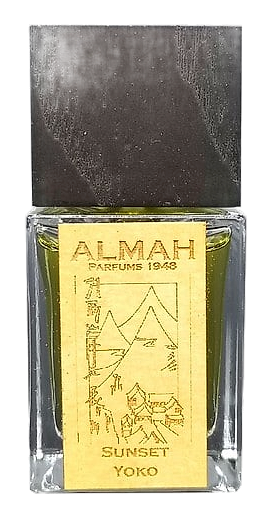
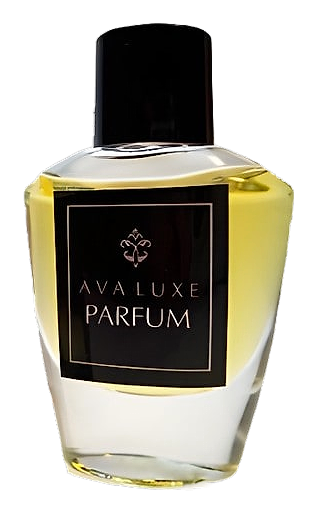
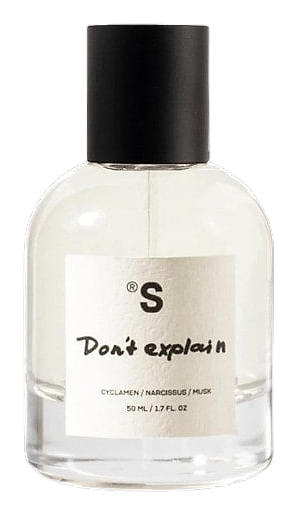
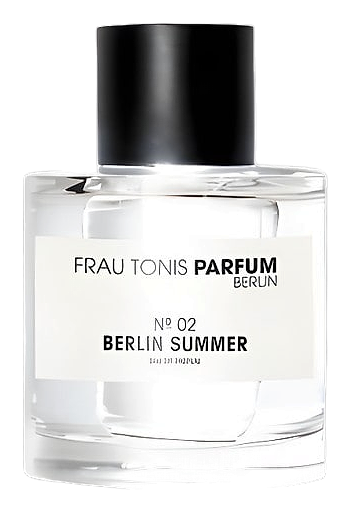
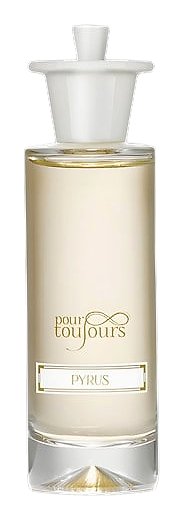
Brands
Brands known for Melissa
Good to know
Questions, answered
The essentials on Melissa in perfumery: how it smells, where it comes from, and how it behaves on skin.
What does Melissa smell like?
Melissa produces a crisp, clean lemon-citrus aroma with green, herbaceous undertones. The scent carries a freshness similar to lemongrass but softer, with subtle sweet complexity that makes it distinctive among citrus materials.
What part of the Melissa plant is used for fragrance?
Fragrance producers extract the fresh aerial parts of Melissa officinalis: leaves, tender stems, and flowers. These aerial components contain the highest concentration of aromatic compounds when harvested at peak bloom.
How is Melissa oil extracted?
Producers use steam distillation or hydrodistillation on freshly harvested Melissa plants. The process runs one to two hours. Solvent extraction produces a less common Melissa absolute used in fine fragrance.
Is Melissa natural or synthetic in perfumery?
Natural Melissa essential oil exists but remains rare. The plant requires enormous quantities to yield even small amounts of oil, making natural versions expensive. Synthetic alternatives replicate key aroma molecules like geranial and neral.
Which countries produce Melissa oil?
France leads production, particularly in the Provence region where Mediterranean climate supports optimal cultivation. Other producers include Italy, Spain, and parts of North Africa, all offering varying quality levels.
How much does Melissa oil cost?
Natural Melissa oil commands premium pricing, typically ranging from $1,000 to $1,500 per kilogram. The extreme plant-to-oil ratio drives costs higher than most other citrus essential oils available to perfumers.
How do I identify authentic Melissa oil?
Gas chromatography analysis confirms authenticity by identifying the characteristic geranial and neral ratio. Adulteration with cheaper Litsea cubeba or synthetic citral occurs frequently. Request certificates of analysis before purchasing.
When did perfumers first use Melissa?
Documented perfumery use dates to medieval Europe, where monastery gardens cultivated Melissa. Renaissance parfumeurs featured it in classic formulations. The botanical name Melissa officinalis appears in 18th-century classification systems.