The Story
Why it exists.
The beginning
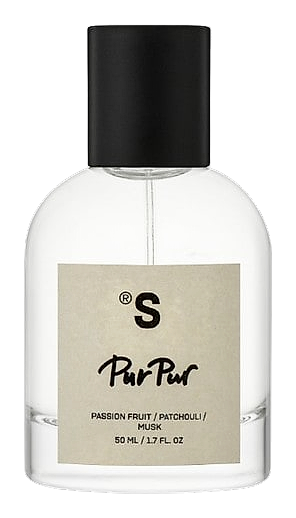
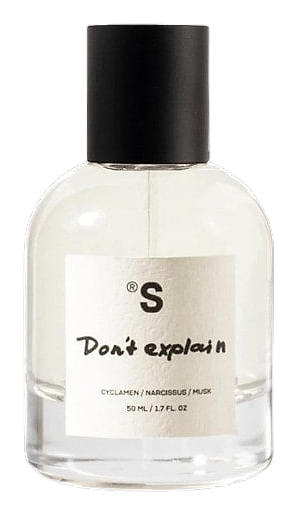
"Don't Explain" arrives like a breath held before something private. Sister's Aroma built this fragrance around a quiet truth: some scents resist explanation, they're felt before they're understood, worn before they're justified. The brief was simple: a fresh, cool fougère with green orchid, spicy clove, and melissa. What emerged is something that opens cool and stays interesting as it warms, a composition that earns its keep through contrast rather than volume.
The fougère family has been shorthand for fresh and masculine for decades. Don't Explain rewrites that, not by abandoning the structure, but by replacing its expected notes. Orchid instead of lavender. Green instead of soapy. The melissa (lemon balm) adds a citrusy herbal lift that keeps the cool going longer than bergamot would. Clove brings warmth, but it's warmth that arrives after you've already committed to wearing it. That's the move: invite, then reward.
The evolution
The opening hits cool, hyacinth's watery cut, cyclamen's almost-mineral brightness. Orchid enters slightly behind, more stem than flower, more green than sweet. Thirty minutes in, the melissa asserts itself: herbal, slightly bitter, keeping the whole thing honest. The heart phase belongs to clove, warm, slightly numbing spice that softens the green. Immortelle adds a hay-like depth, narcissus brings a honeyed yellow floral undertone. By the third hour, the drydown arrives: amber warmth, close musk, the scent of skin-warmed fabric. Lasts four to six hours depending on your skin. Stays intimate throughout.
Cultural impact
Since its 2022 debut, Don't Explain has positioned itself within a wave of Eastern European niche fragrances challenging Western perfume conventions. Sister's Aroma, a Ukrainian house, has built its reputation on materiality-focused compositions that avoid the commercial shortcuts common in mass-market releases. This fragrance participates in a broader cultural moment where consumers increasingly seek transparency about ingredients and sourcing, even as the perfume industry remains notoriously opaque. The green-floral genre it occupies has historical roots in post-Soviet fragrance traditions, and Don't Explain updates that sensibility for contemporary sensibilities.