The Story
Why it exists.
The beginning
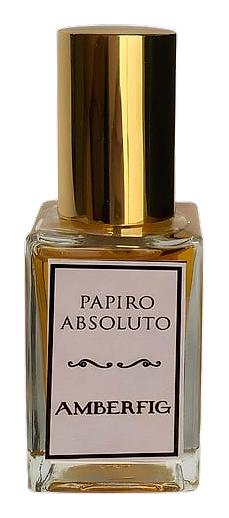
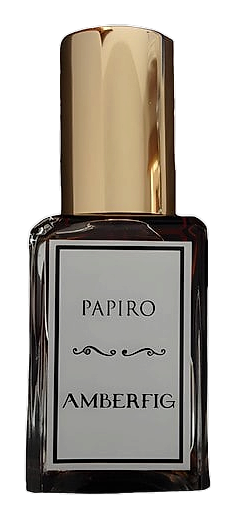
Papiro arrived in 2016 from David Magalhães and Amberfig. Papyrus is functional, patient, meant to outlast the hand that wrote it. That same quality runs through the fragrance: it opens tropical and almost reckless, then settles into something quieter and more lasting. The name echoes that sense of endurance, functional rather than decorative, built to linger. Magalhāes crafted this as a deliberate counter to fragrances that peak early and fade by lunch.
The cedar here isn't a single source. enthusiasts lists Virginia, Texas, Atlas, and Himalayan cedar alongside red cedar, five origins folded into the heart. That accumulation matters. Cedarwood in fragrance can read clean and pencil-like, or it can go deep and resinous. Here, the cedar multiplies itself, creating density without heaviness. Paired with black pepper and geranium in the heart, the result is a woody structure that breathes rather than sits static. Then leather, oakmoss, and patchouli arrive in the base, not in sequence but as a unified foundation that holds the tropical opening accountable.
The evolution
The guava and citrus open arrives clean and confident, lasting perhaps thirty minutes before the cedar begins to assert itself. That hand-off is the fragrance's most interesting moment, the tropical sweetness doesn't disappear, it just gets absorbed into something woodier, warmer. The cedar-geranium-pepper heart carries for a few hours, and then the base takes over: leather first, then oakmoss curling underneath, patchouli extending everything into a drydown that stays close to the skin but lingers. On fabric, the cedar and leather echo longest. On skin, expect the oakmoss to announce itself the next morning.
Cultural impact
Papiro launched in 2016, and the Brazilian origin of Amberfig brought a distinct perspective to the tropical-woody hybrid. The fragrance arrived during a period when niche houses were building audiences outside traditional markets, and consumers were actively looking for alternatives to mainstream designer work. The use of five cedar varieties in the heart represents a technical commitment that smaller houses can make without the cost pressures facing mass-market producers.