Litsea Cubeba
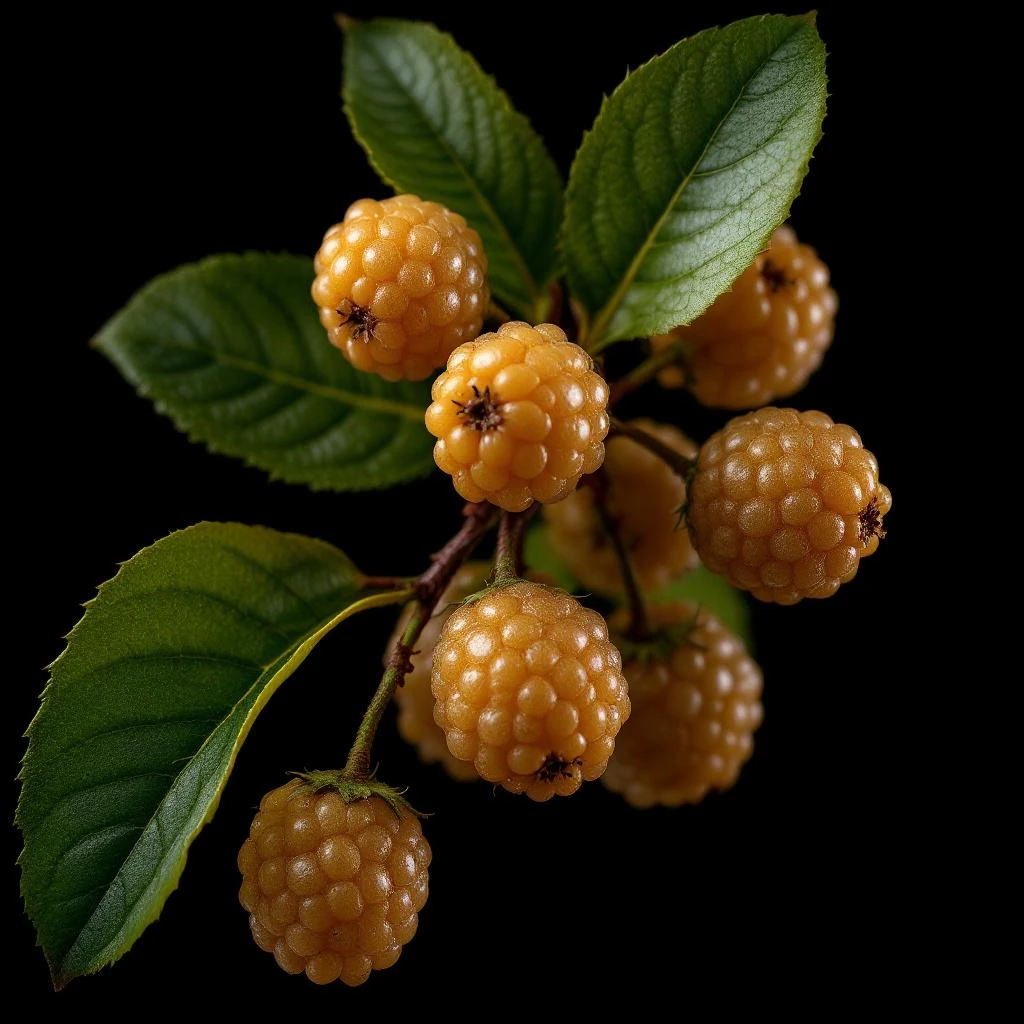
Known as May Chang, Litsea cubeba delivers a crisp, citral-driven freshness with subtle woody undertones. Native to southern China's mountain forests, this small tree's pepper-like fruits have perfumed Asia for centuries.
Character
How it smells
Citral-rich citrus brightness with Asian mountain heritage
One tree yields up to 20kg of fruit annually yet produces only 500ml of essential oil, making each drop exceptionally concentrated.









Origin
China
Litsea cubeba has grown wild across southern China for millennia, earning its common name May Chang from local communities who harvested its fruits for culinary and medicinal purposes. Ancient Chinese texts reference the plant in traditional medicine formulations, where practitioners valued its purported digestive and anti-inflammatory properties.
The Lauraceae family connection links Litsea cubeba to cinnamon and bay laurel, sharing their warm geographic origins in Asian forests. European traders encountered the oil during the 19th century and began exporting it for use in soap manufacturing and perfumery.
By the mid-20th century, Chinese essential oil exporters had developed systematic cultivation and distillation operations, positioning Litsea cubeba among the country's most traded aromatic materials. Contemporary perfumers prize it as a natural citral source that provides freshness without the sharpness of synthetic alternatives.
Wears it best
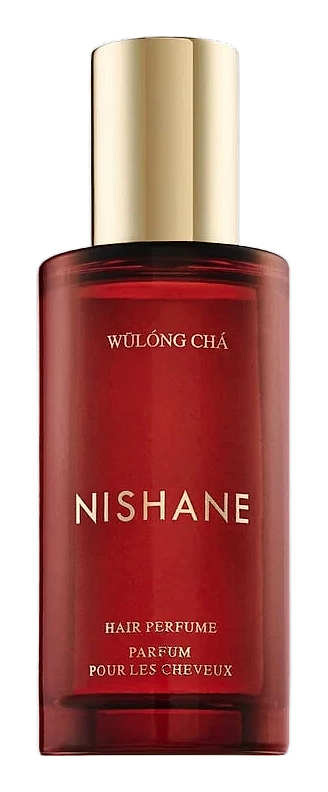
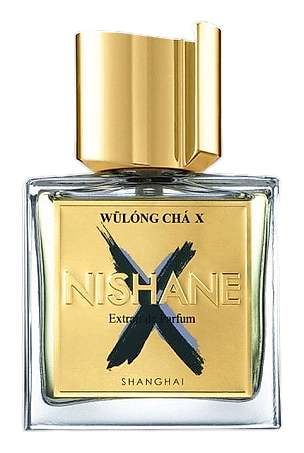
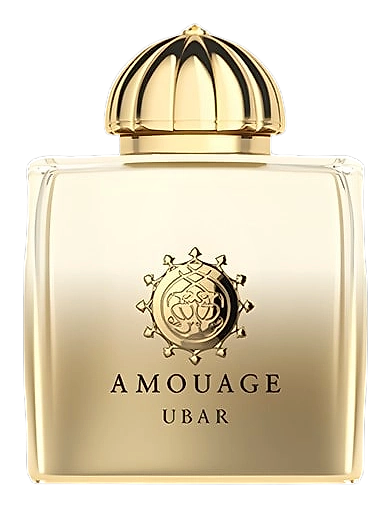
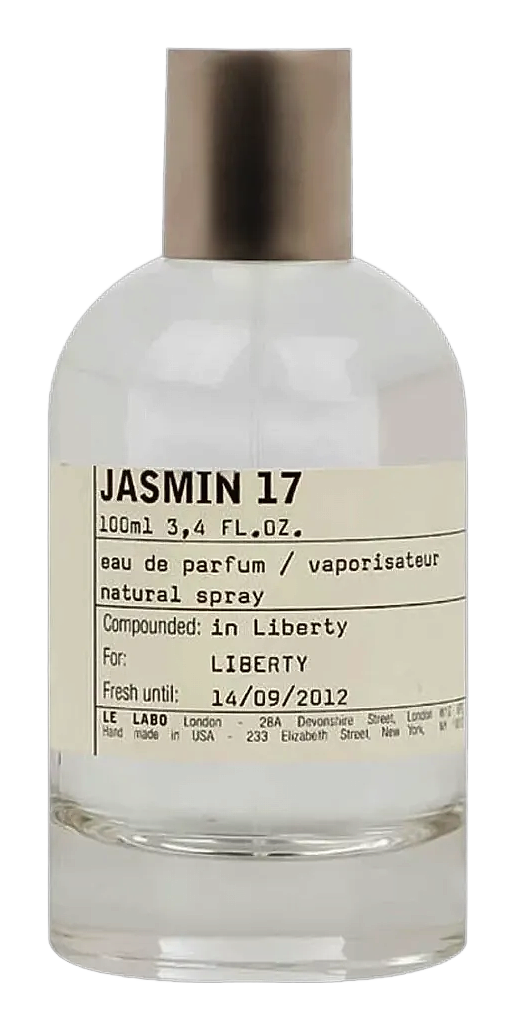
Fragrances featuring Litsea Cubeba




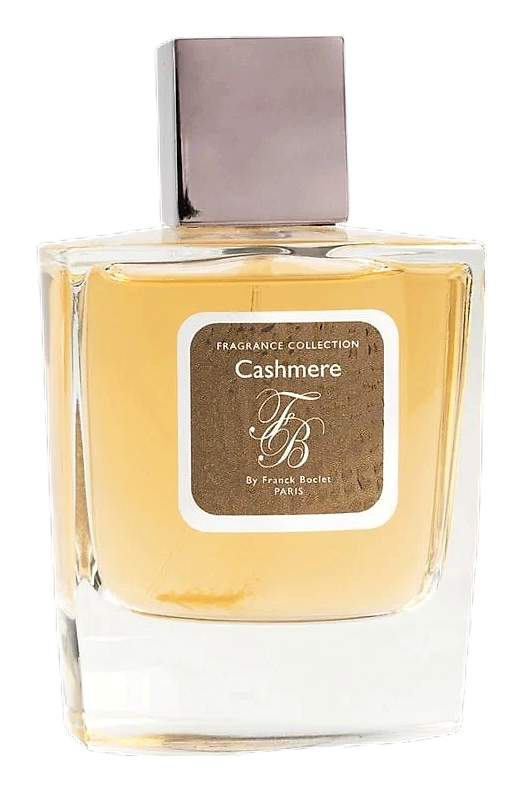
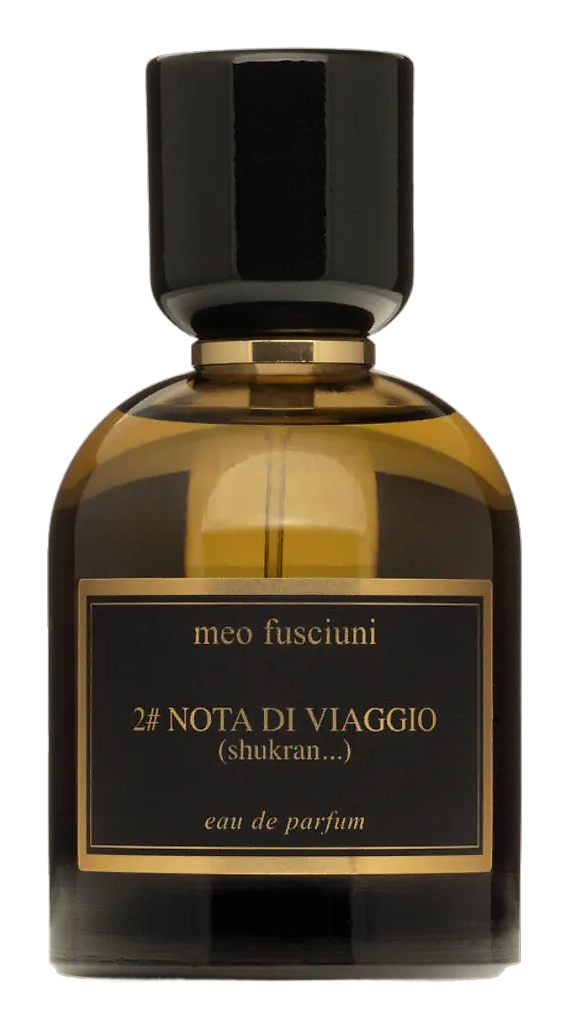
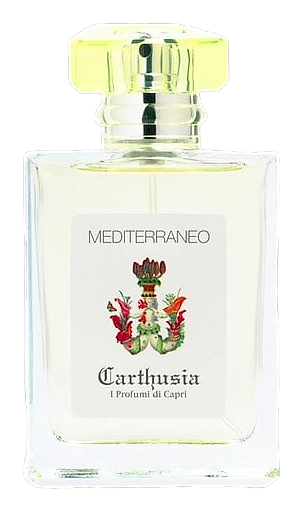
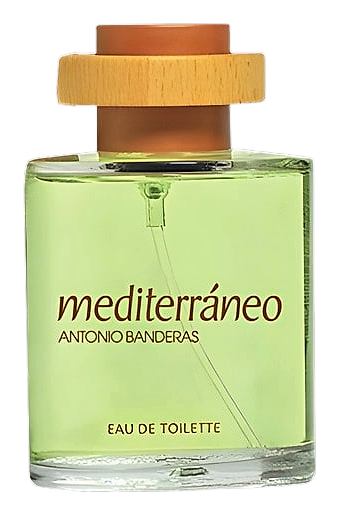
Brands
Brands known for Litsea Cubeba
Good to know
Questions, answered
The essentials on Litsea Cubeba in perfumery: how it smells, where it comes from, and how it behaves on skin.
What does Litsea cubeba smell like?
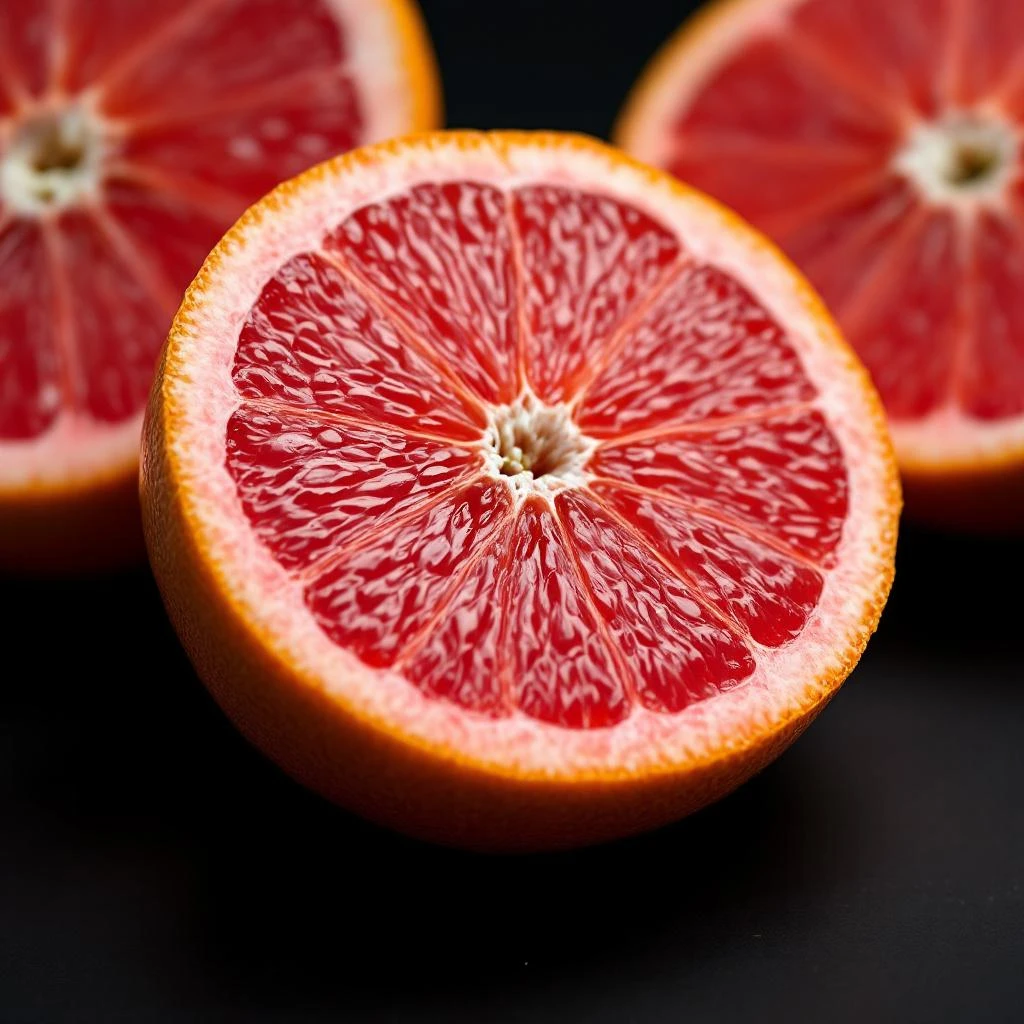
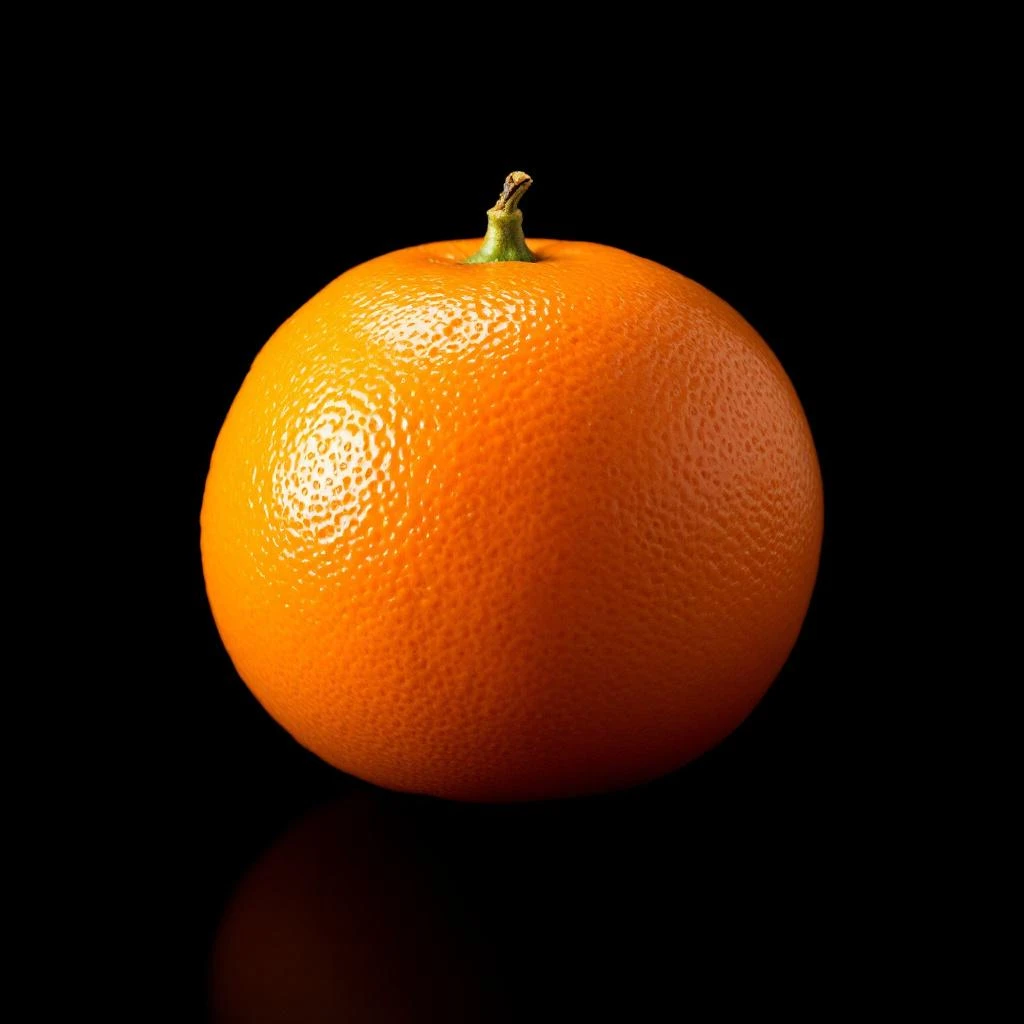
Litsea cubeba smells bright and lemony with distinct citral character, complemented by subtle woody and floral undertones. The aroma reads as fresher and more complex than straightforward lemon, with a slightly peppery quality inherited from the fruit's natural form.
Is Litsea cubeba sustainable to source?
Litsea cubeba grows relatively quickly and tolerates varied growing conditions, supporting sustainable wildcrafting in its native Asian forests. Certified organic cultivation programs in Vietnam and China now offer traceable supply chains for responsible sourcing.
How does Litsea cubeba perform in perfumery?
Litsea cubeba functions as a natural fragrance fixative while providing top-note brightness. The oil blends seamlessly with floral materials, woods, and citrus components, making it versatile across masculine, feminine, and unisex compositions.
What distinguishes Litsea cubeba from lemon essential oil?
Litsea cubeba offers a more nuanced citrus profile than standard lemon oil. While lemon oil reads as sharp and immediate, Litsea cubeba delivers citral freshness with accompanying woody, almost peppery dimensions that add complexity rather than simple acidity.
Can Litsea cubeba oil cause skin sensitivity?
High citral content means Litsea cubeba oil carries moderate skin sensitization risk. Perfumery formulations using the material at typical dilutions (under 1%) present minimal concern, though neat application should be avoided.
Why do perfumers choose natural Litsea cubeba over synthetic citral?
Natural Litsea cubeba provides citral within an aromatic matrix that synthetic versions cannot replicate. The accompanying minor constituents contribute body and depth, resulting in a more complete fragrance experience.
Where does commercial Litsea cubeba production concentrate?
Commercial production centers on Yunnan and Sichuan provinces in China, where mountainous terrain and subtropical climate create ideal growing conditions. Vietnam and Indonesia maintain smaller but consistent production volumes.
Has Litsea cubeba been used historically beyond perfumery?
Traditional Chinese medicine incorporated Litsea cubeba for digestive support and inflammatory conditions for centuries. The fruits also served as a culinary spice across Southeast Asia before essential oil distillation became standard practice.