
The Story
Why it exists.
The beginning
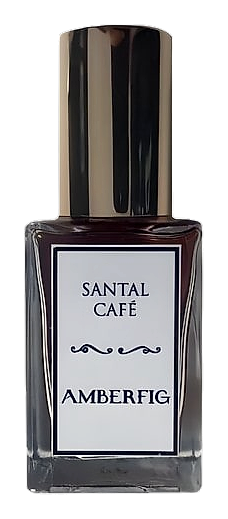
Santal Café emerged in 2020 from a question David Magalhães kept returning to: what if sandalwood and coffee sat at the same table? Not competing. Not taking turns. Together, from the start. The name gives it away, but this isn't a fragrance that smells like a café. The coffee here is roasted, almost charred, more smell than taste. The sandalwood doesn't soften it so much as sit underneath it, a warm counterweight. This is a fragrance about contrast held in place. Bitter and sweet. Smoke and cream. A niche house asking what happens when two very different materials share the same composition.
What makes Santal Café work is the structure underneath the obvious notes. Birch and oakmoss give the coffee an aromatic, almost smoky quality that keeps it from reading as purely gourmand. The leather and tobacco in the heart don't contrast with the coffee so much as deepen it. And the base, patchouli and tonka bean, does what bases do: it holds everything in place and makes sure the drydown outlasts the opening. The coffee-tobacco pairing is common enough. The coffee-to-sandalwood conversation is rarer, and it's where this fragrance earns attention.
The evolution
The opening announces itself without apology. Roasted coffee beans, birch smoke. There's an immediacy here that some people love and others need a minute with. Give it thirty minutes. The cacao and caramel arrive quietly, not replacing the coffee but settling alongside it, and suddenly the composition has dimension. The tobacco and leather add weight. This is where the fragrance shifts from interesting to wearable. The drydown is where Santal Café lives longest. Patchouli anchors everything. Sandalwood adds a creaminess that the tonka bean extends and extends. On fabric, it lingers past eight hours. On skin, the story compresses but the final chapter remains the same: warm, close, and unexpectedly soft.
Cultural impact
Santal Café occupies a specific space in niche perfumery. The coffee-tobacco pairing isn't unique, but the coffee-to-sandalwood conversation is rarer. It appeals to the wearer who wants something warm without being sweet, something dark without being aggressive. The fragrance has found its audience through online communities where it gets described as the kind of scent people talk about when they discover something unexpected.
The House
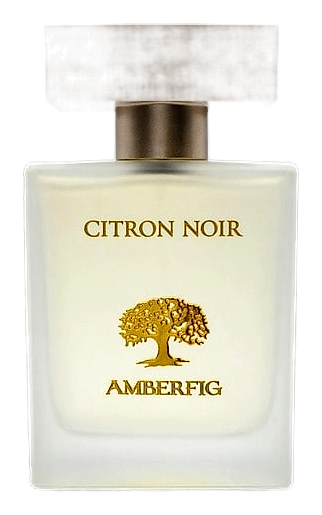
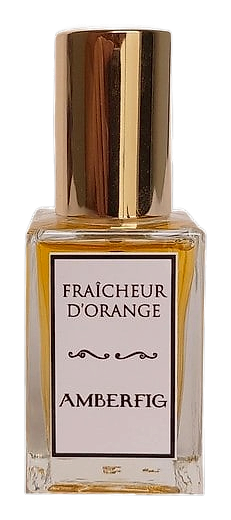
AmberfigAmberfig occupies a distinctive space in contemporary perfumery, presenting itself as a niche fragrance house with a collaborative approach to creation. The brand emerged in 2014, making it a relatively young player in a field that includes houses with centuries of history, yet it has built a catalog spanning over a decade with releases that range from 2015 through 2026. The name Amberfig itself suggests a signature aesthetic rooted in warm, resinous materials alongside green or fruity facets, though the house has demonstrated range across multiple fragrance families. According to fragrance databases, Amberfig has produced at least ten distinct releases, with perfumers credited as collaborators rather than house perfumers, suggesting a model that brings in external expertise for individual projects. The brand appears to operate without the extensive media presence of established heritage houses, instead building recognition through its olfactory offerings and community discussion. This positioning reflects a broader trend in niche perfumery where smaller, more experimental houses can reach global audiences without traditional retail infrastructure.
The Creator
David MagalhãesHis signature style leans toward rich, resinous constructions with prominent amber and fig influences, evident in creations like Amberfig. Magalhães demonstrates particular skill with warm oriental frameworks, layering creamy woods, sweet resins, and subtle spice to create fra…