Arabica Coffee
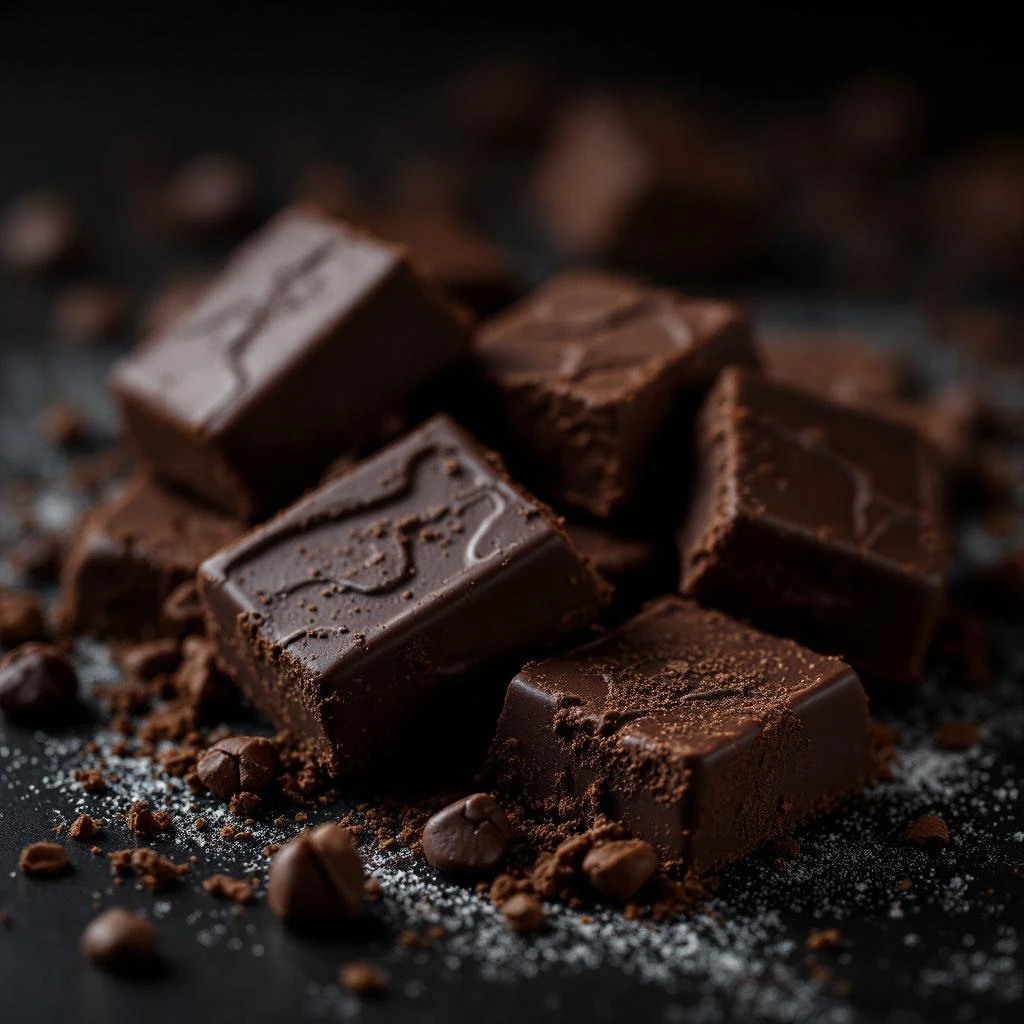
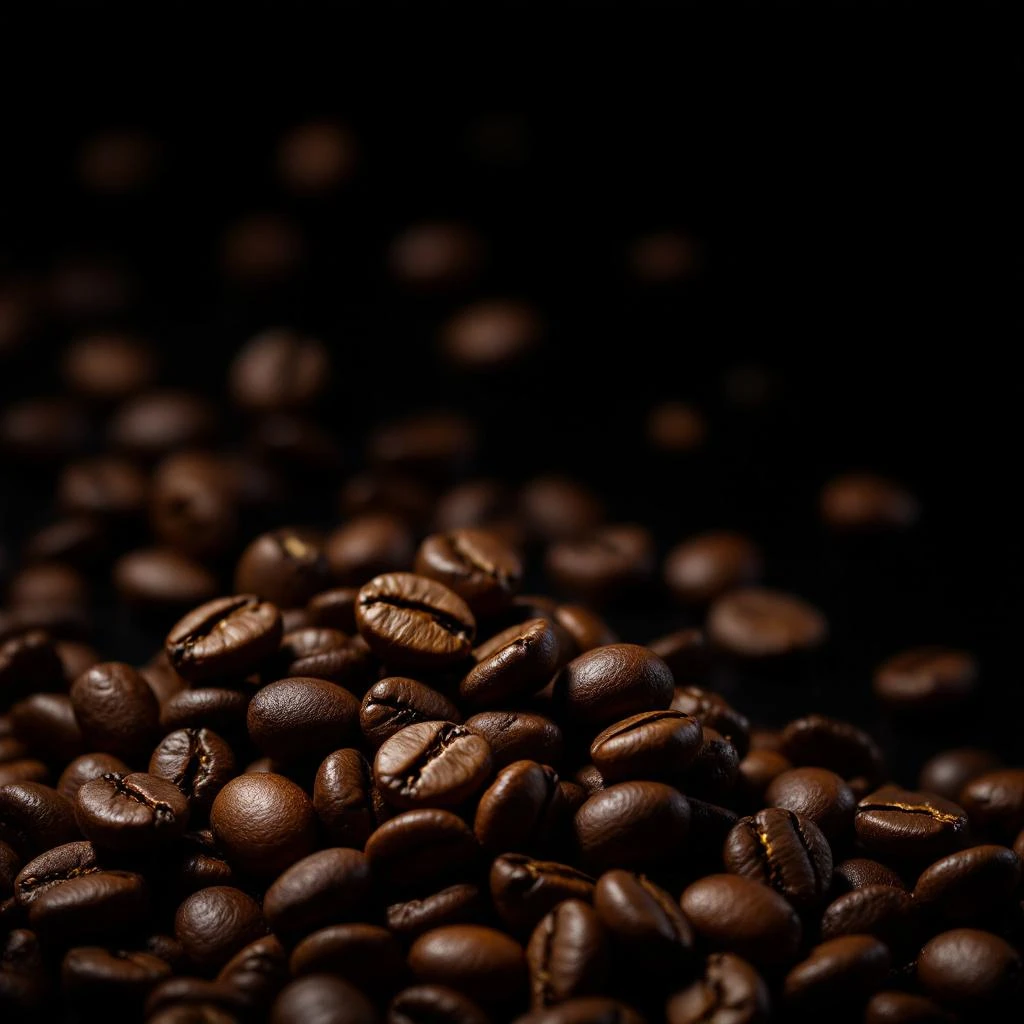
Roasted Arabica coffee brings a deep, bittersweet warmth to fragrance, evoking dark espresso, toasted nuts, and rich cocoa. Perfumery captures its gourmand depth through carefully extracted roasted bean oils.
Character
How it smells
Roasted depth, bottled.
Coffea arabica makes up roughly 60% of global coffee production and was the first coffee species ever cultivated, originating in Ethiopia's highlands.







Origin
Ethiopia
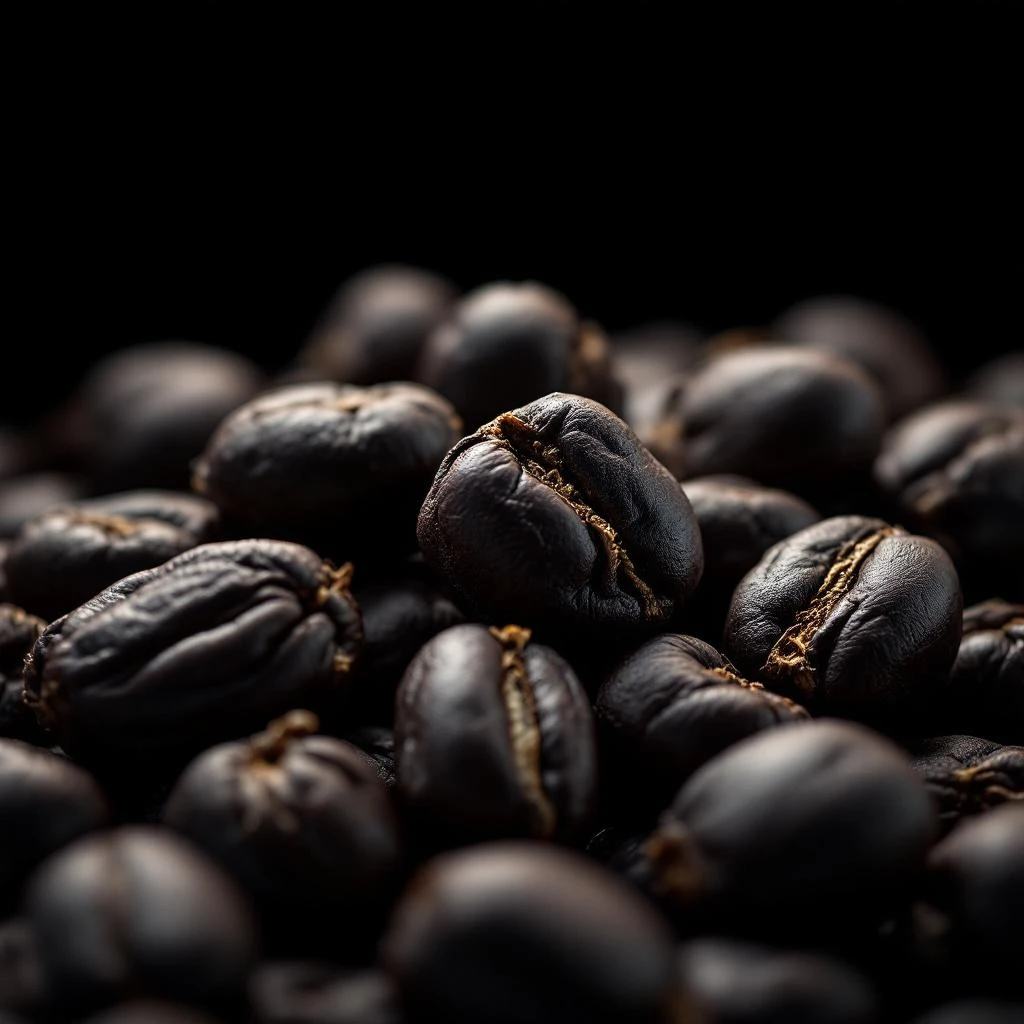
Coffea arabica traces its origins to the southwestern highlands of Ethiopia, where wild populations still grow today and hold the species' deepest genetic diversity. Legend credits a 9th-century Ethiopian goat herder named Kaldi with discovering coffee's stimulating properties after his goats ate berries from a particular tree.
By the 15th century, cultivation spread to the Arabian Peninsula, particularly Yemen, where Sufi mystics adopted the drink to sustain nighttime devotions. The port city of Mocha became central to global coffee trade, lending its name to the beverage itself.
By the late 1600s, coffee trees had left Yemen and were growing in India's Mysore region, opening routes to wider Asian cultivation. Arabica's introduction into perfumery came later, as modern extraction techniques in the 19th and 20th centuries allowed perfumers to isolate the roasted bean's complex chemistry and weave it into gourmand and oriental fragrance families.
Wears it best
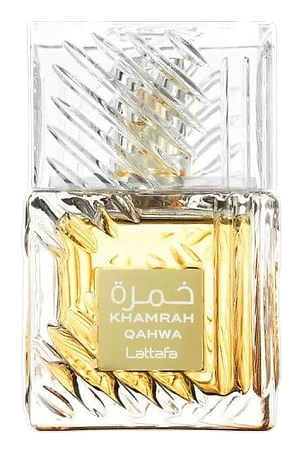
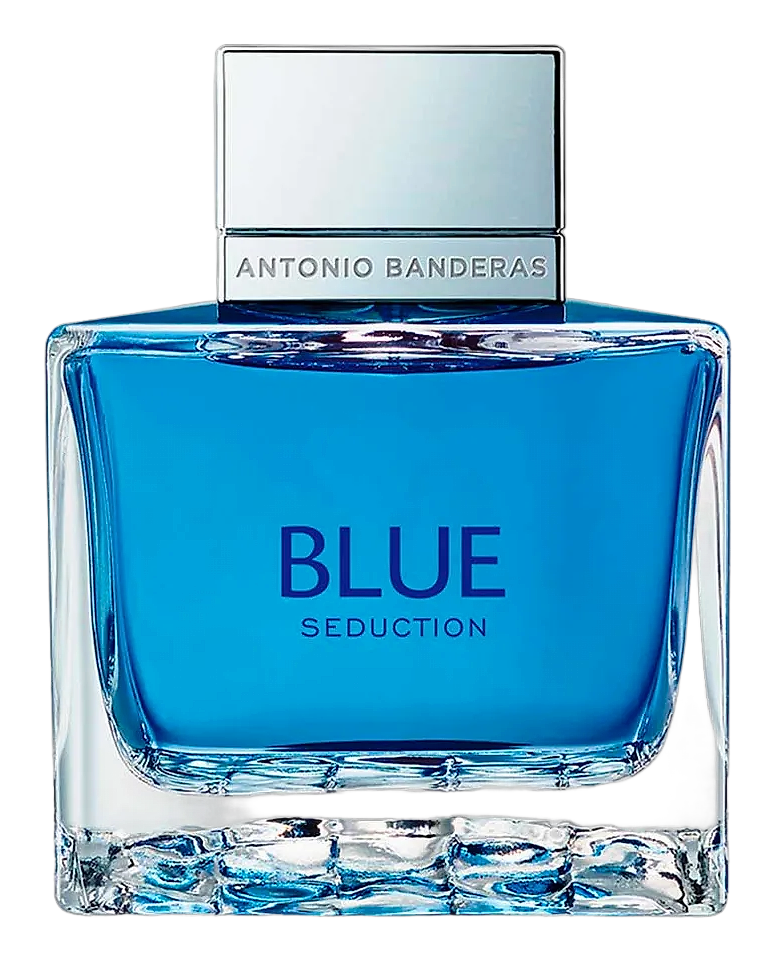
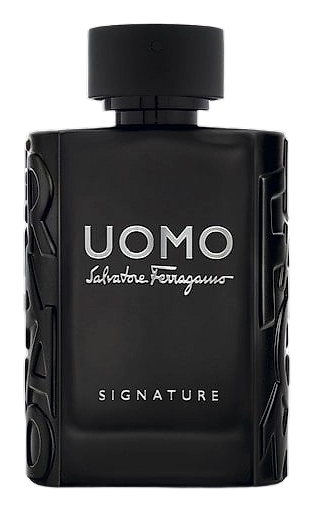
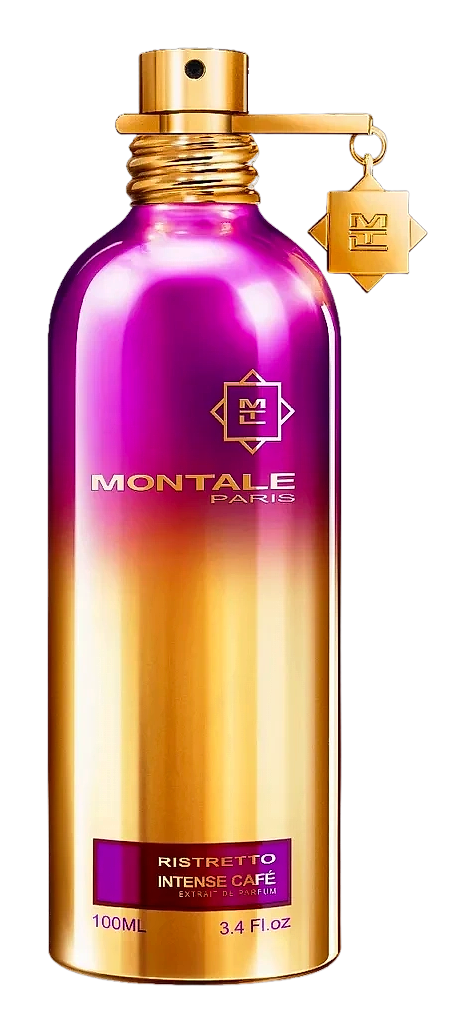
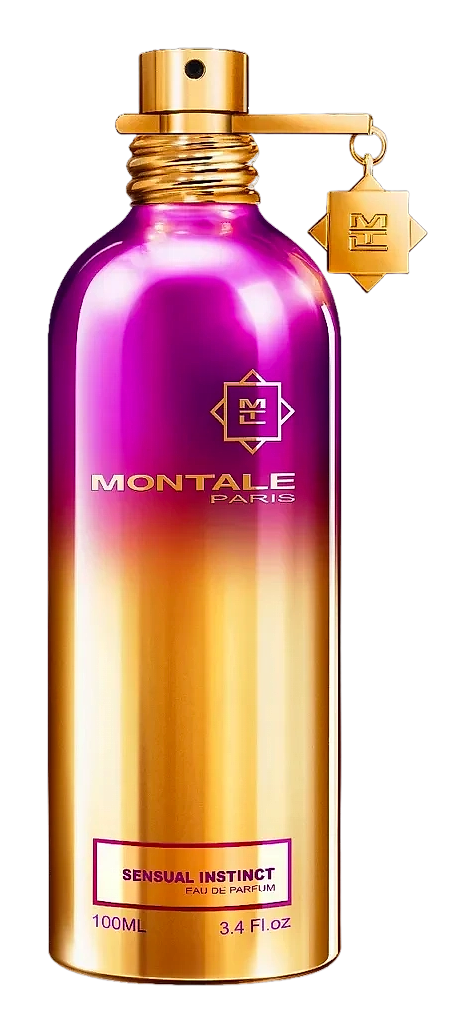
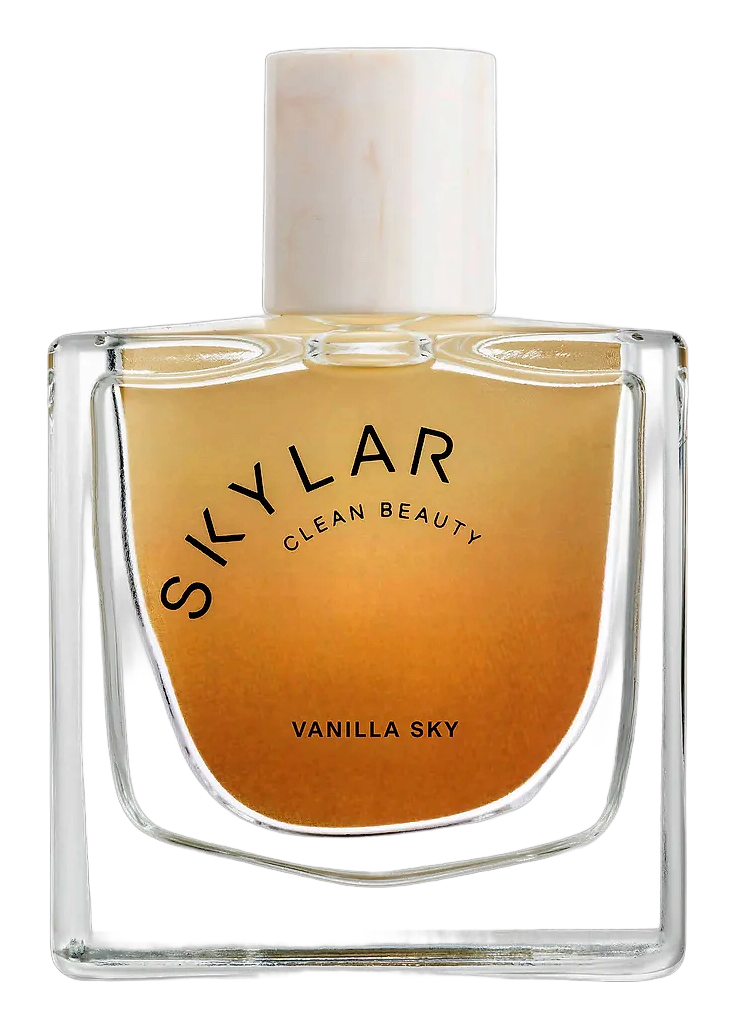
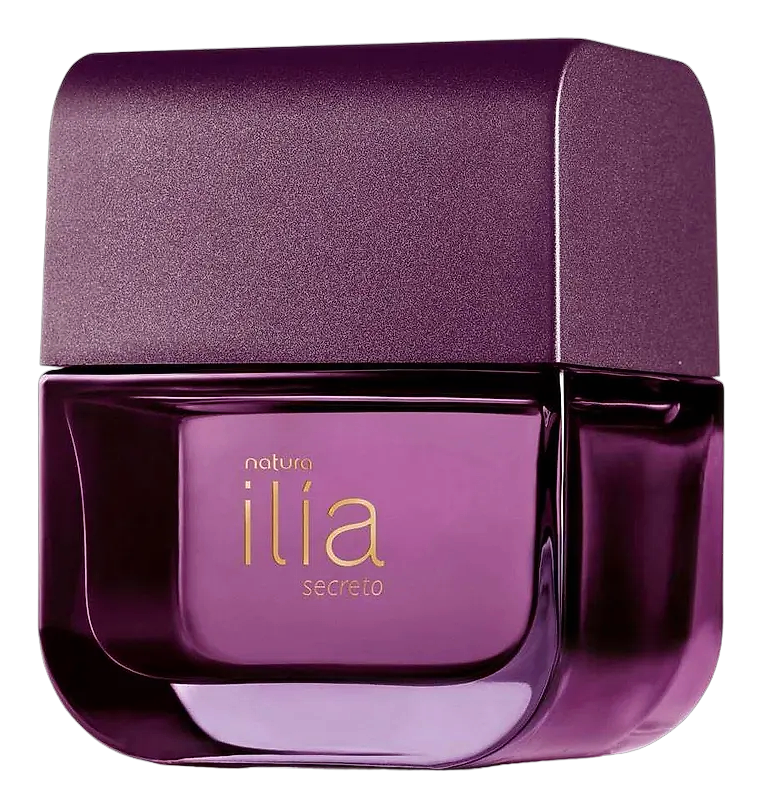
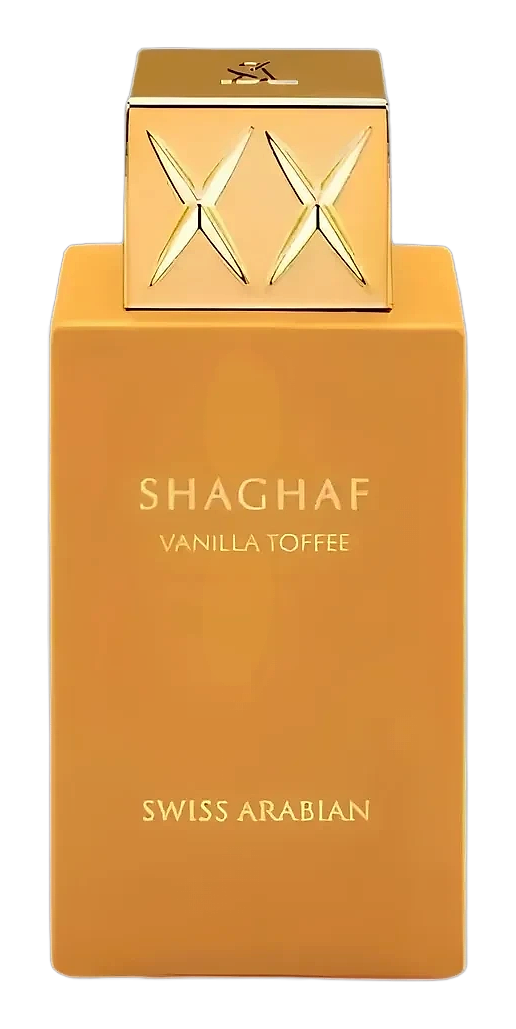
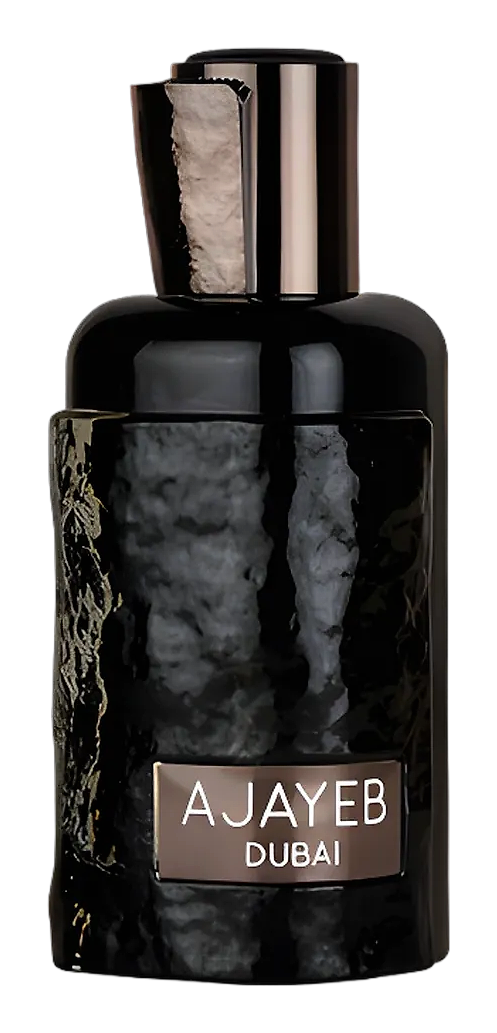
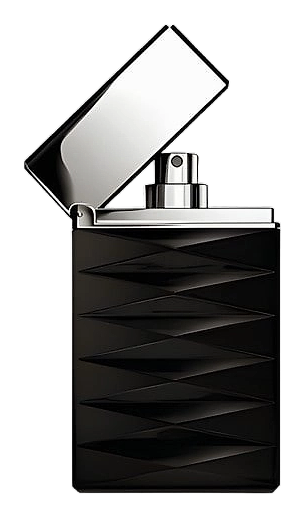
Fragrances featuring Arabica Coffee


Good to know
Questions, answered
The essentials on Arabica Coffee in perfumery: how it smells, where it comes from, and how it behaves on skin.
What does Arabica coffee smell like in perfume?
In fragrance, Arabica coffee delivers roasted, bitter-sweet richness with notes of dark espresso, toasted nuts, and cocoa. Its aromatic profile is built on pyrazines formed during roasting, giving it that distinctive dark, warming character.
Is Arabica coffee essential oil used in perfumery?
Yes, though limited. Steam-distilled coffee essential oil captures lighter volatile notes but lacks the depth of solvent extracts. Most perfumers prefer coffee absolute or CO2 extracts for richer, more complex roasted profiles.
How is coffee absolute different from coffee essential oil?
Coffee absolute is produced via solvent extraction of roasted beans, yielding a dense, dark material with full gourmand depth. Essential oil comes from steam distillation and contains fewer aromatic compounds, resulting in a lighter, less nuanced scent.
Where does Coffea arabica originate?
Coffea arabica is native to Ethiopia's southwestern highlands, where wild populations still grow. It was the first coffee species cultivated and remains the dominant cultivar, representing about 60% of global production.
What fragrances commonly feature coffee notes?
Coffee appears prominently in gourmand and oriental compositions. Iconic examples include Yves Saint Laurent's Black Opium and Mugler's Pure Coffee, both built around roasted coffee accords paired with vanilla or white florals.
Does natural coffee extract smell different from synthetic coffee notes?
Natural coffee extracts offer layered bitterness, roasted warmth, and subtle nutty undertones. Synthetic coffee accords, typically built on furfuryl mercaptan or specific pyrazines, replicate the roasted facet more cleanly but lack the complexity of real bean extraction.
Is Arabica coffee used more than Robusta in perfumery?
Arabica is generally preferred for its smoother, more aromatic profile with brighter acidity. Robusta beans contain more caffeine and harsher phenols, making them less suitable for fine fragrance extraction despite their stronger scent.
When did coffee first appear in perfumery?
Coffee entered perfumery in the late 20th century as gourmand compositions gained popularity. Early notable uses appeared in the 1990s, with mainstream adoption accelerating in the 2000s through fragrances like Thierry Mugler's Pure Coffee (2001).