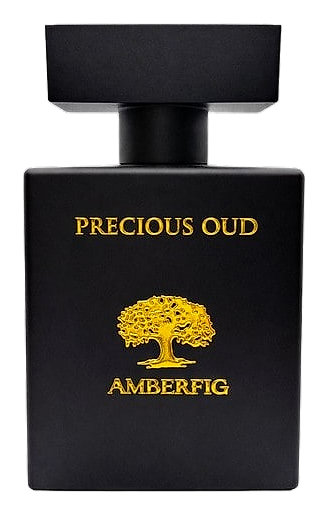

The Story
Why it exists.
The beginning
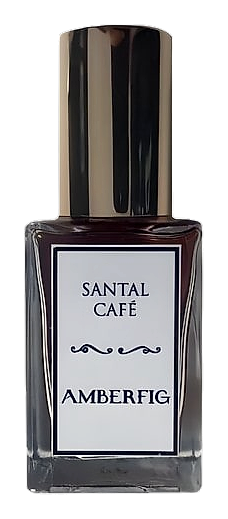
Precious Oud came from a simple question: what if the oud didn't have to prove itself? David Magalhães built the 2018 composition around that tension. Honey opens sweet, white chocolate adds an unexpected softness, and underneath, oud. Deep. Resinous. The sweetness doesn't mask the complexity. It invites you into it.
The perfumer structured the pyramid so sweetness leads without overwhelming. White chocolate and honey form the opening act, drawing you in before the heart reveals itself. Styrax and gallic rose add a balsamic, slightly powdery richness in the middle. By the time the base arrives, cacao, patchouli, amber, tonka bean, the composition has already earned your attention. The warmth lingers for hours.
The evolution
The opening hits immediately. Oud asserts itself first, but honey and white chocolate soften the edges within minutes. The combination feels rich, sweet, and dark all at once. Around 30 minutes in, the rose and styrax emerge. The styrax adds a balsamic, slightly animalic quality that keeps the sweetness grounded. Not powdery. Not floral. Resinous and warm. The drydown is where the tonka bean takes over. The chocolate note deepens, the honey stays consistent, and patchouli and amber form a warm, creamy base that lingers for hours. On fabric the next day: a faint sweetness, honey-forward, that whispers rather than shouts.
Cultural impact
Precious Oud arrived in 2018 as part of the niche fragrance movement that brought artisanal perfumery to a wider audience. The combination of agarwood with edible notes like white chocolate and honey represented a shift away from traditional oud presentations, which often relied on animalic, smoky, or medicinal interpretations. By softening the oud genre with dessert-like sweetness, Amberfig made this precious ingredient more accessible to fragrance wearers who might otherwise shy away from its intensity. The fragrance's success contributed to a broader industry trend of approachable luxury scents that blend high-end materials with mainstream appeal.
The House
AmberfigAmberfig occupies a distinctive space in contemporary perfumery, presenting itself as a niche fragrance house with a collaborative approach to creation. The brand emerged in 2014, making it a relatively young player in a field that includes houses with centuries of history, yet it has built a catalog spanning over a decade with releases that range from 2015 through 2026. The name Amberfig itself suggests a signature aesthetic rooted in warm, resinous materials alongside green or fruity facets, though the house has demonstrated range across multiple fragrance families. According to fragrance databases, Amberfig has produced at least ten distinct releases, with perfumers credited as collaborators rather than house perfumers, suggesting a model that brings in external expertise for individual projects. The brand appears to operate without the extensive media presence of established heritage houses, instead building recognition through its olfactory offerings and community discussion. This positioning reflects a broader trend in niche perfumery where smaller, more experimental houses can reach global audiences without traditional retail infrastructure.
The Creator
David MagalhãesHis signature style leans toward rich, resinous constructions with prominent amber and fig influences, evident in creations like Amberfig. Magalhães demonstrates particular skill with warm oriental frameworks, layering creamy woods, sweet resins, and subtle spice to create fra…