The Story
Why it exists.
The beginning
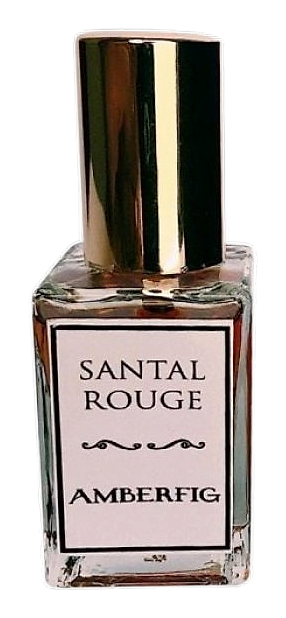
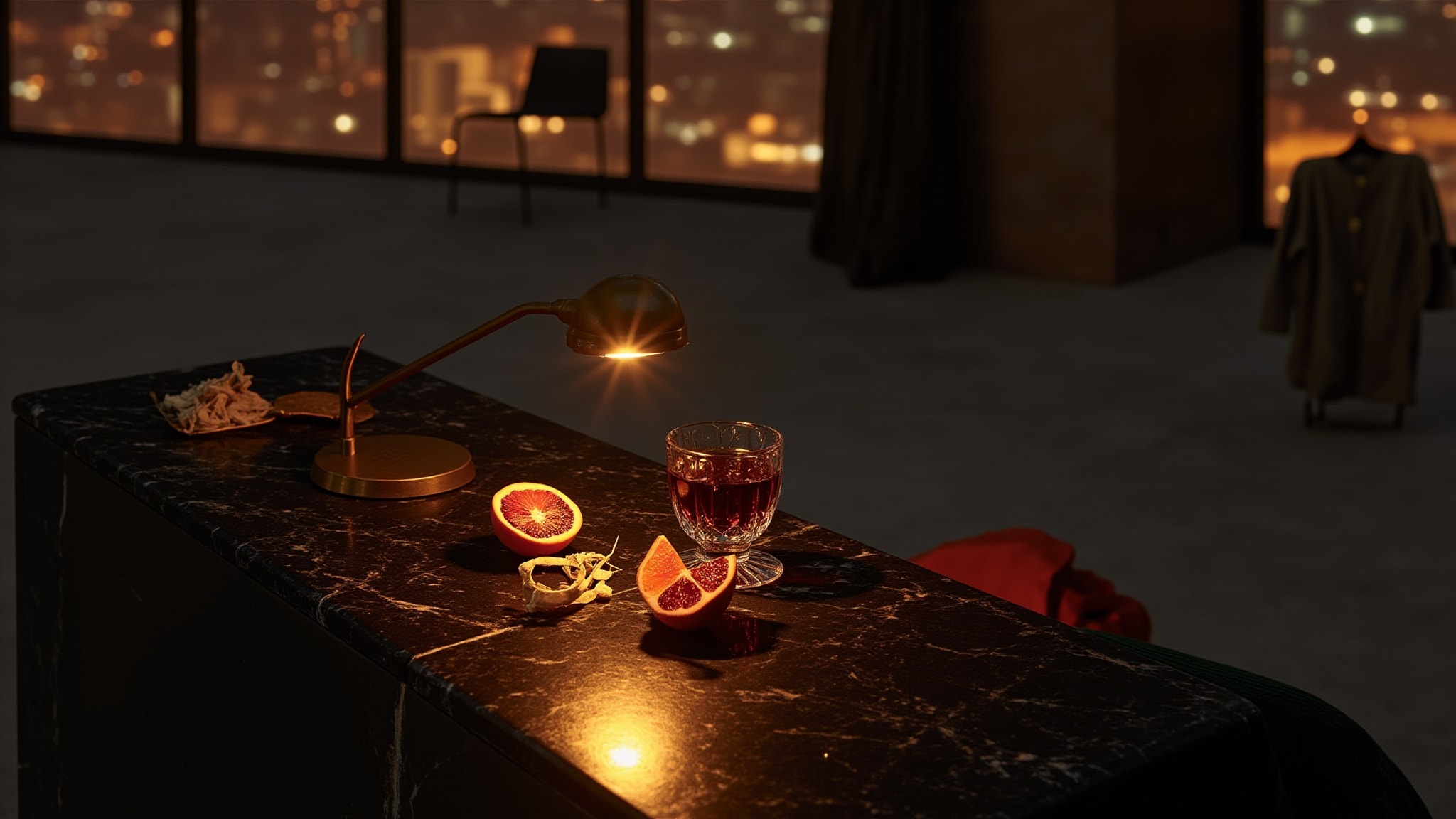
Santal Rouge arrived in 2018 from Amberfig. The name itself telegraphs the intention: a sandalwood composition, tilted toward red rather than pale, weighted with fruit and spice to give the creamy wood somewhere to push against. It is not a study of Mysore minimalism. It is a sandalwood that has been drinking, one that arrives already steeped in something darker and sweeter than the pale woods usually allow. The opening runs hot, with red wine and blood orange pushing forward in the first few minutes, before the florals settle in and start softening the edges. Geranium arrives with a green, slightly sharp quality that keeps the fruit from tipping into jam territory, and rose trails just behind, adding a velvety sweetness that rounds the composition without flattening it.
What makes this composition worth a second look is the structural gamble of letting fruit lead. Red wine and blood orange stake out the first five minutes, assertive and almost gourmand, before the geranium and rose arrive to civilize things. The geranium cuts through with a clean, slightly bitter greenness that keeps the wine from collapsing into syrup, and the rose adds a soft, almost powdered sweetness that bridges the opening and the heart.
The evolution
The first ten minutes belong to the wine. Blood orange and grapefruit give it a tart edge, pear adds a rounded sweetness underneath, and the red wine note sits somewhere between grape must and a glass that's been breathing on the table. It's loud for a niche composition, almost boozy, the kind of opening that fills a doorway. Then the florals show up. Bourbon geranium brings a green, almost herbal sharpness that cuts the sweetness cleanly. Gallic rose absolute deepens it, pulling the composition away from fruit cocktail and toward something darker. Honey sneaks in around minute twenty, sticky enough to bridge the gap to the base. The sandalwood doesn't crash in. It accumulates. Across the first hour, African and Mysore sandalwoods, amyris, and amber stack up until the drydown becomes a dense, warm wood platform with cedar and oakmoss holding it steady. By hour three, the wine and florals are memory. What's left is the wood and a quiet hum of honey-smooth resin that still reads on a sweater the next morning.
Cultural impact
Santal Rouge rewards patience, both in the wearing and in the reading of its labels. The fragrance asks the wearer to wait through a boozy, fruit-forward opening before the woods start to settle in, and the slow reveal is part of what makes it worth the attention. On skin, the first hour reads almost like a different fragrance than what arrives at hour four, with the wine and blood orange eventually ceding ground to the geranium, the rose, and the trio of sandalwoods underneath. The oud weaves through as a quiet thread rather than a statement, adding depth without pushing the composition into smoky territory.