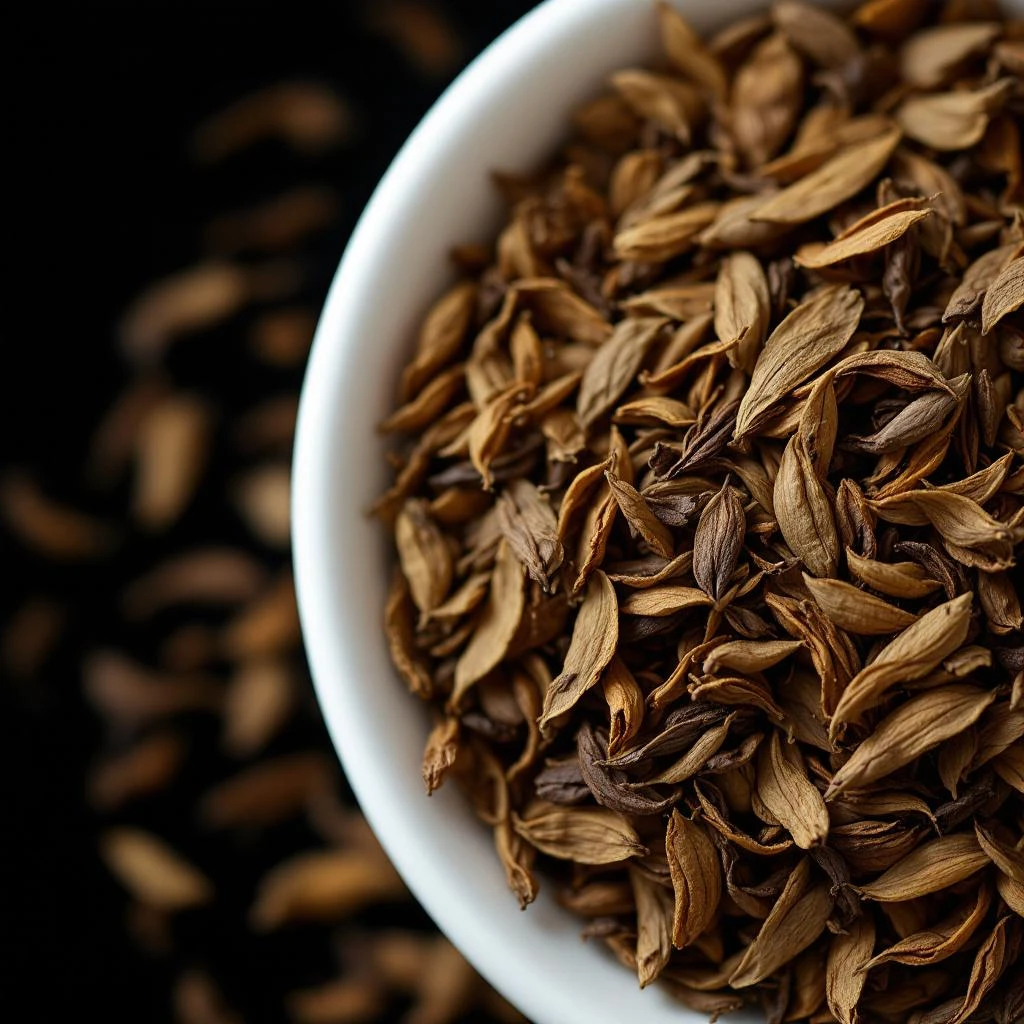
Green Nard
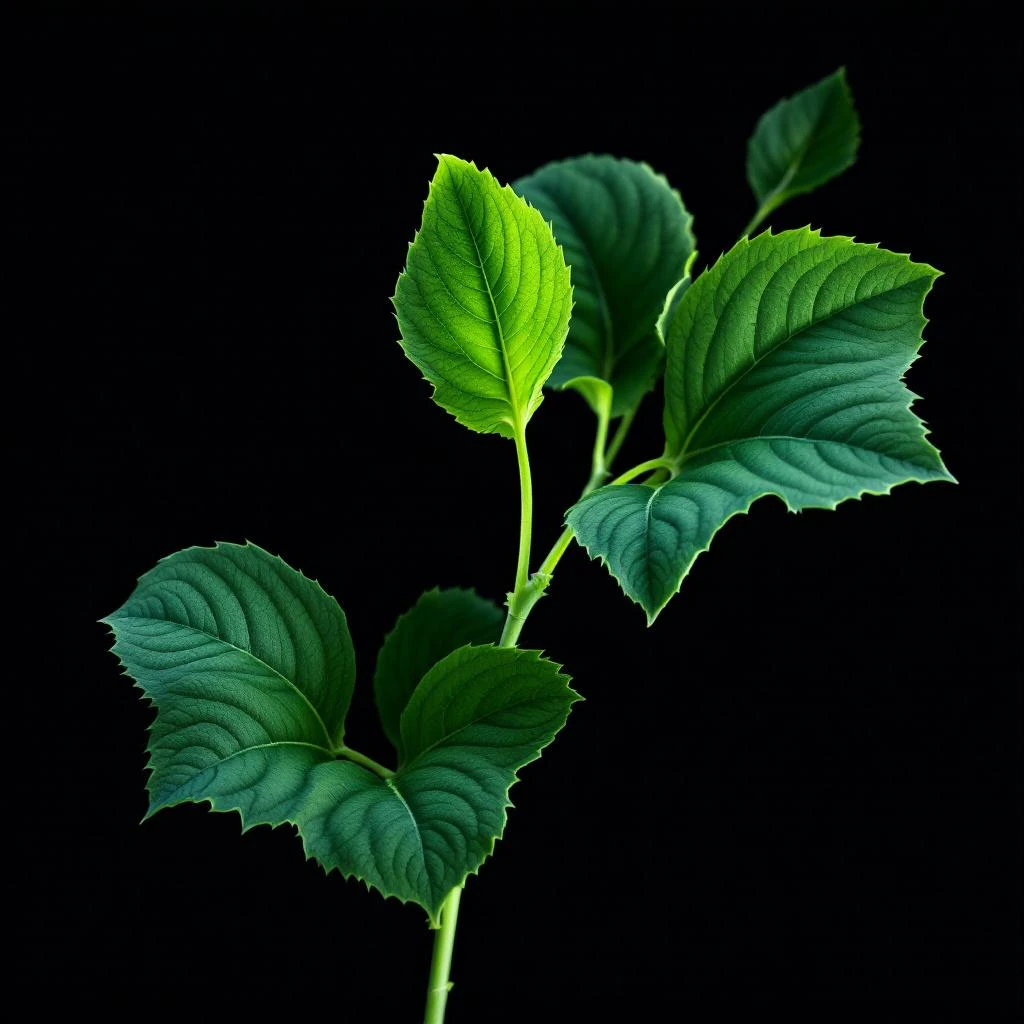
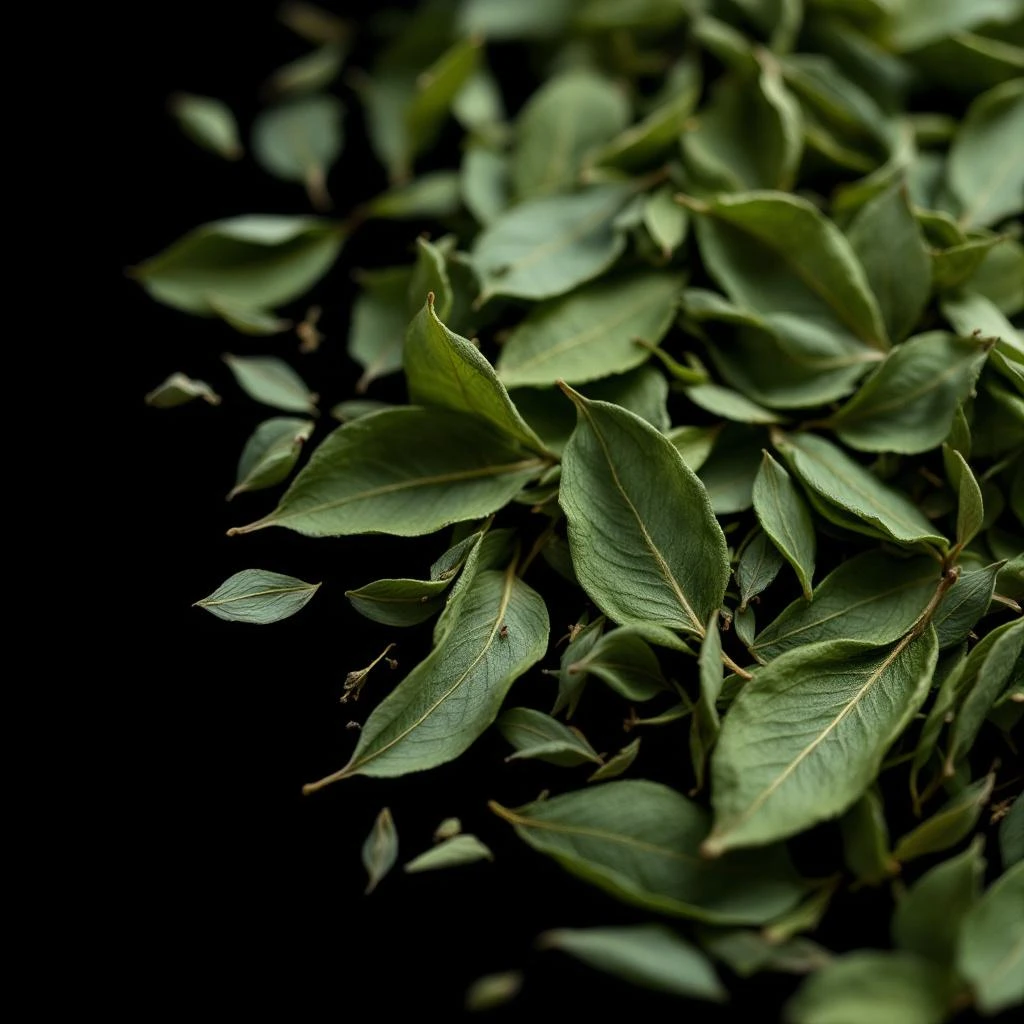
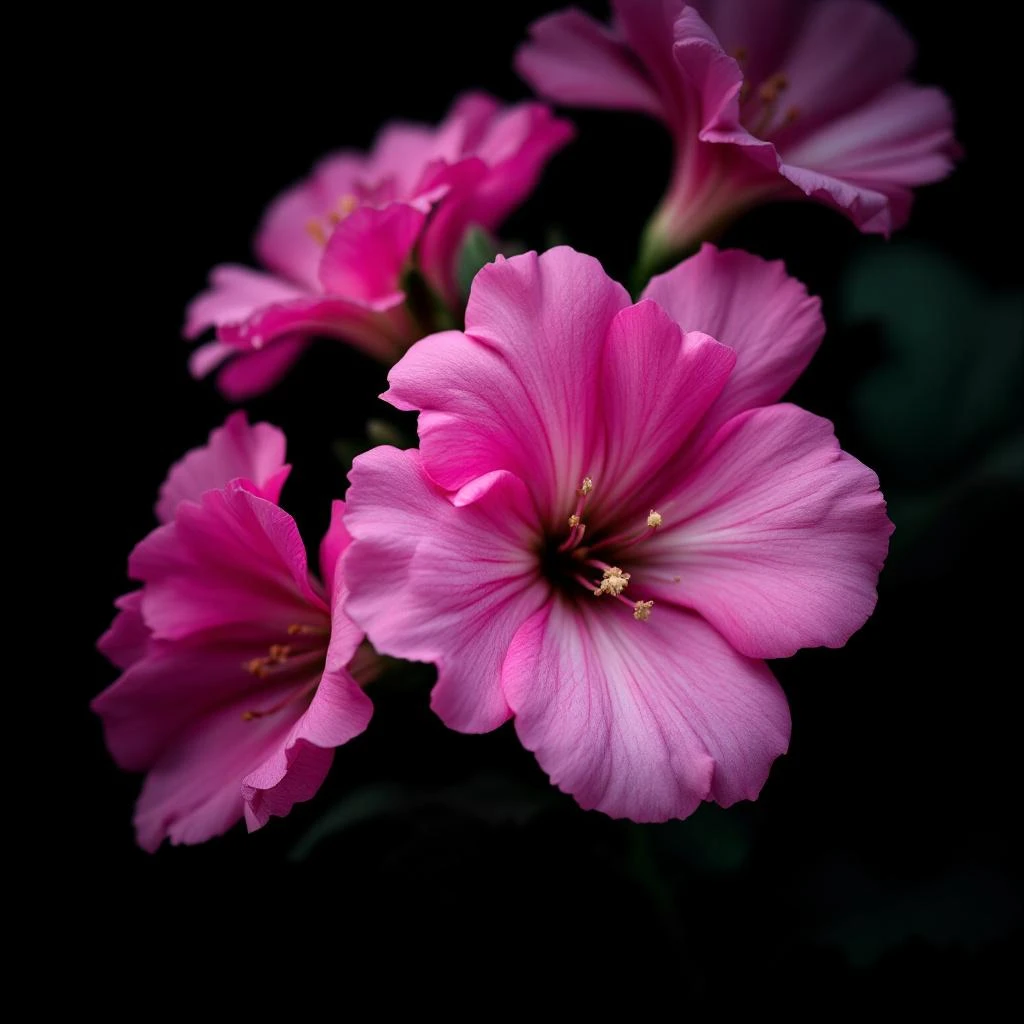
Green Nard, derived from the Himalayan spikenard plant, produces a deeply aromatic oil with earthy, woody, and slightly green facets. This ancient ingredient carries centuries of sacred and perfumery tradition in its roots.

Character
How it smells
The sacred root of Himalayan high places.
Ancient Egyptians imported spikenard from India as a luxury import, considering it worthy of pharaohs and temple ceremonies.


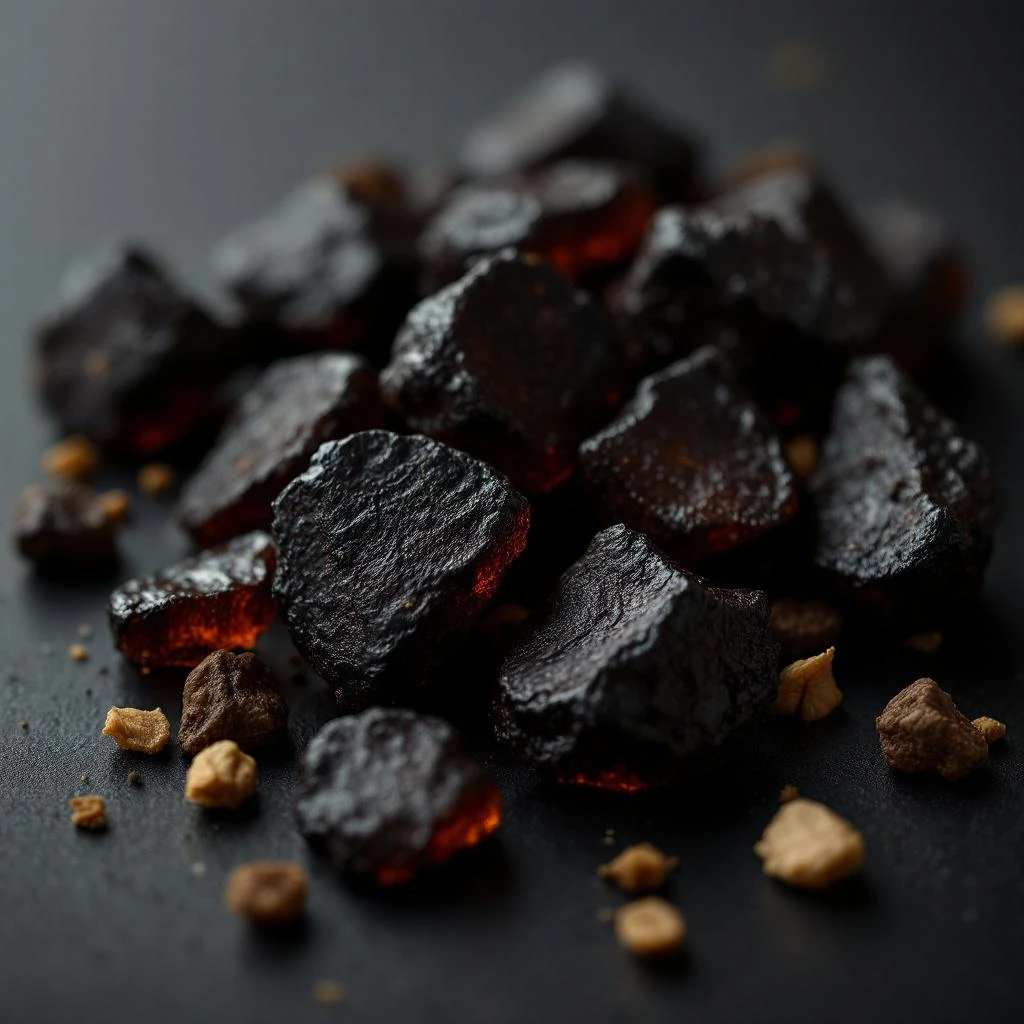

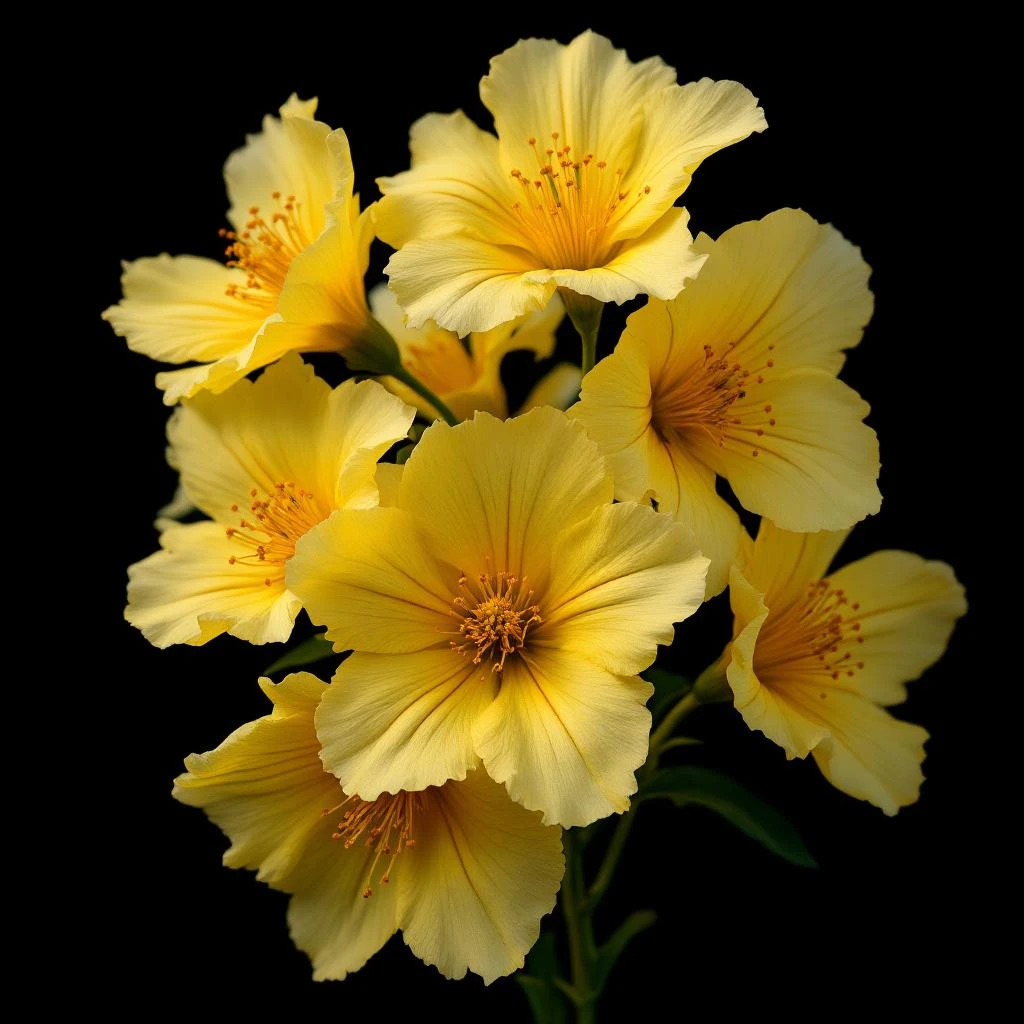


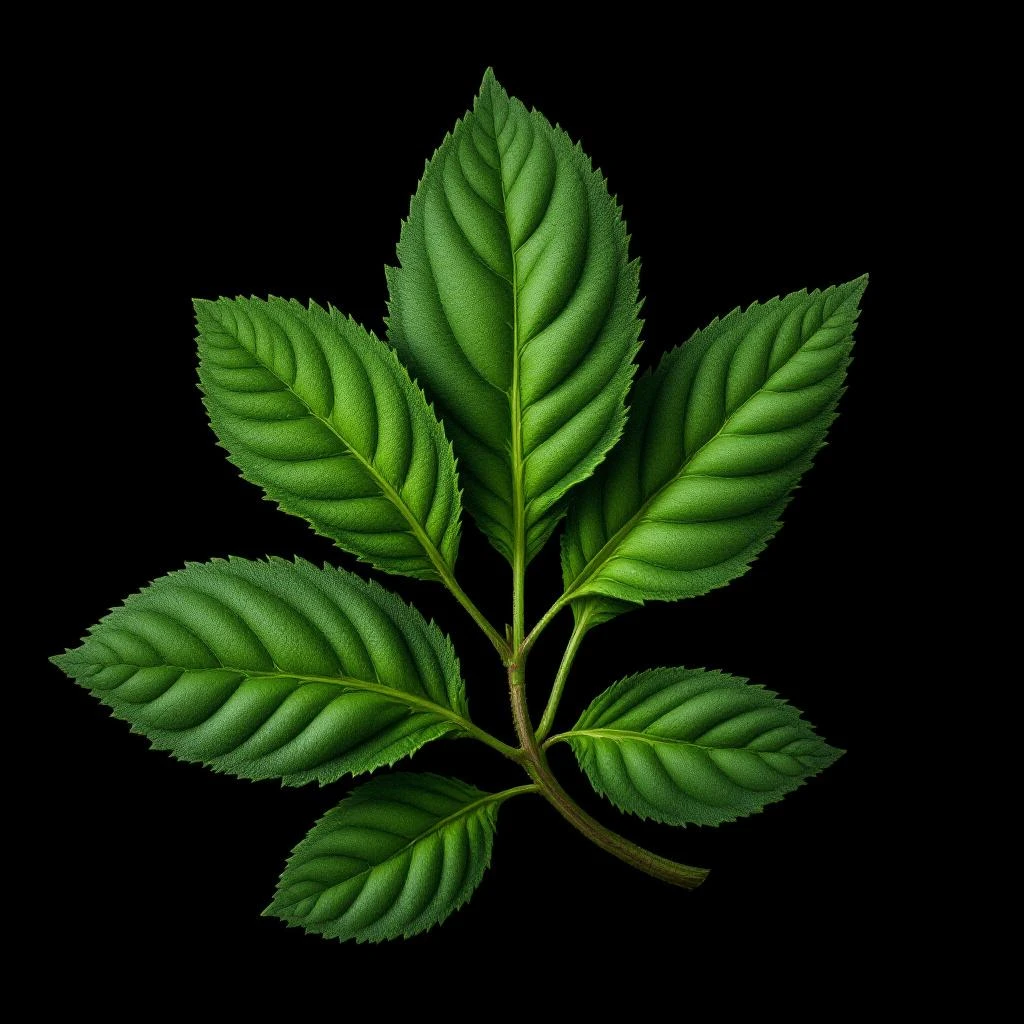
Origin
Nepal
Spikenard holds one of the longest documented histories among fragrance materials. Ancient Sanskrit texts describe its use in Ayurveda and sacred ceremonies dating back over two millennia. The name itself carries geographic heritage, originating from 'Narda,' an ancient Syrian city along historic trade routes.
Egyptian tomb paintings depict spikenard alongside myrrh and frankincense, confirming its status as a luxury import from the East. The Hebrew Bible mentions it among precious gifts, most notably Mary Magdalene's anointing of Jesus with spikenard ointment worth considerable value. Roman elites used it in perfumed oils and unguents, while Greek physicians including Dioscorides documented its medicinal applications.
The ingredient nearly disappeared from Western perfumery during the medieval period but experienced revival through Ayurvedic traditions preserved in the Himalayan region, where it remains culturally significant today.
Wears it best
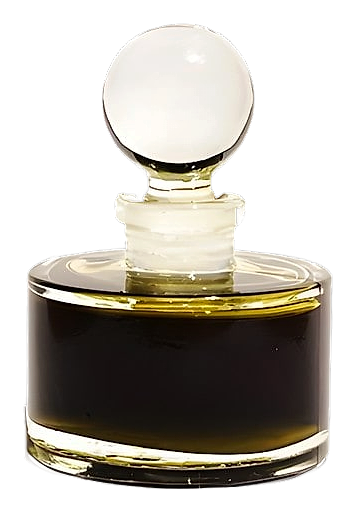
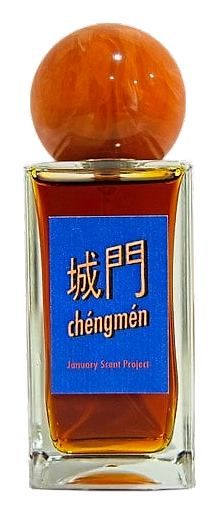
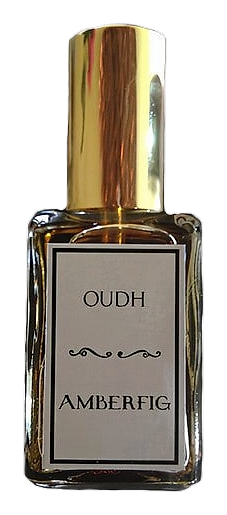
Fragrances featuring Green Nard
Brands
Brands known for Green Nard
Good to know
Questions, answered
The essentials on Green Nard in perfumery: how it smells, where it comes from, and how it behaves on skin.
What does Green Nard smell like?
Green Nard offers an earthy, woody scent with musky undertones and subtle green, slightly herbal facets. It provides depth and grounding qualities prized in oriental and chypre compositions.
Is Green Nard the same as regular spikenard?
Green Nard refers to spikenard oil with greener, more herbal olfactory qualities. The color and scent intensity vary based on harvest location, plant age, and distillation parameters.
Why is Green Nard considered rare in perfumery?
Green Nard grows only at high Himalayan altitudes between 3,000 and 5,000 meters. Hand-harvesting from陡峭terrain and the three-year minimum cultivation period limit global supply.
Can Green Nard be synthesized?
Certain molecular components of spikenard, including jatamanshi and valerianol, can be created synthetically. However, natural Green Nard provides a complex aromatic profile that synthetic versions have not fully replicated.
What fragrance families use Green Nard?
Perfumers employ Green Nard primarily in oriental, chypre, and woody compositions. It serves as a base note providing depth, animalic warmth, and olfactory stability to fragrance structures.
Does Green Nard have traditional uses beyond perfumery?
Ayurvedic medicine has utilized spikenard for over 2,000 years, traditionally for nervous system support and ceremonial purposes. These applications remain current in complementary wellness practices.
How should Green Nard oil be stored?
Store Green Nard oil in dark glass containers away from heat and light. Proper storage maintains aromatic quality for several years, as the oil contains natural antioxidants providing reasonable stability.
What sustainability concerns exist around Green Nard?
Overharvesting in Nepal and India has led to Nardostachys jatamansi receiving protected status in several regions. Sustainable cultivation programs now operate to ensure long-term availability while supporting local harvest communities.