
The Story
Why it exists.
The beginning
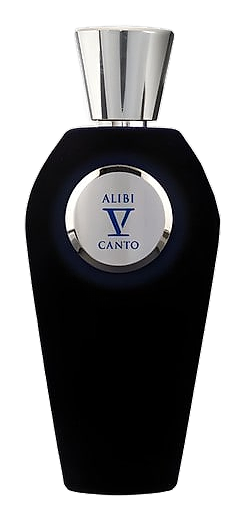
The name is the concept. An alibi is a constructed defense, a second story told so convincingly it becomes indistinguishable from the truth. V Canto builds its collection around that idea, the tension between what we claim and what we hide. Alibi, released in 2015, exists in that territory, the space between accusation and answer. The fragrance opens with bright citrus, a sharp attention-grabber, before darker elements arrive to complicate things. There's salt in the opening, coastal and mineral, cutting through the brightness with something almost austere. Mandarin orange adds brief juiciness before cypress introduces an herbal, resinous edge that sharpens everything. As the top notes recede, smoky and leathery elements take over, creating a brooding presence that doesn't resolve neatly.
What makes this composition unusual is its structural argument: the opening refuses to prepare you for what's coming. Salt and citrus arrive clean, almost innocent, bergamot and mandarin orange over a mineral, sea-breeze base. Then the peat arrives without apology. Vetiver doesn't soften it; cedar and elemi give it architecture. The composition refuses the expected arc of polite development. Instead, it makes you recalibrate mid-wear. That's the alibi working. The top notes were your story. The base notes are what actually happened.
The evolution
The opening hits immediately: citrus-bright, sharp, with salt lifting the bergamot into something coastal rather than sweet. Mandarin orange adds a brief juiciness before cypress introduces an herbal, almost resinous edge that sharpens everything. You have maybe twenty minutes of this. Then the hand-off. Peat takes over in the heart, and it doesn't whisper. Vetiver amplifies its earthiness, cedar gives it structure, elemi adds a faint balsam. The composition stops being polite. What arrives on skin is closer to a campfire than a perfume, smoky, mineral, brooding. As it moves toward the base, leather emerges as the dominant force. Benzoin sweetens it without softening it. Patchouli adds depth, and cashmere wood brings a creamy warmth that keeps everything intimate rather than projecting. The drydown is what stays.
Cultural impact
Alibi has found its audience among those who seek a fragrance that announces presence without announcing itself. The 2015 release sits in a lineage of vetiver-forward, smoky compositions, fragrances that explore what leather and earth can become in a modern context. The peat-leather-vetiver triad doesn't apologize for its darkness, and the citrus-salt opening doesn't pretend it isn't coming. Alibi works best for those drawn to complexity, to scents that reward patience and close attention. The fragrance asks something of its wearer, demands engagement rather than passive appreciation. It's not for everyone, and that's precisely the point.