Spruce
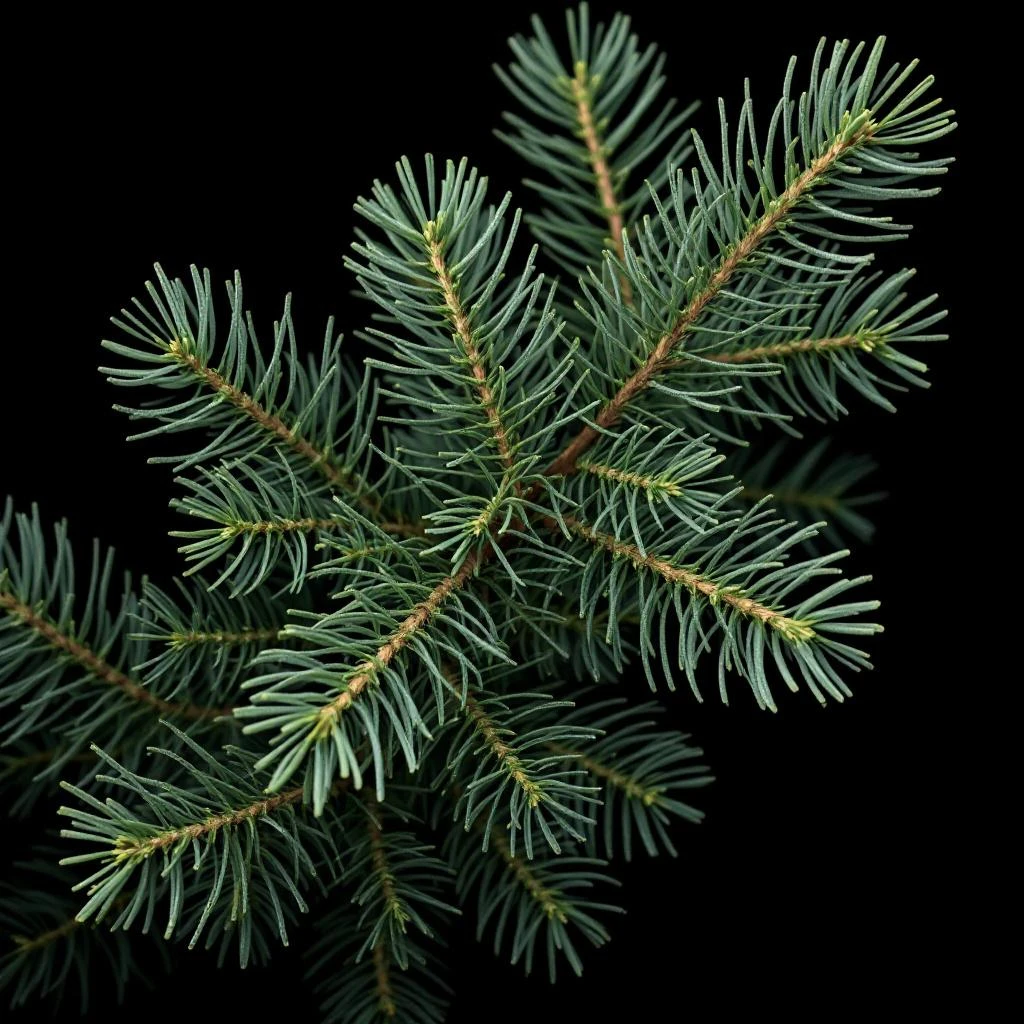
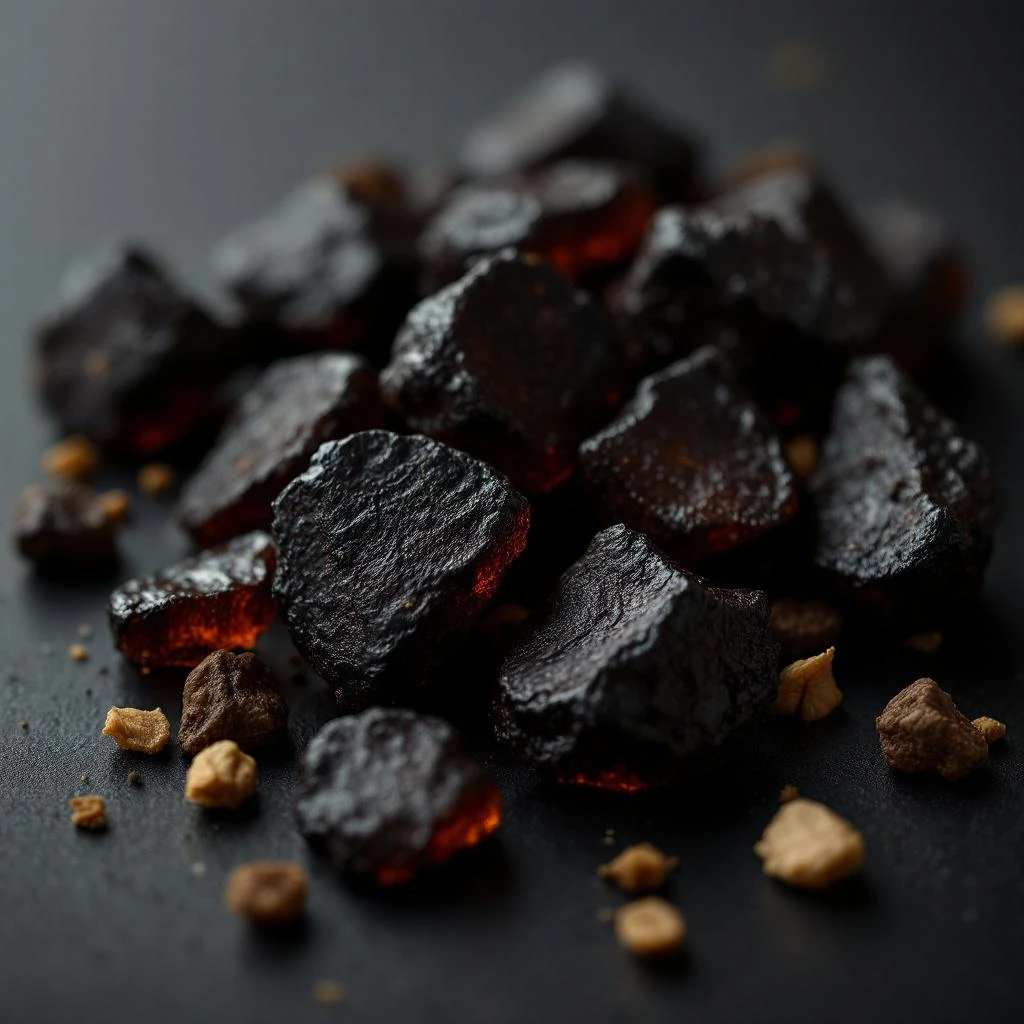
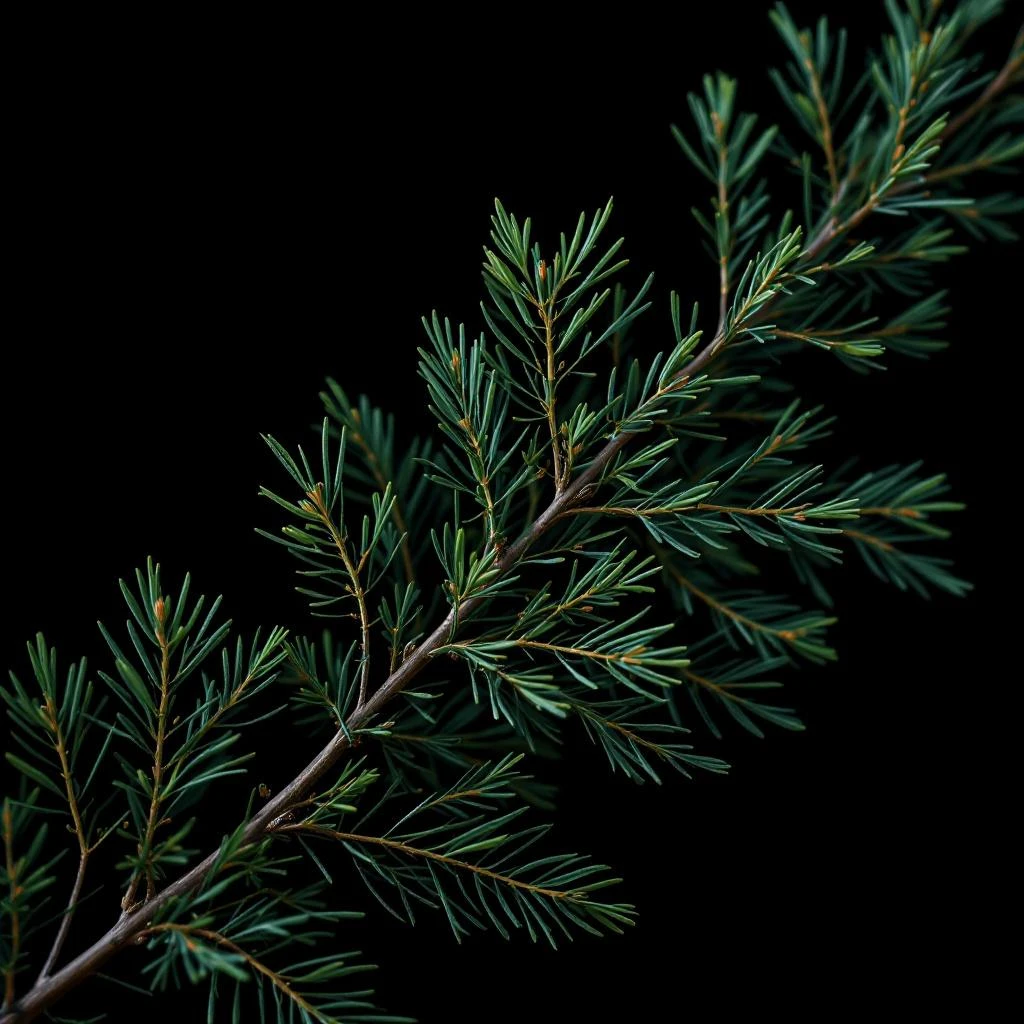
Spruce delivers the crisp clarity of a northern forest in winter. Its essential oil captures the sharp, balsamic freshness of evergreen needles, bringing an aromatic intensity that anchors fragrance compositions with unmistakable natural authenticity.
Character
How it smells
The aromatic soul of the northern forest.
Spruce trees can live for 200-500 years, and their essential oil was used by indigenous peoples of North America for respiratory and ceremonial purposes long before perfumery adopted conifer notes in the 20th century.




Origin
Canada
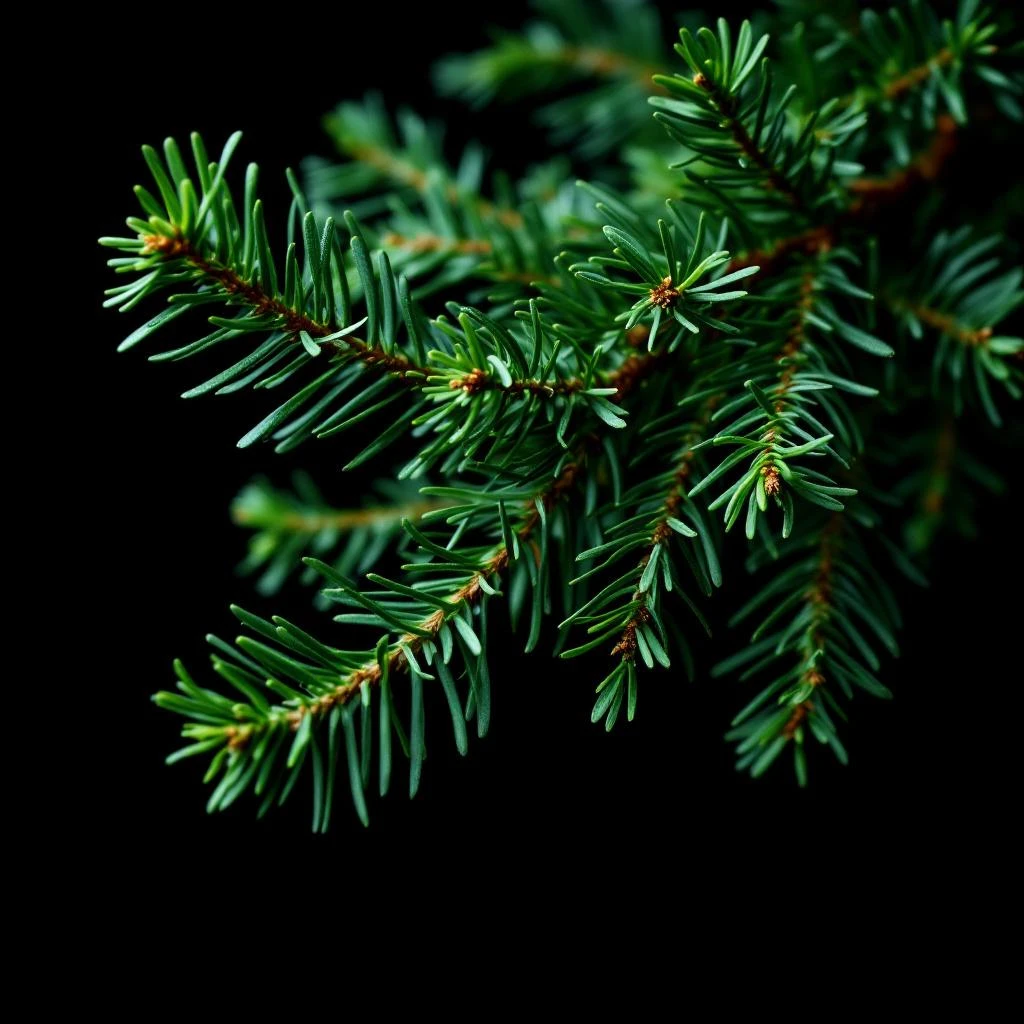
Indigenous peoples across northern North America used spruce for thousands of years before European contact. They burned spruce needles in purification ceremonies, used the resin for medicinal poultices, and brewed needles into remedies for respiratory ailments.
French-Canadian fur traders and early settlers adopted these practices, recognizing spruce's practical and ceremonial value. In perfumery, conifer notes gained prominence during the early 20th century as fragrance designers sought to capture atmospheric, naturalistic themes.
Spruce oil offered a cleaner, more complex alternative to turpentine-derived materials, gradually establishing itself as a respected ingredient in masculine and woodland-themed compositions. Today, sustainable harvest practices and wildcrafting from managed forests ensure continued availability without damaging ecosystems.
Wears it best
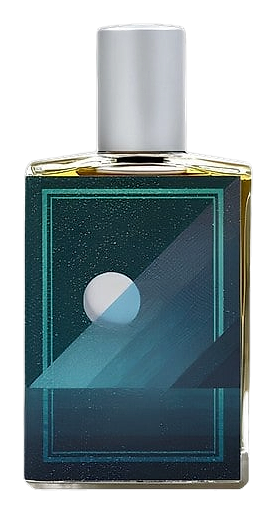
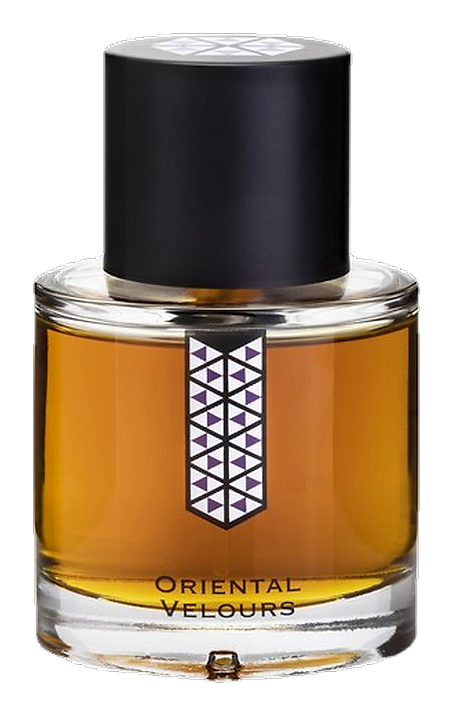
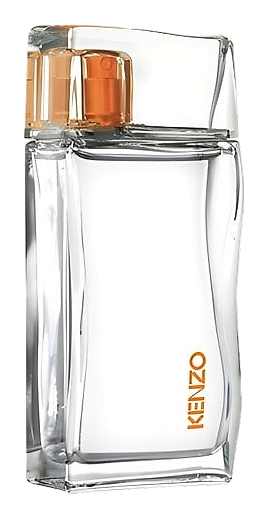
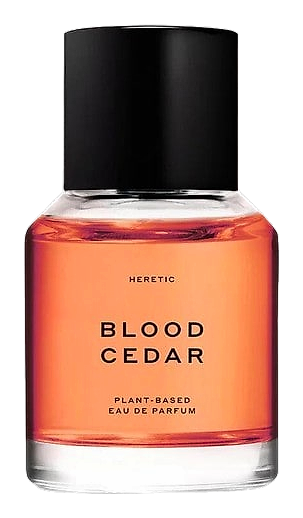
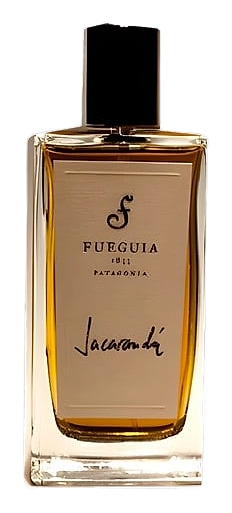
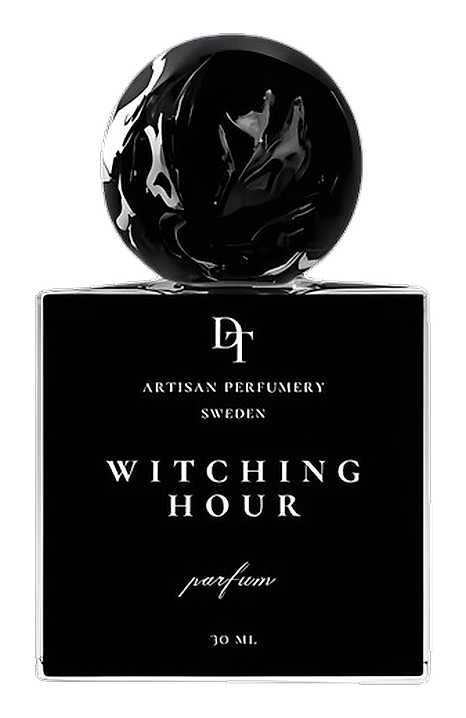
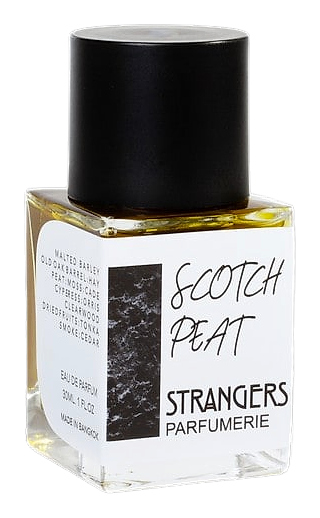
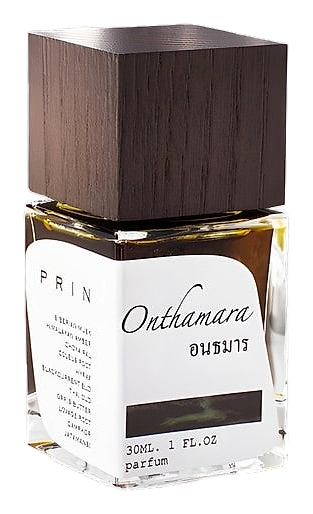
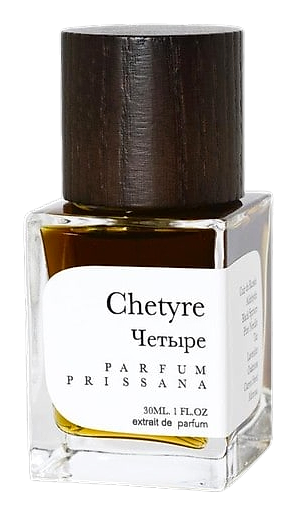
Fragrances featuring Spruce

Brands
Brands known for Spruce
Good to know
Questions, answered
The essentials on Spruce in perfumery: how it smells, where it comes from, and how it behaves on skin.
What does spruce smell like in perfume?
Spruce has a fresh, sharp coniferous character with balsamic sweetness. Think of walking through a pine forest in winter; it combines the crispness of evergreen needles with a warm, slightly sweet resinous base that adds depth to fragrance compositions.
Is spruce commonly used in men's fragrances?
Yes, spruce appears frequently in masculine and unisex fragrances, particularly in aromatic, fougere, and woody categories. Its forest-like quality aligns with traditional masculine fragrance themes while offering more complexity than synthetic alternatives.
Where does commercial spruce essential oil come from?
Most commercial spruce oil comes from Canada, especially Quebec and Ontario, where black spruce grows abundantly in boreal forests. Scandinavian countries also produce Norway spruce oil. Wildcrafting from sustainably managed forests is standard practice.
Does spruce oil vary by species?
Different spruce species produce distinct aromatic profiles. Black spruce (Picea mariana) yields a sweet, camphoraceous oil. Norway spruce (Picea abies) produces a sharper, more turpentine-like character. Blenders often combine species to achieve desired complexity.
Is spruce essential oil sustainably sourced?
Reputable suppliers source spruce from certified sustainable forests or wildcrafting operations that maintain ecological balance. Harvest typically focuses on branch tips and thinning, allowing trees to regenerate. Third-party certifications help verify responsible sourcing.
How long does spruce oil last in a fragrance?
Spruce oil has moderate longevity as a base-to-heart note. In an alcohol-based perfume, expect 6-10 hours of noticeable presence. Fixatives like sandalwood or ambergris can extend its staying power in the dry-down phase.
What pairs well with spruce in fragrance blends?
Spruce combines naturally with other conifer notes like pine and fir, as well as citrus, lavender, and woody materials including cedar and vetiver. Oakmoss and herbal notes like rosemary round out spruce in classic aromatic compositions.
How does spruce differ from pine or fir in perfumery?
Spruce offers a balanced profile between pine's sharp intensity and fir's softer, sweeter character. It contains higher bornyl acetate content than pine, giving it more balsamic warmth, while lacking the camphoraceous edge of some pine species.