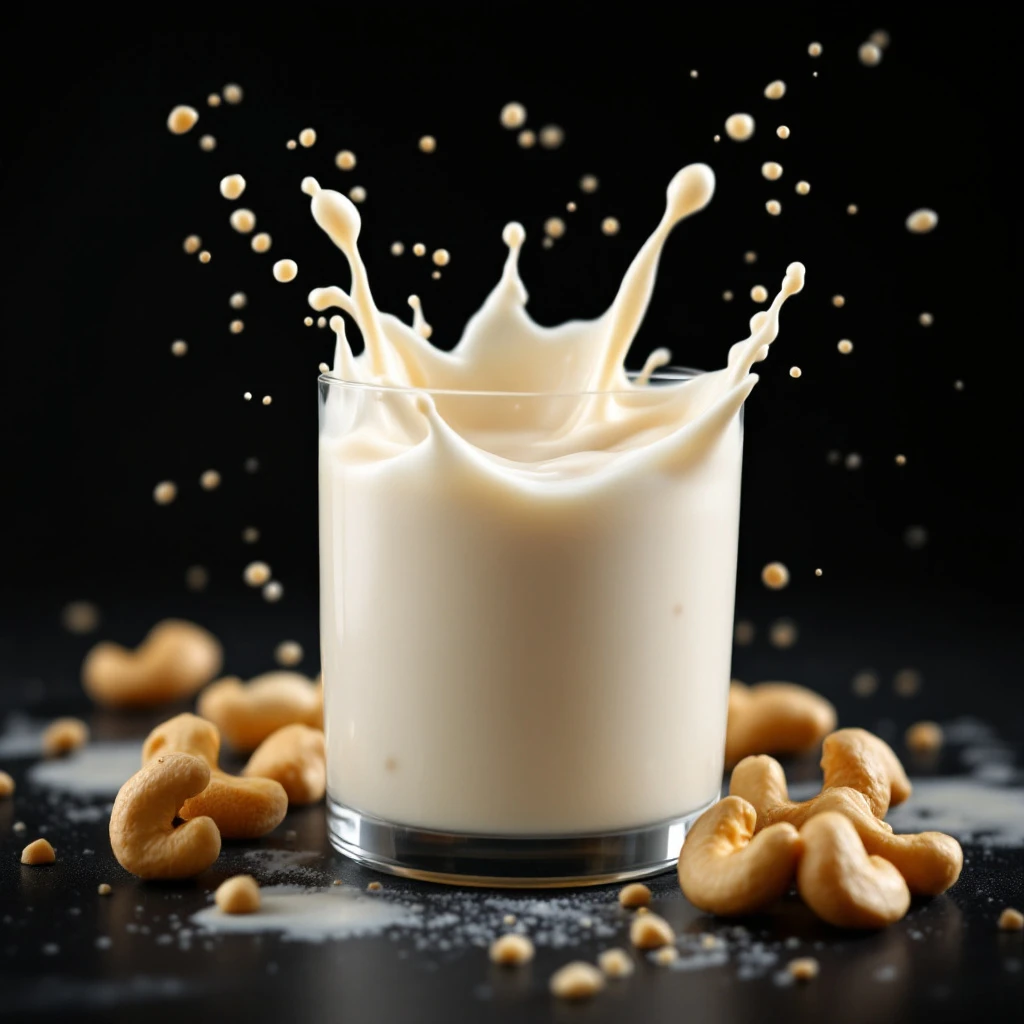
Cashew Milk
A warm, creamy fragrance accord that captures the rich, nutty sweetness of cashew milk through sophisticated synthetic chemistry, since no natural extractable source exists for this beloved nut.
Character
How it smells
The rich nuttiness of cashew, reborn through perfumery chemistry.
Cashew nuts yield no extractable aromatic compounds, so perfumers must build their scent molecule by molecule.



Origin
Laboratory-created
The story of cashew milk in perfumery begins with a paradox: a fragrance note inspired by a material that cannot be extracted. Before the late 19th century, perfumes relied exclusively on natural ingredients, but the period between 1889 and 1921 transformed the industry forever as Paris became the center of synthetic fragrance innovation.
Chemists learned to identify the specific molecules responsible for food aromas and replicate them in the laboratory. Nut-based food notes gained significant popularity in the late 20th century as consumers developed an appetite for edible, gourmand fragrances.
Cashew milk emerged as a more obscure but distinctive player in this movement, offering a creamier, sweeter alternative to hazelnut or almond. Today it appears primarily in niche and artisanal fragrances seeking unique creamy-nutty signatures, valued for its ability to add warmth without heaviness.
Wears it best
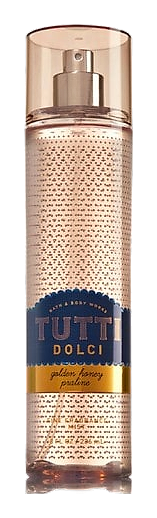
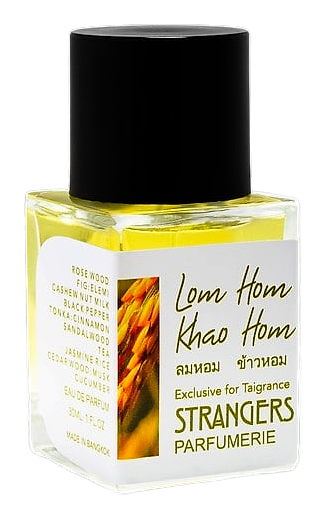
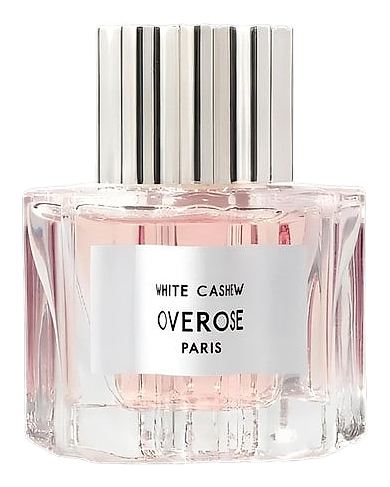
Fragrances featuring Cashew Milk
Brands
Brands known for Cashew Milk
Good to know
Questions, answered
The essentials on Cashew Milk in perfumery: how it smells, where it comes from, and how it behaves on skin.
What is cashew milk in perfumery?
Cashew milk is a synthetic fragrance accord designed to evoke the creamy, nutty character of cashew nuts. No natural extractable form exists, so perfumers construct the scent using aromatic molecules that together replicate its warm, sweet, and edible qualities.
Is cashew milk a natural ingredient?
No. Cashew nuts contain no extractable aromatic compounds suitable for perfumery, so the scent must be artificially reconstructed through fragrance chemistry rather than derived directly from the nut.
What does cashew milk smell like?
The accord delivers warm, creamy, and nutty characteristics with subtle caramel undertones. It reads as edible and comforting, similar to a dairy-free milk with roasted nut complexity and sweet, milky warmth.
Which fragrances feature cashew milk?
Cashew milk appears primarily in niche and artisanal fragrances focused on gourmand and Oriental families. It is used selectively to add creamy-nutty warmth to compositions without overpowering primary notes.
How do perfumers create the cashew milk accord?
Fragrance chemists combine lactones for creaminess, furaneol derivatives for caramel-nutty notes, sotolon for walnut-like depth, and vanillin compounds for sweetness. These molecules layer together to form the complete cashew milk impression.
What other ingredients pair well with cashew milk?
This note complements vanilla, tonka bean, sandalwood, benzoin, and amber bases. It also harmonizes with coconut, praline, and white florals like ylang ylang, which enhance its edible, comforting qualities.
Is cashew milk safe for skin application?
Synthetic fragrance materials used in cashew milk accords must comply with IFRA standards, which set concentration limits and restrictions. When properly formulated, they meet safety requirements for cosmetic and perfume use.
When did cashew milk first appear in perfumery?
The synthetic food-note movement began in the early 20th century after Paris-based chemists pioneered lab-created fragrance ingredients. Cashew milk emerged later as part of the late 20th-century trend toward gourmet, edible fragrance compositions.