The Story
Why it exists.
The beginning
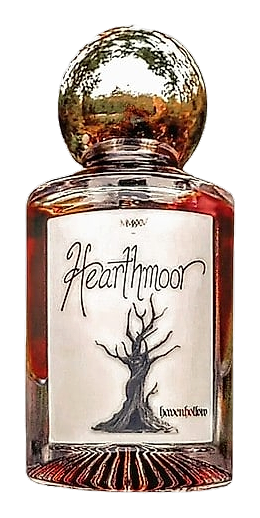
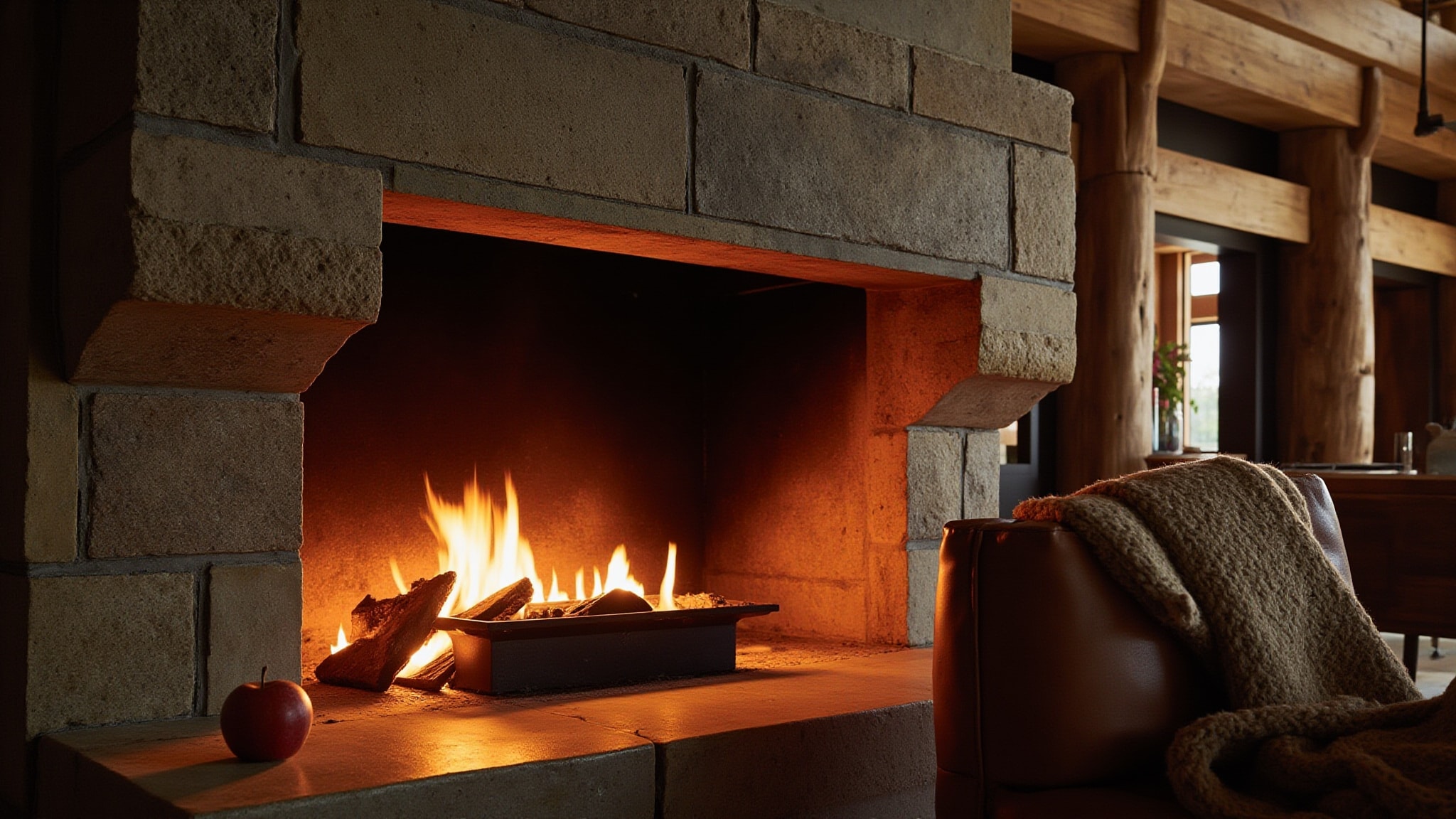
Eric Valentino built Hearthmoor around a specific image: a farmstead on the blustery moorlands, dotted with drying haybales, freshly split firewood, and bruised apples of red and golden. The old stone chimney slowly perfumes the chill autumn air with hearth smoke and wafts of warm seasonal provisions. The name says it all, a moorland hearth, a place you return to when the wind won't let up. With only 100 bottles produced before discontinuation, this one is already hard to find.
When was bread last a heart note in a fragrance that also kept castoreum? The hiba and white oak form a dense conifer structure that rarely appears at this price point. Maple sap and centennial hops bring an unexpected sweetness and bitter edge that cuts through the woody abundance. Vanilla, cinnamon, and nutmeg layer in warmth without tipping into dessert territory. The smoke doesn't just open, it threads through the entire composition, holding the bread and apple notes to something grounded rather than purely atmospheric.
The evolution
The opening leads with smoke and apple, woodsmoke curling from a stone chimney while red apple emerges from beneath it, sweet and slightly fermented. Bread arrives quickly, the smell of crust browning in a warm kitchen nearby. Within the first hour, the conifer structure takes over. White oak, Scots pine, and Alaskan cedar form a dense conifer canopy while centennial hops add a bitter green edge that cuts through the sweetness. Balsam fir deepens the conifer structure as smoke continues to thread through, with castoreum beginning to surface from the edges. The drydown settles into something animalic and intimate. Castoreum and sheep's wool warm against skin while maple sap lingers like a sweet memory and woodsmoke settles into the fibers. Vanilla and cinnamon eventually fade. The wool and cedar remain. Eight to ten hours on most skin, with the final hours reading close and personal, the kind of fragrance you find on your wrist the next morning and smile.
Cultural impact
Hearthmoor occupies a specific corner of the indie fragrance landscape, woody-smoky compositions that lean into the forest rather than away from it. Compared to Serge Lutens' Fille en Aiguilles and Havenhollow's own Cochise, it carves out its own territory through the bread and apple notes that keep the smoke grounded in something edible and domestic. For those who find it, the fragrance becomes a seasonal companion, something worn when the temperatures drop and the earlier dark demands a little warmth.