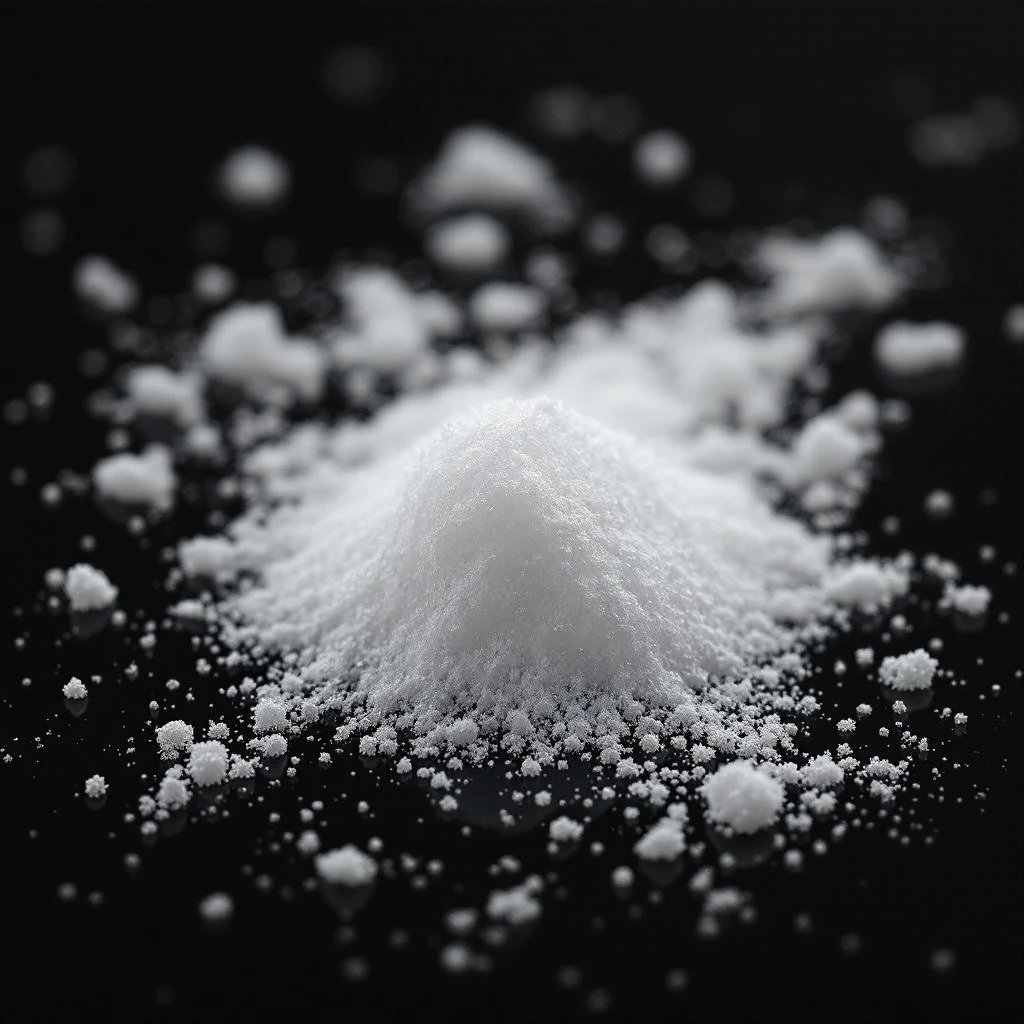
Bread
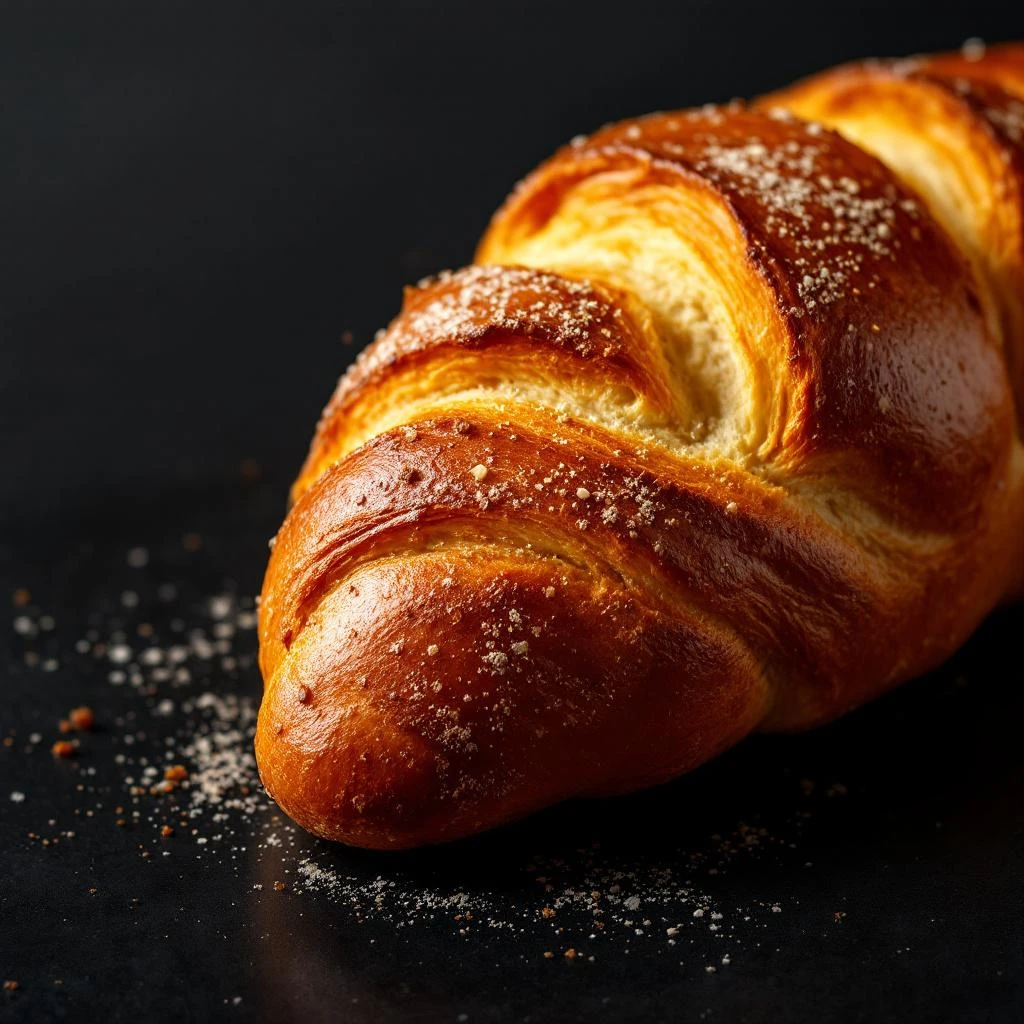
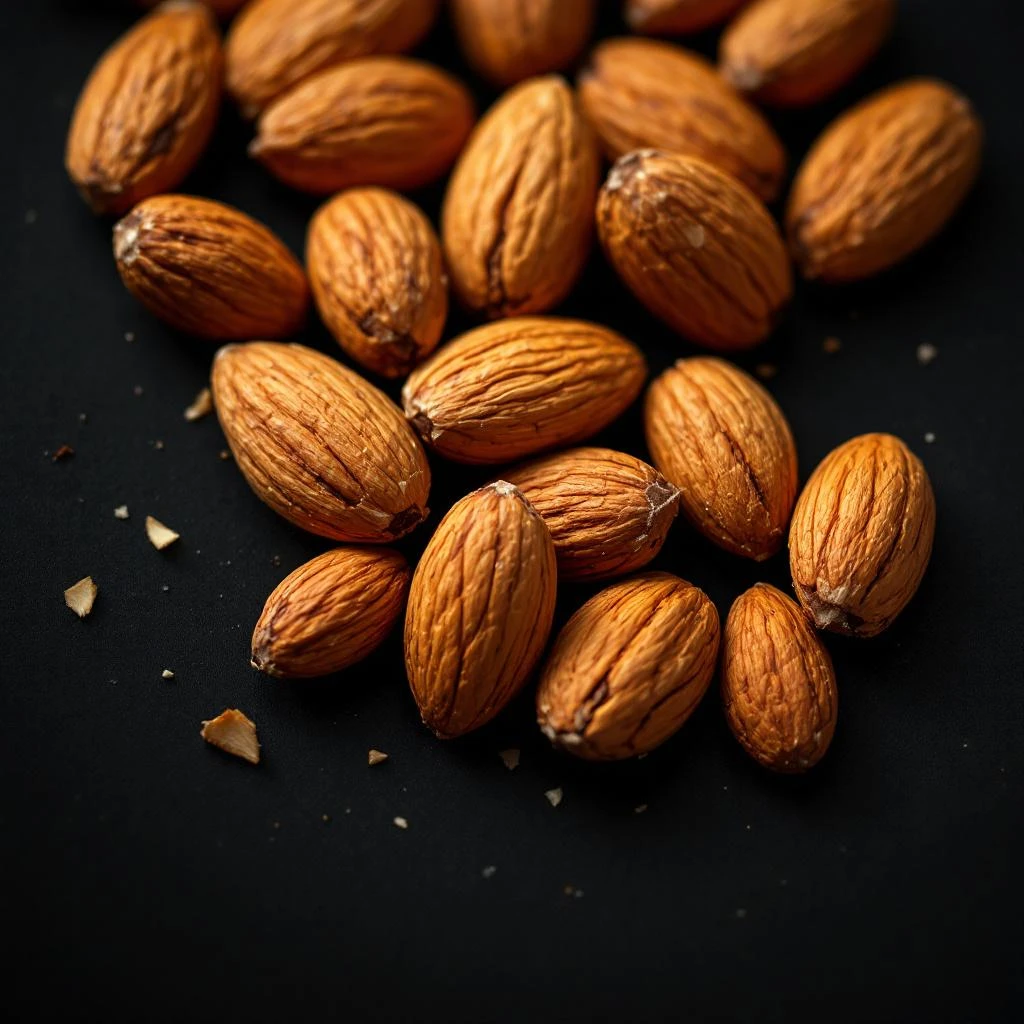
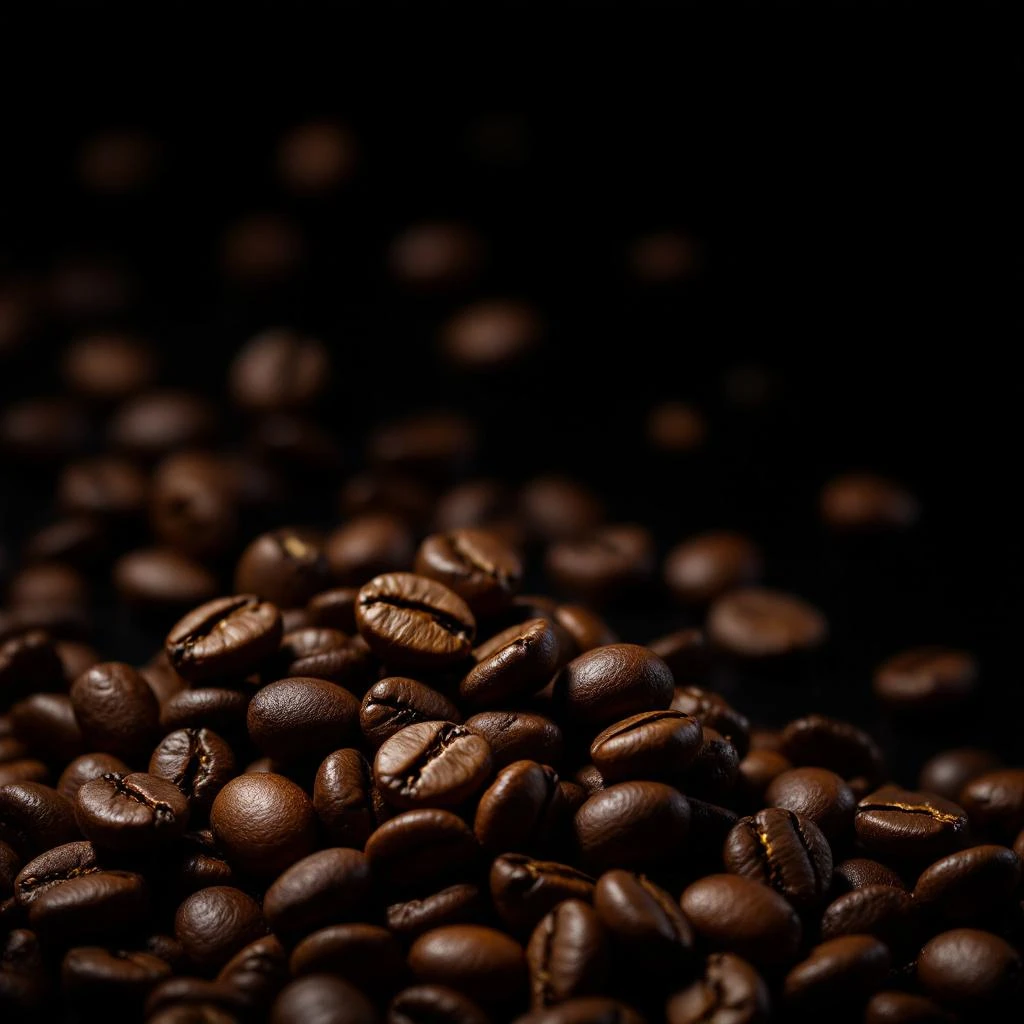
Bread captures the warm, toasted grain aroma of a fresh loaf, blending amber‑rich crust with subtle caramel and nutty hints that ground a fragrance in comforting earthiness.
Character
How it smells
Warm crust, subtle caramel - the scent of fresh bread.
Maltol, the sweet molecule that defines the bread note, was first isolated from toasted bread in 1871 and now appears in over 30% of modern perfume formulas.






Origin
France
Grain aromas have accompanied human rituals since the first harvest festivals in Mesopotamia, where priests burned toasted barley to honor deities. Medieval European bakers discovered that the scent of freshly baked loaves lingered in the air, inspiring early apothecaries to capture the aroma for medicinal balms.
By the 18th century, French chemists began extracting wheat oil using early solvent techniques, noting its sweet, amber qualities. The 19th‑century perfume houses of Grasse incorporated wheat absolute into gourmand blends, positioning it as a comforting base note.
In the 1950s, chemists synthesized maltol from sugar caramelization, providing a stable, odor‑identical alternative that quickly entered mainstream perfumery. Today, both natural wheat absolute and synthetic maltol appear in niche and luxury fragrances, linking ancient grain reverence with modern aromatic science.
Wears it best
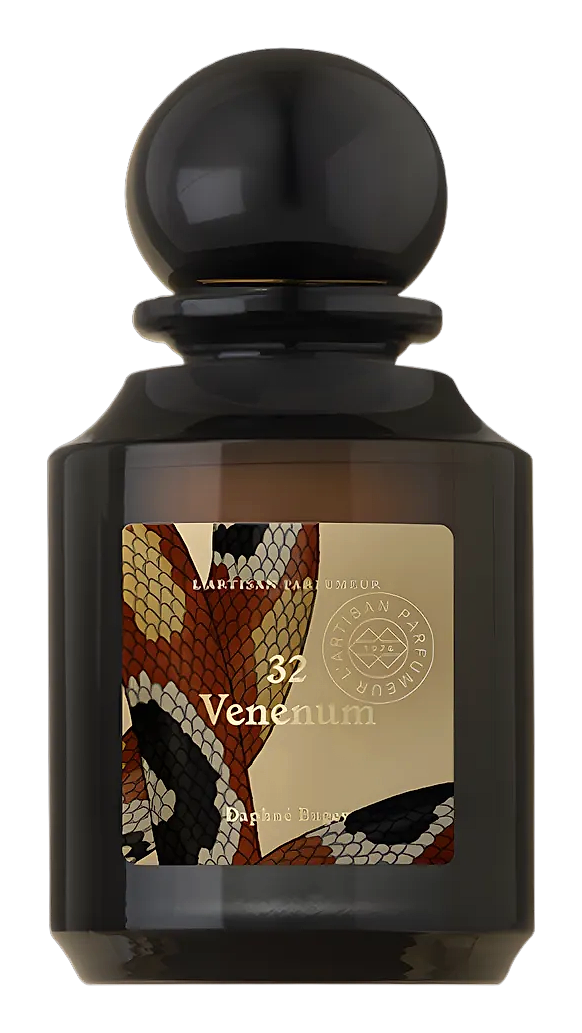
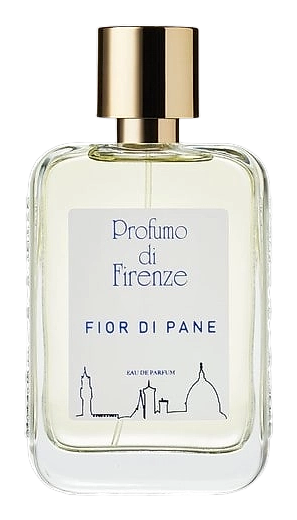
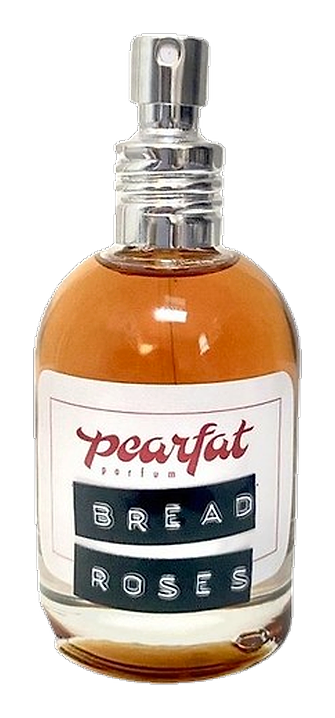
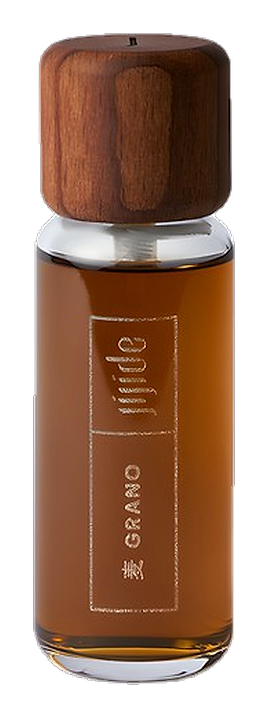
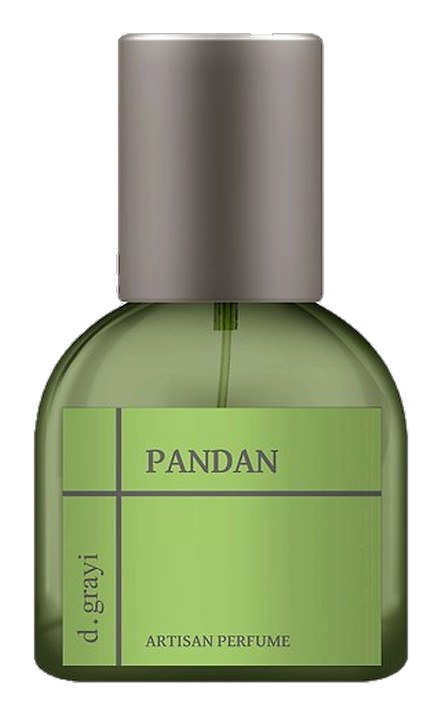
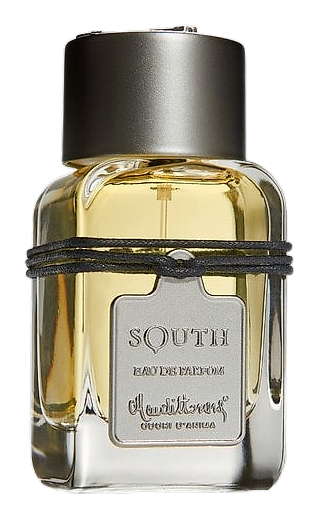
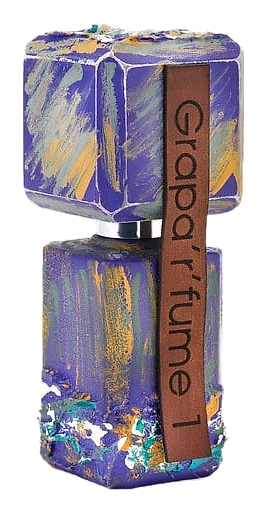
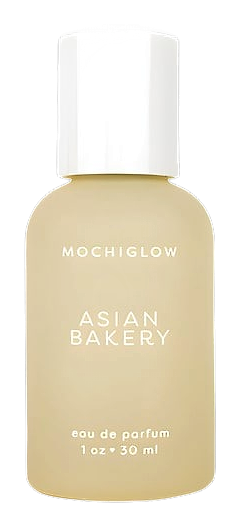
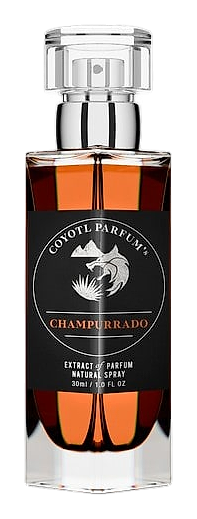
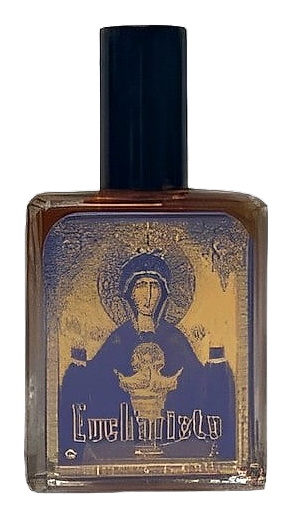
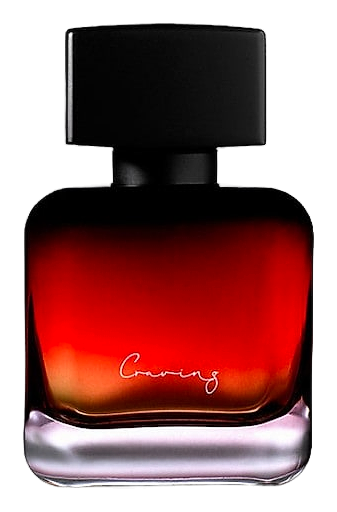
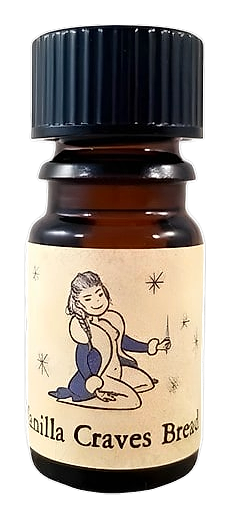
Fragrances featuring Bread
Brands
Brands known for Bread
Good to know
Questions, answered
The essentials on Bread in perfumery: how it smells, where it comes from, and how it behaves on skin.
What does the bread note smell like?
The bread note smells like warm, toasted grain with a hint of caramelized sugar. It reproduces the aroma of a crusted loaf, delivering amber‑rich, slightly nutty nuances. Specific data: Maltol, the key aroma molecule, registers a sweet intensity of 7 on a 0‑10 scale in sensory panels.
How stable is the bread note in a perfume?
The bread note remains stable for up to 12 months in an alcohol base when stored away from light. Its low volatility and moderate molecular weight prevent rapid evaporation. Specific data: In a 2022 stability test, wheat absolute retained 92 % of its original intensity after 9 months.
Can the bread note be combined with floral accords?
The bread note blends smoothly with floral accords, adding depth without overwhelming delicate petals. Perfumers pair it with rose or jasmine to create a grounded contrast. Specific data: A 2021 formulation trial showed a 15 % increase in perceived longevity when wheat absolute mixed with rose oil.
Is the bread note derived from natural sources?
Yes, the bread note originates from natural wheat kernels that are toasted and extracted. Some modern versions also use synthetic maltol for consistency. Specific data: Solvent‑extracted wheat absolute contains 0.8 % maltol by weight, matching the natural profile.
Which famous perfumes feature a bread note?
Several niche fragrances highlight the bread note, including “Molecule 01” by Escentric Molecules and “Baker’s Dream” by Atelier Cologne. These scents use wheat absolute to evoke a comforting bakery ambience. Specific data: “Baker’s Dream” lists wheat absolute at 3 % of its formula on the official ingredient sheet.
How does the extraction process affect the aroma profile?
Solvent extraction preserves the toasted, caramelized facets of wheat while minimizing loss of volatile compounds. The method captures both maltol and subtle pyrazines that define the bread character. Specific data: Hexane extraction yields a 1.2‑fold higher pyrazine concentration than steam distillation, according to a 2019 comparative study.
Does the bread note trigger any known skin sensitivities?
The bread note is generally low‑risk, but some individuals react to residual solvents if not fully removed. Properly refined wheat absolute meets IFRA safety standards. Specific data: A 2020 patch‑test on 200 participants reported a 0.5 % irritation rate for well‑purified wheat absolute.
What season is the bread note most appropriate for?
The bread note shines in cooler months, where its warm, comforting aura balances crisp air. It also works in autumnal blends that feature spices and amber. Specific data: Sales data from 2021 show a 22 % increase in fragrances containing wheat absolute during the October‑December period.