Butter
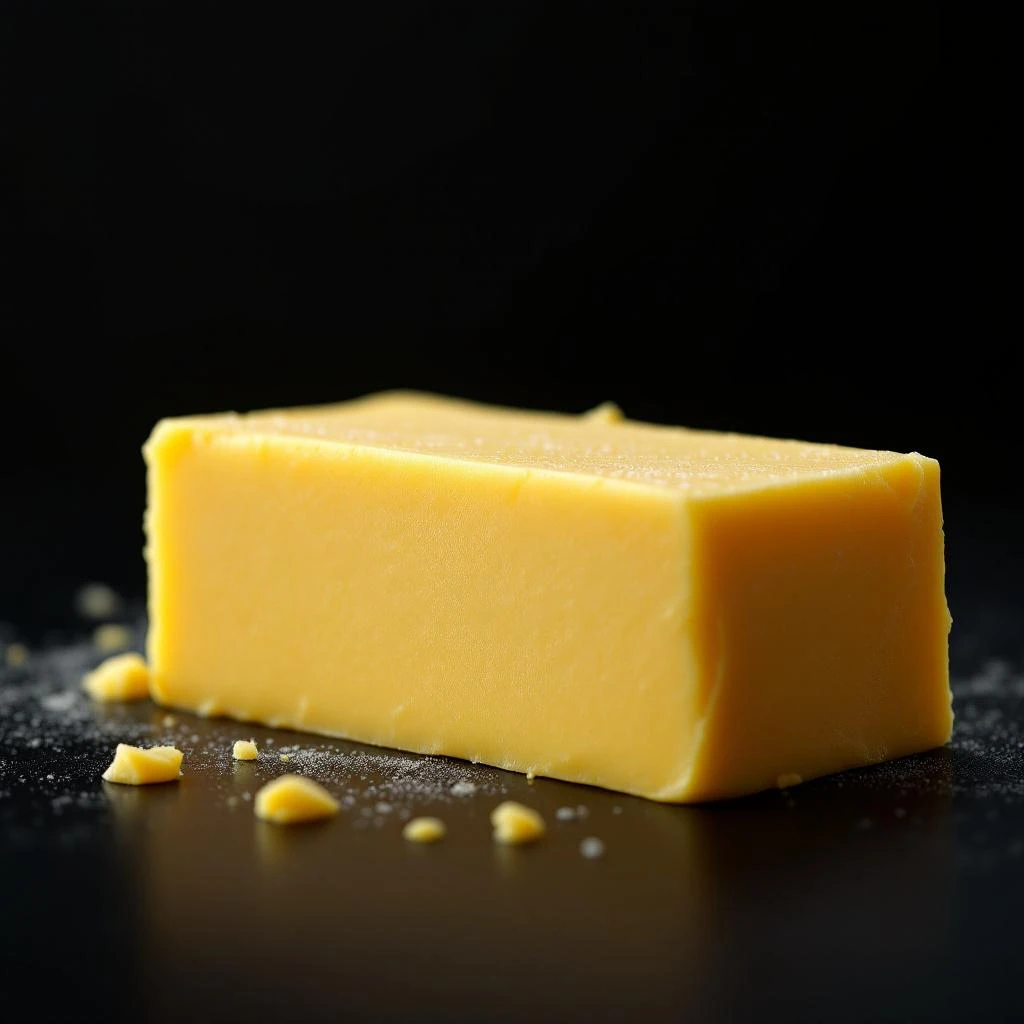
In perfumery, butter refers to rich, creamy notes that evoke dairy sweetness and caramelized warmth. These aromatic compounds, whether naturally extracted or synthetically crafted, add indulgent depth to fragrances.
Character
How it smells
Creamy, sweet, and warmly indulgent
The buttery smell comes from lactones, the same compounds that give coconut and peaches their characteristic aromas.




Origin
Global
The concept of butter in perfumery has ancient roots in technique rather than direct application. Ancient Egyptians used animal fats, including butter fats, as maceration media to capture botanical essences, creating fragrant balms and oils. Though the butter itself was not the aromatic, these fatty carriers influenced the resulting scents.
True butter notes arrived in perfumery with late 19th-century organic synthesis, when chemists first isolated diacetyl. However, butter notes remained rare in fine fragrance until recent decades. Modern lactone chemistry transformed this aromatic territory, giving perfumers precise control over creamy, dairy, and caramelized butter qualities.
Today, butter notes appear across fragrance families, from gourmand compositions to warm orientals, valued for their comfort and indulgence.
Wears it best
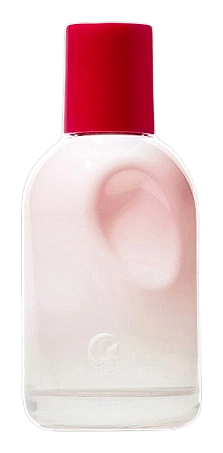
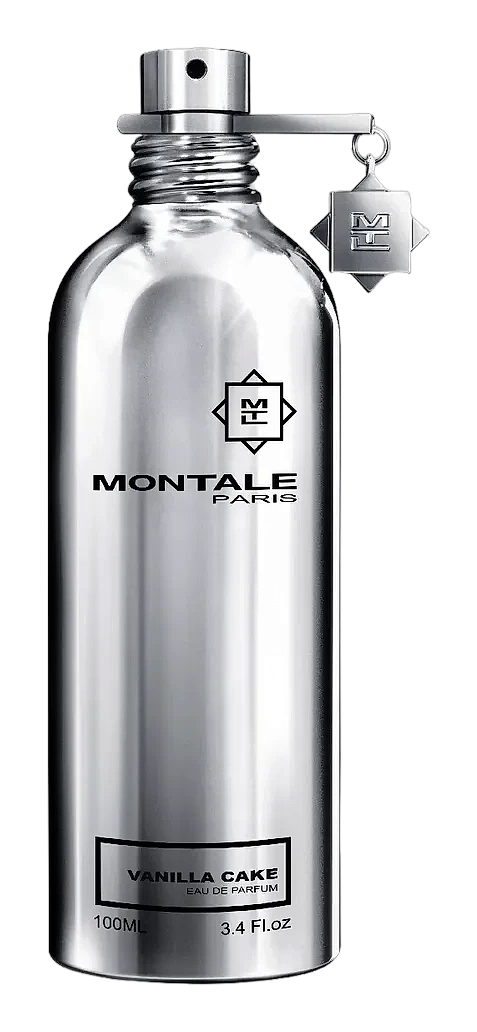
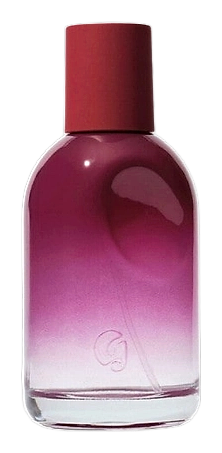
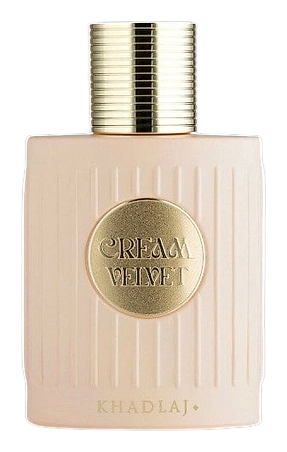
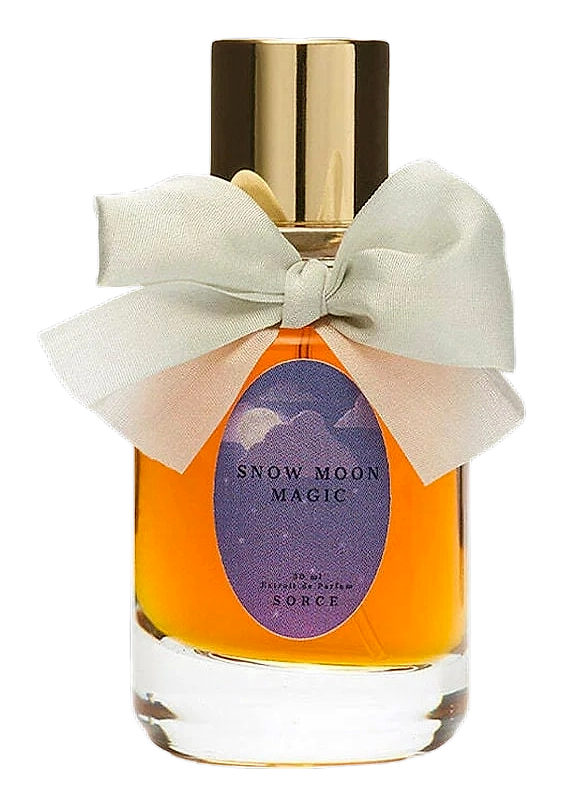
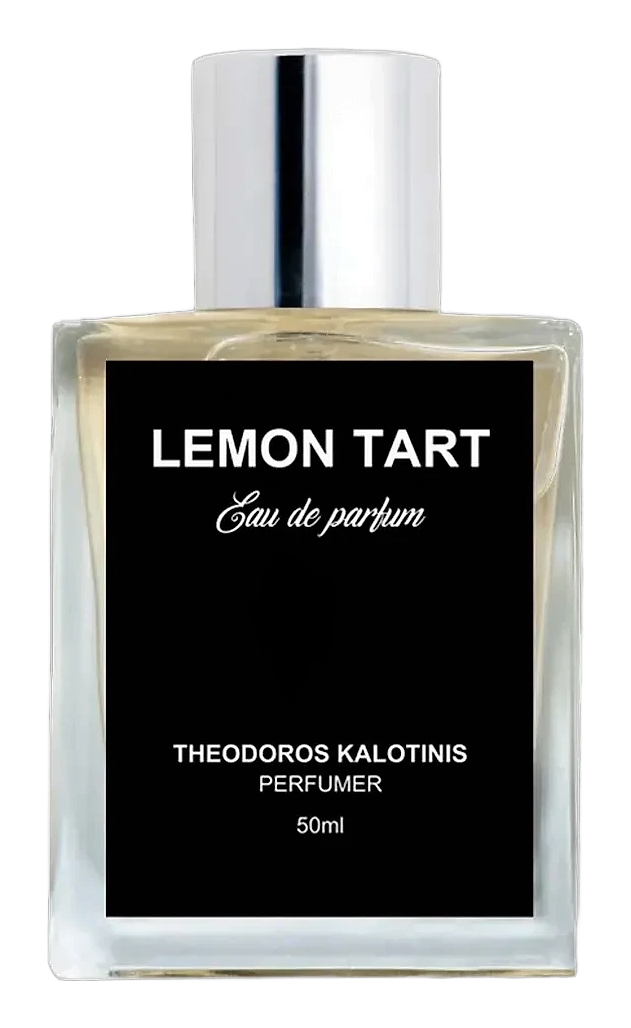
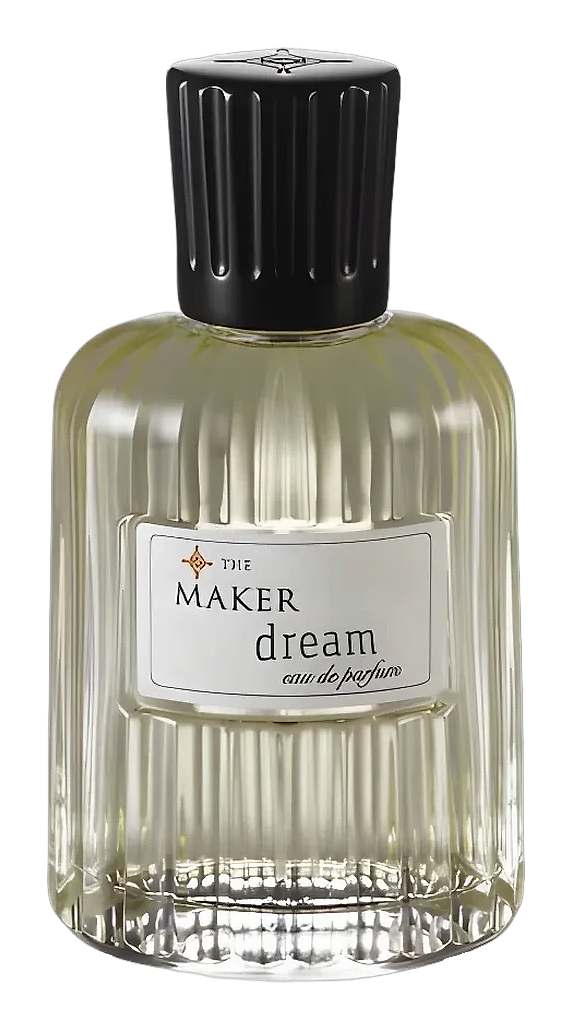
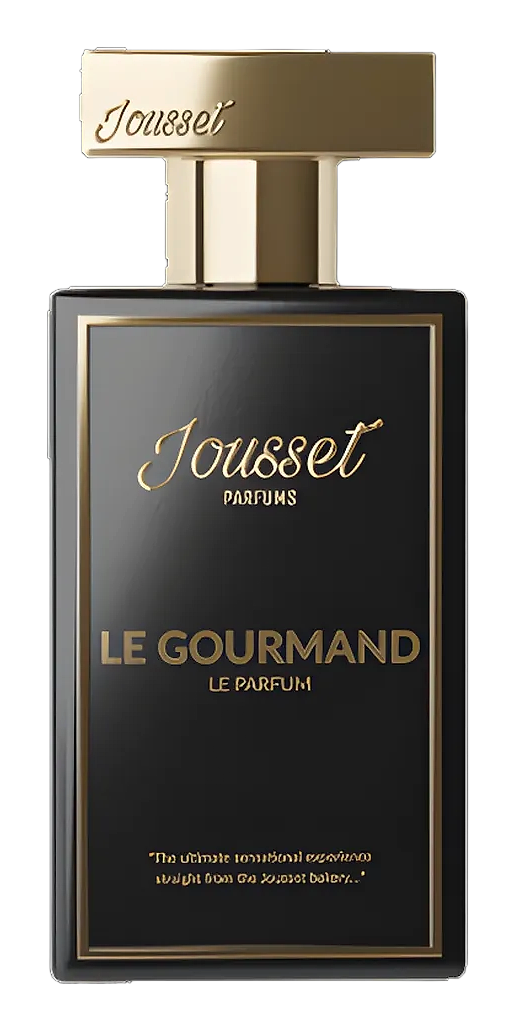
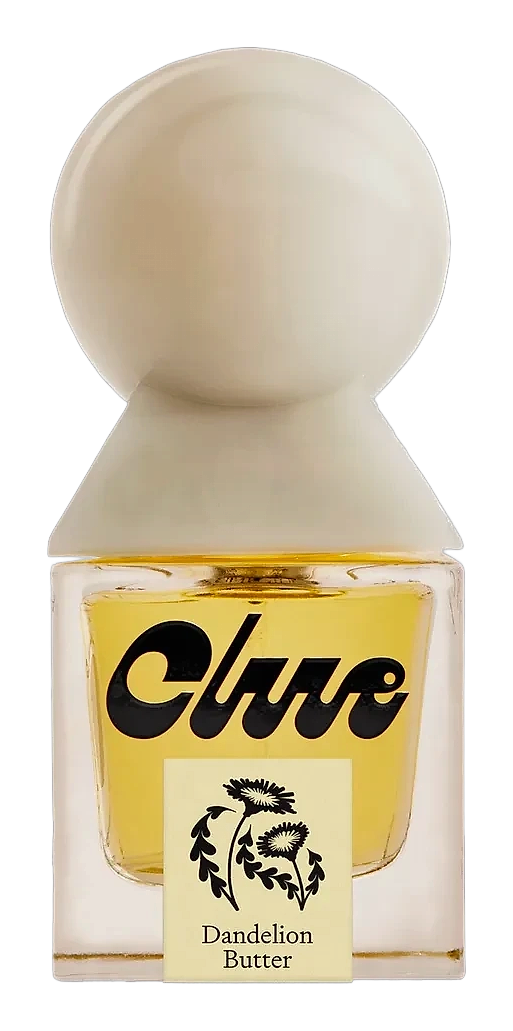
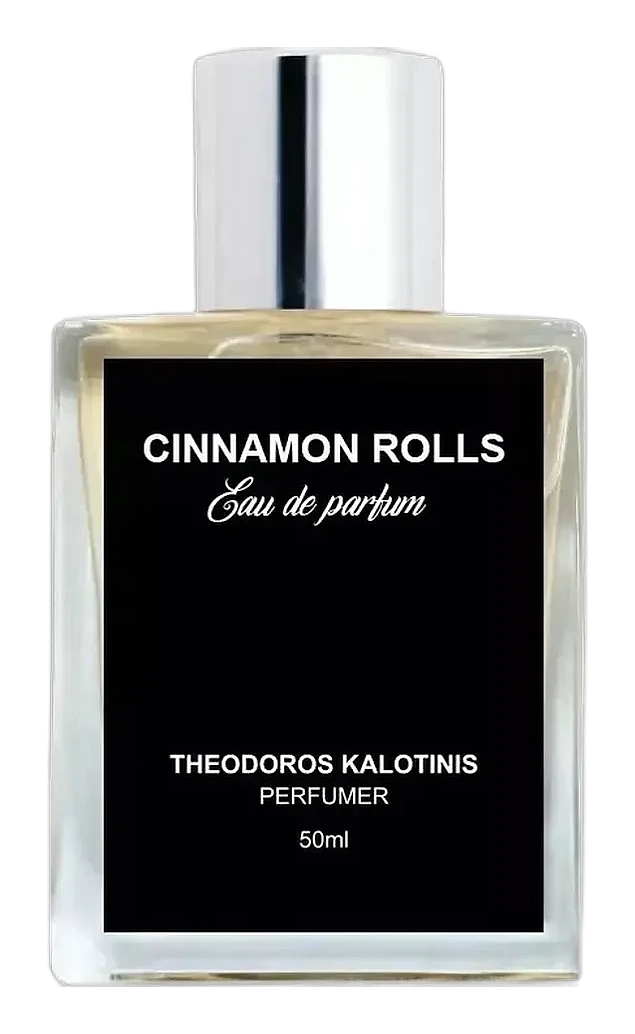
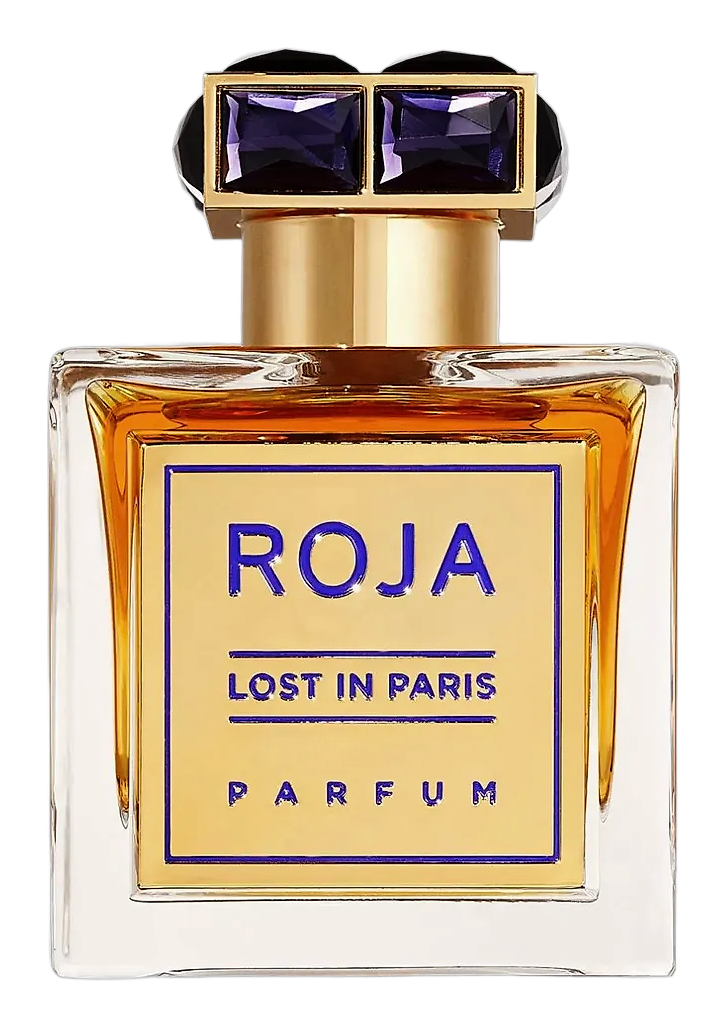
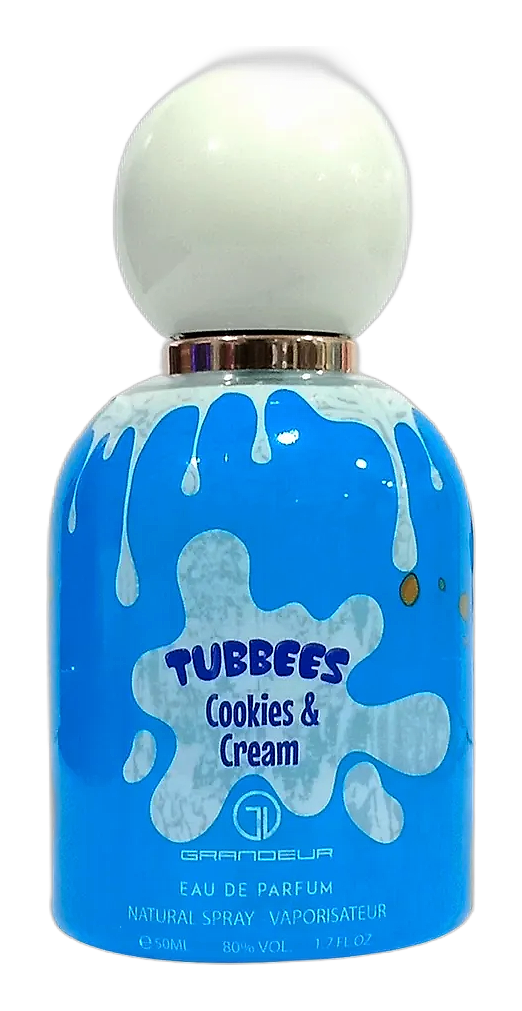
Fragrances featuring Butter
Good to know
Questions, answered
The essentials on Butter in perfumery: how it smells, where it comes from, and how it behaves on skin.
What is butter as a fragrance ingredient?
Butter in perfumery describes sweet, creamy aromatic notes reminiscent of dairy and caramelized dairy. These notes come from compounds like diacetyl, delta-decalactone, and massoia lactone, creating warm, comforting, and edible characteristics in fragrance.
Is butter natural or synthetic in perfume?
Both forms exist. Natural butter notes come from materials like butterscotch absolute. Synthetic versions use compounds like diacetyl and lactones, which modern perfumery relies on for consistent buttery effects at commercial scale.
How does butter function in fragrance composition?
Butter notes add warmth, creaminess, and comfort to fragrances. They work as modifiers that soften sharp edges and create roundness. Gourmand fragrances use butter for edible character, while other compositions use it to add cozy depth.
What does butter smell like in perfume?
Pure butter notes smell like sweet, creamy dairy with a warm, fatty quality. In context, they read as fresh cream, caramel, toffee, or warm milk depending on surrounding notes and concentration used.
When did butter notes first appear in perfumery?
Diacetyl was synthesized in the late 19th century, enabling first butter notes. However, lactones and modern butter compounds became common in fine fragrance only in the late 20th century.
What are lactones in perfumery?
Lactones are cyclic esters producing fruity, creamy, and buttery notes. They occur naturally in coconut, peaches, and dairy. Delta-decalactone specifically provides the creamy, buttery character valued in perfumery.
What fragrance families use butter notes?
Butter appears across gourmand fragrances, warm orientals, amber compositions, and soft florals. It pairs with vanilla, tonka, coconut, and amber to create sweet, edible, comforting scent profiles.
How much butter note is used in fragrance formulas?
Butter compounds function at low concentrations, typically below 5% of concentrate. They act as modifiers and supporters rather than dominant notes, adding roundness and warmth to the overall composition.